The Guardian
Story by Alexander Abnos
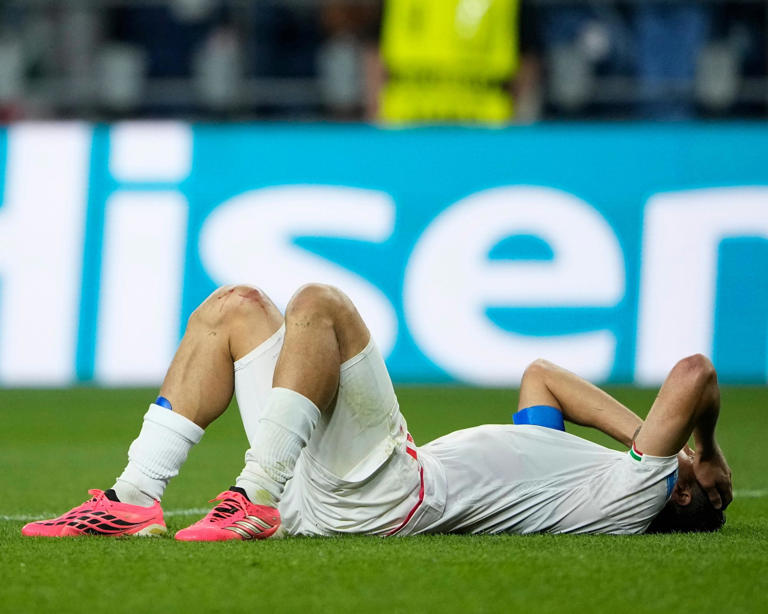
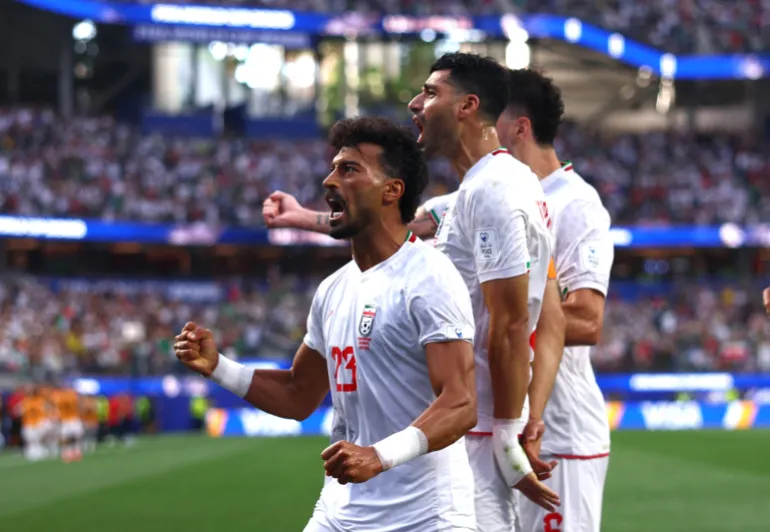
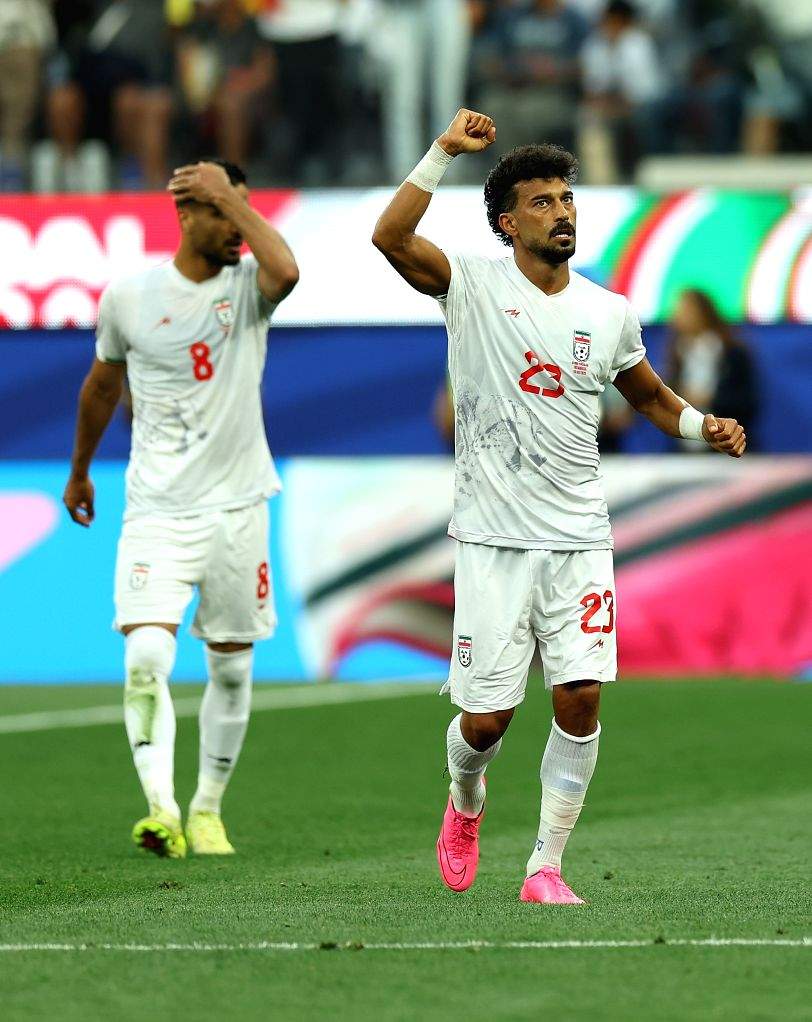
Mehdi Taremi lay on the ground at Seattle Stadium staring at the heavens, devastated. The Iran team he captains had just finished a 1-1 draw with Egypt in their final World Cup group game – one where a win would have put them through to the knockout round for the first time in seven tournament appearances. Taremi had missed a penalty in Friday’s contest, and a seeming late winner had sent the team into bedlam before being correctly ruled out for offside.
Taremi lay on the ground for several minutes. He did so as Alireza Jahanbakhsh, his longtime teammate on a veteran-laden Iran squad, offered comfort. Taremi remained after other teammates who had collapsed in exhaustion had arisen again, trudging to the locker room.
Minutes later, though, Taremi told the media there was “good energy” in that locker room. That they were proud of their performance. That they would look forward to the next day’s games and see what fate they’d bring.
Saturday brought only more heartbreak. Iran needed a Ghana win over Croatia, and got the opposite. They needed Uzbekistan to win or draw against the Democratic Republic of Congo, only to see the African side come back from 1-0 down to win. Most agonizingly, they got a jolt of hope when Riyad Mahrez scored in stoppage time to put Algeria up 3-2 over Austria in a game Iran simply needed either side to win. And then their World Cup ended about 120 seconds later, when Austria equalized, and the final whistle blew.
Iran had originally planned to have a senior federation official speak at the team’s training session on Saturday night. That appearance was canceled after DR Congo’s comeback. Then the training session itself was called off entirely. Just like that, 2026 Team Melli had played their last moments as a team.
It’s a moment of anguish that will rise to the very top of a football history full of them. In 2014, Iran’s hopes were dashed with a moment of magic from Lionel Messi. They were bounced from Russia 2018 after a devastating draw with Portugal. A frenetic nine-minute stoppage-time blitz against the United States in 2022 ended with tears. In this case, the matter was out of Iran’s hands. They needed help, and didn’t get it.
On a note board in the Seattle locker room, Iran left a message reading, in part, that “football is not just a competition for results. It is a test of character.”
What a test it was for Iran. The team qualified for the World Cup, and then their country was named in the Trump administration’s extensive travel ban. They began preparations as the US and Israel launched a bombing campaign on the country, killing their head of state and 168 people at a school in Minab, among others. They stood by as various officials traded barbs concerning their participation. They trained in Turkey because training in Iran would present visa issues. They trained in Mexico under armed guard because training in Arizona as planned would present visa issues. The US government denied 11 team staff visas to attend their World Cup games, including their entire media relations staff. US officials mused that they might be trying to sneak in terrorists.
They were delayed by security checks at airports, turning what should have been quick trips into several-hour ordeals. Outside US stadiums, they were greeted with protests, mostly driven by other Iranians. Even in the hours before they played the most crucial match in their history on Friday, news broke that the US had launched a fresh round of bombings on their homeland, with a supposed ceasefire in action.
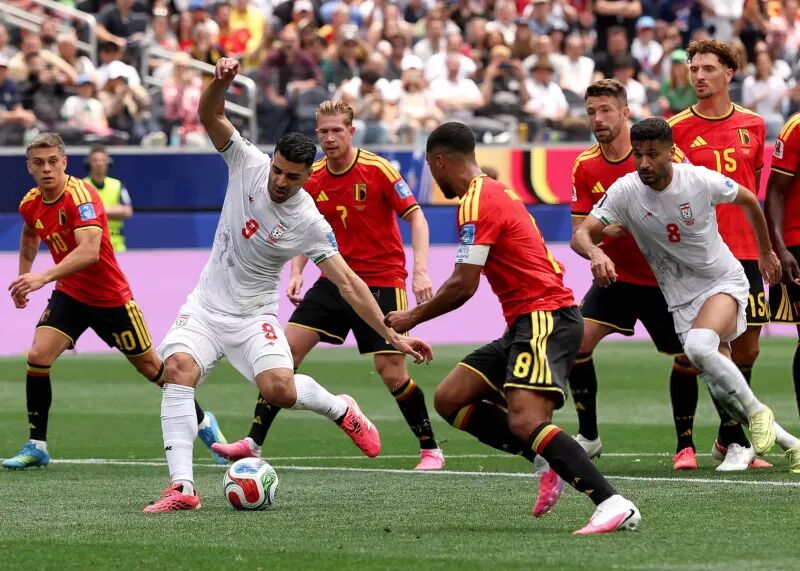
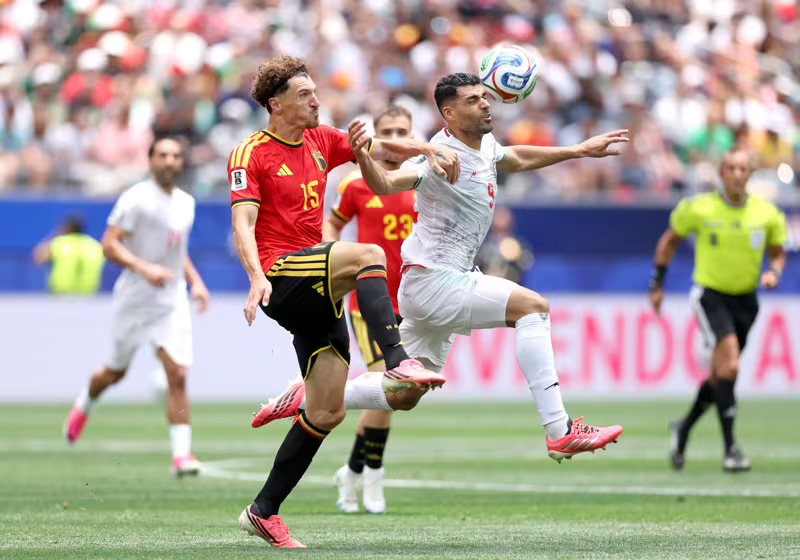
How should a team manage this unprecedented state of affairs? According to Taremi, the answer was simple: “Run,” he demanded of his team before a 0-0 draw with Belgium. Run, and play without fear.
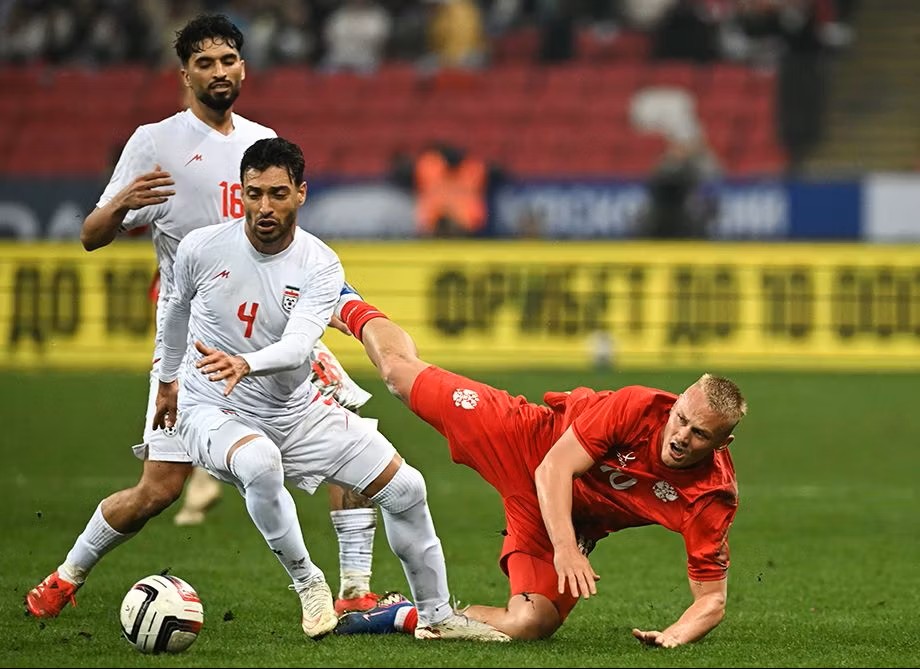
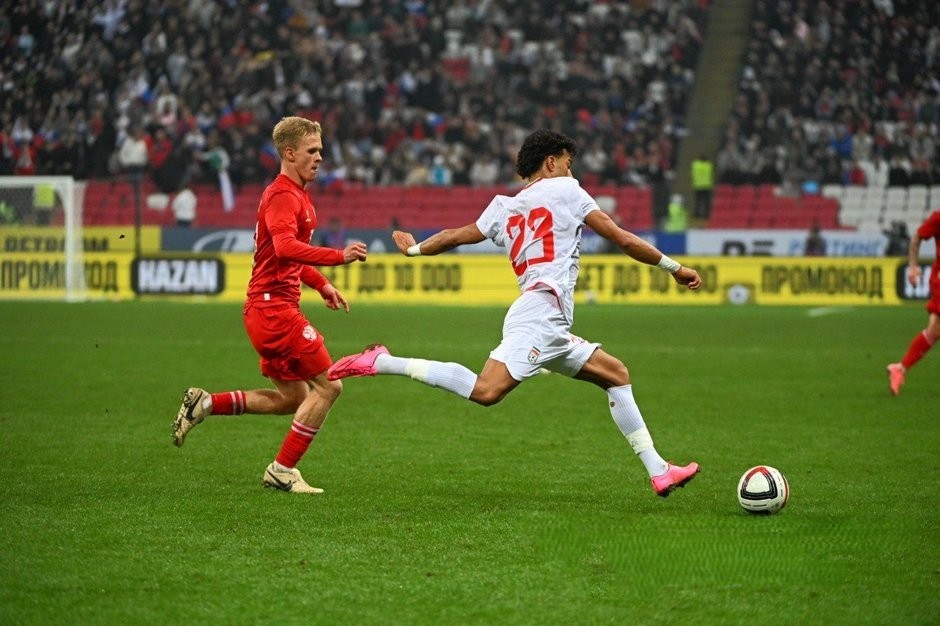
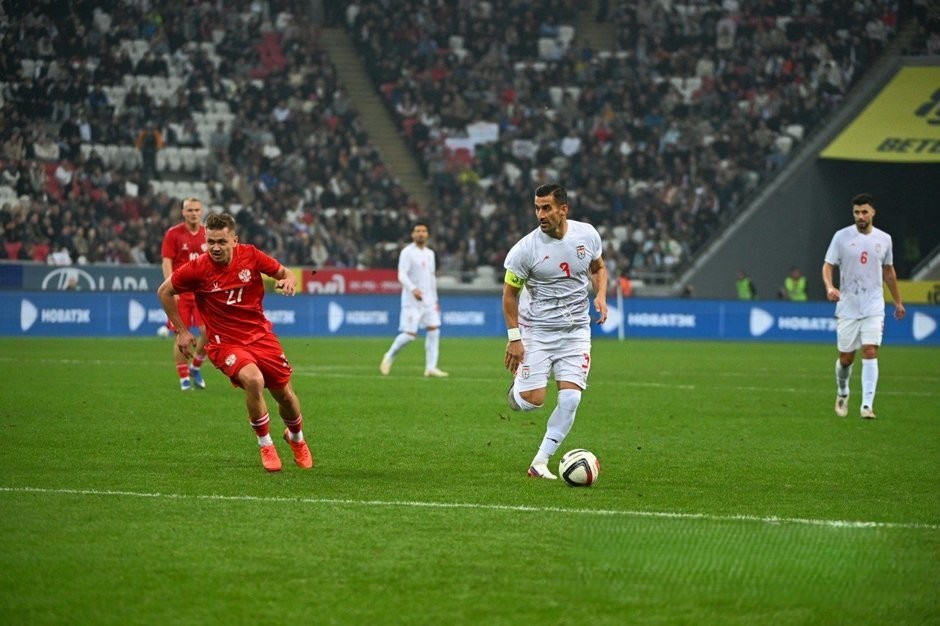
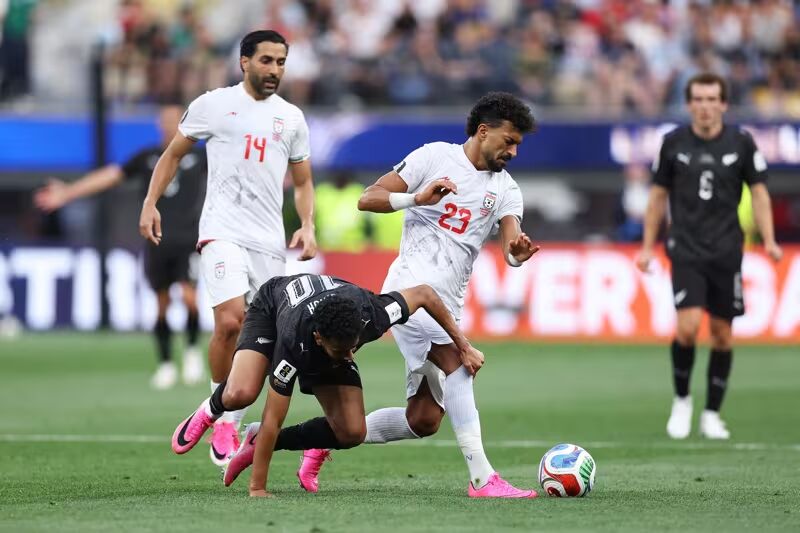
One can quibble with the technical quality of Iran’s players in their three-draw performance at this World Cup, but they certainly ran. Team Melli flew headlong into challenges, aggressively closed down passing lanes, threw themselves at anything that even looked like it might eventually make it towards their goal. Iran played tough, but fair. They won fans from Mexico to Seattle, and between those major efforts and their self-applied label as the “most oppressed” team in the tournament, it wasn’t hard to see why.

But were they fearless, really? For crucial periods, including most of the second half against Egypt, it seemed Iran barely wanted to attack at all. Iran were up a man for 24 minutes against Belgium and rarely threatened. They allowed a New Zealand team ranked more than 60 spots below them to dictate the terms of that opener. When waves of attacks came in all of these, it was often at the very end, as if they were driven by fear, not playing free of it.
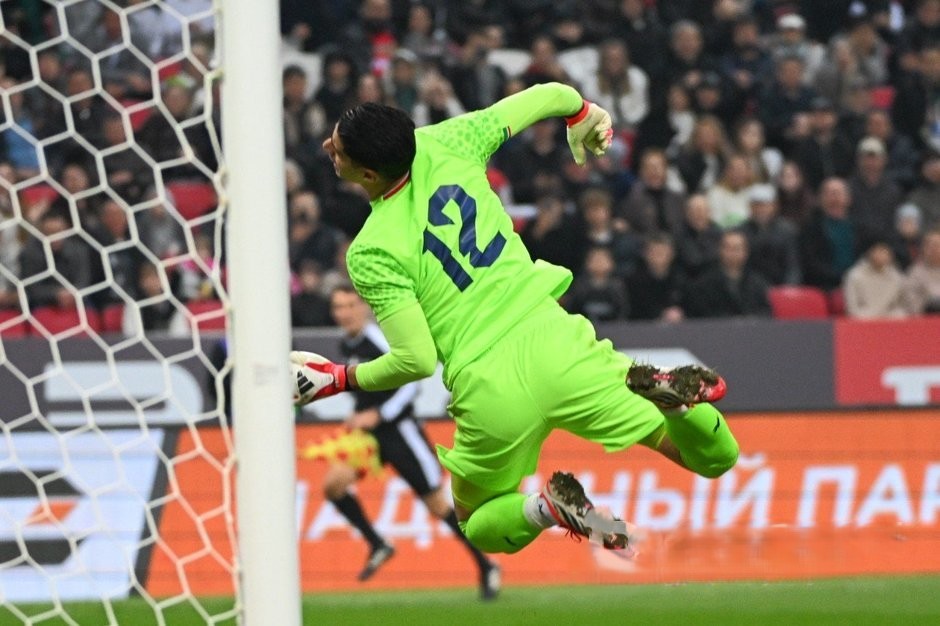
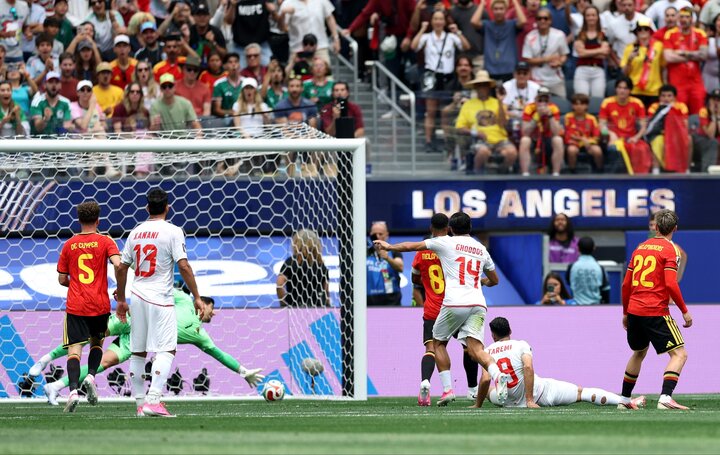
Ultimately, Iran allowed their World Cup hopes to be determined by the closest of calls. A winning goal against Egypt by Shojae Khalilzadeh, ruled out for offside. Another winner by Taremi against Belgium, ruled out for offside. Taremi’s missed penalty and Saeid Ezatolahi’s header off the crossbar, both against Egypt.
“For a few centimeters, five centimeters, 10 centimeters, 30 centimeters, not even a meter, these goals were ruled out,” head coach Amir Ghalenoei lamented after Friday’s result. “I’m just unhappy and upset at the bad luck.”
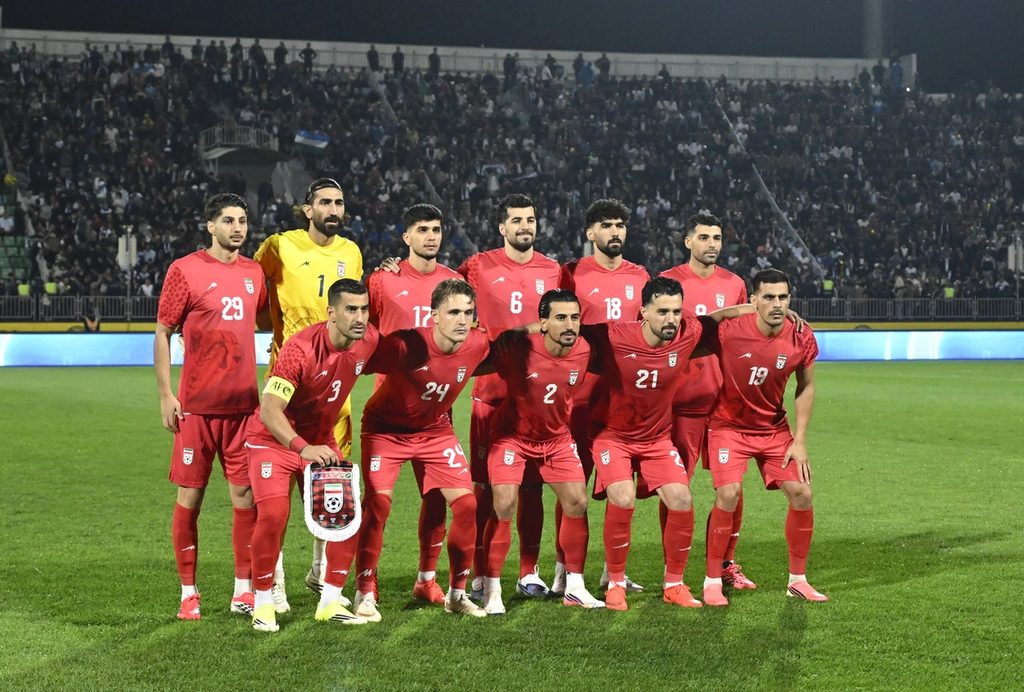
One would think a team with this much experience would know better. Iran were the second-oldest team at this World Cup, with the most players aged 30-plus of any side. This was a generation of players who hoped to advance to the knockout round for the first time in Iran’s history. Instead, their legacy will be even more heartbreak.
“I do not understand what is wrong with our football,” Ramin Rezaeian said on Friday, after the draw with Egypt took the team’s fate out of their hands. “At the end, [I am] just apologizing to my people in Iran, because they deserve more happiness.”
Perhaps they simply did not have the energy to attack. After all, their World Cup had been a “disaster”, striker Taremi said on Friday, once again remarking to journalists about the injustice of being made to leave a match on match night, usually a few hours after the final whistle.
“We don’t have [a chance to do] recovery, we don’t have any logistics people here to help us,” Taremi said. “We always complain about these things, but no one helps. No one.”
On Saturday, the help also failed to come on the field.


MAN OF THE MATCH MVP
Despite playing in the second half, Rezaeian made a lot of difference as he defended and attacked at well from the left flank. He assisted the first goal while scoring the second. He remains one of the few reliable and dependable players of the old team who will undoubtedly be an asset to Ghalenoei.
THE DUISSPAONTMENTS.
Mehdi Taremi is going through a rough time both at the club and country levels. It is probably the curse of the World Cup. His performance against Kenya was rusty, profligate, and uncertain. Jahabnbakjsh is also another player that is finding it hard to repeat his fine standards of a few years back. Although some excuse may be given for the fact that he is recovering from an illness. Every player selected for a national team is scrutinized analyzed and given thorough tests before selection. That is a forgone conclusion, however, the selection is Shahriyar Moghanlou is an enigma! Although his record with Sepahan is not that bad, in the two matches he played so far and was given a lot of minutes by Ghalenoei, this forward has shown nothing to suggest that he is even an average bench player for Team Melli let alone a starter. Could it be a psychological hurdle or something else? Whatever the case, his case needs to be seriously reconsidered with so many promising young players waiting in the wings for their chances.
ATTITUDES, AGAIN
Once again Team Melli players showed a certain lack of discipline and discipline that cost them a gaol and perhaps could have cost them the match. The constant falling to the ground for the slightest of contacts has become a trend in Iranian football. Sohrabian was guilty of losing his balance and then waving for a foul in the event that led to the Kenya goal. However, the culprit of the match was Mohammad Mohebbi who fell to the ground in at least 5 tackles, of which the referee only whistled for him once only. Although Taremi, is so famous for simulation in Portugal, in fairness did not resort to this in today's match, this trend championed by Mehdi Taremi is highly criticized in Portuguese media. Unfortunately, it is quietly glorified by Iranian media labeling such antics as smart and wins penalties for his team.
Rouzbeh
Mehdi
Sardar
Ali
Mehdi 
Ali G
Ramin
Alireza 
Saeid
Majid Hosseini: More confident and less error-prone. He combined with Pouralganji to create a solid wall in front of Hosseini preventing the Welsh penetration from the heat of the defense. 7.70
Ahamad
Hossein
Milad
Morteza