Tag: Amir Ghaleneoi

Team Melli Falls to Nigeria in Antalya Friendly: Progress Evident, but Flaws Persist

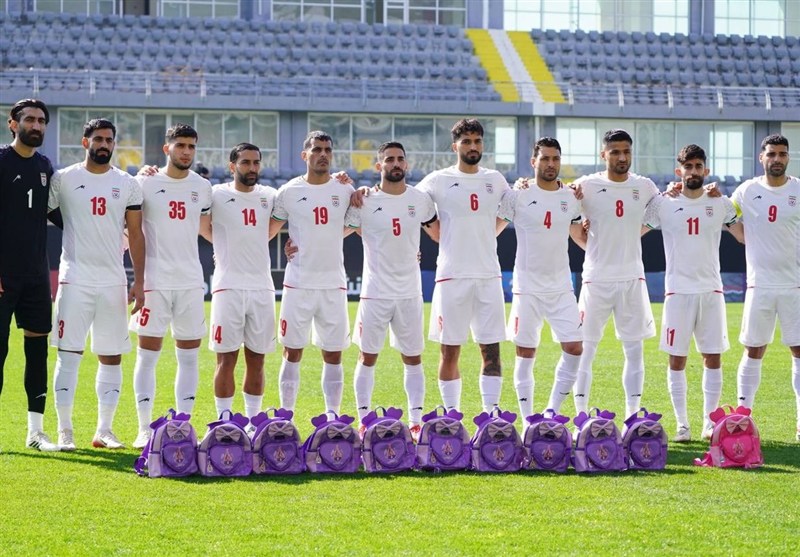
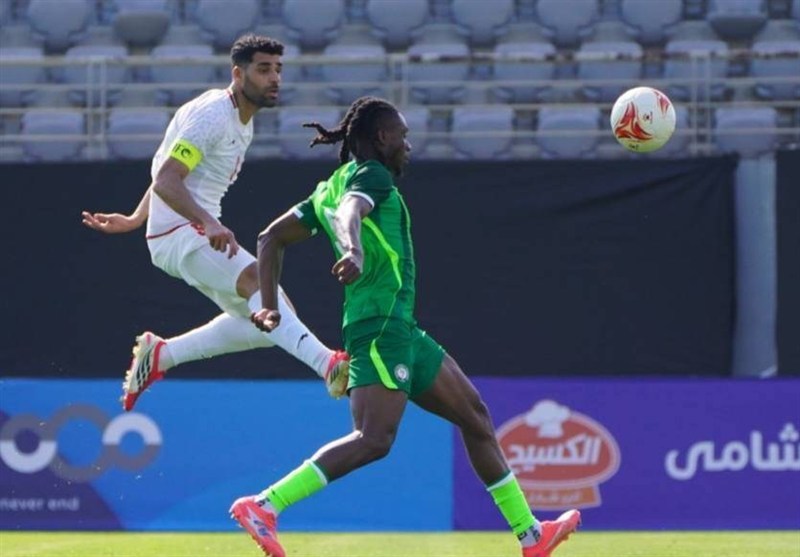
In their first international friendly of 2026, Team Melli suffered a narrow 2-1 defeat to Nigeria at the Mardan Stadium in Antalya. Goals from Moses Simon (7’) and Akor Adams (51’) secured the win for the Super Eagles, while Mehdi Taremi scored the lone consolation for Iran in the 67th minute.

The match served as a crucial test for Iran as they resumed preparations for the upcoming World Cup, following a lengthy break from international action. While the final score favored the Africans, the performance offered a mixed bag for head coach Amir Ghalenoei. Despite playing the more cohesive brand of football for large stretches, familiar shortcomings ultimately undermined the result.

Defensive Lapses Prove Costly

The two goals conceded highlighted ongoing concerns at the back, stemming from individual errors rather than systemic breakdowns. Veteran defender Hossein Kanani and Ali Nemati were culpable on the day, with each making costly mistakes that Nigeria ruthlessly exploited.

Tactical Shift Shows Promise

In a bid to inject more attacking impetus, Ghalenoei shifted to a three-man defensive line, deploying a 3-5-2 formation. The tactical adjustment allowed wing-backs Milad Mohammadi and Arya Yousefi to operate as advanced wide midfielders, a change that yielded positive results. Mohammadi, in particular, was a livewire on the left flank; one surging dribble saw him carve through the Nigerian defense to the byline, only for his cut-back to miss , Mohebbi , its intended target by inches inside the six-yard box.

Midfield Control but Attacking Frustration

The midfield trio functioned effectively, with Saman Ghoddos pulling the strings as the deep-lying playmaker. His intelligent distribution provided the platform for the advanced movements of Ghorbani and Ali Gholizadeh.

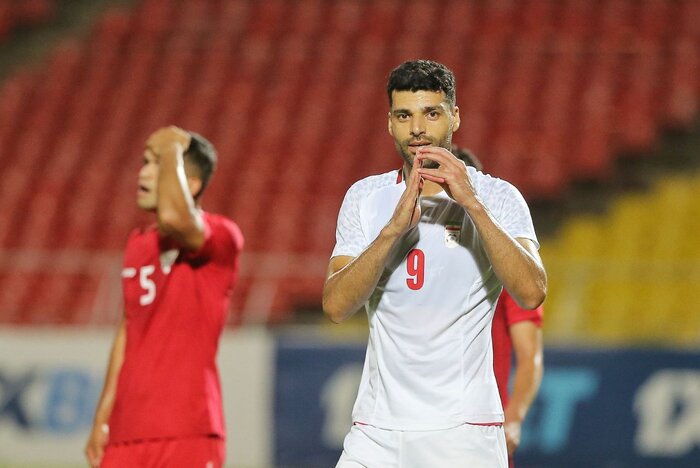
However, the offensive duo of Mohammad Mohebbi and Mehdi Taremi struggled to find consistent chemistry. Taremi, despite converting Iran’s only goal, delivered a performance that raised concerns. The veteran striker appeared sluggish and was frequently seen appealing for fouls rather than maintaining possession. Whether the issue is a lack of match fitness or a tendency to over-dramatize contact, Taremi’s physical edge, a hallmark of his game, was notably absent.

The second half represented Iran’s best period of the match. They controlled the tempo and created the better chances, yet once again fell victim to a recurring problem: poor finishing. What could have been a winning half instead became a frustrating reminder of the team’s inability to capitalize on momentum.

Lingering Concerns Ahead of the World Cup

Despite the encouraging overall display against a strong African side, the friendly illuminated several critical areas requiring immediate attention. Chief among them is the lack of clinical execution in the final third. Whether it is the weight of the final pass, the composure in front of goal, or the accuracy of the shot, this essential skill set remains alarmingly deficient.

Furthermore, questions linger regarding squad composition. The team’s discipline, on-field body language, and the advanced age of the core squad cast doubt on their ability to withstand the physical demands and high-pressure environment of the World Cup. If Iran is to compete on the global stage, addressing these vulnerabilities will be as crucial as refining the tactical framework that showed flashes of promise against Nigeria.

Ghalenoei Unveils 35-Man Squad for March Friendlies; Team Melli Prepares Amidst Turbulent Times.

Team Melli travels by road to Van , Turkey.

As Iran continues to face relentless Israeli/American military aggression, including direct strikes on its territory, civilian targets such as a Girls school and the assassination of its leaders, military commanders, and nuclear scientists, the national football team is preparing to navigate a complex path forward.
Head coach Amir Ghalenoei has announced a 35-man preliminary squad for the upcoming March training camp and two high-profile friendly matches against Nigeria and Costa Rica. The camp, set to commence in Turkey, represents a crucial step in Team Melli’s preparation for the future, even as the nation endures one of the most volatile periods in its modern history.

The announcement comes as Iran remains under sustained attack, making logistics quite a complicated task. Economic and military sanctions have further strangled infrastructure, and the sports sector has not been immune to these pressures.

In this context, Team Melli’s activities abroad are not merely logistical exercises; they are acts of resilience. The decision to hold the camp and matches in Turkey is a direct result of the security situation. With the nation under bombardment and airspace frequently compromised, hosting international teams inside Iran is currently impossible. The federation’s ability to arrange fixtures, secure flights, and guarantee the safety of players and staff has been severely tested by the twin pressures of war and sweeping sanctions.

The Squad: A Blend of Veterans and a High-Profile Debut

Ghalenoei’s roster reflects a strategy of continuity, veteran players, and the integration of some fresh talent. The squad is headlined by the return of out-of-favor Mehdi Torabi , Ehsan Hajsafi and the introduction of a dual citizen Iranian. Dennis Eckert.

There are several significant talking points in this squad, the most important of which is the exclusion of top scorer Sardar Azmoun for allegedly posting a picture with the ruler of Dubai in his social media post. Also, the first-ever call-up for Dennis Eckert, the 29-year-old Iranian-German forward currently plying his trade for Standard Liege in Belgium. Eckert, who is eligible to represent Iran through his heritage, has been granted the necessary permits from FIFA to switch his international allegiance. His inclusion is seen as a major coup for the federation, adding a powerful, physical presence to the forward line. Eckert’s ability to operate as a central striker or on the wing provides Ghalenoei with tactical flexibility against physically robust opponents like Nigeria.

The full 35-man squad is as follows:

  • Goalkeepers: Alireza Beiranvand, Seyed Hossein Hosseini, Payam Niazmand, Mohammad Khalifa.
  • Defenders: Ali Nemati, Hossein Abarghouei, Shoja Khalilzadeh, Saman Fallah, Mohammad Hossein Kanaanizadegan, Danial Iri, Ehsan Hajsafi, Milad Mohammadi, Abolfazl Jalali, Saleh Hardani, Ramin Rezaeian, Danial Esmaeilifar.
  • Midfielders: Saeid Ezatolahi, Mohammad Ghorbani, Omid Noorafkan, Saman Ghoddos, Amir Mohammad Razzaghinia, Mohammad Mohebi, Mehdi Ghayedi, Mehdi Torabi, Hadi Habibinejad.
  • Forwards: Mehdi Taremi, Amir Hossein Mahmoudi, Alireza Jahanbakhsh, Ali Gholizadeh, Mehdi Hashemnejad, Ali Alipour, Shahriyar Moghanlou, Ehsan Mahrougi, Amir Hossein Hosseinzadeh, Dennis Eckert.

The Matches: A Litmus Test Amidst Isolation

Team Melli is scheduled to face Nigeria (March 27) and Costa Rica (March 31) in Antalya, Turkey. These fixtures are considered a significant upgrade in opposition quality compared to many of Iran’s recent friendlies, which have been difficult to arrange due to the country’s political isolation.

The match against Nigeria, one of Africa’s powerhouses, will serve as a physical and tactical litmus test. The Super Eagles possess blistering pace and individual brilliance, mirroring the style of some Asian opponents while presenting a higher intensity. The game against Costa Rica, a team renowned for its defensive organization, will offer a different challenge, simulating the type of low-block defenses Iran often struggles to break down in Asian competitions.

For Ghalenoei, whose position is often a subject of intense public debate, these matches are an opportunity to demonstrate progress against top-tier opposition. The results, while secondary in friendlies, carry psychological weight for a nation seeking moments of pride and normalcy amidst the chaos of war.

Logistical Challenges Under Fire

The decision to hold the camp in Turkey is a pragmatic necessity born of crisis. Due to the ongoing bombardment of Iranian territory, the constant threat of further Israeli airstrikes, and the stringent enforcement of American-led sanctions, hosting international teams in Iran has become impossible. Turkey serves as the only viable logistical hub, allowing Iranian players based in Europe—such as Taremi, Ali Gholizadeh and Jahanbakhsh- to join the camp with minimal risk.

FFIRI has confirmed that news and images of the team’s preparations and departure will be disseminated through official media channels, attempting to maintain transparency and connect with a fan base eager for distraction from the relentless news of military strikes and regional escalation.


Conclusion: A Selection Defined by Caution, Not Courage

Ghalenoei’s 35-man squad lays bare the conservative philosophy that has come to define his tenure. Rather than using these friendlies—played under exceptional circumstances—as an opportunity to inject fresh blood into the national team, the head coach has doubled down on familiarity, leaning heavily on a core of aging veterans whose best years are behind them.

The inclusion of Shoja Khalilzadeh (37) , a controversial figure whose presence has often divided fans and pundits alike, alongside the returns of Ehsan Hajsafi (36) , Ramin Rezaeian (36) , and Alireza Jahanbakhsh (33) , speaks volumes. In the case of Jahanbakhsh, the call-up is particularly difficult to justify; he has been far from impressive while playing for a struggling club at the bottom of the Belgian league. These selections reflect a coach who prioritizes experience over form and familiarity over potential.

To be sure, Ghalenoei will have excuses at the ready. The suspension of domestic league matches has deprived him of a meaningful rhythm to evaluate younger talent. The broader dearth of high-quality options within the league, exacerbated by the suffocating geopolitical situation and the ongoing war that has disrupted every facet of Iranian life, has undoubtedly limited his pool. These are not trivial obstacles, and they will serve as convenient justifications should the team’s performances in Turkey fall short of expectations.

And yet, even accounting for these constraints, the squad reveals a deeper issue: a chronic lack of ambition from the coaching staff. Where a more daring manager might have used the chaos as cover to experiment and build for the future, Ghalenoei has clung to his policy of continuity regardless of circumstances. The result is a selection that feels safe to the point of stagnation.

More than a handful of players in this 35-man list have done little to earn their place on merit alone. Their presence suggests that Ghalenoei is content to ride or die with the old guard, using the league suspension and the regional crisis as a shield against criticism rather than a challenge to innovate.

In sum, this is a disappointing selection—not merely because of the geopolitical nightmare the nation is enduring, but because it reflects a coach whose perennial fear of risk continues to hold Team Melli back from the evolution it so desperately needs.

Internal Strife Threatens Iran’s World Cup Hopes


As the 2026 World Cup approaches, with just five months until the tournament kicks off, the Iranian national football team finds itself grappling not only with technical deficiencies but with a deeply concerning lack of unity—a stark contrast to the harmonious picture painted by head coach Amir Ghalenoei.

Despite repeated warnings from experts about persistent performance and management issues, Football Federation head Mehdi Taj has opted for stability, deciding to retain Ghalenoei. This move signals a clear departure from the federation’s previous approach, which saw the sudden dismissal of a successful Dragan Skocic, who led the team to qualification just before the final of the competition in Qatar in the 2022 World Cup. The message is clear: change is off the agenda, and Ghalenoei will remain at the helm regardless of the team’s precarious state.

The coach has consistently lauded the squad’s exceptional unity over the past three years. Recent events, however, reveal a troubling reality. Growing evidence suggests Ghalenoei may be papering over significant rifts within the Team Melli camp, with claims of solidarity appearing to exist only on paper.

A Public Feud Between Defensive Pillars

The simmering tensions erupted into public view following the Persepolis-Tractor match. Key defenders Shoja Khalilzadeh and Mohammad Hossein Kanaanizadegan, once close enough to call each other “brother”, have engaged in a bitter, public exchange of verbal abuses over minor on-field incidents. This discord is not isolated; similar altercations occurred during the match against Mes Rafsanjan. The rift has grown so severe that videos of the two players “unfollowing” each other on social media have circulated online, fanning flames among supporters and poisoning the team atmosphere.

Beyond the Pitch: Players in the Political Fray

The issue extends beyond a personal feud. These experienced players have entangled themselves in the federation’s political battles, notably the ongoing dispute between businessman Mohammad Reza Zenozi and Mehdi Taj. Instead of focusing on defensive coordination, they have each seemingly aligned with opposing factions, a glaring misstep that highlights a severe lack of managerial control and player discretion.

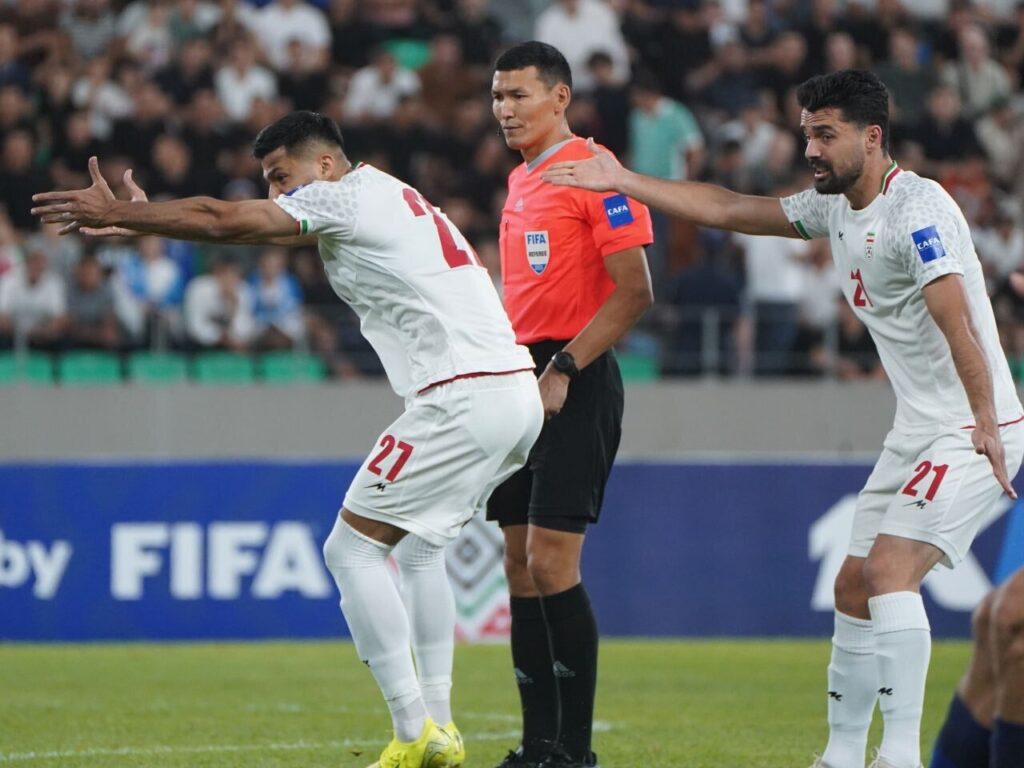
Their conduct is, unfortunately, characteristic. Both Khalilzadeh and Kanaanizadegan have histories of controversy, abusive, and unprofessional behavior, marked by petulance and unpredictability. At the national team level, Ghalenoei has proven to be a poor disciplinarian, a fact underscored after the Uzbekistan match when star forward Mehdi Taremi bluntly walked away from the coach who was attempting to speak with him. This culture of impunity is pervasive, with disciplinary committees at both club and federation levels often acting as mere formalities rather than enforcing regulations strictly.

A Dire Warning with the World Cup Looming

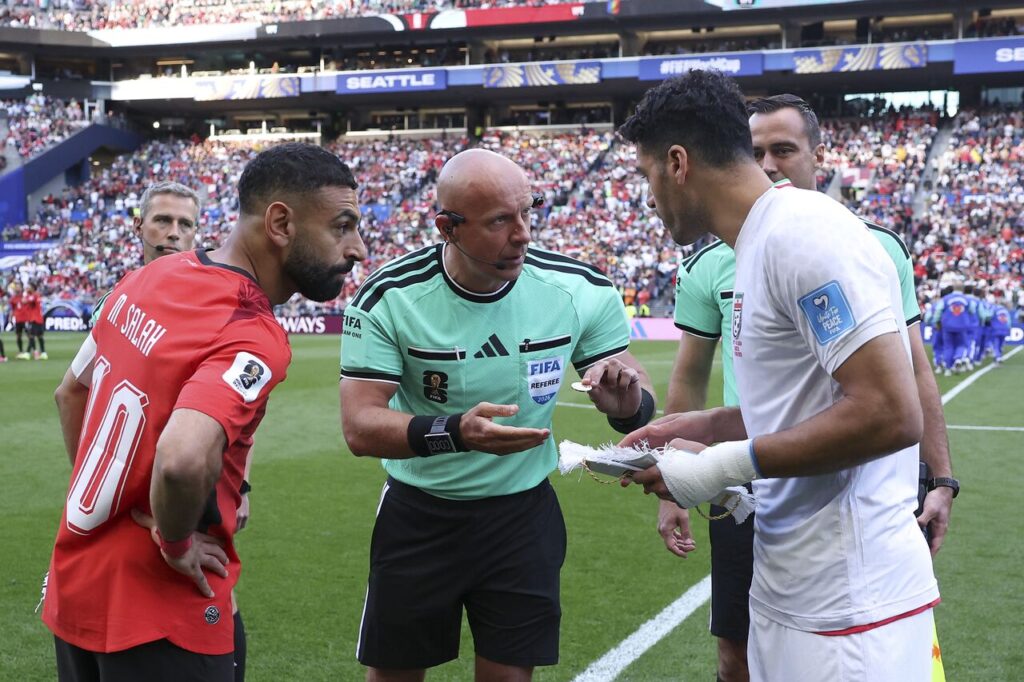
Drawn into a challenging Group G alongside Belgium, Egypt, and New Zealand, Iran faces an uphill battle. The internal disputes, managerial indecisiveness, and the divisive behavior of key players present a serious threat to the team’s World Cup campaign.

Retaining Ghalenoei without addressing these foundational issues—particularly the breakdown of locker room discipline and the dangerous blurring of lines between playing and political roles—risks catastrophic consequences. It threatens not only Iran’s performance on the world’s biggest stage but also the credibility and honor of Iranian football itself.

Ghalenoei and Ghoddos on touchline

Taremi’s Unauthorized Penalty Decision Sparks crises in Team Melli dressing room.

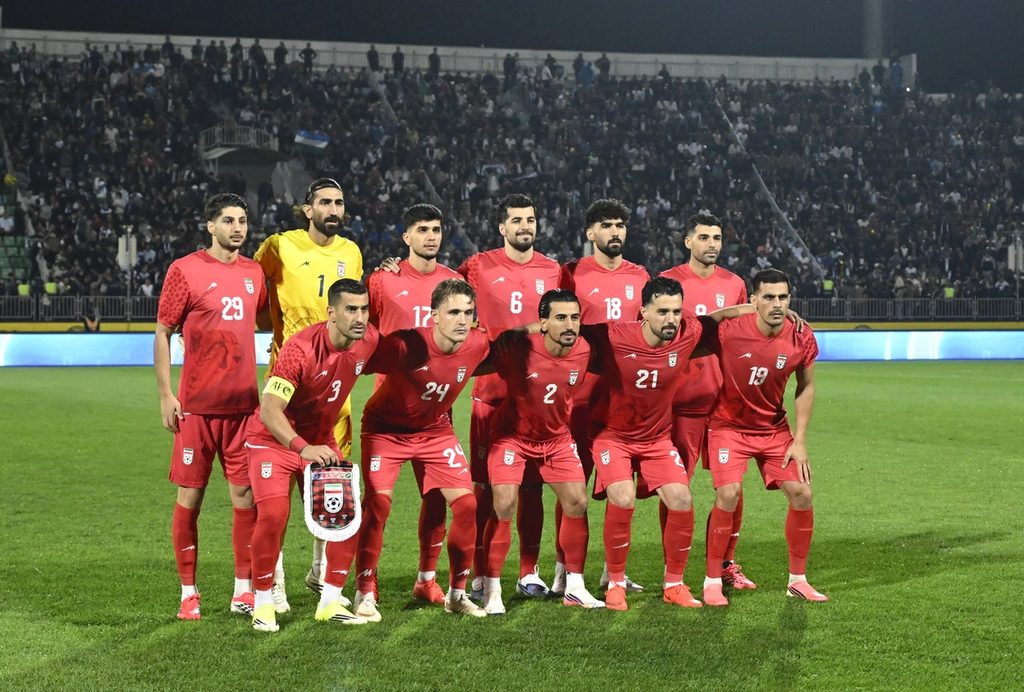
A controversial incident involving captain Mehdi Taremi has overshadowed Iran’s penalty shoot-out defeat to Uzbekistan in the final of the Al-Ain International Cup. Contrary to the coaching staff’s explicit plans, Taremi unilaterally decided not to take the team’s fifth and crucial penalty, instead assigning it to defender Milad Mohammadi, who subsequently missed with an amateurish kick.

While a loss in a friendly match is often dismissed as inconsequential, Taremi’s act of insubordination—overriding the coach’s direct orders—has raised significant alarms within the national team. The financial implication of forfeiting the tournament’s prize money further compounds the seriousness of the defeat.

According to an ISNA report, the conflict erupted immediately after the match when a furious head coach, Amir Ghalenoei, confronted Taremi on the pitch. The confrontation escalated in the locker room, where Ghalenoei severely criticized his captain for what he deemed an arbitrary and costly decision.

In an attempt to justify his actions, Taremi stated to the media in the mixed zone that his reason for not taking the penalty was to “give other players a chance to gain experience.”

However, this justification has been met with widespread skepticism. Even if well-intentioned, it is widely viewed as a feeble, poor judgment and an unreasonable excuse for such a critical, game-deciding moment. Making a significant tactical change without the coordination and approval of the head coach is a clear breach of protocol. The established procedure in football grants the head coach and his staff the final say on penalty takers, a decision based on training data, player psychology, and in-game conditions. While a captain may offer input, the ultimate authority rests unequivocally with the coach.

Taremi’s actions constitute a direct challenge to the coach’s authority. This move not only undermines the credibility of the technical staff but also sets a dangerous precedent for player insubordination, creating a crisis of leadership that extends far beyond the result of a single friendly.

In light of this incident, Taremi’s captaincy is now seriously in question. His blatant insubordination against Uzbekistan, coupled with a perceived general lack of leadership on and off the field, has eroded his standing. With Taremi’s own form also a subject of widespread media criticism, the under-pressure and reportedly furious Ghalenoei may have no choice but to consider an alternative for the captain’s armband to reassert his authority and stabilize the squad.


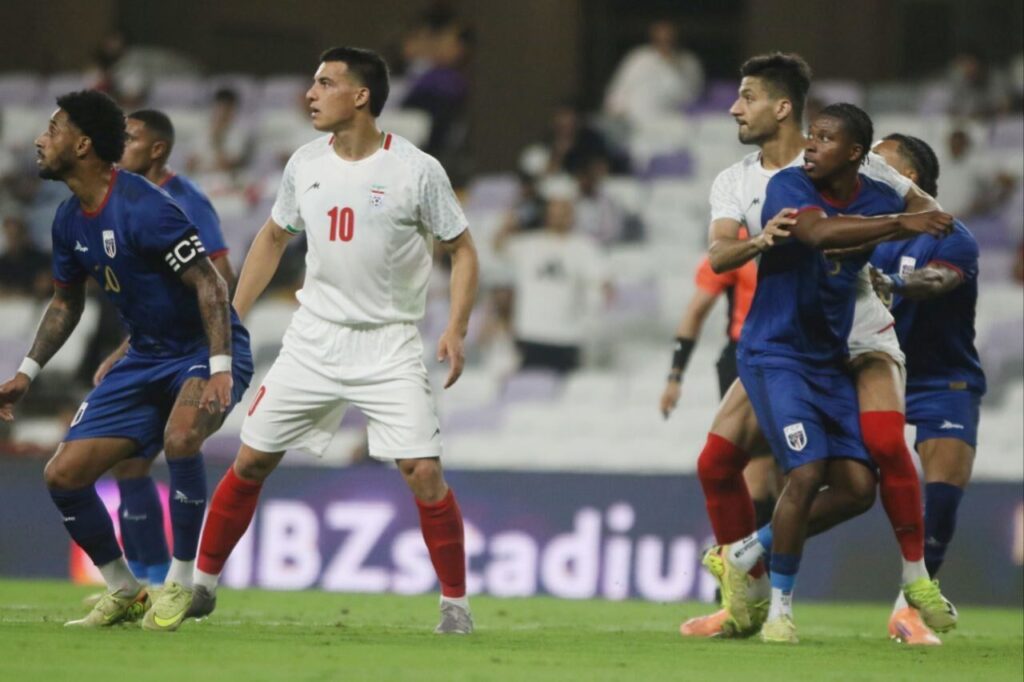
Iran 0-0 Cape Verde. Issues Under Ghalenoei persists

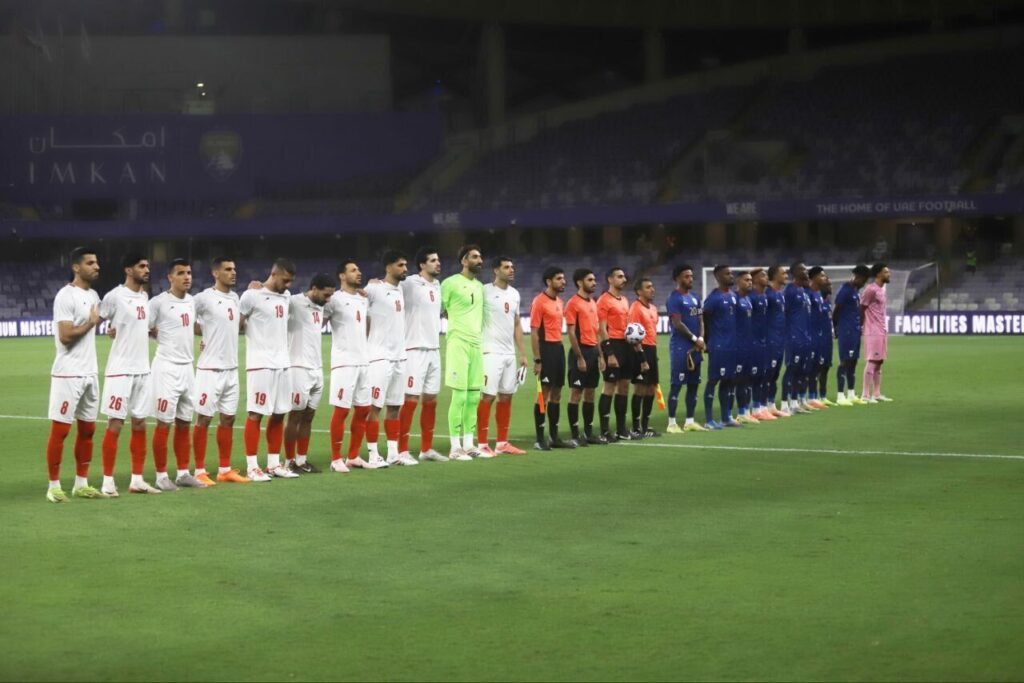
Al Ain, UAE – In another underwhelming performance that has become characteristic of the Amir Ghalenoei era, Iran’s national football team struggled to a goalless draw against World Cup debutants Cape Verde in the Al Ain International Cup on Tuesday. The match, which required a penalty shootout to determine progression, saw Alireza Beiranvand emerge as the unlikely hero with a crucial save that secured Iran’s place in the final.

Tactical Deficiencies Laid Bare

From the opening whistle, the African archipelago nation—ranked 71st in the world—seized control of the match, forcing Team Melli into a defensive posture that has become all too familiar under Ghalenoei’s leadership. While Cape Verde demonstrated why they earned their historic qualification for the 2026 World Cup, their lack of clinical finishing spared Iran from what could have been an embarrassing defeat.

The tactical approach from the Iranian side raised serious questions about Ghalenoei’s footballing philosophy. Team Melli reverted to what has become their default strategy: route-one football characterized by long balls launched from defense toward the forward line. This simplistic approach consistently failed to yield results, primarily due to the glaring absence of pace in Iran’s attacking third.

Second-Half Glimmer Quickly Extinguished

The second half offered marginal improvement, with Iran creating two clear opportunities to break the deadlock. The most notable chance came when Ezzatollah found himself with an open goal, only to see his effort miraculously cleared off the line by a Cape Verde defender’s heroic header. This moment encapsulated Iran’s ongoing struggles in front of the goal, an issue that has plagued the team throughout Ghalenoei’s tenure.

Individual performances further highlighted the team’s decline. Hosseinzadeh, typically a creative spark, delivered a subdued performance that warranted his substitution. Mehdi Taremi, expected to lead the line, endured another forgettable outing in what is becoming a worrying pattern of underperformance. The midfield unit operated on the periphery of the game, failing to establish control or provide meaningful service to the attackers.

Defensive Solitude in a Sea of Mediocrity

Ironically, Iran’s defenders emerged as the team’s strongest performers—a damning indictment of the overall team display when facing a nation ranked 41 places below them in the FIFA rankings. That the backline stood out as the brightest aspect of Team Melli’s performance against Cape Verde underscores the alarming regression of a team that once commanded respect in Asian football.

Ghalenoei’s Post-Match Narrative Defies Reality

Following the match, Ghalenoei continued his pattern of fact-twisting statements that have become hallmarks of his press conferences. Rather than addressing the evident tactical shortcomings and lack of coherent gameplay, the coach opted to glorify what he described as a “disciplined performance” , a characterization that starkly contradicts the reality witnessed by spectators and analysts alike.

The persistence with broken tactical approaches and the refusal to adapt to opponents’ strengths has become a defining feature of Ghalenoei’s leadership. His post-match explanations increasingly resemble exercises in denial rather than genuine assessments of performance.

World Cup Prospects Look Bleak

With the 2026 World Cup expanding to 48 teams, Iran’s qualification prospects should theoretically be more favorable. However, recent performances and especially Thursday’s performance against Cape Verde raise serious doubts about whether Ghalenoei possesses the tactical acumen to navigate even this more accessible pathway. The team’s steady decline under his guidance suggests that Iran risks becoming mere participants rather than competitive forces in global football’s premier tournament.

The technical deficiencies, an aging team, lack of creative solutions, and persistent reliance on outdated tactical approaches paint a worrying picture for Iranian football. As the team prepares to face either Egypt or Uzbekistan in the final, the fundamental questions surrounding Ghalenoei’s leadership remain unanswered—and indeed, grow more urgent with each disappointing performance.

The victory in penalties may have secured progression, but it did little to mask the systemic issues that continue to undermine Iranian football. For the growing number of critics, this match served as further evidence that a change in direction may be necessary before the team’s decline becomes irreversible.