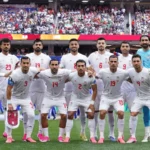
Tag: Sofi Stadium

‘Our team is the most oppressed’: Iran coach hits out at FIFA and US over treatment

The Guardian
Story by Alexander Abnos and Ben Fisher at Los Angeles Stadium

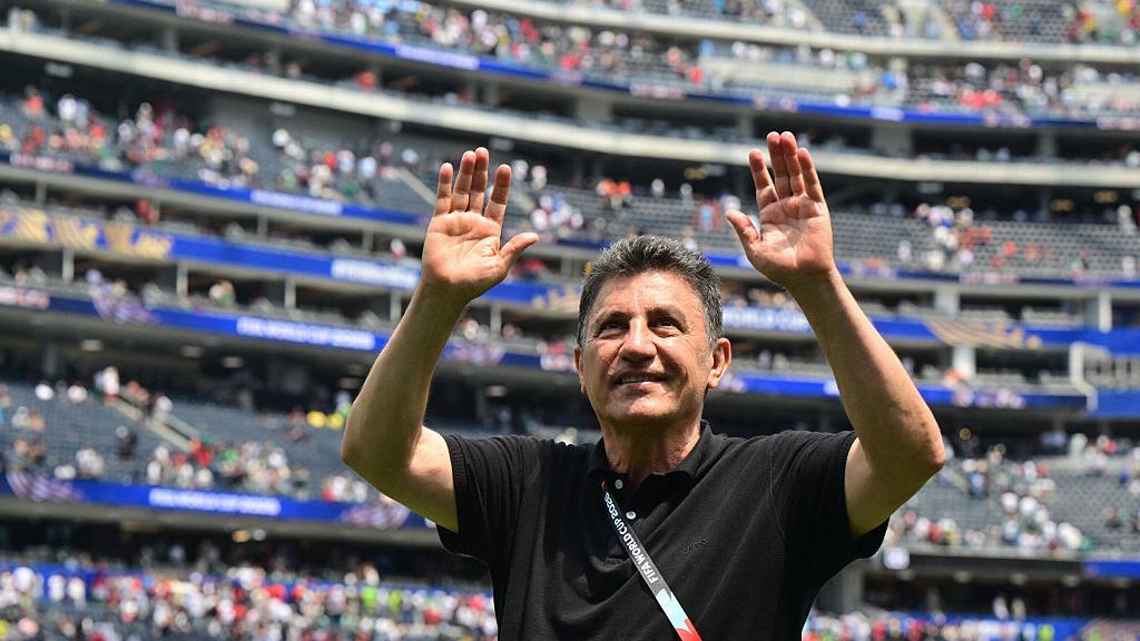
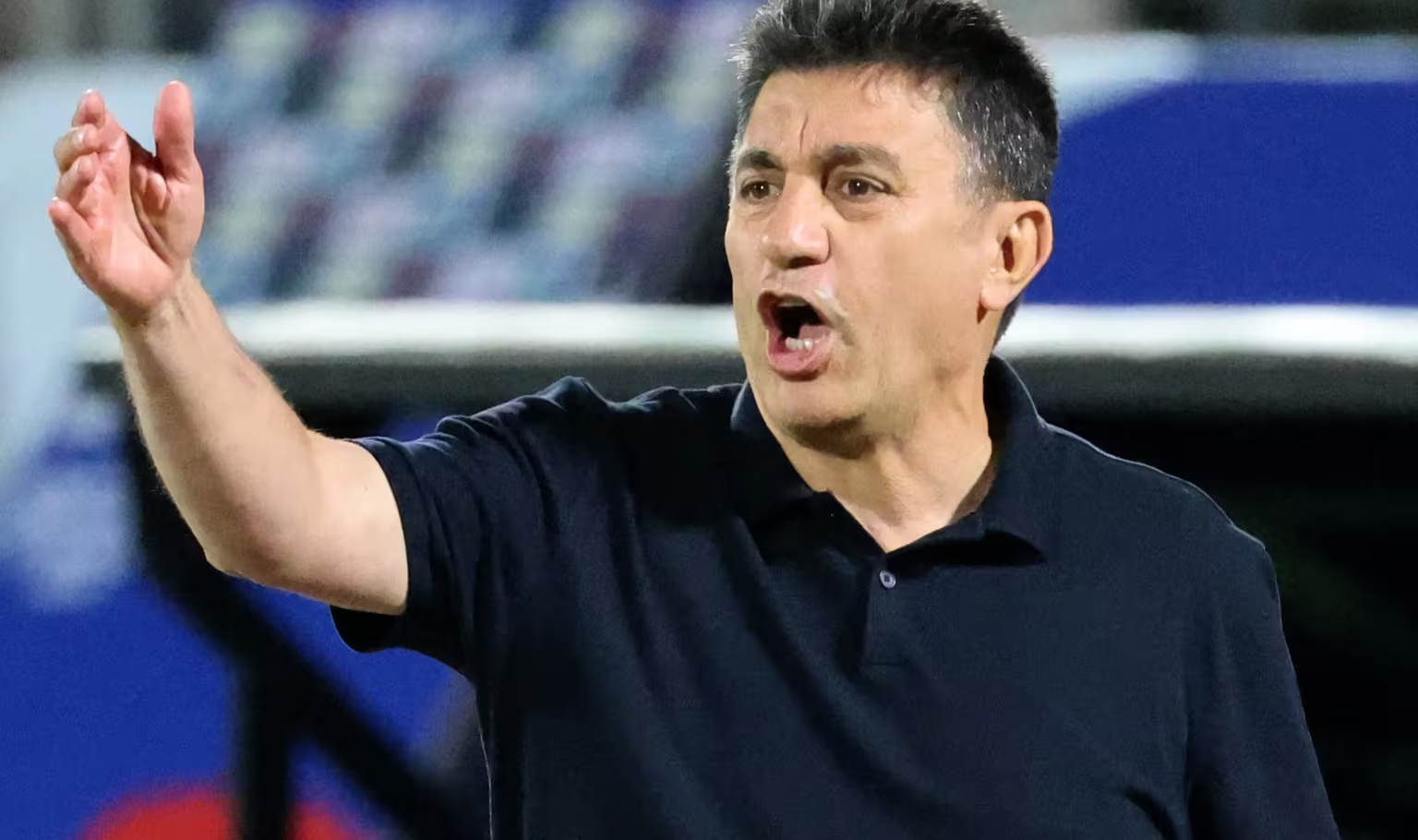
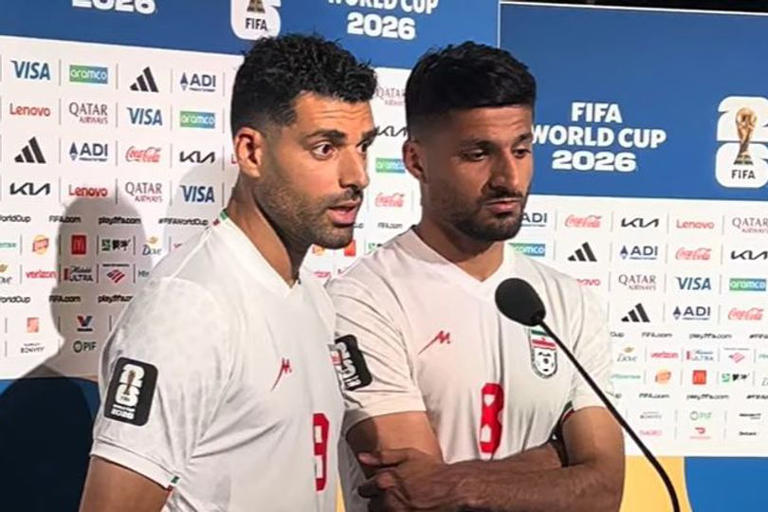
The Iran captain, Mehdi Taremi, midfielder Mohammad Mohebi, and the head coach, Amir Ghalenoei, hit out at Fifa and hinted at resentment toward the US government after being told they needed to leave Los Angeles ­immediately after Monday night’s 2-2 draw against New Zealand.

“Everything is like disaster for us,” said Taremi, who added that the Fifa president, Gianni Infantino, visited the team in the dressing room and they expressed their concerns to him directly.

Related: Iran twice come from behind to claim draw in World Cup opener with New Zealand

Ghalenoei said Iran’s treatment by Fifa makes them “the most oppressed” team at the tournament. “After the game today they said to us: ‘You have to leave immediately.’ Whereas it’s very important for us to have recovery.

“We’ve been asked to get on a plane and return to our camp in Tijuana and we are really troubled by that. They are forcing us to go back early. They are making the situation more and more difficult, more hurdles, but we’re not going to let that stop us from doing our best.

“We don’t know why they’re returning us. It’s very strange. It seems like others are doing the ­planning for us … We were ­supposed to arrive two nights before the game but they didn’t permit [it]. We were supposed to stay here tonight to recover and return tomorrow lunchtime.

“Our team is the most oppressed one in the whole World Cup. Our federation isn’t here, our media isn’t here, our management isn’t here.”

Infantino went into the Iran ­dressing room after the game and a video of his message to the squad was shared online, in which Infantino and Ghalenoei exchanged words, via a member of staff translating.

“You showed to your families, friends, to your people, to the world, that you’re in the World Cup, that you perform and you have two more games to go,” Infantino said. “In these two games you will make again ­everyone in the world proud of what you do. Thank you for being here.

“It is also a big, big emotion. I know what you go through, I understand, but you are stronger than everything. You send a strong message to the entire world. You united the whole stadium here, you united the whole stadium behind you, behind Team Melli. You are sending such a strong message to the world.

“Let me say one more thing: this is just the beginning of the World Cup. You are writing history, the whole world is watching you. Continue to play with your heart, for your ­people, your families, for your fans and for everyone in the world that is ­falling in love with Team Melli. You are stronger than everything.”

Taremi criticised a logistical ­situation that has meant the team was forced to abandon their planned training base in Tucson, Arizona weeks before the tournament, instead training across the border in Tijuana, Mexico and flying in to the US shortly before games.

The team moved its training base to avoid immigration concerns that turned out to be well founded. After arriving in Mexico, 15 of the team’s support staff were denied visas to enter the US, where all of Iran’s group stage games are taking place. That number was later reduced to 11 after some visas were approved.

The team arrived in Los Angeles minus both their media officers, some analysts and the federation ­president, Mehdi Taj. Another analyst for the team served as a stand-in media aide for Taremi and Mohebi’s appearance, which a Fifa official repeatedly attempted to stop as both players ­continued answering questions.

Related: World Cup 2026: Iran begin disrupted campaign with draw against New Zealand – in pictures

“It’s not good for the football,” Taremi said. “In [the] World Cup, you have to prepare [well] for the next game, which is a lot of stress for the players and the staff and everyone. But we don’t have that support and Fifa have to help us more than this. Let’s see what’s going to happen in the future.”

Iran faced delays in their travel from Tijuana to Los Angeles, a short trip that Taremi said took five hours. He did not specify what caused the delays, but it was understood the immigration process was the main cause. Taremi and Mohebi said being forced to leave immediately afterward would negatively affect the players’ performance at the tournament.

“It’s supposed to be: tomorrow morning recovery, then we fly to Tijuana, then we return to LA again, but right now we have to go back,” Taremi said. Mohebi added: “Yesterday we came, started the trip in the morning, and we arrive [in the] afternoon. We directly go to train and we get tired. This kind of deal is not fair … we’re going to get fatigued – hamstring, lower back, glutes …”

In contrast, Ghalenoei praised the warmth of co-hosts Mexico and many Mexicans were in attendance supporting Iran at the Los Angeles Stadium. “The Mexican people, the Mexican government, especially the people in Tijuana, made us feel at home,” he said.


The Draw against New Zealand: Promise and Concerns.

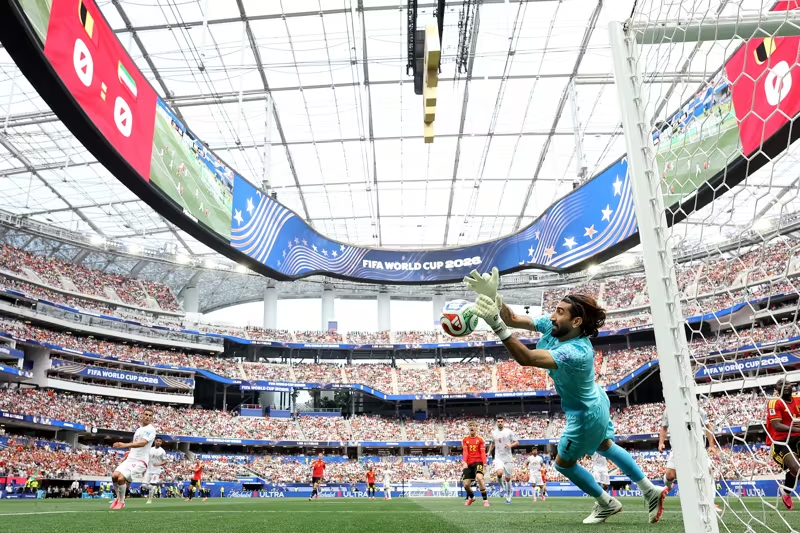
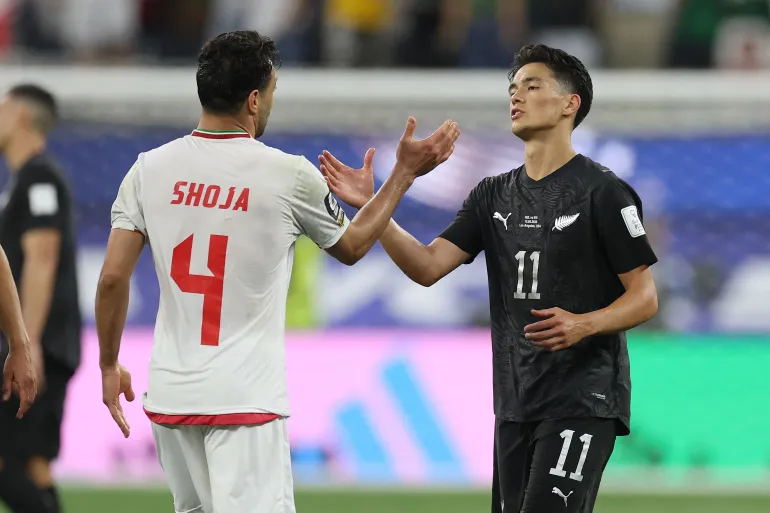
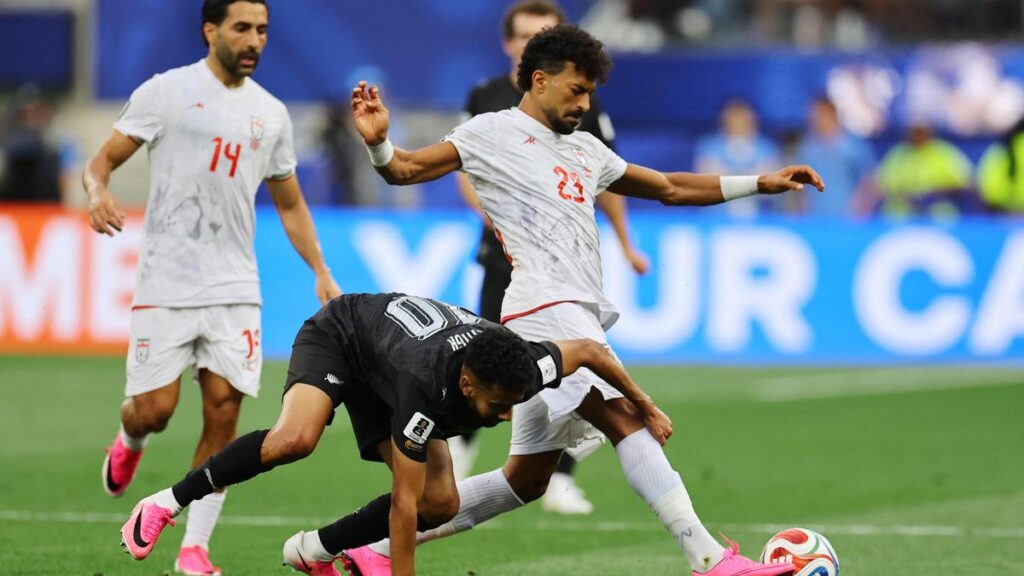
Team Melli began their 2026 FIFA World Cup campaign with a 2–2 draw against New Zealand in Inglewood, Los Angeles, a result that offered both promise and concern for Iranian fans.

The match was notable for several reasons, not least the starting lineup chosen by head coach Amir Ghalenoei. He unveiled a formation rarely seen in public with Team Melli with 5 defenders. The lineup featured right-back Aria Yousefi and striker Shahriar Moghanloo, a late addition to the 33-man squad in Turkey, in the starting XI. Yousefi, deployed out of his natural position, struggled to make an impact. Moghanloo, however, exceeded expectations. Despite displaying some raw technical deficiencies, the forward’s physical presence, work rate, and willingness to press and challenge for duels made him a persistent nuisance for the New Zealand defense. While his inclusion has drawn criticism from some quarters, his performance suggested he could offer a unique attacking option, provided he continues to develop his link-up play and decision-making in the final third.

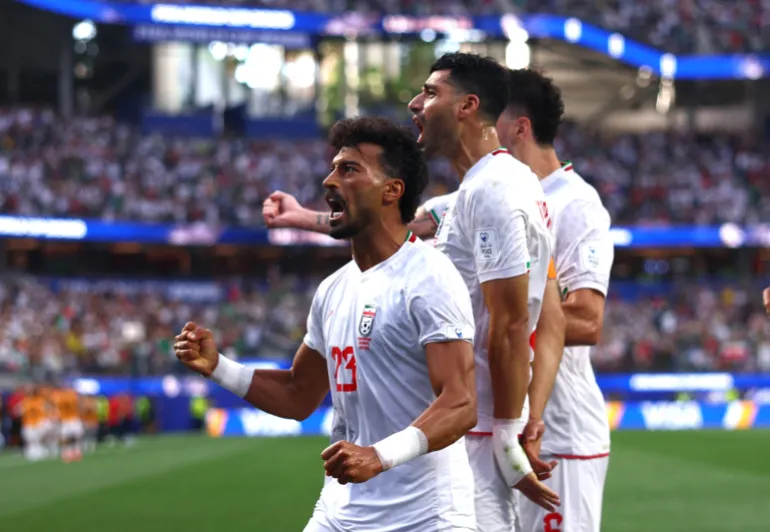
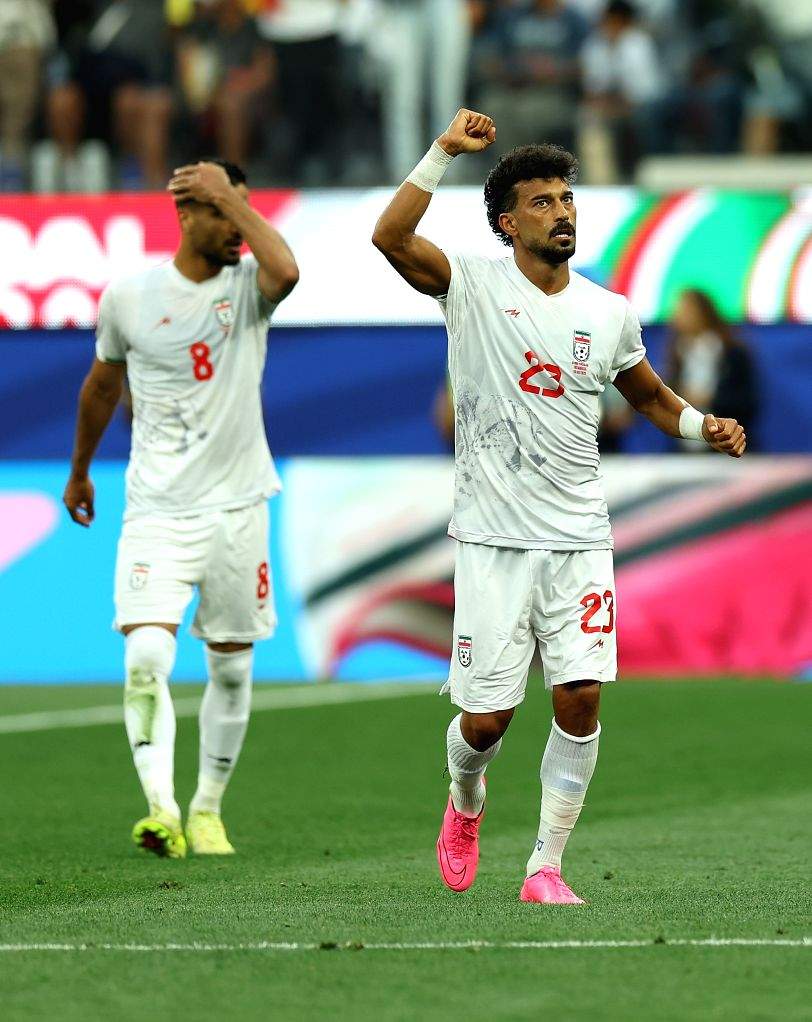
The undisputed star of the match was Ramin Rezaeian. Just months ago, his place in the World Cup squad seemed uncertain, but a return to form following his transfer to Foolad Khuzestan earned him a recall, and he repaid that faith emphatically. Rezaeian scored one goal and provided a pinpoint assist for Mohammad Mohebi, earning the Player of the Match award. In doing so, he also etched his name into Iranian football history as the first and only Iranian player to score in two separate World Cups.

However, the performance of Iran’s substitutes left much to be desired. Mehdi Ghaedi, Ali Alipour, Ehsan Hajsafi, and Amirhossein Hosseinzadeh failed to inject energy or alter the flow of the game after coming on. More than the players themselves, it was Ghalenoei’s inability to read the match dynamics and introduce timely changes that proved costly against a resolute and physically strong New Zealand side.

Defensively, Iran looked vulnerable, a concern that has been voiced for months, if not years. When New Zealand attacked from deep, the Iranian backline appeared disorganized, with poor covering and a lack of cohesive teamwork. Both goals conceded stemmed from these structural frailties. With Belgium and Egypt looming, this is a glaring issue that Ghalenoei’s staff must urgently address. Given the limited preparation time and squad options, however, a dramatic improvement before the next match against Belgium seems unlikely.

Captain Mehdi Taremi was industrious as ever, covering vast amounts of ground and showing commendable stamina. Yet his technical execution fell short of the high standards expected of a player of his caliber. His best moment came in the first half, when a delightful curling effort struck the post. On that occasion, a pass to either of two better-placed teammates may have been the wiser choice, a decision that could prove critical in tighter matches.

Mohammad Mohebi, despite scoring a brilliant goal and influencing the result, was not without fault. His loss of possession directly led to New Zealand’s second goal, a mistake that must be reviewed by the coaching staff. While his attacking contribution is invaluable, such lapses cannot be overlooked at this level.

Another talking point was the absence of an experienced, high-level assistant alongside Ghalenoei. While Saeed Elhovie, Andranik Teymurian, and Rahman Rezaei possess valuable football knowledge, their experience at World Cup level is limited. In major tournaments, having seasoned support on the bench can be crucial, and this void may have been felt during key moments of the match.

The midfield unit, led by Saman Ghoddos and Saeed Ezzatollahi, struggled under New Zealand’s pressing game. Both made uncharacteristic errors, and the duo lacked influence in building attacks or shielding the defense. Ghalenoei may need to consider alternatives—such as introducing Ghorbani or Amir Mohammad Razzaghinia as a more defensive-minded presence—but the reality is that the squad lacks depth and quality in the middle of the park.

Haste was another recurring issue. Iranian players often rushed their decisions instead of controlling the tempo, leading to wasted possession and disjointed transitions. Ghalenoei must work on instilling greater composure and game management ahead of the remaining group matches.

In goal, Alireza Beiranvand delivered a generally solid performance, making several key saves. However, both New Zealand goals, particularly the second, were stoppable, and the keeper no longer resembles the commanding figure who dazzled the world in previous tournaments. Behind a fragile defense, Iran needs a goalkeeper who can provide security and leadership; Beiranvand remains the best option, but his form raises questions.

Ultimately, the draw against New Zealand was a mixed bag, a result with encouraging signs but also glaring warnings. Team Melli must build on its strengths while addressing defensive instability, midfield coherence, and tactical discipline. Much rests on Ghalenoei’s shoulders, and his tendency toward unconventional tactics and selection choices will continue to invite scrutiny. The road ahead is steep, but with focused preparation, Iran can still make its mark on this World Cup.