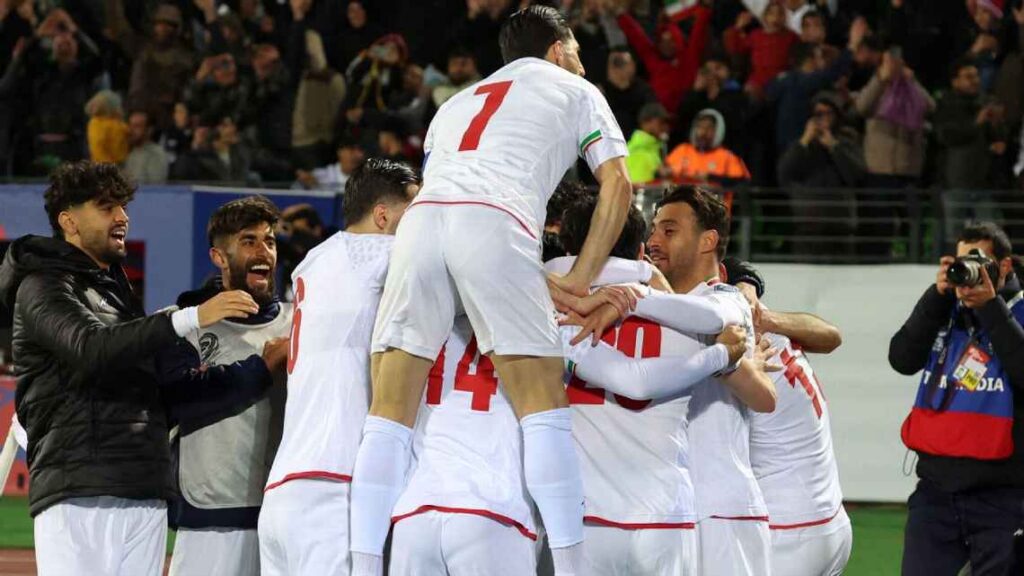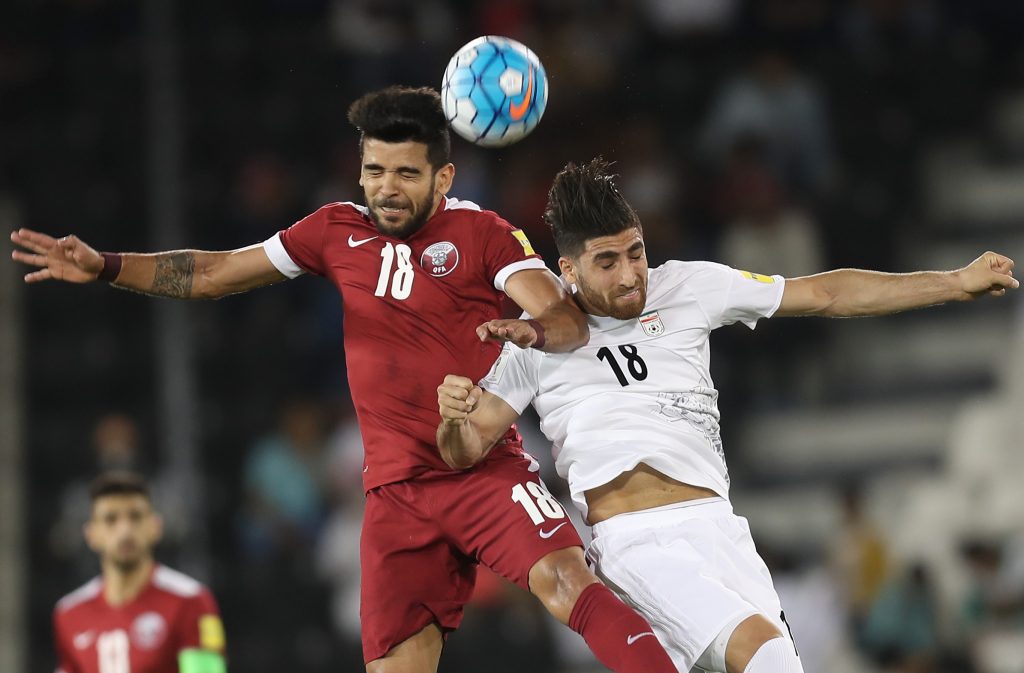
Tag: Amir Ghalanoei

System Shuffle or Structural Fracture? Dissecting Team Melli's Tactical Identity Crisis Ahead of Belgium


While Team Melli's performance and result against New Zealand fell short of expectations, the outing was far from the doomsday scenario that critics had prophesied. Predictions of collapse, fueled by contentious player selections, a perceived lack of attacking punch, questionable squad character, and the ever-present shadow of off-pitch political interference, proved exaggerated. Yet, to dismiss the concerns entirely would be equally misguided.

Tactical shortcomings were evident. The defensive fragility, a theme rehearsed ad nauseam, remains the most visible flaw. But more alarming, and arguably more consequential, was the glaring inadequacy in midfield: a void of depth, influence, and effective ball progression that left Iran disjointed and reactive for large stretches of the match.


Three Years, Five Systems, One Persistent Question

It has been three years and three months since Amir Ghalenoei assumed the reins of Team Melli. In that period, he has overseen 44 official matches—including the World Cup opener against New Zealand—deploying no fewer than five distinct starting formations. The preparatory friendlies in March and June, ostensibly the final testing ground for tactical experimentation, saw Ghalenoei cycle through a veritable carousel of systems:

  • Against Nigeria, he unveiled a three-center-back setup with a 4–4–1 structure for the first time.
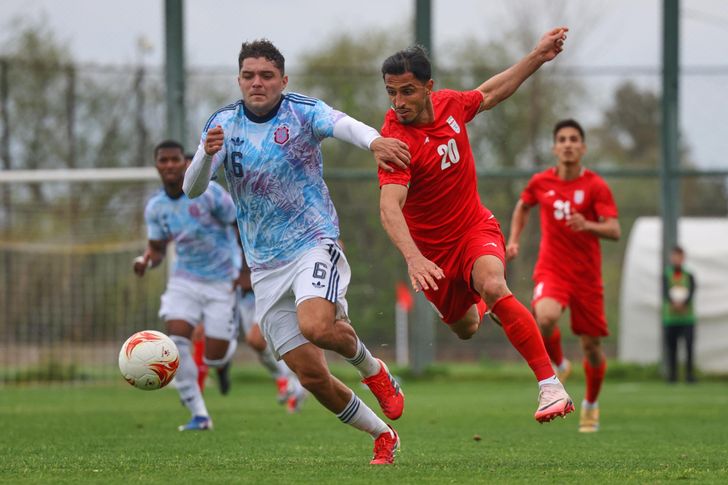
  • Against Costa Rica, he reverted to his preferred 4–3–1–2, yielding an emphatic victory.
  • Against Gambia, he shifted to a 4–4–2 with two holding midfielders.
  • Against Mali, after a lengthy hiatus, he dusted off a 4–4–1–1.

Despite this tinkering, it was widely anticipated that Ghalenoei would lean on his favored system against New Zealand—arguably the group's most forgiving opponent. And so he did. Iran took the field in a 4–3–1–2 formation, the nineteenth time he has employed this setup from the opening whistle.

The Starting XI and Structural Blueprint:

  • Center-backs: Nemati and Khalilzadeh held the spine.
  • Full-backs: Ramin Rezaian (right) and Milad Mohammadi (left) provided width.
  • Sole defensive midfielder: Saeed Ezzatollahi sat deep, tasked with shielding the backline.
  • Wingers: Aria Yousefi (left) and Mohammad Mohebi (right), though Yousefi was deployed in an unnatural left-wing role, a position he had only recently trialed in training.
  • Playmaker: Saman Ghoddos operated between the lines.
  • Strikers: Shahriar Moghanloo and Mehdi Taremi formed the attacking duo, with their positioning fluctuating throughout.

Crucially, Yousefi's unfamiliarity with the left flank was compounded by Mohebi's altered responsibilities—he was forced to track back and cover the space behind Rezaian, who was given license to bomb forward relentlessly. The result was a lopsided, occasionally chaotic structure that invited pressure.


Substitutions Without Systemic Evolution

Recognizing the ineffectiveness of his initial setup, Ghalenoei turned to his bench. However, the substitutions did little to alter the underlying tactical framework:

  • Ghaedi replaced Yousefi on the left wing.
  • Alipour came on for Moghanloo.
  • Hajsafi took over Ghoddos's creative role.
  • Hosseinzadeh entered for Taremi.

Personnel changed; the system did not. Iran continued to labour within the same structural constraints, failing to address the midfield disconnect or the defensive vulnerabilities that New Zealand exploited with alarming ease.


Belgium: A Different Beast Entirely

The challenge against Belgium will be of an entirely different magnitude. The Red Devils possess superior technical quality, greater attacking depth, and a midfield engine capable of overrunning any opponent that fails to maintain structural integrity.

Ghalenoei's selection of Shahriar Moghanloo against New Zealand was a calculated, almost pragmatic move. Moghanloo's stature was prioritized not for his goal-scoring threat, but for his aerial presence in defending set pieces and his utility in both boxes. Against Belgium, however, where the game will be defined by transitional speed and midfield duels rather than cross-heavy assaults, Moghanloo's inclusion seems increasingly untenable. His departure from the starting XI against Belgium is all but certain.


Defensive Disarray: The Elephant on the Pitch

What was most glaring, and most heavily criticized against New Zealand, was the structural disintegration of Iran's defensive organization. Despite packing numbers into their own third, the Iranian backline allowed the Kiwis to carve through with just two or three attackers around the 18-yard box, conceding two goals far too easily.

The problems were systemic:

  • Poor spatial coverage in front of the defensive line.
  • Inadequate communication and coordination inside the penalty area.
  • Mismanagement of covering assignments during transitional phases.

These are not individual errors; they are collective breakdowns, and against a Belgian attack far more clinical and inventive than New Zealand's, such lapses would be fatal.


Expected Adjustments: A Shift to Two Holding Midfielders

Given the defensive frailties and Belgium's superior attacking pedigree, a systemic change is not just likely—it is imperative. Ghalenoei is expected to abandon the single-pivot setup and instead field two defensive midfielders in a 4–2–3–1 (or 4–3–1–2–1) shape.

  • Ezzatollahi will likely be joined by Mohammad Ghorbani (the more probable choice) or, less likely, Amir Mohammad Razaghinia, to form a double pivot.
  • This dual-screen arrangement aims to:
  • Better shield the central defensive duo (Khalilzadeh and Nemati, who are expected to retain their places).
  • Close the dangerous spaces in front of the backline.
  • Reduce the isolation of defenders when Belgium's midfielders drift into half-spaces.

In this recalibrated setup, Mehdi Taremi is likely to operate as a lone striker, with the freedom to drop deep and link play—a role he has performed with distinction at club level.


Wing Reconfiguration: Rezaian Unleashed, Hardani Anchors

Further changes are anticipated in the wide areas:

  • Aria Yousefi is expected to drop out, with Mohammad Mohebi shifting to the left wing, his more natural flank.
  • Ramin Rezaian, given his offensive instincts and goal-scoring ability, could be pushed higher to right wing.
  • Behind him, a more defensively disciplined full-back, likely Saleh Hardani, would provide cover, allowing Rezaian greater freedom to attack without exposing the flank.

Saman Ghoddos will retain his central playmaking role, operating at the tip of the midfield triangle, tasked with linking defense to attack and unlocking Belgium's defensive block.


Ghalenoei's System History: A Pattern of Pragmatism

It is worth contextualizing these potential changes within Ghalenoei's broader tactical portfolio:

  • 4–4–2 with two holding midfielders has been used in 11 matches.
  • 4–3–1–2 (as seen against New Zealand) has been deployed in 19 matches.
  • 4–2–3–1 (or its variant) has been used in 8 matches, which would become the ninth if selected against Belgium.
  • 4–1–4–1 has featured in 5 matches.
  • 4–1–4–1 with a single pivot has been used in 1 match.

The data suggests that Ghalenoei is not averse to systemic flexibility—but the question remains whether these shifts are proactive tactical evolutions or reactive patchwork responses to emerging crises.


Belgium's Vulnerabilities: Lessons from Egypt

It would be remiss not to acknowledge that Belgium, for all their star power, are far from invincible. Their last match against Egypt offered a revealing blueprint:

  • Doku, Belgium's most dynamic dribbler, was effectively neutralized by double-teaming, a tactic that nullified his direct threat and forced him into predictable passing lanes.
  • The midfield axis of Tielemans and De Bruyne was disrupted by Egypt's compact pressing and disciplined positional play, limiting their ability to dictate tempo and thread penetrating passes.

Ghalenoei would have been remiss not to take meticulous notes. If Iran can replicate Egypt's defensive discipline, doubling Doku when necessary, cutting off supply lines to De Bruyne, and maintaining compactness between the lines, they may find avenues to frustrate the European side and exploit counter-attacking opportunities.


Final Verdict: Adaptation or Repetition?

The Belgium match represents a crossroads. Ghalenoei has the personnel, the data, and the tactical history to make informed adjustments. But the recurring concern is whether he will commit to meaningful systemic evolution or simply shuffle personnel within a failing framework.

Iran's World Cup aspirations do not hinge solely on this single fixture—but the manner in which they approach it will speak volumes about the coaching staff's ability to learn, adapt, and impose their will on a high-caliber opponent. The fans, the pundits, and the players themselves deserve a coherent, courageous plan—not another chapter in an ongoing tactical identity crisis.


‘Our team is the most oppressed’: Iran coach hits out at FIFA and US over treatment

The Guardian
Story by Alexander Abnos and Ben Fisher at Los Angeles Stadium

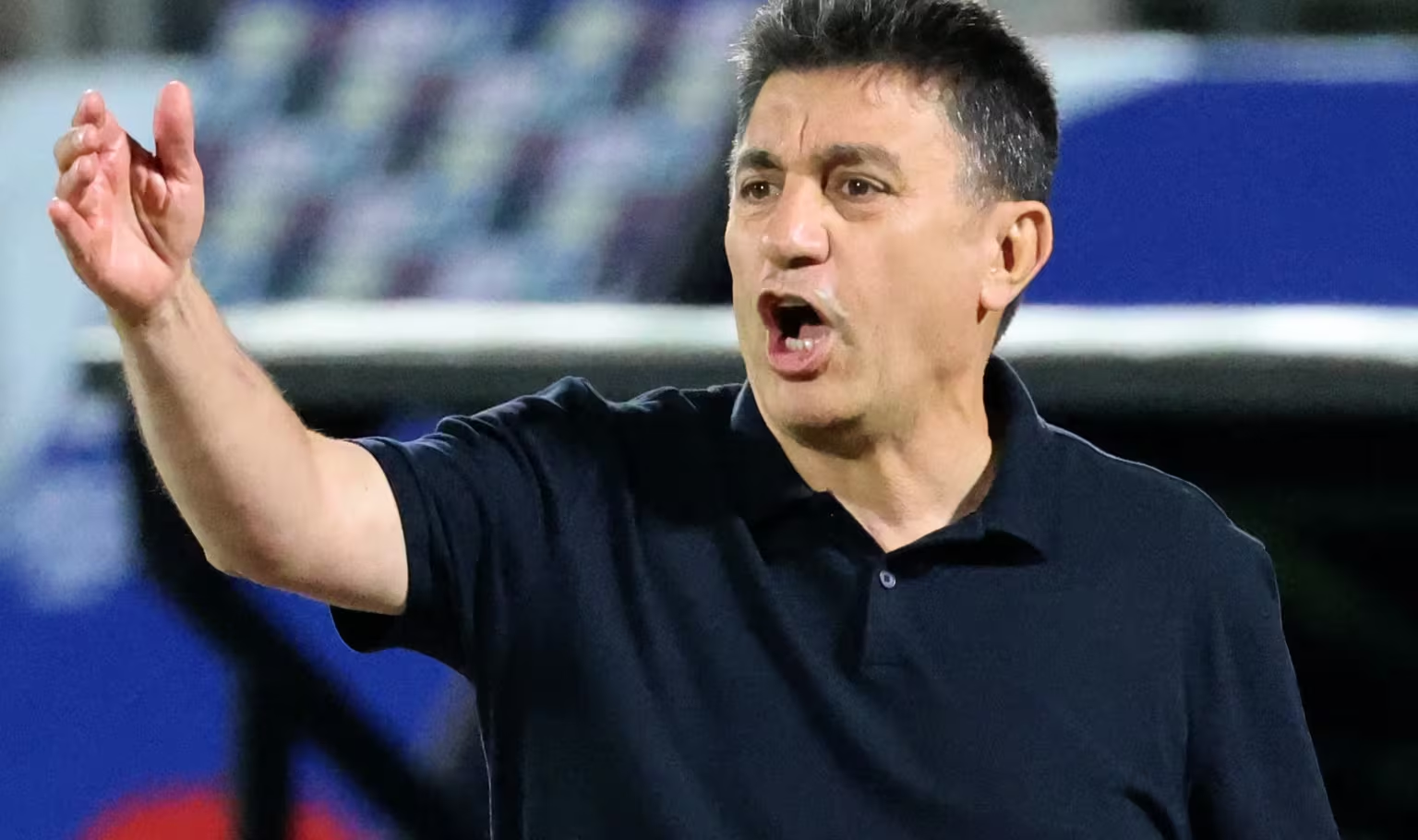
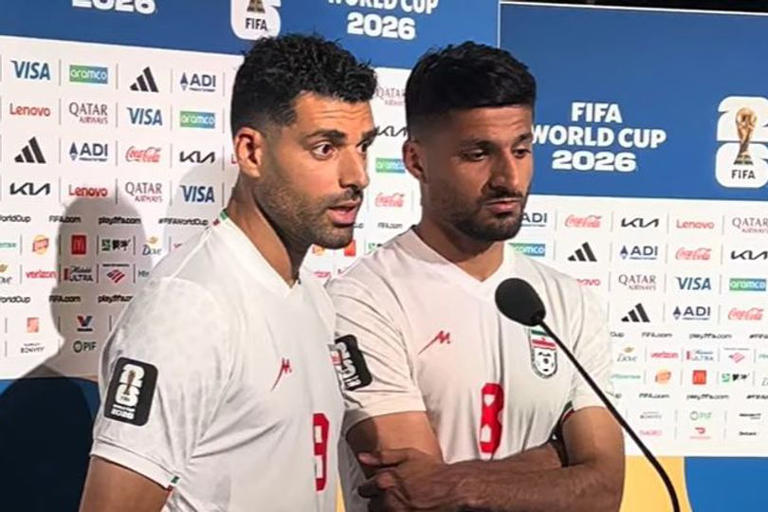
The Iran captain, Mehdi Taremi, midfielder Mohammad Mohebi, and the head coach, Amir Ghalenoei, hit out at Fifa and hinted at resentment toward the US government after being told they needed to leave Los Angeles ­immediately after Monday night’s 2-2 draw against New Zealand.

“Everything is like disaster for us,” said Taremi, who added that the Fifa president, Gianni Infantino, visited the team in the dressing room and they expressed their concerns to him directly.

Related: Iran twice come from behind to claim draw in World Cup opener with New Zealand

Ghalenoei said Iran’s treatment by Fifa makes them “the most oppressed” team at the tournament. “After the game today they said to us: ‘You have to leave immediately.’ Whereas it’s very important for us to have recovery.

“We’ve been asked to get on a plane and return to our camp in Tijuana and we are really troubled by that. They are forcing us to go back early. They are making the situation more and more difficult, more hurdles, but we’re not going to let that stop us from doing our best.

“We don’t know why they’re returning us. It’s very strange. It seems like others are doing the ­planning for us … We were ­supposed to arrive two nights before the game but they didn’t permit [it]. We were supposed to stay here tonight to recover and return tomorrow lunchtime.

“Our team is the most oppressed one in the whole World Cup. Our federation isn’t here, our media isn’t here, our management isn’t here.”

Infantino went into the Iran ­dressing room after the game and a video of his message to the squad was shared online, in which Infantino and Ghalenoei exchanged words, via a member of staff translating.

“You showed to your families, friends, to your people, to the world, that you’re in the World Cup, that you perform and you have two more games to go,” Infantino said. “In these two games you will make again ­everyone in the world proud of what you do. Thank you for being here.

“It is also a big, big emotion. I know what you go through, I understand, but you are stronger than everything. You send a strong message to the entire world. You united the whole stadium here, you united the whole stadium behind you, behind Team Melli. You are sending such a strong message to the world.

“Let me say one more thing: this is just the beginning of the World Cup. You are writing history, the whole world is watching you. Continue to play with your heart, for your ­people, your families, for your fans and for everyone in the world that is ­falling in love with Team Melli. You are stronger than everything.”

Taremi criticised a logistical ­situation that has meant the team was forced to abandon their planned training base in Tucson, Arizona weeks before the tournament, instead training across the border in Tijuana, Mexico and flying in to the US shortly before games.

The team moved its training base to avoid immigration concerns that turned out to be well founded. After arriving in Mexico, 15 of the team’s support staff were denied visas to enter the US, where all of Iran’s group stage games are taking place. That number was later reduced to 11 after some visas were approved.

The team arrived in Los Angeles minus both their media officers, some analysts and the federation ­president, Mehdi Taj. Another analyst for the team served as a stand-in media aide for Taremi and Mohebi’s appearance, which a Fifa official repeatedly attempted to stop as both players ­continued answering questions.

Related: World Cup 2026: Iran begin disrupted campaign with draw against New Zealand – in pictures

“It’s not good for the football,” Taremi said. “In [the] World Cup, you have to prepare [well] for the next game, which is a lot of stress for the players and the staff and everyone. But we don’t have that support and Fifa have to help us more than this. Let’s see what’s going to happen in the future.”

Iran faced delays in their travel from Tijuana to Los Angeles, a short trip that Taremi said took five hours. He did not specify what caused the delays, but it was understood the immigration process was the main cause. Taremi and Mohebi said being forced to leave immediately afterward would negatively affect the players’ performance at the tournament.

“It’s supposed to be: tomorrow morning recovery, then we fly to Tijuana, then we return to LA again, but right now we have to go back,” Taremi said. Mohebi added: “Yesterday we came, started the trip in the morning, and we arrive [in the] afternoon. We directly go to train and we get tired. This kind of deal is not fair … we’re going to get fatigued – hamstring, lower back, glutes …”

In contrast, Ghalenoei praised the warmth of co-hosts Mexico and many Mexicans were in attendance supporting Iran at the Los Angeles Stadium. “The Mexican people, the Mexican government, especially the people in Tijuana, made us feel at home,” he said.


Ghalenoei: Costa Rica Victory Should Not Deceive Us; Infantino Heard the Voice of the Oppressed

Amir Ghalenoei, head coach of Team Melli, spoke candidly following his side’s emphatic 5–0 victory over Costa Rica, cautioning against overconfidence while praising his players’ performance.

“After a demanding training camp, our players produced an excellent result today and secured a high-scoring win against a respectable and hardworking opponent,” Ghalenoei said. “However, this decisive result might mislead some into believing Costa Rica were a weak team, that is far from the truth.”

He pointed to Costa Rica’s recent form as evidence: “Just days ago, this same team managed to neutralize Jordan under their new coach and continued fighting until the final whistle. That is why I insist this victory should not fool us. Costa Rica has long been one of the strongest sides in the North American region and has even reached the World Cup quarterfinals in their history.”

Ghalenoei noted that despite Costa Rica’s absence from this year’s World Cup, they are in the midst of a rebuilding phase. “They are integrating several young players into their squad,” he explained. “Anyone who understands football knows that a team undergoing renewal can pose serious challenges to any opponent.”

Turning to his own squad’s performance, Ghalenoei expressed satisfaction while stressing the importance of continued growth. “From the very first whistle, our players implemented the tactical points we had emphasized, particularly in the attacking third. But we cannot afford to rest on this result. From the beginning, we made it clear that our objective in the friendlies against Nigeria and Costa Rica was never merely the outcome. Instead, we aimed to reinforce our strengths, address our weaknesses, and enhance overall team cohesion.”

He added: “We had the capacity to score even more goals today, but overall it was a solid, competitive, and highly beneficial match for us. In many respects, it was a valuable accomplishment.”

A Meaningful Encounter with Infantino

Ghalenoei also highlighted a significant off-field moment during the team’s Antalya training camp, the presence of FIFA President Gianni Infantino.

“This was a positive development in its own right,” Ghalenoei remarked. “One of the key outcomes of the Antalya camp was that the FIFA president joined us, and we were able to convey the voices of Iran’s oppressed people directly to Infantino.”

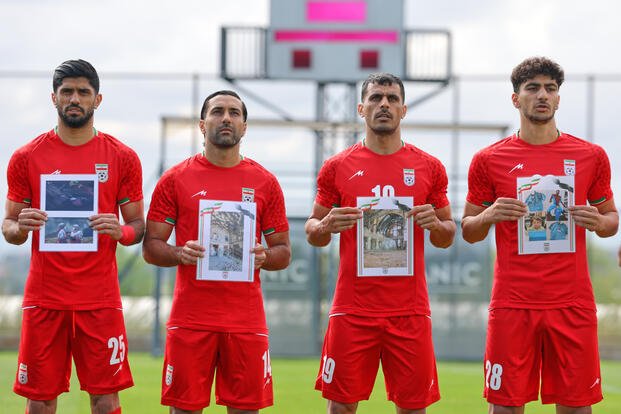
He elaborated on the message delivered: “In this brutal, imposed war that the enemies have waged unjustly against our country, it is not only national figures who have dedicated years of service to Iran who have suffered, but also ordinary citizens, among them, innocent children from Minab who have been martyred. We made this oppression known to him firsthand. You saw how they have even targeted our sports and historical sites in acts of cowardice.”

According to Ghalenoei, Infantino’s response was striking. “Despite threats from the U.S. president, the FIFA president announced his full support for our safe participation and necessary preparations for the World Cup.”


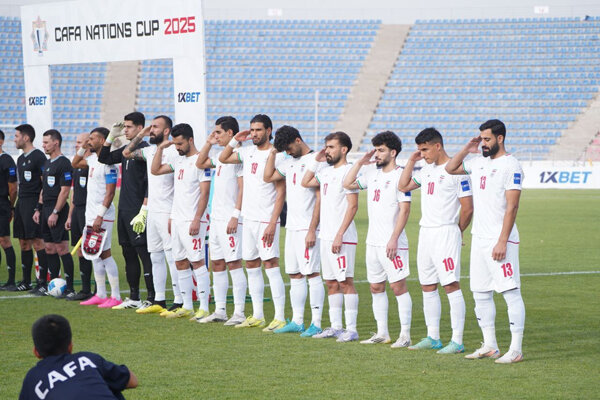
CAFA Nations Cup Final Preview: Iran's Fierce Attack Meets Uzbekistan's Stubborn Defense

A Clash of Titans in Tashkent as Team Melli and the White Wolves Battle for Regional Supremacy.


(Tashkent, Uzbekistan) – The stage is set for a thrilling finale to the CAFA Nations Cup tonight, as the offensive might of Iran collides with the defensive resilience of Uzbekistan. This highly anticipated match, kicking off at 6:00 PM local time in Tashkent, promises to be a classic tactical battle between two regional powerhouses.

The Iranian national team, Team Melli, roared into the final after a dominant group stage performance, netting a tournament-high 8 goals with decisive victories over Afghanistan and India, followed by a draw with Tajikistan.

Standing in their way is a formidable Uzbek wall. The White Wolves conceded a mere two goals in the group stage, showcasing a defense that proved impenetrable to most. Their path to the final saw them overcome Turkmenistan and Kyrgyzstan, with their only stumble being a draw against Oman.

The historical context adds another layer of intrigue. The last five meetings between these two sides have been incredibly tight, featuring four draws and a single Iranian victory. Notably, two of those matches ended in thrilling 2-2 stalemates, while two others were goalless affairs, underscoring the often evenly-matched nature of this contest.

Current form also suggests a close encounter. Uzbekistan arrives unbeaten in their last five matches (3 wins, 2 draws), while Iran’s record in the same span is slightly more mixed (3 wins, 1 draw, 1 loss).

Both teams will feel the absence of key players. Iran will be without the firepower of star striker Sardar Azmoun, while Uzbekistan misses the creativity of Jalaluddin Masharipov, adding an element of challenge for both coaches.

Ahead of the clash, the managers offered contrasting reflections.

Iran's coach, Amir Ghalenoei, shouldered the blame for a disrupted preparation, stating: “My mistake was to respect the league. We didn’t want to close the league and that was an error. With 18 changes to the squad, we should have trained at least three times. Our whole thinking was to respect the league, but we should have come to CAFA with better planning.”

Conversely, Uzbekistan’s Timur Kapadze projected calm confidence: “We have prepared well. We know Iran well; they are a strong team but they also have weaknesses. We are trying to show our game. Not only Iran, but all the teams in this tournament have faced injuries.”

Everything points to a monumental clash of styles: Iran’s roaring attack versus Uzbekistan’s unyielding defense. Only one can be crowned champion of Central Asia.


Iran Football Federation Denies Approach for Colombian Coach Amid Ghalenoei Criticism

Despite Iran’s qualification for the FIFA 2026 World Cup, the performance of the national team under head coach Amir Ghalenoei continues to draw criticism from experts and pundits, with some calling for his dismissal.

The controversy deepened following a claim by Colombian coach Juan Carlos Osorio, who suggested he had received an offer from the Iranian Football Federation (FFIRI). In response, the FFIRI issued a brief statement: "Following reports of Juan Carlos Osorio’s claim regarding an offer from the Iranian Football Federation, we reiterate our full support for Amir Ghalenoei as head coach of Team Melli. The claim made by this coach is false, and as previously stated, the Federation’s definitive plan is for the national team to compete in the 2026 World Cup under Ghalenoei and his current staff."

However, such assurances from the FFIRI, particularly under President Mehdi Taj, hold little weight. A similar stance was taken before the abrupt dismissal of Dragan Skočić, who had orchestrated a remarkable turnaround in the 2022 World Cup qualifiers, lifting Iran from third place in their group to secure qualification.

While there is no concrete evidence to substantiate either side’s claims, Osorio’s assertion seems unusual, given his current role as head coach of Mexican top-tier club Tijuana. Nevertheless, the speculation has further fueled debate over Ghalenoei’s suitability for the role.

Critics argue that Ghalenoei lacks the tactical acumen, communication skills, and public support needed to succeed at the highest level. Many within Iranian football, including some Team Melli players, question his ability to compete effectively in a tournament as demanding as the World Cup.

If the FFIRI is genuinely considering a managerial change for the sake of progress, the time to act is now—not months before the World Cup, as was the case with Skočić’s poorly timed dismissal. A decisive move could either solidify confidence in Ghalenoei or pave the way for a more capable successor—before it’s too late.


A Blooper for the Ages: Moghanlou's Shocking Miss Against North Korea

One of the most embarrassing moments in Iranian football history unfolded during Team Melli’s match against North Korea at Azadi Stadium on Tuesday. Despite having already secured qualification in March, two rounds before the end of the campaign, Iran’s performance, or lack thereof, left fans in disbelief.

A Disjointed First Half

With several key players absent, head coach Amir Ghalenoei’s experimental lineup failed to click from the start. Ghalenoei, already a frequent target of social media criticism for his questionable substitutions, outdid himself this time with a decision that will be remembered for all the wrong reasons.

When young debutant Razzaghinia went down with an injury in the first half, Ghalenoei turned to his bench for a replacement. In a baffling move, he brought on Shahriar Moghanlou, a decision that defied logic and raised serious questions about player selection criteria.

The Miss That Summed It All Up

The defining moment came in the 37th minute. Mohammad Mohebi, after skillfully bypassing North Korea’s defense, found himself one-on-one with the goalkeeper. Rather than taking the shot himself, he unselfishly squared the ball to Moghanlou, who had an open net in front of him.

What followed was pure farce.

Moghanlou, with no pressure and the entire goal at his mercy, somehow managed to miss completely, sending his effort wide in a manner more befitting a Sunday league match than an international fixture. The miss wasn’t just a personal embarrassment for the striker; it was a damning indictment of Team Melli’s deeper issues.

Cronyism or Incompetence?

Moghanlou’s inclusion in the squad had already raised eyebrows. The Ittihad Kalba forward, an average player at best in the UAE Pro League, is neither a regular starter for his club nor in particularly good form. His decline over the season made his call-up, and subsequent playing time, all the more perplexing.

Meanwhile, Iran’s domestic league top scorers, Amir Hossein Hosseinzadeh and Ali Alipour, watched from the bench. Both had started in the previous match against Qatar but were far from their best, though the entire team struggled after Milad Mohammadi’s reckless red card left them a man down.

Yet, even accounting for those circumstances, Ghalenoei’s insistence on fielding Moghanlou over proven goalscorers speaks volumes. The incident has reignited accusations of favoritism in Team Melli’s selection process, with critics arguing that meritocracy has taken a backseat to personal preferences.

A Moment That Symbolizes Bigger Problems

Moghanlou’s miss wasn’t just a blooper, it was a microcosm of Iranian football’s recurring struggles: questionable managerial decisions, inconsistent player selection, and a lack of accountability. Unless these systemic issues are addressed, such embarrassments will continue to haunt Team Melli on the international stage.

Ghalenoei's Hollow Promises: Youth Movement Stalled as Old Guard Remains Untouchable


Despite repeated promises of ushering in a new generation, Iran national team head coach Amir Ghalenoei continues to sidestep meaningful reform—opting instead for symbolic gestures that give the illusion of change while clinging to the same aging core.

Ghalenoei’s public rhetoric has, for months, championed a “youth movement,” but the reality on the pitch tells a different story. While younger players have appeared on preliminary call-up lists, they are often omitted from final squads in favor of familiar veterans—regardless of form or fitness. This duplicity has not gone unnoticed by fans or players.

The growing frustration recently came to a head with the high-profile absence of Mehdi Torabi. The in-form midfielder refused to accept his latest call-up, reportedly disillusioned by what he and others see as a pattern of favoritism and empty words. Torabi has been outspoken about the hypocrisy of a coach who claims to value youth and meritocracy, yet repeatedly sidelines deserving players in favor of those entrenched in the system.

Iran’s average squad age at the 2022 World Cup was 28.9—the oldest among all participating nations. That figure barely budged in AFC Asian Cup 2023, with the average only falling to 28.6 under Ghalenoei. This stagnation has sparked increasing calls for a generational overhaul, particularly following Iran’s qualification for the 2026 World Cup after the 2-2 draw against Uzbekistan.

In the aftermath of that match, Ghalenoei assured fans change was imminent:

“From now on, there will be more time for young players. I promise to give them more opportunities. But it has to be done in a way that ensures they remain part of the team for years to come.”

Yet, just weeks later, his tone shifted. Speaking at a national team training session on Monday, Ghalenoei walked back his earlier commitments:

“These two games (Qatar and North Korea) are very important for us… their results affect our ranking and seeding. The youth trend has started since we arrived. Whoever is worthy and the best at the time will be selected.”

Such statements have become increasingly hollow to a public that sees little evidence of change. Critics argue that Ghalenoei is merely paying lip service to the idea of generational renewal while continuing to rely on the same old faces—many of whom are well past their prime.

After Iran’s controversial performance against North Korea and Kyrgyzstan, criticism of Ghalenoei's tactics and team selection intensified. His response was deflective and combative:

“They don’t love Iran; they love their own interests.”

But it’s not criticism for criticism’s sake. Fans are demanding accountability, transparency, and a future-focused approach. The superficial rotation of a few younger names in training camps—without meaningful match time—is increasingly viewed as a deliberate tactic to pacify public opinion while avoiding real change.

With the upcoming fixtures against Qatar and North Korea looming, the question remains: Will Ghalenoei finally back his words with actions, or will Iran’s national team continue to drift under the weight of broken promises and aging legs?

The clock is ticking—not just for Iran’s next generation of footballers, but for the credibility of its national team’s leadership.


Sardar Azmoun’s Injury Raises Concerns Ahead of Iran’s World Cup Qualifiers

Sardar Azmoun’s absence from Shabab Al-Ahli’s recent match against Al-Jazira in the ADNOC Pro League has reignited concerns over the severity of his injury and how long he may remain sidelined. The Iranian striker’s condition was visibly serious—he even attended his team’s championship celebrations using a cane, raising further questions about his recovery timeline.

With Iran’s final two World Cup qualifiers against Qatar (June 5) and North Korea (June 10) fast approaching, Azmoun’s availability for Team Melli under head coach Amir Ghalenoei is now in serious doubt. Emirati media reports suggest the injury could keep him out for at least six weeks, effectively ruling him out of the upcoming fixtures.

Azmoun’s potential absence poses a significant challenge for Ghalenoei, given the striker’s pivotal role in Iran’s attack. Although Team Melli has already secured early qualification for the 2026 World Cup, improving their FIFA ranking remains a key objective for the coaching staff. Additionally, maintaining squad cohesion and sharpness ahead of major tournaments is crucial, and losing a player of Azmoun’s caliber disrupts those plans.

However, his absence could also present an opportunity for other forwards to step up and prove their worth in the national team setup. As Iran prepares for its upcoming matches, all eyes will be on how Ghalenoei adjusts his tactics to compensate for the potential loss of one of his star players.

Mashhad Loses Hosting Rights for Iran vs. North Korea World Cup Qualifier Amid Infrastructure and Logistical Failures


Mashhad, Iran – The Iranian national football team’s final 2026 World Cup qualifying match against North Korea, originally scheduled to take place at Mashhad’s Imam Reza Stadium, has been relocated due to persistent infrastructure deficiencies and logistical complications. Despite initial enthusiasm for hosting the game in the holy city, unresolved stadium shortcomings and external pressures have forced the Football Federation to seek an alternative venue.

A Symbolic Request Meets Practical Realities

Team Melli’s head coach, Amir Ghalenoei, had pushed for Imam Reza Stadium as the host venue—not for its technical merits, but to allow players to visit the shrine of Imam Reza (AS). The Football Federation approved the request and submitted the stadium to the Asian Football Confederation (AFC) for approval, initiating efforts to bring the facility up to international standards.

However, what followed was a glaring example of institutional mismanagement.

Imam Reza Stadium Falls Short of AFC Standards

Despite being touted as one of Iran’s most modern stadiums, Imam Reza Stadium failed to meet critical AFC requirements. Key deficiencies included:

  • Inadequate access to the conference hall and mixed zone.
  • No separate spaces for team benches, compromising match protocols.
  • Poor spectator flow, raising safety concerns due to entrance and exit bottlenecks.

Despite repeated meetings between stadium officials and football authorities, these issues remained unresolved—a recurring theme in Iranian football administration.

Political and Social Obstacles Compound the Problem

Beyond infrastructure failures, the decision-making process was further complicated by:

  • Religious hardliners in Mashhad vehemently opposing women’s attendance, creating security concerns.
  • Overwhelming ticket demand, with requests far exceeding the stadium’s 20,000 capacity, risking dangerous overcrowding.

While the Football Federation claimed cooperation from local officials had mitigated some issues, the lingering threats and logistical hurdles made hosting the match in Mashhad untenable.

Another Blunder in Iranian Football’s Long History of Mismanagement

The relocation of this crucial qualifier is not an isolated incident—it is the latest in a series of institutional failures plaguing Iranian football.

  • A Pattern of Poor Planning: Imam Reza Stadium had already proven unfit for high-profile matches, most notably during Team Melli’s previous game there, where female fans were violently barred from entering. Yet, the Federation ignored these warnings, opting instead to indulge Ghalenoei’s sentimental request.
  • Chronic Disorganization: From last-minute venue changes to failure in enforcing AFC standards, Iran’s football authorities have repeatedly demonstrated incompetence and short-term thinking.
  • A Broken System: The fact that Martyrs' Stadium in Shahr Quds—a venue with its own limitations—is now the likely alternative speaks volumes. Even Tehran’s iconic Azadi Stadium, despite its own issues, was bypassed, suggesting deeper logistical chaos.

Conclusion: A Federation in Disarray

This debacle underscores a harsh truth: Iranian football is being run into the ground by negligence and ineptitude. The Federation had ample time and prior incidents to disqualify Imam Reza Stadium from consideration. Instead, it wasted resources on a doomed proposal, only to scramble for a last-minute solution—a hallmark of its chaotic governance.

Unless drastic reforms are implemented, such embarrassments will continue to haunt Team Melli, both on and off the pitch.

Squad update ahead of Kyrgyzstan match.

Team Melli will leave for Bishkek at 5 pm local time on a direct flight to the Kyrgyz Republic capital for the first match of the return round of FIFA World Cup 2026 qualifiers.

Missing from the squad will be three players.

Mohammad Mohebbi: The star of the game against Korea DPR and the scorer of a brace has received a knock and seems to be doubtful. It is not clear if he will fly with the team and if the coaching staff would utilize him for the game against Kyrgyzstan after passing a fitness test. His absence will be a blow for the team, especially as he has scored four goals in two games in the qualifiers.

Saman Ghoddos, whose injury has been diagnosed as more serious than initially thought, will not accompany the squad and instead will head back to the UAE for observation and treatment by his club medical team. Ghoddos did not play against North Korea on Thursday.

Shoja'a Khalilzadeh: His red card against Korea DPR means an automatic suspension, and he will not accompany the team to Bishkek.

Doubtful cases:
Sardar Azmoun: The center forward of Team Melli who has been in excellent form recently, received a knock in the last game against Korea DPR. Coach Ghalenoei p[ted to substitute him in the middle e of the second half. No further report of complications or the extent of the injury has been made public. Azmoun. however, is on the passenger manifest of the flight. His game time will be decided by Ghalenoei on Tuesday.