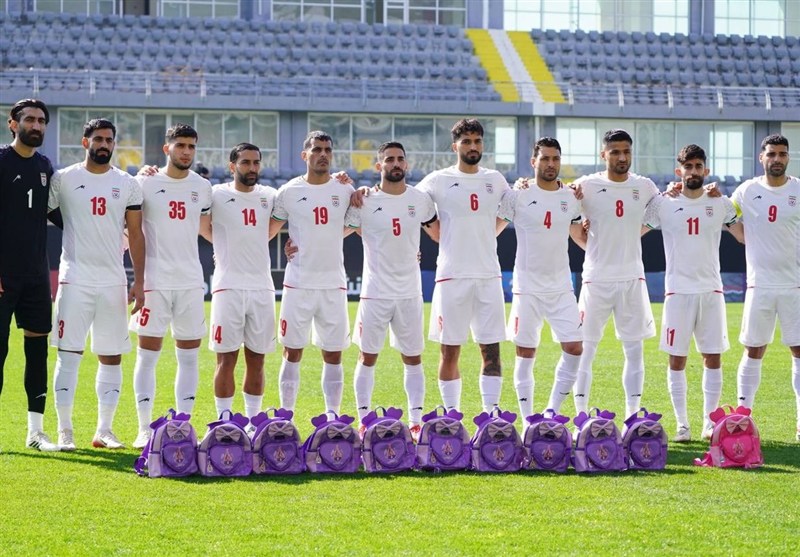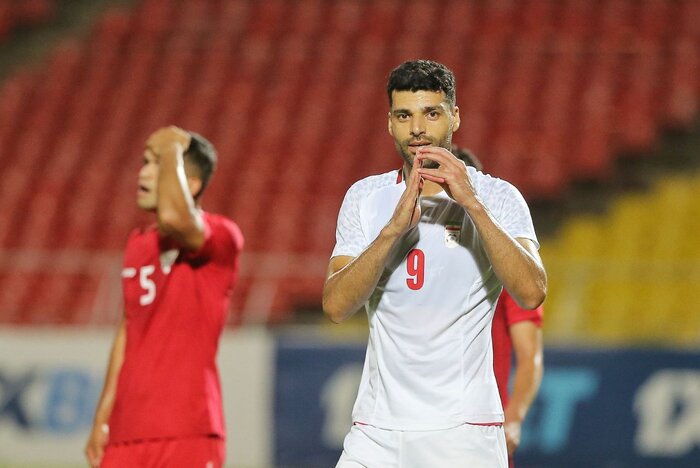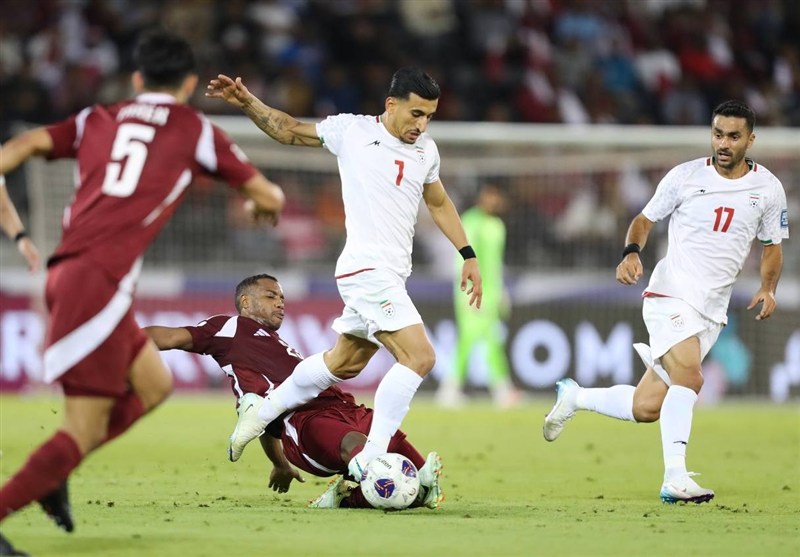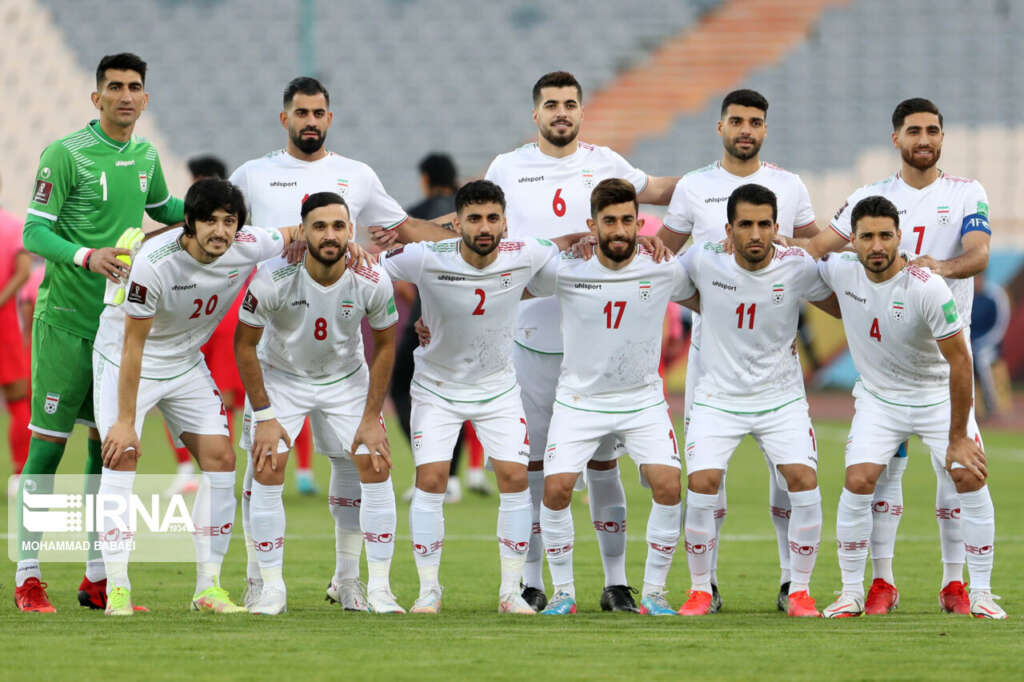
After two seasons with Persepolis, Milad Mohammadi has opted not to extend his contract, instead embarking on another European chapter by signing with FC Vitebsk in the Belarusian Premier League.
The Iranian defender was officially unveiled by the Belarusian club on Tuesday, July 20. In his first interview with Vitebsk's media, Mohammadi was asked about his long-term international ambitions and did not shy away from setting his sights high. "I will wait for the World Cup in four years, and my motivation will not disappear," he stated. When questioned about competing in European tournaments and adapting to the club's home venues, he replied with conviction: "That's what I want—I'm ready."
Mohammadi, who was part of Iran's 2026 World Cup squad and delivered an acceptable performance on that stage, now brings his experience to a club with a modest history. Founded in 1960, FC Vitebsk are a mid-to-lower table side in the Belarusian top flight; they finished 12th among 16 teams last season. While they have never claimed a league title, they did lift the Belarusian Cup once, back in 1998. The team plays its home fixtures at the Vitebsky Central Sport Complex in Vitebsk, a venue with a capacity of 8,144.
Mohammadi's move also carries historical significance, as he becomes the first known Iranian player to compete in the Belarusian league. The host city of Vitebsk, located in northeastern Belarus, is the country's fourth-largest urban center.
Renowned for his blistering pace on the left flank, Mohammadi began his professional journey at Rah Ahan before embarking on a nomadic European and international career. He went on to represent Akhmat Grozny (Russia), Gent (Belgium), AEK Athens (Greece), and Adana Demirspor (Turkey), before returning to Iran to join Persepolis in 2024.