Tag: Seattle

VAR Robs Iran of Glory – Controversial Offside Call Leaves Team Melli in Agonizing Limbo


VAR Heartbreak Denies Iran Historic Victory as Team Melli Left in Agonizing Limbo

Iran 1–1 Egypt: A Night of Drama, Controversy, and Unfinished Business

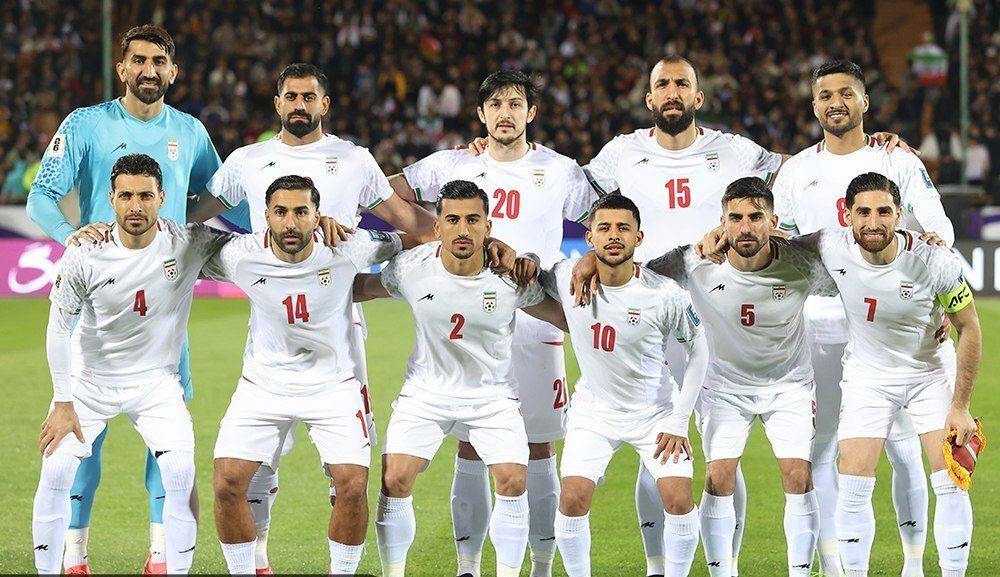
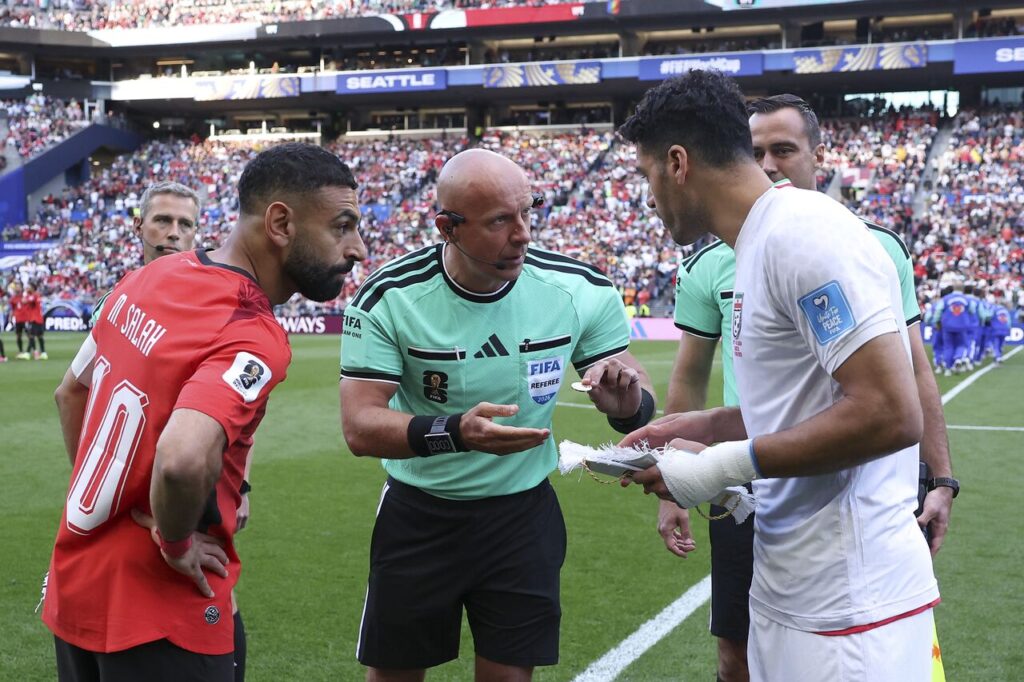
Team Melli played out a 1–1 draw against Egypt in their final Group G match, completing the group stage unbeaten—yet still uncertain of their qualification fate for the Round of 32. In a night filled with controversy, both on and off the pitch, Iran came agonizingly close to sealing their place in the knockout rounds, only to be denied by a brutal VAR decision in stoppage time.

A Distraction-Filled Spectacle

From the outset, this match was overshadowed by forces far beyond football. The American government and the organizing committee made every possible effort to provoke both the Iranian and Egyptian teams, using the tournament platform to promote the Pride movement against the explicit wishes of both nations. The bulk of the American mainstream media coverage focused not on the football being played, but on political protests and LGBTQ+ activism—a transparent attempt to distract from the sport and weaponize the World Cup for ideological purposes.

To their immense credit, Team Melli withstood this psychological warfare with remarkable composure. From the booing of the Iranian national anthem to the relentless political posturing in the stands, the players remained focused on the task at hand and delivered a performance to remember.
A Soft Goal, A Missed Penalty, and A Swift Response

Egypt struck early, scoring in the 5th minute with what was arguably the softest goal Iran has conceded in years. A defensive lapse compounded by uncharacteristic hesitation from Alireza Beiranvand allowed the Pharaohs to take an early lead. Yet, rather than collapsing—as Iranian teams have done in the past—this squad showed resilience.

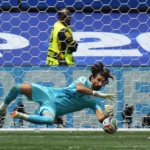
Just minutes later, Mehdi Taremi won a penalty after being fouled inside the box. The captain grabbed the ball with intent, but his body language betrayed a lack of conviction. His feeble spot-kick was parried by the Egyptian goalkeeper—a miss that would prove costly in the final reckoning.

The savior, once again, was Ramin Rezaeian. In the 13th minute, from the most acute of angles, the indefatigable right-back fired home a stunning equalizer. It was a goal of sheer quality and determination, keeping Iran's hopes very much alive.

Route One Football – A Flawed Strategy

As in all previous matches, Ghalenoei opted for a direct, route-one approach. The advantage of this system lies in Iran's two clever and competent wingers—Milad Mohammadi and Ramin Rezaeian—who thrived when balls were played out wide. However, when the defense launched long balls directly toward the lone striker, Mehdi Taremi, the strategy proved wasteful. Taremi, for all his industry, lacks the pace and dribbling ability to consistently turn such deliveries into scoring opportunities. He disrupted Egypt's defense with his movement and physicality, but he lacked the quality to make those balls count.

Second-Half Chaos

The second half was a frantic, end-to-end affair. Egypt's talisman Mohamed Salah was withdrawn due to a knock—a significant blow to the Pharaohs' attacking threat—but his replacement, Omar Marmoush, proved a handful in his own right, creating several headaches for Iran's backline.

The VAR Nightmare – A Goal That Never Was

The match reached its dramatic crescendo in stoppage time. In a frenetic finale, Iran seemingly scored a game-winning goal when Shoja Khalilzadeh pounced on a loose ball and fired home from close range. Pandemonium erupted among the Iranian players and fans—they had done it. They had clinched a spot in the knockout round.

Then came the crushing blow.

VAR intervened. A lengthy review concluded that Khalilzadeh was marginally offside. The goal was disallowed. The celebration turned to devastation. Iran had been denied a historic victory by the finest of margins—a brutal, heart-wrenching ending that left players slumped on the pitch and fans in disbelief.

Qualification – A Nervous Wait

The other match in the group ended 5-1 in favor of Belgium. With three points and a goal difference of zero, Iran's fate is no longer in their own hands. They must now wait for the conclusion of matches in other groups, particularly those involving Croatia, Algeria, and DR Congo, whose results will determine whether Iran's unbeaten campaign is rewarded with a place in the Round of 32.

On paper, Iran's position is strong—but in the cruel arithmetic of World Cup qualification, nothing is guaranteed until the final whistle blows in every group.

Final Verdict

Iran's performance throughout the group stage has been a testament to their resilience, tactical discipline, and growing belief. They have gone unbeaten against New Zealand, Belgium, and Egypt—a feat that would have seemed improbable just weeks ago. Yet, the shadow of VAR and the lingering regret of a missed penalty will haunt them until their fate is confirmed.

If Iran does qualify, they will do so with the knowledge that they deserve it. If they fall short, they will be left to wonder what might have been—had that penalty been converted, had that goal stood, had the football been allowed to speak for itself.

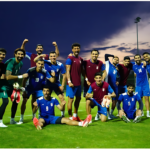
Iran’s Tactical Blueprint vs. Egypt: Ghalenoei Rings the Changes to Neutralize Salah

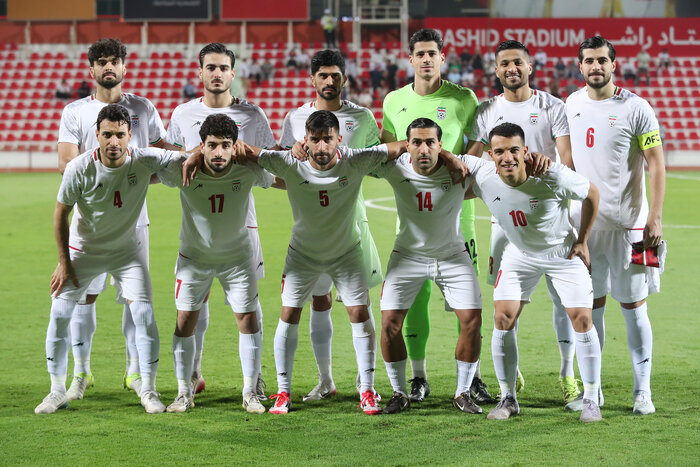
As Team Melli prepares for their crucial Group Stage clash against Egypt, all eyes are on the tactical chess match that head coach Amir Ghalenoei is orchestrating. While Iran is expected to line up in a fluid 4-3-2-1 formation, the lineup reveals a significant tactical shift designed to counter the specific threats posed by the Pharaohs, particularly the talismanic Mohamed Salah.

The Defensive Backbone: Stability and a Key Swap

Between the sticks, there is no debate. Alireza Beiranvand, the hero of the previous outing against Belgium, will retain his position. His shot-stopping prowess and commanding presence will be vital against Egypt’s rapid transitions.

At the heart of the defense, the trusted partnership of Shoja'a Khalilzadeh and Mohammad Hossein Kananizadegan will resume their duties. Their chemistry and aerial dominance form the bedrock of Iran’s defensive solidity, and they will be tasked with keeping the Egyptian forwards at bay.

The most notable change, however, comes on the left flank. In the previous match, Ghalenoei deployed a three-center-back system, utilizing Ehsan Hajsafi as a hybrid left-sided defender. For this fixture, the coach is pivoting back to a traditional back-four. Ali Nemati is set to step in as the out-and-out left-back, and his primary objective will be a man-marking masterclass: containing the relentless dribbling and cutting-inside runs of Mohamed Salah. This is a bold bet on Nemati’s defensive discipline and pace.

On the opposite side, Saleh Hardani is expected to keep his place at right-back, despite a shaky performance against Belgium where he was substituted to spare him further exposure. Ghalenoei is showing faith in his recovery. However, to ensure the right flank is not a liability, the coaching staff has devised a protective mechanism: Ramin Rezaeian (playing further up the pitch) will be tasked with dropping deep to provide double coverage when Hardani is pressed into one-on-one situations.

The Engine Room: A Hybrid Midfield

The midfield pivot is where Ghalenoei’s tactical flexibility shines. Saeed Ezzatollahi and Ehsan Hajsafi are slated to operate as the two defensive midfielders. Ezzatollahi, who delivered a commanding, redemptive performance against Belgium after a lackluster opener against New Zealand, will be crucial in breaking up Egypt’s play. Fans will be hoping for a similar display of grit and distribution against the Egyptians.

Hajsafi, meanwhile, is the ultimate utility man. After excelling as a left fullback in the last match, he moves into the heart of midfield for this encounter. His versatility is Ghalenoei’s trump card: Should Iran need to shore up the defense late in the game, Hajsafi can seamlessly drop back to left-back, allowing Ghalenoei to swap Nemati for a more attacking outlet. Conversely, if Iran is chasing a goal, Hajsafi can push forward, providing veteran composure in the final third.

Completing the midfield trio is Saman Ghoddos, who will once again operate as the advanced playmaker, sitting just behind the forward line. The coaching staff is banking on Ghoddos’s incisive passing and visionary through-balls to unlock a compact Egyptian defense. He is the linchpin of Iran’s transition play.

The Attack: Width, Work Rate, and the Lone Wolf

On the wings, Iran boasts pace and industry. Ramin Rezaeian will occupy the right-wing role, but his duties extend far beyond attack; he will be the insurance policy for Hardani, embodying the modern "box-to-box" winger. On the left, Mohammad Mohebbi will provide the direct dribbling threat. Both players were standout performers in the first match, and their ability to track back while delivering dangerous crosses will be integral to Iran’s balance.

Leading the line as the lone striker is Mehdi Taremi. The Olympiakos forward was a relentless engine against Belgium, running channels and pressing high with astonishing speed. He came agonizingly close to scoring what would have been one of the most historic and beautiful goals in Iranian World Cup history, while denied by VAR on his well-taken free kick. Against Egypt, Taremi will carry the weight of the nation’s attacking hopes. His movement, hold-up play, and predatory instincts inside the box will be Iran’s primary route to goal.

Summary: A Calculated Risk

Ghalenoei’s selection is a clear signal: Iran will not sit back passively. By reverting to a four-man defense and isolating Salah with a dedicated fullback, Iran aims to stifle Egypt’s greatest weapon while releasing their own dynamic wingers. The midfield flexibility provided by Hajsafi allows for in-game adjustments without using a substitution.

It is a high-risk, high-reward strategy that hinges on defensive discipline and attacking efficiency. If Iran can weather the early Egyptian pressure and allow their creative players—Ghoddos, Mohebbi, and Taremi—to flourish, they have every chance of securing a result that propels them toward the knockout stages.

Grievances Over Game Plans: How Injustice Overshadowed Tactics in Ghalenoei's Pre-Match Address

Amir Ghalenoei stepped up to the pre-match press conference ahead of Iran's crucial clash with Belgium with an opportunity to dissect tactics, address defensive frailties, and outline a coherent plan for upsetting one of Europe's traditional powerhouses. Instead, the microphone became a megaphone for frustration, a litany of complaints about inhospitality, inequity, and the systemic disadvantages his team has endured since setting foot on American soil.

Technical analysis took a backseat. Player selection, formation tweaks, and counter-strategies were scarcely mentioned. The dominant refrain was one of protest: Iran, Ghalenoei insisted, is not competing on a level playing field. Team Melli is handicapped by forces far beyond the white lines of the pitch, and he made certain the world heard it.


"Less Than 16 Hours": A Travel Nightmare

Ghalenoei opened his remarks by drawing a stark contrast between Iran's preparation timeline and that of their opponents:

"In the first game, we were in Los Angeles about 24 hours before kickoff, and we had time. Against Belgium, they gave us less than 16 hours. We were forced to conduct our training half-heartedly. This made the situation difficult for us."

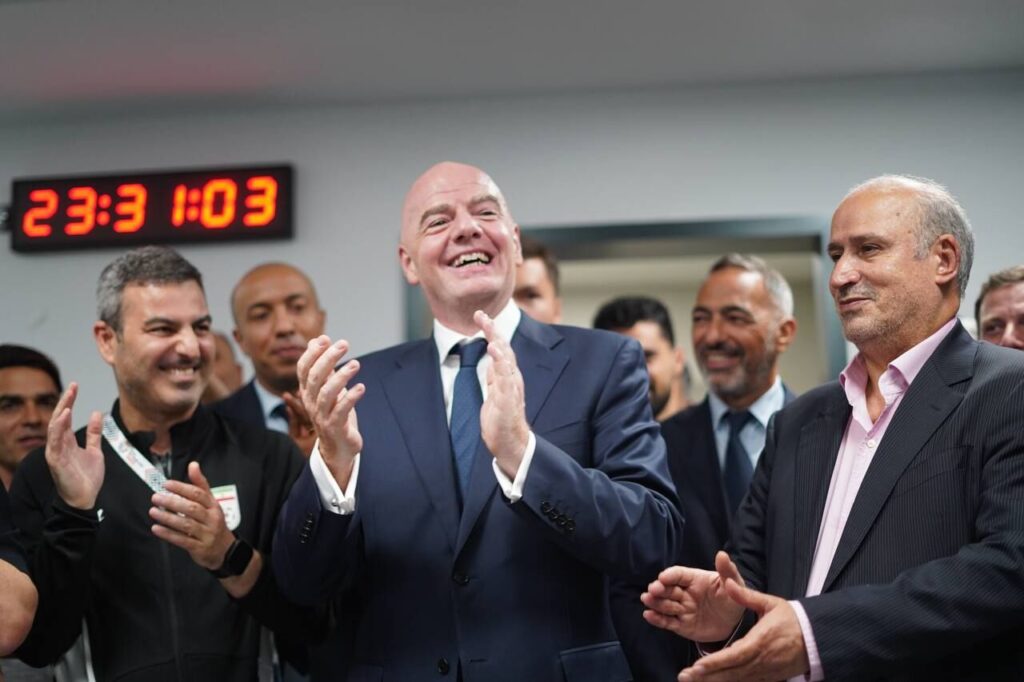
He acknowledged FIFA President Gianni Infantino's efforts to alleviate some of the logistical burdens, but quickly pivoted back to the grim reality:

"Although I know the FIFA president tried his best to solve the problems, these problems have only increased. We left the training session incomplete because we simply did not have enough time. That made our job infinitely harder."

The tone was measured but unmistakably bitter, a coach who feels his team has been set up to fail before a ball is even kicked.


Defensive Woes Acknowledged, But Recovery Denied

When pressed about Iran's defensive vulnerabilities, so painfully exposed by New Zealand, Ghalenoei did not shy away from the issue, but framed it within the broader context of logistical sabotage:

"In the previous game, we had problems with individual mistakes and defensive structure. With the little time we had, we were unable to recover properly because we spent more time traveling by air than on the ground. That prevented us from fully covering our defensive problems."

He emphasized that mental and psychological recovery took precedence over tactical drilling—a telling admission that the team's focus has been fragmented by external stressors. Analysis, he noted, came second.

"What was important to me was the mental and psychological issues. Then we worked on the analysis. We will definitely make changes against Belgium, but we have a very difficult task ahead."


Belgium: Respect Without Fear

On the subject of Belgium—a team boasting stars like Lukaku, De Bruyne, and Doku—Ghalenoei offered respect but refused to concede intimidation:

"As you said, Belgium is one of the very good teams in the world. But the reality is that in football, the game starts when the referee blows the whistle. The players are able to implement tactical orders well during the match. We also have very good, quality players who play with their hearts."

It was a brief nod to footballing matters, quickly overshadowed by a broader lament about the conditions his squad has endured.


Gratitude for Mexico, Silence from Others

In a rare moment of warmth, Ghalenoei extended his thanks to Mexico for their hospitality during Iran's training camp in Tijuana:

"I would like to thank them once again for hosting the team. They made up for all the shortcomings of others. I thank all the Mexican fans in the Tijuana camp."

The gratitude, however, only sharpened the contrast with the treatment Iran has received in the United States—a treatment Ghalenoei characterized as unprofessional and deeply unjust.


"I Asked 47 Other Coaches—I Got No Answer"

Perhaps the most striking revelation came when Ghalenoei disclosed his attempts to seek solidarity:

"I asked 47 other coaches who are at the World Cup, but I did not get an answer. We arrived in Los Angeles very late. We wanted two weeks before the tournament to get acquainted with the hosting conditions."

The implication was clear: Iran stands alone in its struggles, isolated not only by logistical barriers but by the indifference of the wider football community.


Executive Absence: A Team Without Its Leadership

Ghalenoei did not stop at travel grievances. He escalated his critique to include the absence of key Iranian football executives:

"The president of the federation, the team manager, the communication manager, and especially the media team are not with us. These behaviors are not at all in the standards of World Cup hosting. How can a team participate in the World Cup but all the executive staff of that team is absent?"

He connected this injustice to a deeper national narrative:

"These behaviors showed how much the Iranian people—especially the martyrs of the homeland—have been hurt by such behaviors. Even if we had spent billions of dollars, we could not have shown the oppression and rightfulness of the Iranian nation like this. But these behaviors have shown how oppressed a country we are."


A Plea for Justice, Not Politics

Ghalenoei was careful to distinguish his protest from political posturing:

"We did not come here for politics. We are protesting the treatment that is being done to us. I did not see the head coaches of other teams to see how they would react, but if I were there and I saw such injustice being done to another team, I would definitely react."

He reiterated his hope that future World Cups would not institutionalize such discriminatory practices:

"I hope the world will be governed in peace and tranquility, and that these behaviors will not be institutionalized in future World Cups."


Infantino's Efforts: Acknowledged but Insufficient

Ghalenoei carefully parsed his words regarding FIFA's involvement:

"I didn't say Infantino has helped. I said he is trying. For example, they told me I could go to America at 6 o'clock yesterday, and I welcomed that—but no matter how long we waited, nothing happened. This injustice was not good for us."

He pointed to a glaring inconsistency:

"They did not give a visa to the president of our federation, who is the father of the team and can solve many issues with his presence."


The Belgian Contrast: A Tale of Two Preparations

The most damning comparison was reserved for Belgium's preparation timeline:

"Belgium arrived in Los Angeles two nights before the game and had the necessary recovery. We arrived 16 hours earlier. They say we can now go to Seattle two days earlier to play with Egypt. If they had done this earlier, we would not have had problems. I wish they had given us the opportunity to come two weeks earlier—to adapt to the conditions of the match venue. I wish they had done justice to football for Iran as well."

He concluded with a pointed challenge:

"FIFA said in the game with Egypt in Seattle that you can implement the method you want. My question is: why did they not issue our visas earlier, and then not let us come here earlier for the games?"


Final Assessment: A Press Conference of Protest, Not Preparation

By the time Ghalenoei stepped away from the microphone, the assembled media had heard far more about travel schedules, visa denials, and perceived injustices than about the tactical battle awaiting Iran against Belgium. The defensive structure, the midfield pivot, the double-teaming of Doku—all the hard tactical questions that fans and analysts craved answers to were either glossed over or buried beneath the weight of legitimate grievances.

Whether Ghalenoei's complaints will galvanize his squad or serve as a distraction remains to be seen. What is certain is that the press conference will be remembered less for its footballing insights and more for its raw, unfiltered indictment of a host nation's treatment of Team Melli.

The world may not have heard a tactical masterclass from the Iranian coach. But they heard something perhaps more important: a coach fighting not just for a result, but for the basic dignity and fairness that every team deserves—yet Iran, once again, has been denied.


Team Melli changes the American-based camp to Mexico.

The Iranian national team will move its World Cup base camp to Mexico, according to a statement from Iran’s soccer federation president, Medhi Taj. The shift in location comes amid the ongoing war with the U.S. and related security concerns.

Iran was slated to train at the Kino Sports Complex in Tucson, Ariz., a location they decided on in mid-February before the regional conflict began; however, the country will now train out of Tijuana, a Mexican border city that is less than an hour flight to Los Angeles, where Iran will play its first Group G matches against New Zealand on June 15 and Belgium on June 21.

Tijuana is of similar distance to Seattle as Tucson would have been, with Seattle Stadium the final site of group play for Iran, facing off against Egypt on June 26.

“All team base camps for the countries participating in the World Cup must be approved by FIFA," Taj said.

“Fortunately, following the requests we submitted and the meetings we held with FIFA and World Cup officials in Istanbul, as well as the webinar meeting we had on Friday in Tehran with the respected FIFA secretary general [Mattias Grafström], our request to change the team’s base from the United States to Mexico was approved,” he added, although FIFA has yet to confirm the move publicly.

“We will be based in the Tijuana camp, which is near the Pacific Ocean and on the border between Mexico and the United States, but within Mexican territory. The contract will be finalized, and there are no issues, as it has already been approved by FIFA.”

The question and capacity of Iran’s participation in the World Cup has loomed since late February, when World Cup co-host U.S. first launched its aggression, killing over 100 students in a girls' school in Minab.

Directly after the initial airstrikes, Iran put their World Cup participation in question. “What is certain is that after this attack, we cannot be expected to look forward to the World Cup with hope,” Taj told the Iranian sports outlet Varzesh3.

Iran was then the only country not present the following week for FIFA’s three-day event in Atlanta to review the logistics of the tournament, an absence which saw U.S. President Donald Trump fuel the fire, stating: “I really don’t care [if Iran participates]. I think Iran is a very badly defeated country. They’re running on fumes.”

While Iran backtracked on some statements regarding the World Cup boycot and with much convincing by FIFA and Gianni Infantino in person, it was finally confirmed that Iran will compete at the 2026 edition. Nevertheless, Iran did try to move its World Cup matches to Mexico following what many interpreted as a veiled threat from Donald Trump to the Iranian delegation. In a pointed remark, the U.S. president declared that while Iran "is welcome to the World Cup, [he] doesn’t really believe it is appropriate that they be there, for their own life and safety", a statement in which he made clear that the U.S. government cannot guarantee the safety of Iran's squad on American soil.

Iran’s request to move its games to Mexico was a logistical undertaking that FIFA President Gianni Infantino outright denied; however, it seems the country and global organization reached some sort of compromise by having the Mexican training base, enabling Iran to fly to and from the U.S. only for matches.

Iran announces preliminary 30 players list for the World Cup.

Agence France-Presse

Iran’s World Cup squad will travel to Turkey on Monday for a training camp, friendlies and to complete visa applications before heading to the United States.

Team Melli will be returning to Antalya, where they trained and played friendlies in March.

They are taking a squad of 30 players, which will have to be trimmed to the World Cup maximum of 26. Perhaps the best known is 33-year-old former Porto striker Mehdi Taremi, now with Olympiacos.

“Selecting 30 players for this final training camp ahead of the World Cup was the most difficult technical decision of my coaching career,” head coach Amir Ghalenoei told the Iranian football federation website, adding he had selected players solely on “technical criteria”.

Iran hope to play two friendlies in Antalya. They have already confirmed one match, against Gambia, on May 29, said Sam Mehdizadeh, an Iranian-Canadian who heads a company that sets up friendlies for the team.

Iran and the US cut diplomatic ties in 1980 and the players are expected to use their time in Turkey to complete the necessary procedures for obtaining visas.

“No visas have been issued yet,” Mehdi Taj, the Iranian football federation head, told Iranian media.

Taj said players were expected to undergo fingerprinting in Turkey as part of the visa process but wished to avoid a trip of more than 280 miles (450km) from Antalya to Ankara.

Taj is expected to hold talks with Fifa president Gianni Infantino as Tehran seeks assurances for its squad amid tensions increased by the ongoing war.

He and the Iranian delegation met with Turkish football federation (TFF) president Ibrahim Ethem Haciosmanoglu and Mattias Grafstrom, the Fifa secretary general, on Saturday in Istanbul.

Dennis Dargahi , the German Iranian player, was recently added to Team Mell

“During this meeting, assessments were made regarding the training camp and preparations planned by the Iranian national team in Turkey ahead of the World Cup,” the TFF said on social media.

When the squad reaches the US, Iran will set up their base camp in Tucson, Arizona.
They are expected to kick off their World Cup campaign against New Zealand in Los Angeles on 15 June, before facing Belgium in the same city and then Egypt in Seattle, in Group G.

INITIAL 30 MAN ROSTER.

Goalkeepers: Alireza Beiranvand, Seyed Hossein Hosseini, Mohammad Khalifa, Payam Niazmand

Defenders: Daniyal Iri, Ehsan Hajsafi, Saleh Hardani, Hossein Kananizadegan, Shoja Khalilzadeh, Milad Mohammadi, Ali Nemati, Omid Noorafkan, Ramin Rezaian, Aria Yousefi

Midfielders: Roozbeh Cheshmi, Saeed Ezzatollahi, Mehdi Ghaedi, Saman Ghoddos, Mohammad Ghorbani, Alireza Jahanbakhsh, Mohammad Mohebi, Amir Mohammad Razaghinia, Mehdi Torabi.

Forwards: Ali Alipour, Dennis Dargahi (AKA Dennis Eckert), Hadi Habibinejad, Amir Hossein Hosseinzadeh, Amir Hossein Mahmoudi, Kasra Taheri, and Mehdi Taremi

MAJOR ABSENTEES:

There is no place on this list for Sardar Azmoun (the third-highest scorer in Iranian history) due to non-sporting reasons. Also, Allahyar Sayyadmanesh (winger for Belgian team Westerlo) has been excluded, while the rising star Mohammad Javad Hosseinnejad (a young midfielder playing in Russia).
Other absentees include Ali Gholizadeh, Lech Poznan winger, who suffered a serious injury in the Polish League.

Amir Ghalenoei

Iran’s Parliament Pushes for World Cup Participation, but Final Decision Hinges on U.S. Security Assurances

Tehran – Amid widespread popular enthusiasm and a clear political will to compete on the global stage, Iran’s Parliamentary Cultural Commission has confirmed that a specialized committee is actively reviewing the conditions for Team Melli’s potential participation in the FIFA World Cup 2026 in the United States. However, officials stress that no final decision has been reached, and any move forward is contingent on binding security guarantees from hostile U.S. authorities.

Strong Domestic Desire to Compete

Speaking to reporters, Ahmad Rastineh, spokesman for the Islamic Consultative Assembly’s Cultural Commission, underscored that both the Iranian public and political establishment are keenly determined to see Iran’s national team at the World Cup. Following a recent meeting with Ahmad Donyamali, Minister of Sports and Youth, and his deputies, Rastineh noted that participation in the 2026 World Cup is viewed as a matter of national pride and sporting excellence.

“The meeting extensively discussed the need for better planning to prepare national teams for Asian and world competitions, as well as securing future Olympic quotas,” Rastineh said. “Given the immense importance of the World Cup, detailed discussions were held with the minister and commission members. The popular demand and political inclination to participate are very strong, and we are exploring every avenue to make this happen.”

No Final Decision: Awaiting U.S. Assurances

Despite the widespread desire to attend the tournament, Rastineh made it clear that a final decision has not yet been made. The primary obstacle remains the absence of reliable security guarantees from U.S. authorities, whom Iranian officials characterize as a hostile government.

“In light of the multifaceted nature of these competitions and the conditions that occurred during past tensions—specifically the hostile atmosphere created by U.S. authorities—the need to form a specialized working group was emphasized,” Rastineh explained. “It was decided that a final decision will be made soon, but only after receiving concrete assurances from American officials regarding the safety and dignity of Iran’s national team delegation, including players, coaches, and accompanying personnel.”

He added that until such guarantees are provided and thoroughly vetted, the Islamic Republic will not commit to sending Team Melli to the United States, regardless of the strong popular and political inclination to participate.

Looking Ahead

The specialized committee will continue its review, weighing the passionate demands of Iranian football fans against the necessity of securing firm commitments from U.S. authorities. For now, Iran’s World Cup hopes remain alive, but officially on hold.

Meanwhile, Team Melli held its first training session under Amir Ghalenoei in preparation for the World Cup. 30 domestic league players are involved in the training camp. Iran matches are to be held in Los Angeles and Seattle.

Infantino’s idolisation of Trump has left football with blood on its hands

Story by Barney Ronay
 The Guardian

Mr President. Fellow exco members. We’re going to need a bigger Board of Peace. How many mini‑pitches are we up to now? Gaza got 50 of them last month. What will it take to football-fix the global conflict being set in train by Fifa’s own Peace Prize Boy? A hundred mini-pitches? Four billion mini-pitches? All the mini‑pitches in the universe?

In a more sane version of what we must, out of habit, call the real world, it would seem absurd to talk about sports administration in the context of the US, Iran and the airborne conflict being played out across the borders of their allies.

Sport is the most important of all the unimportant things. Sport is a part of a culture you fight for, but not a part of the battle. Sport is also prone to insisting on its own importance, shoving itself to the front of every photo like a particularly deluded family Labrador.

When news emerged on Monday that Iran had launched a drone attack on the Ras Tanura oil refinery in Saudi Arabia, there was an urge to point out this is a mere 250 miles from Cristiano Ronaldo’s house. Do we need a footballers‑and-their-war-menaced-mansions gallery? Meanwhile the UK government has advised British nationals in Saudi to stay inside and take cover. So … you’re saying this is an Ivan Toney story?

There are two reasons why this dynamic has now shifted, why football is not just an observer but an active participant in this picture; reasons that should in any sane version of reality be hugely damaging for Fifa and its executive.

The basic premise is jaw‑dropping enough. The co‑host of the Fifa World Cup finals this summer is currently bombing one of its participating nations. The co‑host of the tournament has murdered the head of state of the third‑ranked team in Group G.

Nothing quite like this has happened before. Britain was involved in bloody conflicts in Borneo and Aden while it hosted the 1966 World Cup. Russia has been banned from international sport as a consequence of invading the borders of a sovereign state, although this was still deemed unproblematic in 2018.

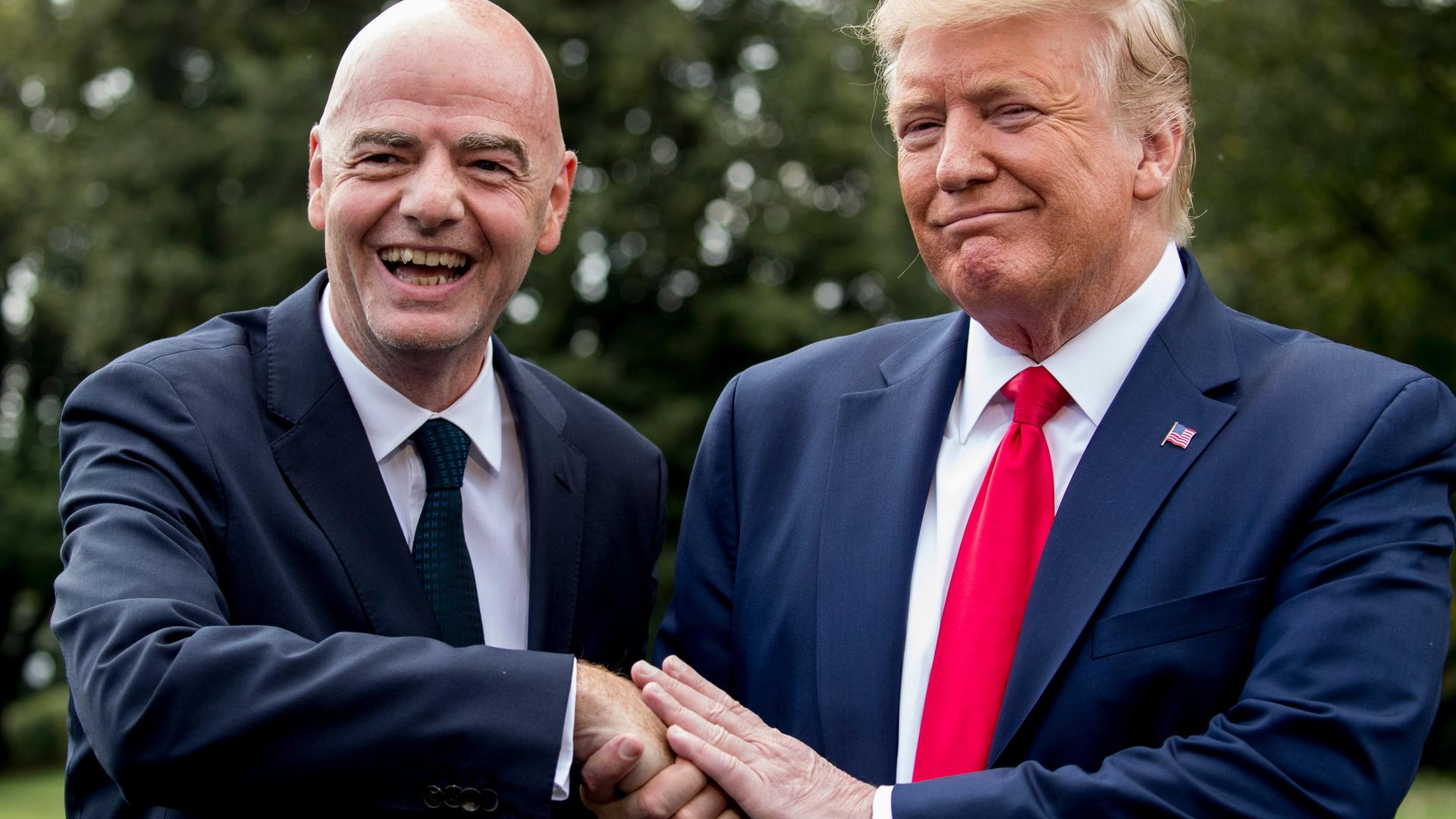
Clearly, nobody out there will have the will or the courage to apply a similar logic to the US. The issue is the extent of Fifa and Gianni Infantino’s willingness to act as a fluffer, ally and de facto propaganda mouthpiece for Donald Trump’s regime.

Never mind how gravely Infantino might frown, while pretending this has all been necessary realpolitik. The fact is, Fifa has tied itself with unquestioning zeal to a US president who has initiated eight acts of overseas aggression in his second term. And football has blood on its hands now, too.

This might seem like a stretch, or an overly dramatic take on the necessary exercise of Fifa’s global remit. But this has also been a choice. Infantino has, in full view of the consequences, repeatedly put Fifa in the same room as Trump’s autocratic exercise of power. Not as a guest or a bystander, but as an enabler, an active participant in the publicity machine.

Under its own statutes Fifa is supposed to be politically neutral. And yet this has still happened, to a degree that it has by now moved past cartoonish to grotesque. It was a choice to trail after the president like a goggle-eyed teenager offering gifts, a bauble here, a peace prize there, a strange and frightening Club World Cup trophy replica that looks like it contains a tiny drawer full of crow’s heads.

It was a choice not just to award Trump a peace prize, but to invent a peace prize from scratch so he could win it, that fittingly gruesome drag‑me‑to‑hell golden bauble with its nest of clawing hands.

As was the related announcement of the weird and pointless Gaza mini-pitch construction project, with its manipulative background imagery of rubble and displaced people casually tossed into the mix, a gruesome form of public conscience washing.

All of this is doubly absurd given the continued participation in the Fifa-verse of Israel, the same nation that is levelling Gaza’s existing infrastructure. Almost as an afterthought, it goes without saying that the weapons being used to reduce these people’s homes to rubble are being part-funded by the hosts of this summer’s tournament and Infantino’s own daddy‑regime. But never mind. The president has a golden peace ball. Keep looking at the peace ball.

In the end this will catch up with you. The open doors, the hours at the buffet table, the ballroom passes, all come at a cost. Fifa may not be directly responsible for all this. But it is now decisively part of the image-making that has empowered Trump to take his extreme executive actions.

There is of course a hugely complex set of demands in play here. The idea of a right and wrong side of history is never really clear. Sometimes you might straddle many of them all at once. But Fifa is so clearly drawn to the nearest power source, the biggest stick, the grandest stage, all the while presenting itself as grave and stately ambassador of hope, led by a man who increasingly resembles essence of pure inauthenticity, reconstituted into human form, packed into a blue suit and pushed out on stage to talk about peace, in the voice of a man addressing you from the bridge of his own golden ship of hope.

What happens next is entirely uncertain. As news broke of the US bombardment of Tehran, Fifa executives were at Hensol Castle in Wales overseeing the 140th annual general meeting of the International Football Association Board, which is at least a suitably scaled occupation for a bunch of sports administrators.

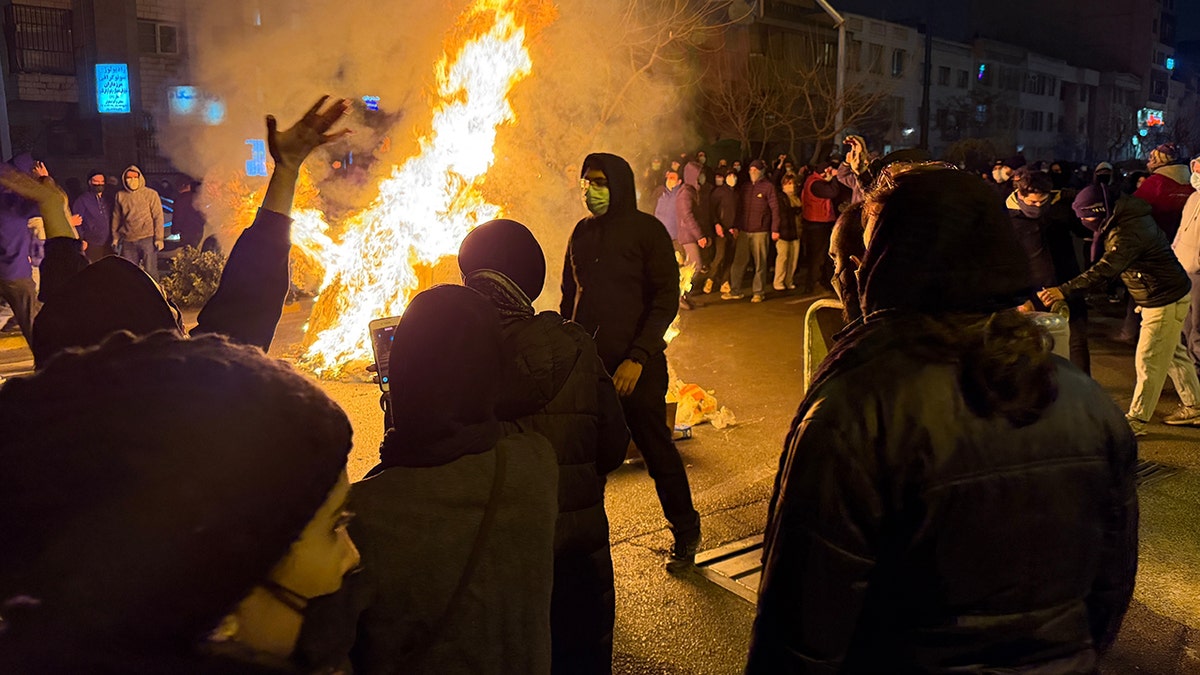
It seems impossible that Iran can now compete at the World Cup this summer, or indeed that it should have been present in any case given the regime is accused of killing tens of thousands of civilian protesters. The Iranian FA has stated it “cannot be expected to look forward to the World Cup with hope”. Its fans were already banned from entering the US.

Under Fifa’s statutes, there is no direct remedy should Iran drop out, although there is pretty much a free hand under force majeure for the executive committee to act as it sees fit. The United Arab Emirates and Qatar, struck by Iranian bombs in the past few days, were in the same qualifying group. As were North Korea. Perhaps Infantino has a route here to usher in another dear leader.

Some kind of fudge will be offered. A World Cup will take place if there is still a world left to contest it. The US needs this to happen. The show must continue. And this is an incidental aspect of the extraordinary story of Trump and Infantino. Football is always telling you things about the world, always running ahead to the tide.

Amir Ghalenoei

In this case it is providing the ideal, textbook, read-it-and-take-notes lesson in how dictatorships and propaganda work, how power glosses its actions with noise. How spectacle is used to flood the zone, and how nothing floods the zone like football.

In any sane version of sports governance Infantino should, at the end of all this, be forced to explain his actions, to justify taking global football into this space. It won’t happen. His own executive power is absolute.

The money continues to flow to his sub-partners. But history will still judge him, and judge his version of Fifa. There is no way of escaping that lens. And from here it already looks like the most grotesque, post-truth, fawningly complicit version of big sport ever devised.

Cheering Under Caution: The Physical Peril and Emotional Toll on Team Melli Fans in America

In its official press release, FIFA confirmed that fans from all 211 of its member nations submitted ticket requests during the Random Selection Draw phase between December 11 and January 13.

The organization said it received an average of 15 million requests per day – a figure it described as a new record for global football demand.

The 2026 tournament will feature 104 matches across 16 cities in the United States, Canada, and Mexico.

However, FIFA noted that a valid match ticket does not automatically grant entry into any of the three host nations.

Each fan must still meet national immigration criteria and obtain the appropriate visa before travelling to attend games.

Donald Trump’s visa rules add new uncertainty for travelling fans

The reminder follows recent US visa changes introduced under Donald Trump, which have created additional requirements for several countries, including Iran, and some with national teams qualified for the World Cup.

While players and officials are unaffected, fans from certain regions may face longer processing times or extra screening.

While FIFA emphasizes collaboration with local authorities to assist international fans with travel, this assurance rings hollow against the backdrop of the United States' complex and often stringent immigration enforcement regime. FIFA’s influence over federal law enforcement policy is negligible to nil. Consequently, fans planning to attend matches in the U.S. must prepare for more than just logistical hurdles; they must navigate a security environment where the lines between crowd control and aggressive immigration enforcement may dangerously blur.

The primary challenges are multi-layered:

1. The Visa and Entry Hurdle: Despite valid tourist visas, the sheer volume of applicants from 48 qualifying nations, combined with ever-shifting U.S. travel policies and heightened security screenings, will inevitably lead to delays, complications, and denied entries for some legitimate fans. The process will be stressful and unpredictable.

2. The Unprecedented On-the-Ground Risk: ICE and Policing at Mass Events: This constitutes the most severe and unique danger. Assuming fans secure both tickets and visas, they will have no special protection from U.S. Immigration and Customs Enforcement (ICE) or other law enforcement agencies. Historically, these forces have operated with broad discretion, and their actions have frequently been criticized for racial profiling and excessive force.

  • A Pattern of Targeting: Documented incidents show a disturbing focus on individuals perceived as foreign, particularly those of Hispanic, Middle Eastern, South Asian, and African descent. The pervasive fear is that in the frenetic, crowded environments surrounding World Cup venues, individuals speaking foreign languages or fitting certain racial profiles will be disproportionately subjected to stops, questioning, and detention.
  • Arbitrary Violence and Lethal Force: As highlighted by the tragic shooting of a mother of three by ICE agents, an American citizen, the potential for escalation to lethal force, while statistically low, exists and is a terrifying prospect. For visiting fans, unfamiliar with their rights in U.S. jurisdictions, a tense interaction could escalate rapidly.
  • A Heightened, Active Presence: It is a near certainty that ICE and Homeland Security units will be significantly bolstered around stadiums, fan zones, and transportation hubs under the banner of "event security." Their mandate, however, will dualistically cover both public safety and immigration enforcement, creating a climate of anxiety for international attendees.

3. A Stark Tri-Nation Contrast: This paints a starkly different picture for the 2026 tournament’s three hosts. Canada and Mexico, while certainly implementing strong security, are generally perceived as having policing models more oriented toward facilitation and welcoming international guests at mass events. The U.S. approach, colored by its domestic politics and immigration debates, is projected to be more confrontational and enforcement-heavy.

Team Melli's Diaspora: A Home Support in Exile, Shadowed by Risk
For Iran's national team, Team Melli, the 2026 World Cup group stage in the United States presents a poignant and paradoxical scenario. Given the severely strained diplomatic relations and stringent U.S. visa policies, it is safe to assume that virtually no Iranian passport holder residing in Iran will successfully secure entry to attend matches in Los Angeles or Seattle. Consequently, Team Melli's visible support in the stadiums will be almost entirely composed of the Iranian diaspora.

This diaspora, however, represents a formidable and passionate force. The bulk of the support will emanate from the vast and established Iranian communities in California and Washington state—cities like Los Angeles itself and Vancouver, BC, are home to some of the largest populations of the Iranian diaspora outside of Iran. Thousands of expatriates and second-generation Iranian-Americans and Iranian-Canadians will turn the stands into a sea of green, red, and white, creating a powerful "home-away-from-home" atmosphere. To a lesser extent, fans residing in Europe and other parts of the Middle East will also contribute to the numbers, forming a global patchwork of support united in national pride.

Yet, this unifying celebration will unfold under a cloud of palpable anxiety. The very identity that brings these fans together, their Iranian heritage, could make them specific targets in the heightened security environment. The political situation between the U.S. and Iran ensures that Iranian diaspora fans, regardless of their citizenship status, will be under increased scrutiny.

The Peril of Profiling and Intimidation

Even foreign-born fans holding U.S., Canadian, or European passports are not immune to risk. In the tense, crowded zones around stadiums, where ICE and federal agencies operate with broad mandates, the potential for profiling is acute. Fans speaking Farsi, wearing Team Melli regalia, or simply possessing features associated with the Middle East may face disproportionate stops, aggressive questioning, searches, and intimidation. The documented tactics of these forces, which critics describe as heavy-handed and uncivilized, could transform a day of festivity into an ordeal of confrontation.

The prediction, therefore, is bittersweet: While tens of thousands of Team Melli fans will passionately enjoy the historic opportunity to support their team on the world's biggest stage in their adopted homes, their experience will be uniquely marred by an undercurrent of political tension and personal vulnerability. Their cheers will be a testament to enduring cultural pride, but their presence will be a navigation of a landscape where national heritage inadvertently becomes a security liability. The matches in the U.S. will be less a simple sporting getaway and more a complex act of visible, defiant celebration within a charged geopolitical context.

Conclusion: An Unprecedented Safety Calculus
Never in the history of the FIFA World Cup has the spectator safety calculus been so complex. The traditional concerns of pickpocketing or crowd crushes are now compounded by a genuine, if difficult-to-quantify, risk of adversarial encounters with federal enforcement agencies. Fans must be vigilant, thoroughly informed of their rights, and prepared for an atmosphere where the celebration of football intersects with the tense realities of American border politics. For many, the promise of the beautiful game will be shadowed by an unavoidable apprehension, making the U.S. host cities the most challenging and potentially perilous destinations of the 2026 tournament.