
VAR Heartbreak Denies Iran Historic Victory as Team Melli Left in Agonizing Limbo
Iran 1–1 Egypt: A Night of Drama, Controversy, and Unfinished Business
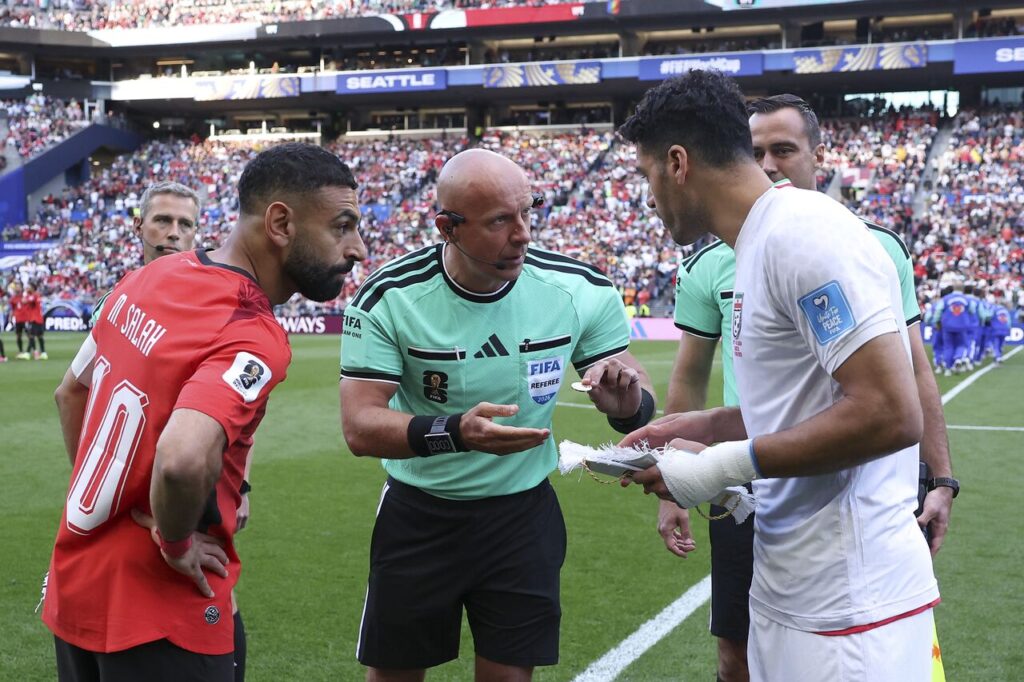
Team Melli played out a 1–1 draw against Egypt in their final Group G match, completing the group stage unbeaten—yet still uncertain of their qualification fate for the Round of 32. In a night filled with controversy, both on and off the pitch, Iran came agonizingly close to sealing their place in the knockout rounds, only to be denied by a brutal VAR decision in stoppage time.
A Distraction-Filled Spectacle
From the outset, this match was overshadowed by forces far beyond football. The American government and the organizing committee made every possible effort to provoke both the Iranian and Egyptian teams, using the tournament platform to promote the Pride movement against the explicit wishes of both nations. The bulk of the American mainstream media coverage focused not on the football being played, but on political protests and LGBTQ+ activism—a transparent attempt to distract from the sport and weaponize the World Cup for ideological purposes.
To their immense credit, Team Melli withstood this psychological warfare with remarkable composure. From the booing of the Iranian national anthem to the relentless political posturing in the stands, the players remained focused on the task at hand and delivered a performance to remember.
A Soft Goal, A Missed Penalty, and A Swift Response
Egypt struck early, scoring in the 5th minute with what was arguably the softest goal Iran has conceded in years. A defensive lapse compounded by uncharacteristic hesitation from Alireza Beiranvand allowed the Pharaohs to take an early lead. Yet, rather than collapsing—as Iranian teams have done in the past—this squad showed resilience.
Just minutes later, Mehdi Taremi won a penalty after being fouled inside the box. The captain grabbed the ball with intent, but his body language betrayed a lack of conviction. His feeble spot-kick was parried by the Egyptian goalkeeper—a miss that would prove costly in the final reckoning.
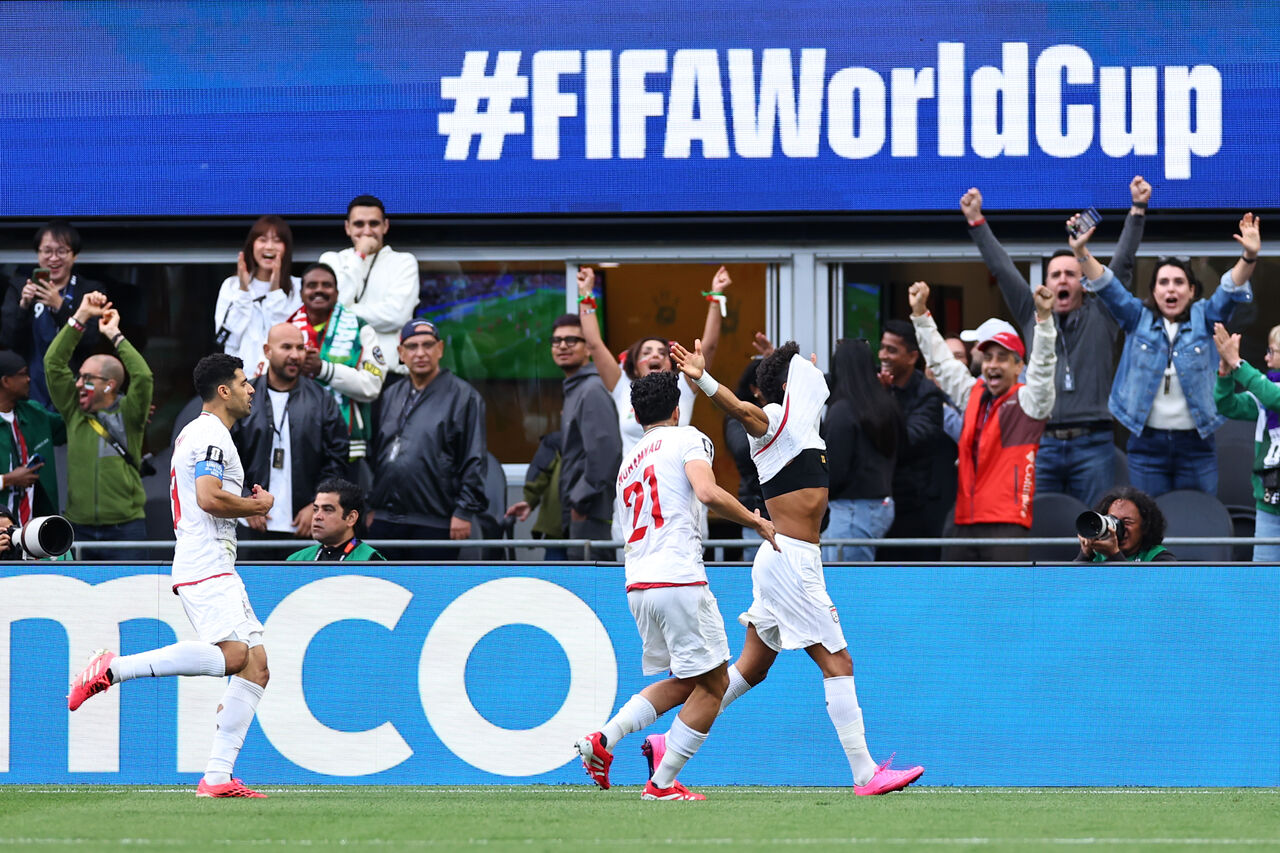
The savior, once again, was Ramin Rezaeian. In the 13th minute, from the most acute of angles, the indefatigable right-back fired home a stunning equalizer. It was a goal of sheer quality and determination, keeping Iran's hopes very much alive.
Route One Football – A Flawed Strategy
As in all previous matches, Ghalenoei opted for a direct, route-one approach. The advantage of this system lies in Iran's two clever and competent wingers—Milad Mohammadi and Ramin Rezaeian—who thrived when balls were played out wide. However, when the defense launched long balls directly toward the lone striker, Mehdi Taremi, the strategy proved wasteful. Taremi, for all his industry, lacks the pace and dribbling ability to consistently turn such deliveries into scoring opportunities. He disrupted Egypt's defense with his movement and physicality, but he lacked the quality to make those balls count.
Second-Half Chaos
The second half was a frantic, end-to-end affair. Egypt's talisman Mohamed Salah was withdrawn due to a knock—a significant blow to the Pharaohs' attacking threat—but his replacement, Omar Marmoush, proved a handful in his own right, creating several headaches for Iran's backline.
The VAR Nightmare – A Goal That Never Was
The match reached its dramatic crescendo in stoppage time. In a frenetic finale, Iran seemingly scored a game-winning goal when Shoja Khalilzadeh pounced on a loose ball and fired home from close range. Pandemonium erupted among the Iranian players and fans—they had done it. They had clinched a spot in the knockout round.
Then came the crushing blow.
VAR intervened. A lengthy review concluded that Khalilzadeh was marginally offside. The goal was disallowed. The celebration turned to devastation. Iran had been denied a historic victory by the finest of margins—a brutal, heart-wrenching ending that left players slumped on the pitch and fans in disbelief.

Qualification – A Nervous Wait
The other match in the group ended 5-1 in favor of Belgium. With three points and a goal difference of zero, Iran's fate is no longer in their own hands. They must now wait for the conclusion of matches in other groups, particularly those involving Croatia, Algeria, and DR Congo, whose results will determine whether Iran's unbeaten campaign is rewarded with a place in the Round of 32.
On paper, Iran's position is strong—but in the cruel arithmetic of World Cup qualification, nothing is guaranteed until the final whistle blows in every group.
Final Verdict
Iran's performance throughout the group stage has been a testament to their resilience, tactical discipline, and growing belief. They have gone unbeaten against New Zealand, Belgium, and Egypt—a feat that would have seemed improbable just weeks ago. Yet, the shadow of VAR and the lingering regret of a missed penalty will haunt them until their fate is confirmed.
If Iran does qualify, they will do so with the knowledge that they deserve it. If they fall short, they will be left to wonder what might have been—had that penalty been converted, had that goal stood, had the football been allowed to speak for itself.