Category: News

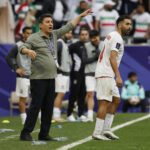
Ghalenoei and Ghoddos on touchline

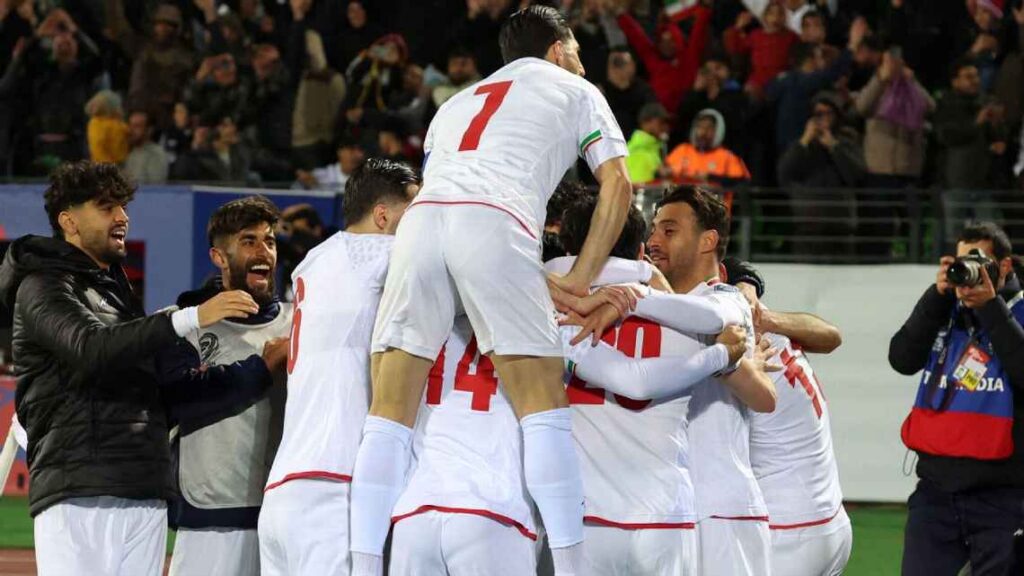
Taremi’s Unauthorized Penalty Decision Sparks crises in Team Melli dressing room.

A controversial incident involving captain Mehdi Taremi has overshadowed Iran’s penalty shoot-out defeat to Uzbekistan in the final of the Al-Ain International Cup. Contrary to the coaching staff’s explicit plans, Taremi unilaterally decided not to take the team’s fifth and crucial penalty, instead assigning it to defender Milad Mohammadi, who subsequently missed with an amateurish kick.

While a loss in a friendly match is often dismissed as inconsequential, Taremi’s act of insubordination—overriding the coach’s direct orders—has raised significant alarms within the national team. The financial implication of forfeiting the tournament’s prize money further compounds the seriousness of the defeat.

According to an ISNA report, the conflict erupted immediately after the match when a furious head coach, Amir Ghalenoei, confronted Taremi on the pitch. The confrontation escalated in the locker room, where Ghalenoei severely criticized his captain for what he deemed an arbitrary and costly decision.

In an attempt to justify his actions, Taremi stated to the media in the mixed zone that his reason for not taking the penalty was to “give other players a chance to gain experience.”
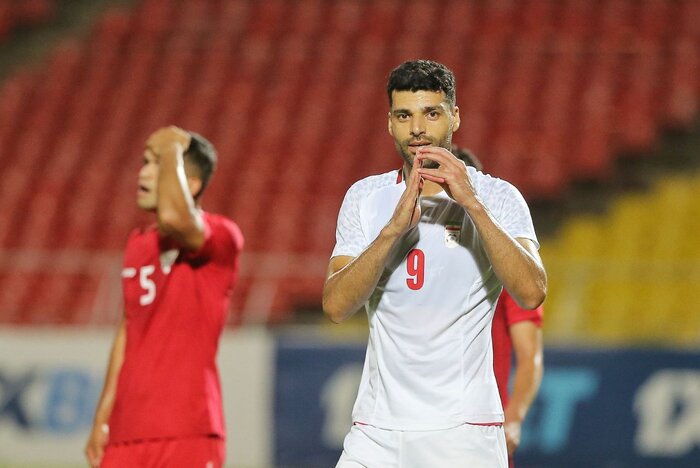
However, this justification has been met with widespread skepticism. Even if well-intentioned, it is widely viewed as a feeble, poor judgment and an unreasonable excuse for such a critical, game-deciding moment. Making a significant tactical change without the coordination and approval of the head coach is a clear breach of protocol. The established procedure in football grants the head coach and his staff the final say on penalty takers, a decision based on training data, player psychology, and in-game conditions. While a captain may offer input, the ultimate authority rests unequivocally with the coach.

Taremi’s actions constitute a direct challenge to the coach’s authority. This move not only undermines the credibility of the technical staff but also sets a dangerous precedent for player insubordination, creating a crisis of leadership that extends far beyond the result of a single friendly.

In light of this incident, Taremi’s captaincy is now seriously in question. His blatant insubordination against Uzbekistan, coupled with a perceived general lack of leadership on and off the field, has eroded his standing. With Taremi’s own form also a subject of widespread media criticism, the under-pressure and reportedly furious Ghalenoei may have no choice but to consider an alternative for the captain’s armband to reassert his authority and stabilize the squad.

Uzbekistan Lifts Al Ain International Cup After Penalty Shoot-Out Victory Over Iran

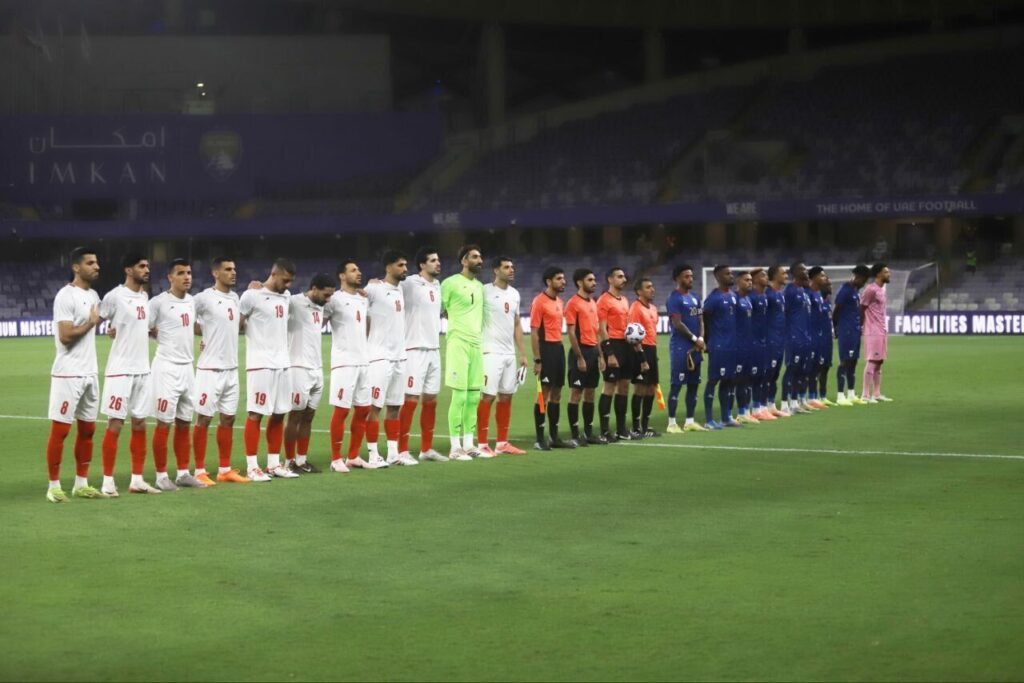
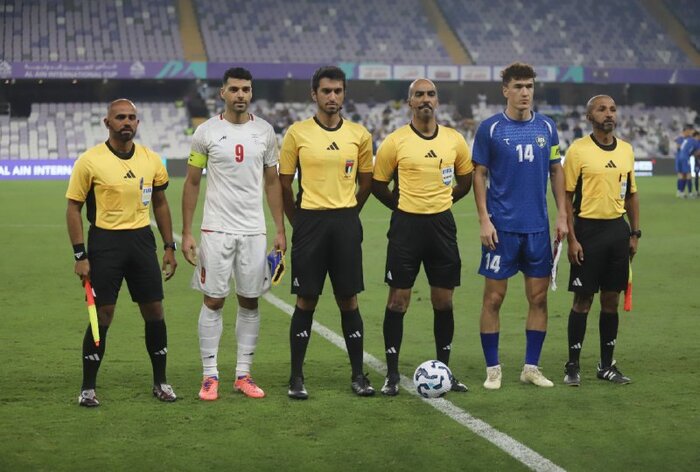
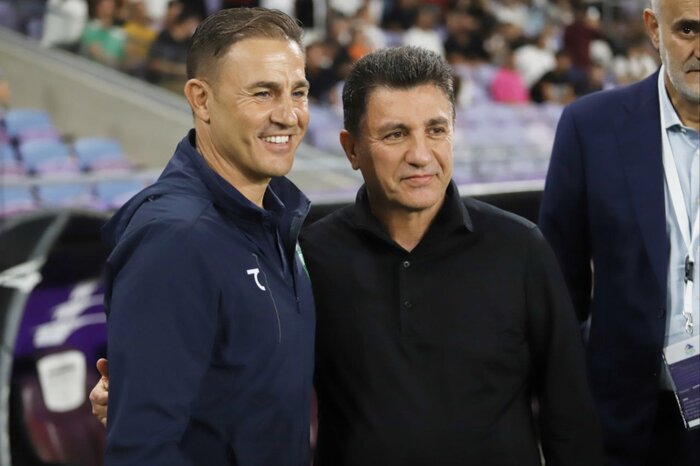
Uzbekistan clinched the Al Ain International Cup on Tuesday evening, defeating Iran in a penalty shoot-out following a 0-0 draw at the Hazza Bin Zayed Stadium. This was Iran’s second consecutive goalless draw, having previously advanced past Cape Verde 5-4 on penalties in the semi-final.

The final began cautiously, with both sides appearing reserved and reluctant to take risks in attack. Uzbekistan initially held a slight edge, but Team Melli, grew in confidence as the match progressed. Despite their increasing possession, poor finishing let Iran down, failing to seriously test Uzbekistan’s goalkeeper, Nematov. Uzbekistan was similarly wasteful in front of goal, missing two golden opportunities that arose from lapses in the Iranian defense.

The game saw an early setback for Iran when Saeid Ezatollahi suffered an injury in the 9th minute, forcing his substitution with Mohammad Ghorbani.

The second half was more dynamic, with a more organized Team Melli forcing Uzbekistan to work harder. Saman Ghoddos became more influential, supported by Ghorbani and the newly introduced Omid Noorafkan, who replaced Mehdi Hashiminejad. Despite Iran’s control, its insistence on crosses from the flanks, most of which were poorly delivered, proved ineffective. Milad Mohammadi was particularly guilty of wayward crosses, highlighting a lack of alternative offensive strategies from the coaching staff.

The match’s pivotal moment came when Uzbekistan’s central defender, Abdulqadir Khusanov (of Manchester City), was shown a straight red card. He blatantly fouled the quicker Ali Alipour, who was through on goal following a defensive error, denying a clear scoring opportunity.

Playing with ten men, Uzbekistan retreated to defend their goal. This gave Iran ample opportunity to find a winner, but a familiar lack of quality, amateurish passing, and a general absence of drive meant Nematov had a more comfortable time than expected. The introduction of Alireza Koushki in the 81st minute provided a late spark. Koushki ran havoc in the Uzbek defense, dazzling with his dribbling and creating a brilliant chance in the six-yard box that went unfinished. In his brief eight minutes on the pitch, he was a constant threat and was arguably the Man of the Match, outshining his below-par teammates.

The Penalties

In the shoot-out, Iran missed two penalties while goalkeeper Alireza Beiranvand saved one. The spot-kicks taken by Mehdi Mohebbi and especially Milad Mohammadi were of such poor quality that they proved costly. The decision to entrust Mohammadi, a player not known for his composure or penalty-taking skill, with a crucial penalty, while leaving regular taker Mehdi Taremi on the sidelines, raised serious questions about Coach Ghalenoei’s strategic decision-making.

In the end, Uzbekistan deservedly won the tournament and the prize money, while Team Melli failed to score a single goal in their two matches of the competition.

A solitary positive for Iran is that they have now kept three consecutive clean sheets, including their recent friendly against Tanzania, suggesting a foundation of defensive solidity to build upon.

Clash of Styles and Spirits: Iran’s Pedigree vs. Uzbekistan’s Momentum in Al Ain Final


The stage is set for a compelling final in the Al Ain International Cup, as Team Melli of Iran prepares to lock horns with a resurgent Uzbekistan at the Hazza Bin Zayed Stadium. While the FIFA rankings and historical prestige heavily favor the Iranians, the narrative on the pitch tells a vastly different and more intriguing story.

The Road to the Final: A Tale of Two Semis

The semi-finals provided a stark contrast in team morale and performance. Iran labored to a 0-0 draw against Cape Verde, a team ranked 77th in the world, before narrowly securing their final berth with a 5-4 victory in a penalty shootout. The performance was characterized by a disjointed offense, poor ball distribution, and a palpable lack of creativity. In worrying signs for Iranian fans, star striker Mehdi Taremi was effectively neutralized, while domestic league top scorer Amirhossein Hossenzadeh failed to test the Cape Verdean goalkeeper.

In the other semi-final, Uzbekistan delivered a masterclass, dismantling a strong Egyptian side with a commanding 2-0 victory. The White Wolves displayed a modern, fluid brand of football that their opponents struggled to contain. Their performance was a symphony of coordinated pressing, incisive passing, and clinical finishing—a world away from the disjointed display from Team Melli.

The Uzbek Juggernaut: Led by a Familiar Foe

The undisputed architect of Uzbekistan’s victory was Oston Urunov. The Persepolis winger was in scintillating form, scoring a well-taken brace and terrorizing the Egyptian defense throughout the match. Urunov’s performance was a showcase of offensive prowess that the Iranian forward line conspicuously lacked; he was unlucky not to have scored four, with one effort cannoning off the woodwork and another denied by a spectacular save.

His display serves as a poignant reminder to the Iranian federation and fans: the quality exists within the Persian Gulf Pro League, but harnessing it for the national team remains a significant challenge. For Uzbekistan, Urunov symbolizes a new generation of technically gifted and confident players who excel in their defined roles within a coherent tactical system.

Iran’s Identity Crisis: System over Stars?

On paper, Iran, ranked 21st in the world, should be the clear favorite. They boast a squad featuring stars from Europe’s top leagues and a pedigree that includes consistent World Cup appearances. However, football is not played on paper. The recent form presents a grim picture for Team Melli, who are winless in their last five encounters against Uzbekistan, including a 1-0 loss in Tashkent in their most recent meeting.

The core issue appears to be systemic. Under the current coaching regime, the team often looks less than the sum of its talented parts. There is a reliance on individual brilliance to break down opponents, which, when it fails—as it did against Cape Verde—leaves the team looking rudderless. The midfield often fails to control the tempo or provide a link between defense and attack, leaving isolated forwards to feed on scraps.

The prevailing mentality is also under scrutiny. If a goalless draw against a lower-ranked opponent is perceived as an acceptable result, it raises questions about the ambition and attacking philosophy driving the team forward.

The Final Verdict: A Clash of Contradictions

This final is a classic clash of contradiction: historic reputation versus current form; individual stars versus a cohesive unit; cautious pragmatism versus confident, attacking football.

While Uzbekistan enters the match beaming with confidence and a clear tactical identity, Iran seems burdened by expectation and a lack of a defined playing style. For Team Melli to lift the trophy, they must engineer a massive turnaround—something they have shown little evidence of being capable of in recent times. Relying on the defensive solidity that held firm against Cape Verde will not be enough against a multifaceted Uzbek attack.

Prediction:

Based on the evidence of the semi-finals and recent head-to-head records, the momentum is firmly with Uzbekistan. They play as a confident, modern team that believes in its system and its players. Iran, in contrast, looks fragile and creatively bankrupt. A draw within regulation time, potentially leading to another nerve-wracking penalty shootout, seems the most optimistic outcome for Iran. On current form, however, Uzbekistan are the clear favorites to be crowned champions, poised to prove that a well-drilled team with a clear vision can triumph over a collection of individuals struggling for an identity.

Iran 0-0 Cape Verde. Issues Under Ghalenoei persists

Al Ain, UAE – In another underwhelming performance that has become characteristic of the Amir Ghalenoei era, Iran’s national football team struggled to a goalless draw against World Cup debutants Cape Verde in the Al Ain International Cup on Tuesday. The match, which required a penalty shootout to determine progression, saw Alireza Beiranvand emerge as the unlikely hero with a crucial save that secured Iran’s place in the final.

Tactical Deficiencies Laid Bare

From the opening whistle, the African archipelago nation—ranked 71st in the world—seized control of the match, forcing Team Melli into a defensive posture that has become all too familiar under Ghalenoei’s leadership. While Cape Verde demonstrated why they earned their historic qualification for the 2026 World Cup, their lack of clinical finishing spared Iran from what could have been an embarrassing defeat.

The tactical approach from the Iranian side raised serious questions about Ghalenoei’s footballing philosophy. Team Melli reverted to what has become their default strategy: route-one football characterized by long balls launched from defense toward the forward line. This simplistic approach consistently failed to yield results, primarily due to the glaring absence of pace in Iran’s attacking third.

Second-Half Glimmer Quickly Extinguished

The second half offered marginal improvement, with Iran creating two clear opportunities to break the deadlock. The most notable chance came when Ezzatollah found himself with an open goal, only to see his effort miraculously cleared off the line by a Cape Verde defender’s heroic header. This moment encapsulated Iran’s ongoing struggles in front of the goal, an issue that has plagued the team throughout Ghalenoei’s tenure.

Individual performances further highlighted the team’s decline. Hosseinzadeh, typically a creative spark, delivered a subdued performance that warranted his substitution. Mehdi Taremi, expected to lead the line, endured another forgettable outing in what is becoming a worrying pattern of underperformance. The midfield unit operated on the periphery of the game, failing to establish control or provide meaningful service to the attackers.

Defensive Solitude in a Sea of Mediocrity

Ironically, Iran’s defenders emerged as the team’s strongest performers—a damning indictment of the overall team display when facing a nation ranked 41 places below them in the FIFA rankings. That the backline stood out as the brightest aspect of Team Melli’s performance against Cape Verde underscores the alarming regression of a team that once commanded respect in Asian football.

Ghalenoei’s Post-Match Narrative Defies Reality

Following the match, Ghalenoei continued his pattern of fact-twisting statements that have become hallmarks of his press conferences. Rather than addressing the evident tactical shortcomings and lack of coherent gameplay, the coach opted to glorify what he described as a “disciplined performance” , a characterization that starkly contradicts the reality witnessed by spectators and analysts alike.

The persistence with broken tactical approaches and the refusal to adapt to opponents’ strengths has become a defining feature of Ghalenoei’s leadership. His post-match explanations increasingly resemble exercises in denial rather than genuine assessments of performance.

World Cup Prospects Look Bleak

With the 2026 World Cup expanding to 48 teams, Iran’s qualification prospects should theoretically be more favorable. However, recent performances and especially Thursday’s performance against Cape Verde raise serious doubts about whether Ghalenoei possesses the tactical acumen to navigate even this more accessible pathway. The team’s steady decline under his guidance suggests that Iran risks becoming mere participants rather than competitive forces in global football’s premier tournament.

The technical deficiencies, an aging team, lack of creative solutions, and persistent reliance on outdated tactical approaches paint a worrying picture for Iranian football. As the team prepares to face either Egypt or Uzbekistan in the final, the fundamental questions surrounding Ghalenoei’s leadership remain unanswered—and indeed, grow more urgent with each disappointing performance.

The victory in penalties may have secured progression, but it did little to mask the systemic issues that continue to undermine Iranian football. For the growing number of critics, this match served as further evidence that a change in direction may be necessary before the team’s decline becomes irreversible.

Cape Verde: From Independence Jubilee to World Cup Debut

Cape Verde – A nation of fewer than 525,000 people is celebrating a historic milestone—50 years of independence and its first-ever qualification for the FIFA World Cup. Last month, scenes of unrestrained joy erupted at the Estadio Nacional as more than 15,000 fans, draped in Cape Verdean blue, witnessed their national team secure a place in football’s greatest tournament.

Players from across the globe—Ireland, North America, and Cape Verde itself—embraced, danced, and celebrated together on the pitch, embodying the pride of a nation that has become the second-smallest by population to qualify for the World Cup, trailing only Iceland.

A Footballing Rise Rooted in History

Since gaining independence from Portugal in 1975, Cape Verde has steadily built its footballing identity. The national football federation was established in 1982, and by 1986, the country became a FIFA member. For over two decades, Cape Verde has competed in World Cup qualifiers, gradually emerging as a rising force in African football.

The team first announced its arrival on the continental stage by qualifying for the 2013 Africa Cup of Nations, where it reached the quarterfinals. A decade later, Cape Verde repeated the feat, bowing out in the top eight after a hard-fought penalty shootout loss to South Africa.

Recent Form and Key Players

Cape Verde enters the World Cup on a strong run of form, with recent results including:

  • Cape Verde 1–0 Mauritius
  • Angola 1–2 Cape Verde
  • Cape Verde 1–0 Cameroon
  • Libya 3–3 Cape Verde
  • Cape Verde 3–0 Eswatini

Leading the attack is Ryan Mendes, the national team’s all-time top scorer with 22 goals. A teammate of Sardar Dursun at Turkey’s Kocaelispor, Mendes embodies the global reach of this squad.

While Cape Verde has no players in Europe’s top five leagues, the team relies on a diaspora of talent competing across Slovakia, Portugal, Belgium, Hungary, Ireland, Morocco, Bulgaria, USA, Azerbaijan, Russia, UAE, Greece, Poland, Saudi Arabia, Spain, Switzerland, and Scotland.

Among the standout performers is Ricardo Santos, a commanding defender for Swansea City in the English Championship.

Looking Ahead: Iran vs. Cape Verde

Cape Verde will continue its World Cup preparations in a quadrangle tournament in the UAE, where it is set to face Iran on November 12 in Al Ain. The match offers a valuable test for both sides ahead of next year’s global showdown.

For Cape Verde, it’s another opportunity to showcase how far this island nation has come—on and off the pitch.
Mounting Pressure on Team Melli

While Cape Verde enters their upcoming match with nothing to lose and everything to gain, the stakes are considerably higher for Iran. Despite securing early qualification for the 2026 FIFA World Cup, Team Melli under coach Amir Ghalenoei faces intense scrutiny and growing disillusionment among its fanbase.

Three disappointing losses this year—to Qatar, Russia, and Uzbekistan—coupled with unconvincing game plans, poor finishing, and disorganized defending have fueled widespread criticism. A palpable disconnect has emerged between the team and its supporters, exacerbated by Ghalenoei’s perceived reluctance to address recurring tactical shortcomings.

The decline in public support was starkly evident during Iran’s recent 2–0 victory over Tanzania in Dubai. The match attracted only 1,340 spectators—the lowest attendance in Team Melli’s history—with most present supporting the opposition. This is particularly telling in a city home to one of the largest and most passionate Iranian diasporas, signaling a rapid erosion of faith in the national squad.

Looking Ahead: Iran vs. Cape Verde

As the two sides prepare to meet on November 12 in Al Ain, expectations for a tactical revival from Iran remain low. Ghalenoei is expected to field a familiar lineup and stick to his established approach—a strategy that may offer coaching staff a sense of continuity, but one that could prove costly.

For Cape Verde, the match is another opportunity to build momentum ahead of their World Cup debut. For Iran, it is a critical test of morale and direction. A loss against the African newcomers could sound alarm bells within the Football Federation of the Islamic Republic of Iran (FFIRI), potentially forcing a long-overdue reckoning with the team’s direction under its current leadership.


Iran’s Futsal Team Crowned Champions at Islamic Solidarity Games 2025

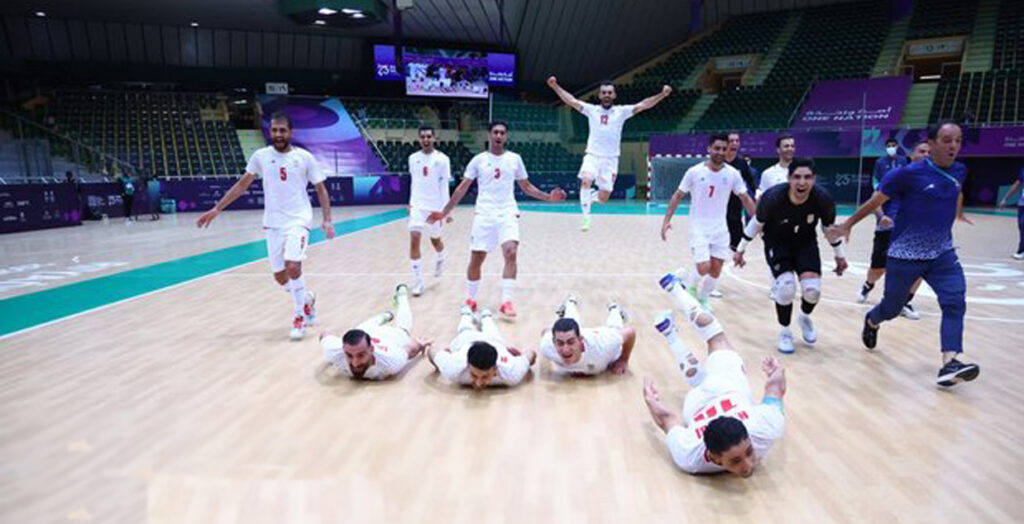
Riyadh, Saudi Arabia – Iran’s national futsal team has been crowned champion of the Islamic Solidarity Games 2025, securing the gold medal with a commanding 5-0 victory over African champions Morocco in the final held at Riyadh’s Ola Arena on Tuesday evening.

Dominant Final Performance

Team Melli delivered a masterclass performance against the Moroccan side, controlling the match from start to finish. The scoring opened early with Amir Hossein Gholami finding the net, setting the tone for Iran’s offensive dominance.

Mehdi Karimi doubled Iran’s advantage with a powerful, ferocious shot that left the Moroccan goalkeeper with no chance. Captain Hossein Tayebi then extended the lead to 3-0, completing a first-half onslaught that left the African champions reeling.

Defensive Heroics and Strategic Brilliance

Facing a significant deficit, Morocco implemented an aggressive power play strategy that lasted over ten minutes toward the end of the first half. However, Iranian goalkeeper Bagher Mohammadi delivered a heroic performance between the posts, supported by exceptional team defending that consistently denied Moroccan scoring opportunities.

The first half concluded with Iran maintaining their commanding 3-0 advantage.

Second Half Mastery

The match tempo moderated in the initial minutes of the second period, though Iran missed two clear opportunities to further extend their lead.

As anticipated, Morocco reinstated their power play strategy with renewed intensity and vehement attacking pressure. Once again, the Iranian defensive unit rose to the challenge, with Mohammadi continuing his exceptional form by expertly handling every ball that reached his area.

Demonstrating tactical intelligence, Iran capitalized on Morocco’s offensive gambles by scoring twice into the unprotected goal during the power play. Captain Hossein Tayebi netted his second of the match, while Amir Hossein Gholami bookended the scoring with his second goal—Iran’s fifth—sealing a comprehensive victory in spectacular fashion.

Tournament Journey to Gold

Under the guidance of coach Vahid Shamsaei, Iran’s path to the championship demonstrated remarkable resilience and growth throughout the competition.

The campaign began with a hard-fought 2-2 draw against the same Moroccan team in the group stages. Iran then faced another challenging match against a determined Afghan side, resulting in another 2-2 draw that tested the team’s character.

The turning point came in their third group match, where Iran delivered an impressive 4-1 victory over Tajikistan. This momentum carried into the semifinals, where they secured a 4-2 win against Uzbekistan to earn their place in the final.

Morocco reached the championship match by defeating host nation Saudi Arabia in a tightly contested extra-time battle.

Championship Legacy

This gold medal achievement adds another prestigious chapter to Iran’s rich futsal history, reaffirming their status as a global powerhouse in the sport. The comprehensive victory over continental champions Morocco showcases the technical quality, tactical discipline, and mental fortitude that has become synonymous with Iranian futsal.

The Islamic Solidarity Games title represents a significant accomplishment for Coach Shamsaei and his squad as they continue to build toward future international competitions, carrying the pride of Iranian football forward on the world stage.

Italian Coaching Prodigy Antonio Gagliardi Joins Iran’s National Team Technical Staff

Tehran, Iran – In a strategic move to bolster their technical capabilities ahead of the 2026 FIFA World Cup, the Iranian Football Federation has appointed Italian coach Antonio Gagliardi as assistant to head coach Amir Ghalenoei. The announcement marks a significant step in Iran’s preparations for global football’s premier competition.

Prestigious Coaching Pedigree

Gagliardi brings an impressive resume to Team Melli, having served with both Juventus FC and the Italian national team that triumphed at UEFA Euro 2020. His experience at the highest levels of European football represents exactly the type of international expertise Iranian football authorities sought to incorporate into their technical structure.

Despite his relatively young age, Gagliardi has accumulated substantial experience working with elite players and in high-pressure tournament environments. His background with Juventus – one of Europe’s most successful clubs – and involvement in Italy’s European Championship victory provide Iran with cutting-edge tactical knowledge and modern training methodologies.

Strategic Appointment for World Cup Preparation

The decision to bring Gagliardi on board reflects Iran’s ambitious approach to its 2026 World Cup campaign. By integrating European coaching expertise directly into their technical staff, the federation aims to:

  • Enhance tactical sophistication and in-game adaptability
  • Implement advanced training and player development techniques
  • Bridge the gap between Asian and European football standards
  • Provide head coach Ghalenoei with high-level strategic support

An ISNA report confirmed that Gagliardi is “ready for a new adventure” with the Iranian national team, indicating the Italian coach’s enthusiasm for this challenging international assignment.

Speculation About Future Leadership Role

The appointment has generated intriguing speculation about the long-term technical direction of Iranian football. Prominent football journalist Fabrizio Romano added a layer of intrigue to the announcement, suggesting that Gagliardi’s role might extend beyond his current position.

Romano noted in his trademark announcement: “This coach is ready to take the first step of coaching after the World Cup.” While not explicitly mentioning Iran, this statement has been widely interpreted to suggest that Gagliardi could be positioned to succeed Ghalenoei as head coach following the 2026 World Cup.

Implications for Iranian Football

This strategic hiring signals several important developments for Iranian football:

Commitment to Modernization: The federation demonstrates a willingness to invest in international expertise to elevate national team performance.

Long-term Planning: The potential succession plan suggests structured thinking beyond immediate tournament preparation.

Global Integration: Bringing European coaching methodology into the Iranian system could benefit player development at multiple levels.

Enhanced Credibility: Association with a Euro 2020-winning technical staff enhances Iran’s profile in international football circles.

As Team Melli continues its World Cup qualification campaign, the integration of Gagliardi’s expertise alongside Ghalenoei’s leadership creates an intriguing technical dynamic. The coming months will reveal how this fusion of Iranian and Italian football philosophies translates to on-field performance and whether Romano’s speculation about Gagliardi’s future role proves accurate.

The appointment represents both an immediate boost to Iran’s World Cup preparations and a potential watershed moment in the technical evolution of Iranian national team football.

Squad annoucned for Al-Ain International Cup.

Team Melli selectors announced the list of 26 players for the Al Ain International Cup tournament

Al Ain International Cup Unites Four World Cup-Bound Teams in November Showcase

Al Ain, UAE – Hazza Bin Zayed Stadium will host the prestigious Al Ain International Cup from November 13-18, bringing together four national teams that have secured their places in the 2026 FIFA World Cup. The tournament, organized by Windsunited, will feature Egypt, Iran, Uzbekistan, and Cape Verde competing during the official FIFA international window.

Tournament Structure & Schedule

The four-team competition will see full-strength squads as these nations prepare for major international competitions, including the Africa Cup of Nations in Morocco this December and the 2026 World Cup across the United States, Canada, and Mexico.

Match Schedule (All matches at 8:00 PM UAE time):

  • November 13: Iran vs. Cape Verde
  • November 14: Egypt vs. Uzbekistan
  • November 17: Third-Place Match
  • November 18: Tournament Final

World-Class Venue & Fan Experience

Rashed Abdullah, CEO of Al Ain Investment Club, emphasized the significance of hosting such a prestigious event: “We are delighted to announce this tournament as part of Al Ain’s vibrant events calendar under the patronage and guidance of Sheikh Hazza bin Zayed Al Nahyan, Ruler’s Representative in Al Ain Region.”

“Al Ain has become a distinguished destination for elite teams and athletes worldwide, thanks to its world-class infrastructure and facilities,” Abdullah added. “Hazza bin Zayed Stadium is among the best stadiums globally, and we are pleased to welcome all participating teams and ensure that fans, residents, and visitors alike enjoy unforgettable moments during the matches.”

Tournament Organization & Expectations

Andrea Ferran, CEO of organizing company Windsunited, expressed enthusiasm for the upcoming event: “We look forward to making this tournament a valuable addition to the series of successful international events hosted at Hazza bin Zayed Stadium. Fans can expect a true sporting festival, with top players competing and side events for all ages.”

“We ensured participation from four of the best teams from Africa and Asia — all qualified for the 2026 World Cup — which promises high-level matches featuring world-class players,” Ferran noted, adding that delegations will begin arriving on November 10 for a full week of training and official matches.

Star-Studded Rosters

The tournament promises exceptional talent, with each team bringing their standout players:

Egypt: Features global superstar Mohamed Salah (Liverpool), Omar Marmoush (Manchester City), Rami Rabia (Al Ain), plus several players from Al Ahly, Zamalek, and Pyramids clubs.

Iran: Led by prolific striker Mehdi Taremi of Olympiacos.

Uzbekistan: Boasts Abdukodir Khusanov from Manchester City.

Cape Verde: Welcomes the return of Ryan Mendes to Hazza Bin Zayed Stadium.

Ticket Information

Tickets are available through the Platinumlist website, with organizers promising family-friendly activities to create an exceptional experience combining football excitement with Al Ain City’s outstanding amenities.

The tournament represents a unique opportunity for football enthusiasts to witness World Cup-bound teams in competitive action while celebrating the multicultural community of the UAE through the universal language of football.

The names of the 26 players invited to Team Melli camp are as follows:

GOALKEEPERS: Alireza Beiranvand, Payam Niazand, Seyed Hossein Hosseini, Mohammad Reza Akhbari.

DEFENDERS: Ali Nemati, Milad Mohammadi, Amin Hezbavi, Shojaa Khalilzadeh, Mohammad Hossein Kanaani, Seyed Majid Hosseini, Saleh Hardani, Aria Yousefi, Daniyal Esmaili,

MIDFIELD: Mehdi Hashemnejad, Alireza Koushki, Saeed Ezzatollahi, Omid Noorafkan, Saman Ghoddos, Mohammad Ghorbani, Mohammad Mohebi, Mohammad Tikdari, Hadi Habibinejad,

FORWARDS: Amir Hossein Hosseinzadeh, Mohammad Omri, Mehdi Taremi, Ali Alipour.

Absent from the list is the team Captain, Alireza Jahanbakhsh, who has recently joined Belgian Club FC Dender as he was allowed this FIFA Day period to join the club for better preparation and much-needed practice and training with the new team. Also Absent are Sardar Azmoun, Mehdi Ghaedi , Ali Gholizadeh and Mehdi Mohebi.

Omid Team to play in Kyrgyzstan tournament.

MANAS CUP International Football Tournament will be held in Manas city. The Kyrgyz Football Union (KFU) reported.

The national football team of Kyrgyzstan will also take the field. The matches will be held at Kurmanbek city stadium.

In addition to the host, teams from Bahrain, Iran, and Russia will also participate in the international tournament. All opponents will be represented by U23 Olympic teams.

The players will be 23 years old or younger. All participants in the upcoming games in Osh are preparing for the 2026 AFC Asian Cup final tournament, which will be held in January in Saudi Arabia.

Iran’s Omid Team (U23) will be led by Omid Ravankhah, who has already called 23 players for the squad.
Amir Mehdi Maghsoudi and Aria Shafidoust from (Sepahan),
Arash Mortazavi (Zobahan),
Mohammad Hossein Sadeghi (Persepolis),
Saeed Saharkhizan and Amir Mohammad Razaghinia (Esteghlal),
Afshin Sadeghi, Erfan Jamshidi (Peykan),
Hojjat Ahmadi (Esteghlal Khuzestan),
Arshia Vosoughifar (Fajr Shahid Sepasi),
Farzin Aghagari (Shams Azar),
Hamid Reza Zarooni and Masoud Mohebi (Khyber Khorramabad)
Danial Iri, Abbas Habibi, and Mehdi Jafari (Malvan Bandar Anzali)
Omid Amiri (Nasaji Mazandaran),
Mohammad Khalifa, Seyyed Mehdi Mahdavi, and Bahram Goodarzi (Aluminum Arak),
Alireza Safari (Chador Malo Yazd)
Mohammad Javad HosseinNejad (Dinamo Makhachkala- Russia ) and
Mohammad Mehdi Zare (Akhmat Grozny- Russia).

Matches Schedule

*Iran – Russia; November 11

*Iran – Kyrgyzstan; November 14

*Iran – Bahrain; November 17

Saber Kazemi , rest in peace


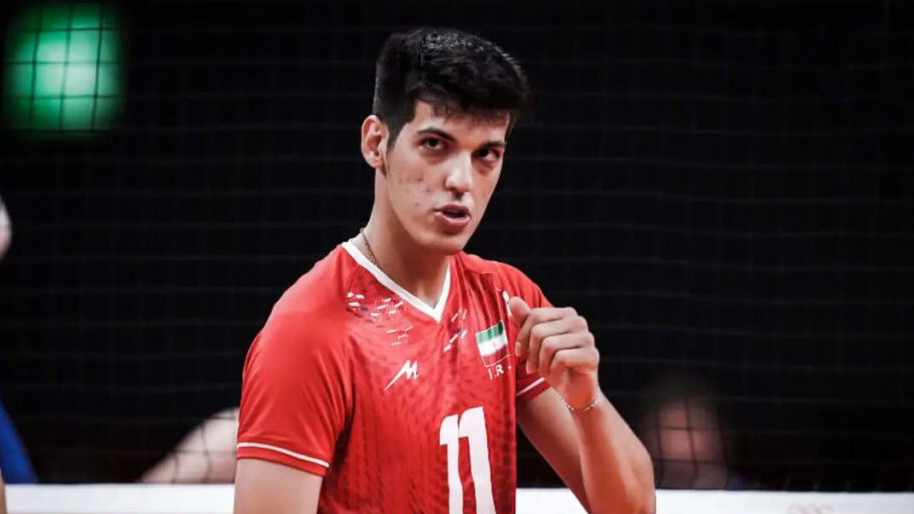
From Tehran comes devastating and deeply saddening news. Saber Kazemi, a beloved national volleyball player, rising sports star, and above all, a kind and honest young man, has tragically passed away.

Kazemi, only 26 years old, suffered a heart attack in Qatar, where he was a member of Al Rayyan SC, the team he had joined for this season. Despite all medical efforts, his condition worsened, and he was declared brain dead after sustaining severe brain damage.

The Iranian Volleyball Federation confirmed the heartbreaking news, describing it as an “unbearable loss” for the country and the entire volleyball world. Kazemi was a key figure in the new generation of Iranian volleyball, a powerful and skilled opposite spiker whose talent was recognized internationally. His career was marked by significant contributions to both club and country. He honed his skills with prominent Iranian clubs like Shahrdari Urmia and Paykan Tehran, where his powerful attacks and formidable presence at the net made him a fan favorite and a respected opponent.

His prowess on the court was a testament to his dedication and hard work, qualities that made him a role model for aspiring athletes across Iran and beyond. Saber Kazemi was more than just an athlete — he was a symbol of hope, determination, and humility. His bright smile and warm spirit touched everyone who knew him. On the court, he gave everything for his team; off the court, he was admired for his honesty, kindness, and respect for others.

The outpouring of grief from teammates, rivals, and fans across the globe is a testament to the profound impact he had in his short life. Social media has been flooded with tributes remembering not only the athlete but the gentle soul behind the jersey.

Our hearts go out to his family, teammates, and loved ones during this time of unimaginable grief. The world of volleyball has lost a shining star, and those who knew him have lost a cherished friend.

Rest in peace, Saber. Your light, your kindness, and your indomitable spirit will live on in every heart you touched and in every echo of the game you loved so much. Your moments of glory that you have provided for the volleyball fans will forever remain in our memories. Farewell, young man.