Tag: Amir Ghalenoe

Team Melli to Hold Third Intra-Squad Friendly Ahead of Turkish Camp

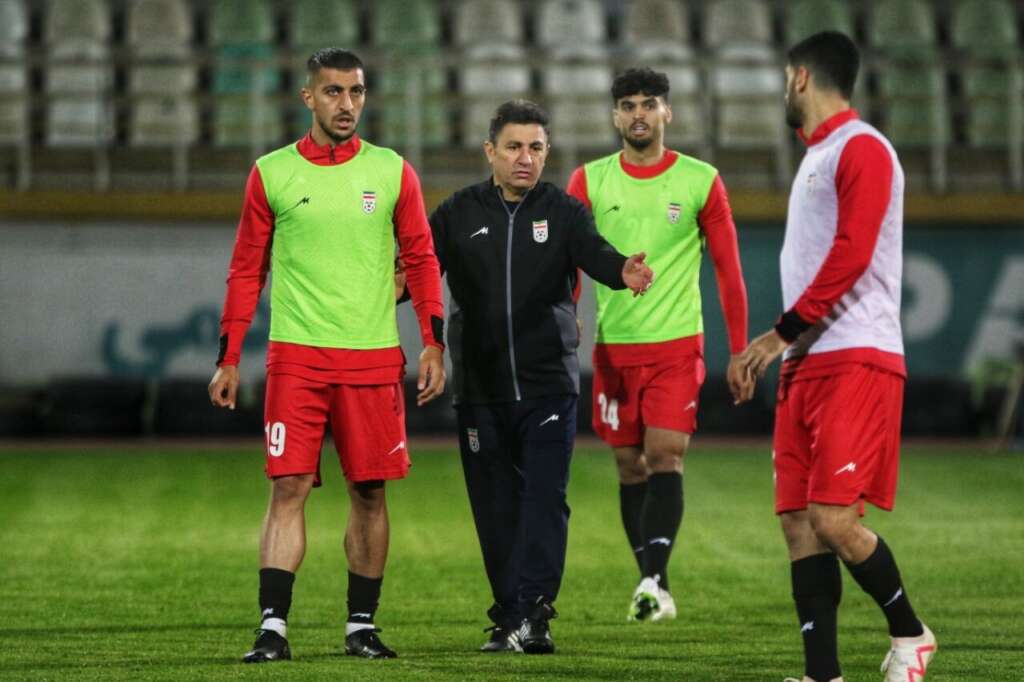
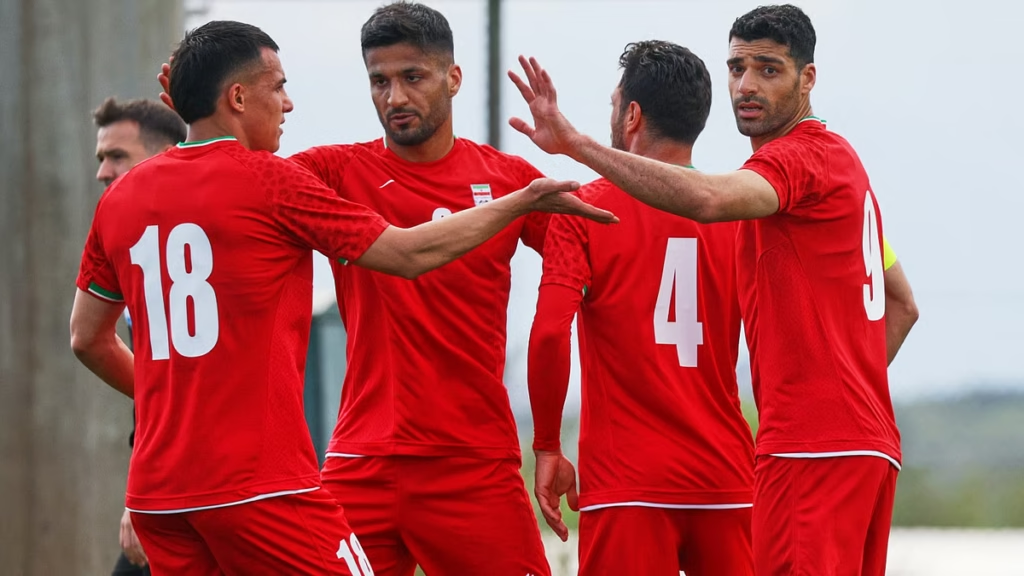
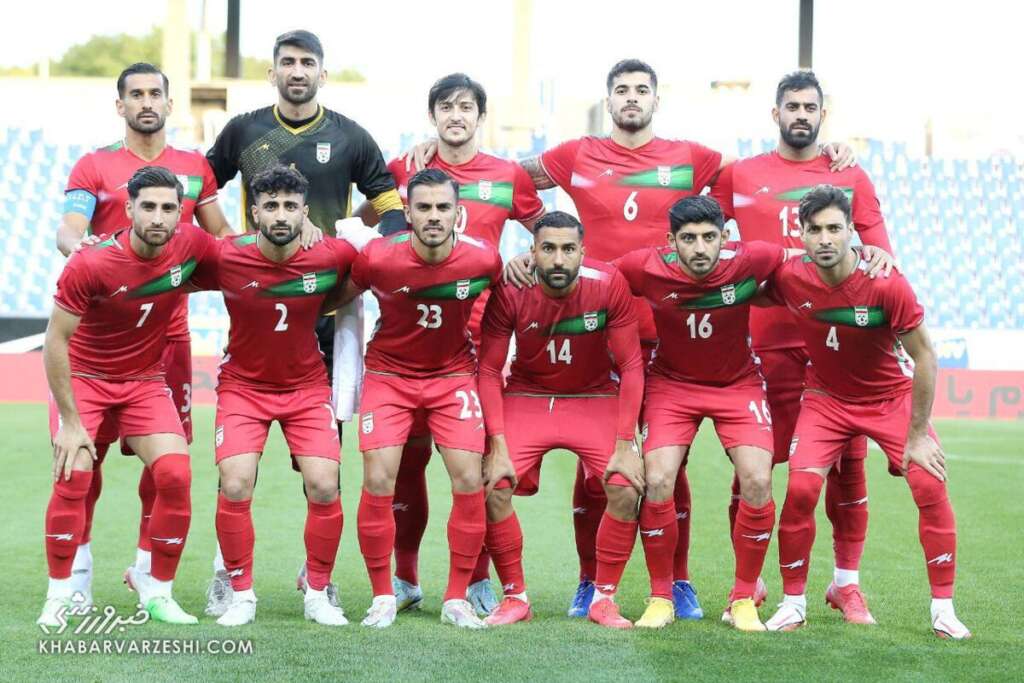
TEHRAN – Iran’s Team Melli, will conduct its third intra-squad match tomorrow (Tuesday) at Shahid Dastgerdi Stadium (formerly Pas Qavamin), as part of the fourth phase of its preparatory training camp.

The internal friendly has been designed under the guidance of the technical staff as a final evaluation tool to assess domestic league players’ readiness before the squad departs for a crucial training camp in Turkey. The primary objectives are to enhance on-field coordination, improve tactical cohesion, and simulate match conditions ahead of upcoming international commitments.

In a bid to foster unity and morale, the match will be open to a select audience, including Iranian football veterans, federation managers, club coaches, and media representatives. These attendees will have the opportunity to observe the team’s latest preparations firsthand and, as they did during the previous two intra-squad matches, provide vocal support to boost the players’ spirits.

Behind Closed Doors No Longer

Unlike much of the previous training session, which was held behind closed doors, tomorrow’s match represents a measured step toward transparency. The Football Federation Islamic Republic of Iran (FFIRI) has yet to officially announce when foreign-based players (legionnaires) will join the camp. However, speculation suggests that several of them will fly directly to Turkey after taking adequate rest following the conclusion of their respective club seasons.

Gholizadeh Ruled Out of World Cup

One confirmed absentee is Ali Gholizadeh, who will miss the 2026 FIFA World Cup entirely after suffering a serious injury during a league match for his Polish club, Lech Poznan. The winger’s absence is a significant blow to Iran’s attacking depth.

Azmoun’s Status Remains Uncertain

Meanwhile, the fate of star forward Sardar Azmoun is still shrouded in doubt. The player is reportedly fully fit and has featured in several matches for his club, Shabab Al Ahli of the UAE. Despite his physical readiness, Azmoun was notably overlooked for selection in Iran’s last two friendly internationals against Nigeria and Costa Rica, a decision that has sparked questions among fans and analysts regarding his standing within the squad and whether political pressure is playing a role in this episode. Amir Ghalenoei has, so far, on the sitiuation.

World Cup Sacrifice: Iran Suspends Domestic League for Three Months, Leaving Foreign Players in Limbo

TEHRAN – The FFIRI Football League Committee has confirmed the suspension of the Persian Gulf Pro League until the conclusion of Iran’s 2026 World Cup campaign, a move the federation describes as essential for national team preparation but one that plunges the domestic league’s foreign contingent into a three-month professional void.

In a statement released via the federation’s official public relations channels, the committee detailed that the decision was reached following extensive consultations with top-flight club executives. The federation cited the need to prioritize “safety and security conditions” in light of ongoing regional tensions following the recent American-Israeli military aggression, alongside a desire to protect player welfare.

Rationale vs. Reality of a Compressed Return
The committee acknowledged studying the adverse effects of a compressed league format. They concluded that cramming the remaining fixtures into a tight window post-World Cup would increase the risk of player injury and degrade the quality of the competition. Consequently, the 25th season of the Premier League will remain frozen until Team Melli’s journey in the United States, Mexico, and Canada concludes.

“Such an arrangement will give home-based Team Melli players plenty of time for preparation and training in camps,” the committee’s assessment noted. This aligns with the federation’s long-standing policy of clearing the calendar to give the national team coach maximum access to the domestic player pool.

The Foreign Player Fallout
While the hiatus is a logistical win for Amir Ghalenoei’s World Cup preparations, it creates a significant professional crisis for the league’s international imports. With no competitive matches scheduled for over three months, foreign players are effectively out of work and out of match rhythm during a critical period of the global football calendar.

The situation is particularly acute for the strong contingent of Uzbek players currently plying their trade in Iran. Uzbekistan has qualified for the FIFA World Cup 2026 . A three-month gap in competitive action leaves these players in a precarious position regarding their national team futures. Unlike their Iranian teammates who will be in structured camps, these foreign nationals face the prospect of training in empty stadiums with no tangible match fitness to show for it, placing their selection for the Uzbekistan national team under direct threat.


remature Coronation: Why Taj’s World Cup Guarantee for Ghalenoei Undermines Team Melli’s Ambition

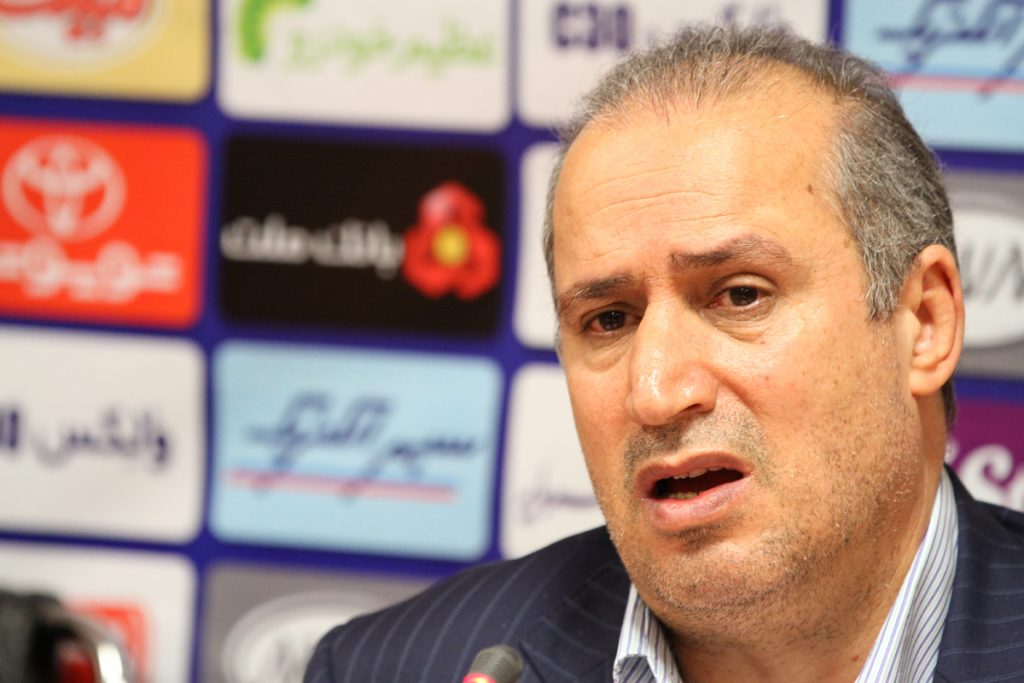
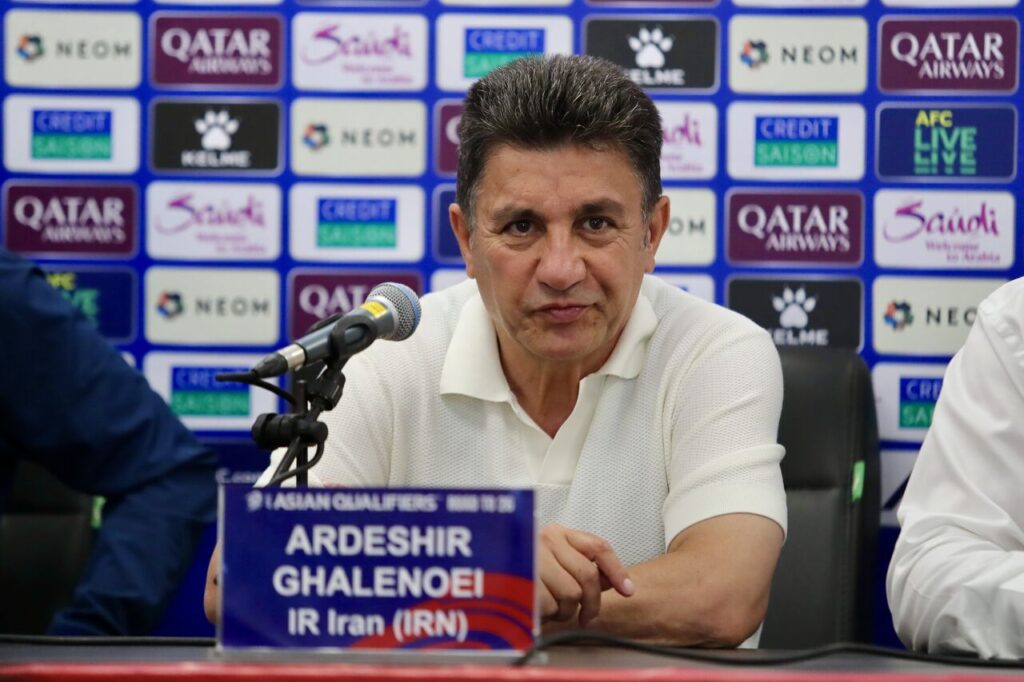
In a move that has raised more eyebrows than confidence within Iranian football circles, Football Federation President Mehdi Taj has effectively removed any suspense or accountability from Team Melli’s impending 2026 World Cup campaign. By publicly assuring that Amir Ghalenoei will remain at the helm regardless of results in North America, Taj has traded the hard edge of professional sport for the comfort of administrative inertia.

Speaking in response to comments made by Ghalenoei, who suggested that after the World Cup, Team Melli would be at the “disposal of the next head coach”, Taj interpreted this as a selfless concession rather than a standard procedural reality. “Ghalenoei has made a concession; he will be the head coach of the national team after the World Cup,” Taj stated.

He doubled down on this assurance, adding: “There is no problem with Ghalenoei’s presence in the national team, and we are very satisfied with him. Ghalenoei is trying to say that he is leaving the federation’s hands open, but he is managing the national team very well.”

While stability is a cherished commodity in the volatile world of international football management, stability without scrutiny is merely stagnation. To confirm a coach’s future without conducting a post-World Cup performance appraisal is not just a vote of confidence; it is an abdication of professional responsibility.

The Illusion of the “Open Hand”

The federation’s framing of this announcement centers on the idea that Ghalenoei is “leaving the federation’s hands open.” In reality, this premature assurance closes the federation’s hands entirely. By locking in the current leadership before a ball is kicked against the world’s elite, the Federation has sent a clear message to the squad and the public: The process in the United States, Canada, and Mexico is an exhibition, not an examination.

What happens if Team Melli suffers a historic defeat? What if the tactical approach that worked in the later stages of Asian qualification proves utterly inadequate against the pace and power of a World Cup group stage? Under this new decree, the answer is apparently nothing. Ghalenoei returns to the bench for the next AFC Asian Cup qualification cycle, safe in the knowledge that the federation’s “satisfaction” predates any actual evidence from the sport’s biggest stage.

This approach stands in stark contrast to the principles of high-performance sport. In any serious footballing nation, or any professional organization, a major project like a World Cup is a natural inflection point. It is a moment for review, for recalibration, and, if necessary, for a fresh voice. By skipping the appraisal step entirely, Taj is demonstrating a lack of desire for improvement and a troubling contentment with the status quo.

A Haunting Precedent

The irony of this situation is not lost on observers. Just over three years ago, the Iranian Football Federation dismissed Dragan Skocic, a coach who had secured qualification for the 2022 World Cup, mere months before the tournament began, citing a lack of confidence in his ability to perform on the world stage. The decision threw the team into a tailspin of instability from which they never recovered in Qatar.

Now, the pendulum has swung to the opposite extreme. Where once the federation acted with rash, destabilizing haste, it now clings to a premature, unearned loyalty. Both extremes stem from the same root: an institutional failure to manage coaching transitions with data-driven professionalism rather than reactive, behind-closed-doors politics.

The Risk of Complacency

The most damaging aspect of this announcement is the potential impact on the dressing room and the coaching staff’s mentality. The World Cup demands every ounce of a team’s focus and fear of consequence. That fear, the knowledge that jobs and legacies are on the line, drives performance. By erecting a safety net in April 2026, two months before the tournament, Taj has softened the ground beneath Ghalenoei’s feet.

While the federation views this as a gesture of unity and support, it is equally plausible that it masks deeper, unaddressed fissures within the national team setup. Maintaining the coach’s position unconditionally is an easy way to avoid confronting internal issues that might otherwise surface during a rigorous post-tournament review.

Conclusion

Mehdi Taj is right to praise the work Amir Ghalenoei has done to steady the ship and navigate Asian qualification. But international football is not an industry of lifetime appointments or performance-blind loyalty. The World Cup is the ultimate litmus test.

By removing the stakes for the man in the technical area, the Federation President has undercut the very essence of competition. It is an unprofessional statement that comforts the coach but shortchanges the 90 million Iranians who expect their national team to be held to the highest possible standard—not just during the World Cup, but in the honest, critical moments that follow it.

Italian Coaching Prodigy Antonio Gagliardi Joins Iran’s National Team Technical Staff

Tehran, Iran – In a strategic move to bolster their technical capabilities ahead of the 2026 FIFA World Cup, the Iranian Football Federation has appointed Italian coach Antonio Gagliardi as assistant to head coach Amir Ghalenoei. The announcement marks a significant step in Iran’s preparations for global football’s premier competition.

Prestigious Coaching Pedigree

Gagliardi brings an impressive resume to Team Melli, having served with both Juventus FC and the Italian national team that triumphed at UEFA Euro 2020. His experience at the highest levels of European football represents exactly the type of international expertise Iranian football authorities sought to incorporate into their technical structure.

Despite his relatively young age, Gagliardi has accumulated substantial experience working with elite players and in high-pressure tournament environments. His background with Juventus – one of Europe’s most successful clubs – and involvement in Italy’s European Championship victory provide Iran with cutting-edge tactical knowledge and modern training methodologies.

Strategic Appointment for World Cup Preparation

The decision to bring Gagliardi on board reflects Iran’s ambitious approach to its 2026 World Cup campaign. By integrating European coaching expertise directly into their technical staff, the federation aims to:

  • Enhance tactical sophistication and in-game adaptability
  • Implement advanced training and player development techniques
  • Bridge the gap between Asian and European football standards
  • Provide head coach Ghalenoei with high-level strategic support

An ISNA report confirmed that Gagliardi is “ready for a new adventure” with the Iranian national team, indicating the Italian coach’s enthusiasm for this challenging international assignment.

Speculation About Future Leadership Role

The appointment has generated intriguing speculation about the long-term technical direction of Iranian football. Prominent football journalist Fabrizio Romano added a layer of intrigue to the announcement, suggesting that Gagliardi’s role might extend beyond his current position.

Romano noted in his trademark announcement: “This coach is ready to take the first step of coaching after the World Cup.” While not explicitly mentioning Iran, this statement has been widely interpreted to suggest that Gagliardi could be positioned to succeed Ghalenoei as head coach following the 2026 World Cup.

Implications for Iranian Football

This strategic hiring signals several important developments for Iranian football:

Commitment to Modernization: The federation demonstrates a willingness to invest in international expertise to elevate national team performance.

Long-term Planning: The potential succession plan suggests structured thinking beyond immediate tournament preparation.

Global Integration: Bringing European coaching methodology into the Iranian system could benefit player development at multiple levels.

Enhanced Credibility: Association with a Euro 2020-winning technical staff enhances Iran’s profile in international football circles.

As Team Melli continues its World Cup qualification campaign, the integration of Gagliardi’s expertise alongside Ghalenoei’s leadership creates an intriguing technical dynamic. The coming months will reveal how this fusion of Iranian and Italian football philosophies translates to on-field performance and whether Romano’s speculation about Gagliardi’s future role proves accurate.

The appointment represents both an immediate boost to Iran’s World Cup preparations and a potential watershed moment in the technical evolution of Iranian national team football.

Critical Review: Team Melli at the CAFA Nations Cup 2025

An Analytical Assessment of Iran’s Shortcomings Following Its Defeat in the Final

Introduction

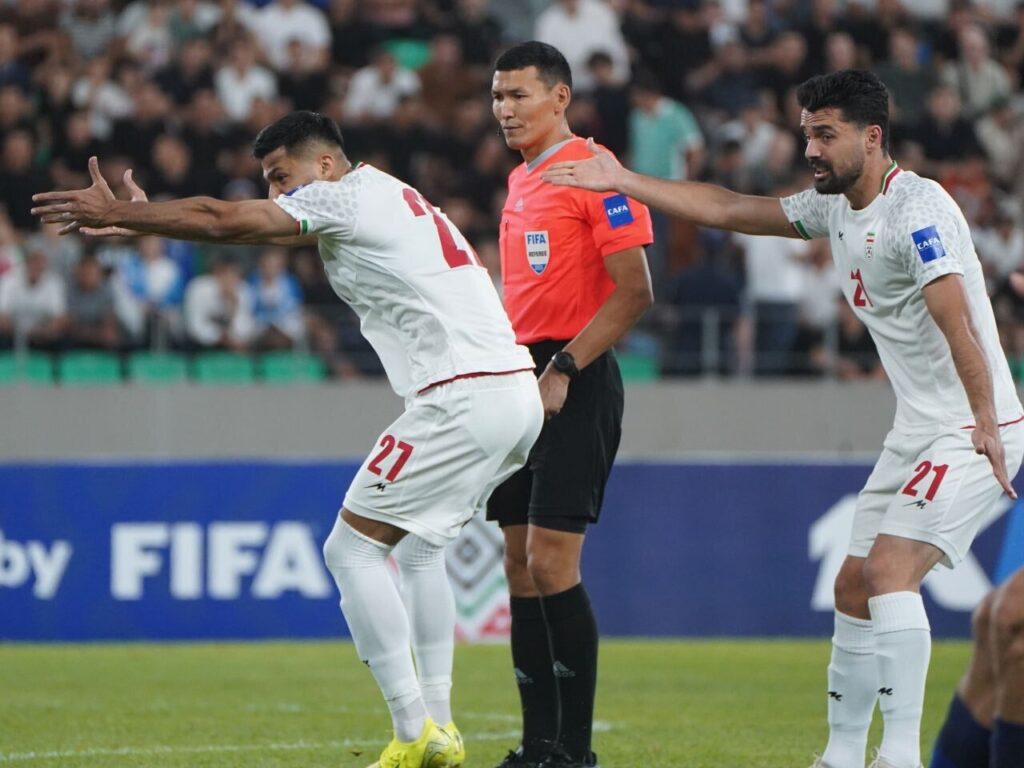
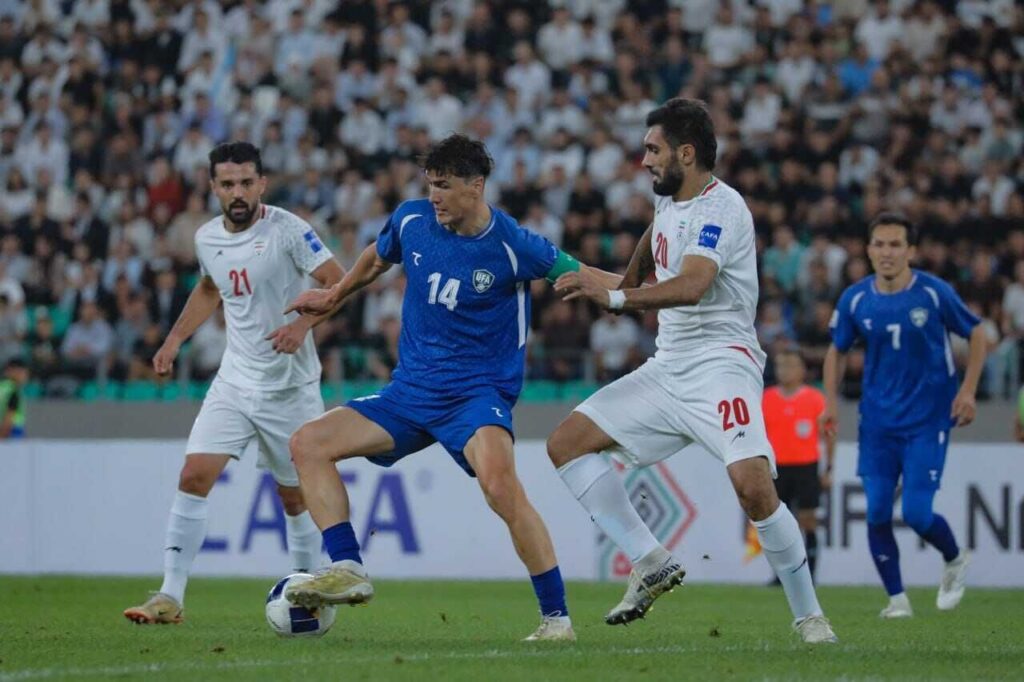
Team Melli’s campaign at the CAFA Nations Cup 2025 concluded in profound disappointment with a narrow defeat to Uzbekistan in the tournament final. Entering as the region’s overwhelming favorite, Team Melli’s journey was undermined by a host of structural and tactical deficiencies that ultimately prevented them from securing the title. This review offers a critical analysis of Iran’s performance, highlighting defensive frailties, midfield inefficiency, a lack of creativity, persistent disciplinary issues, questionable squad selection, and significant coaching shortcomings.

Defensive Vulnerabilities Exposed

Iran’s most glaring weakness throughout the tournament was its defense. The backline was repeatedly exposed, where it struggled to maintain shape and composure under the opponent’s pressure. Defenders displayed poor spatial awareness and were frequently caught out of position, creating dangerous opportunities for the opposition. Individual errors, missed tackles, misjudged clearances, and poor marking directly contributed to goals conceded at critical moments. A palpable lack of cohesion, compounded by communication breakdowns and an absence of authoritative leadership, turned these lapses from isolated mistakes into a recurring theme that doomed the campaign.

Midfield Inefficiency and Lack of Control

The midfield failed to provide a foundation for success, offering neither control nor creativity. Central players struggled to link defense with attack, often resorting to safe, sideways, or backward passes that slowed the tempo and allowed opponents to reorganize. There was a distinct lack of vision and inventiveness, with few attempts to break defensive lines or create meaningful chances for the forwards. Defensively, the midfield offered scant protection, consistently losing duels and allowing opponents to transition quickly and exploit space. This inability to dictate the game’s rhythm left Iran perpetually vulnerable and starved the attack of service.

A Persistent Discipline Problem

Discipline—both personal and tactical—remains a significant concern for Team Melli, a trend that has persisted throughout Amir Ghalenoei’s tenure. Individually, players committed unnecessary fouls in dangerous areas and showed lapses in focus, leading to costly bookings. Tactically, the team frequently abandoned its structure, chasing the ball and creating easily exploitable gaps. This lack of collective discipline undermined any semblance of organized play and is a fundamental issue that must be addressed.

Questionable Squad Selection and Quality

The composition of the squad itself raised serious questions. While credit is due for selecting players from the domestic league, the on-field performance of several individuals was well below the standard required for international football. Key positions were occupied by players lacking the necessary technical ability or tactical intelligence, and a lack of quality depth on the bench severely limited Iran’s options for in-game adjustments.

Naïve Coaching and Tactical Rigidity

The coaching staff’s game plan was notably naïve, lacking the adaptability and strategic sophistication needed for a high-stakes tournament. Iran’s approach was predictable, with little variation in attack and an over-reliance on individual brilliance over cohesive team play. Substitutions and tactical tweaks were often too late or failed to address the core problems, issues that were apparent even during the group stage. The inability to respond to Uzbekistan’s tactical shifts in the final—even considering the gallant effort of playing a man down—exposed a critical lack of preparation and flexibility from the bench.

Conclusion and a Broader Concern

Team Melli’s defeat in the CAFA final is a stark reminder of the immense work required before the 2026 World Cup. To regain regional prominence and prepare for the global stage, Iran must take decisive action: solidify the defense, inject creativity into the midfield, enforce higher disciplinary standards, select players based strictly on merit, and adopt a more sophisticated and adaptable tactical approach.

This tournament also highlighted a disturbing broader trend: the steep decline in the standard of the Iranian domestic league. This was evident in the performances of many league-based players. The fact that Iran now has only one representative in the AFC Champions League Elite, down from four in recent years, underscores this deterioration. This decline is exacerbated by a distorted economic reality where clubs like Esteghlal and Persepolis, receiving significant state support, pay astronomical wages in a struggling economy, yet suffer humiliating results, such as Esteghlal’s 7-1 defeat to UAE’s Al-Wasl.

This is a reality check for Iranian football. The production line of quality players has deteriorated. The few talented individuals must be professionally coached and managed to salvage pride at the 2026 World Cup.


Player Ratings

  • Payam NIAZMAND (4/10): Not an assuring performance across four games against inferior opposition. A worrying sign for the goalkeeping position.
  • Aref AGHASI (4/10): Underwhelming. Numerous shortcomings have rightfully placed his selection under scrutiny.
  • Ali NEMATI (5/10): Failed to live up to expectations based on his club form. Has yet to prove he deserves a starting role.
  • Arya YOUSEFI (5/10): Inconsistent. His poor tackle in the final was unfortunate but costly. Often the target of the manager’s vocal criticism.
  • Hossein KANANI-ZADEGAN (7.5/10): Proved his value when on the pitch, arguably the best defender. However, his known disciplinary liability remains a concern.
  • Saman GHODDOS (5/10): A disappointing tournament from an expected maestro. Lacked creativity, was anonymous in matches, and showed no leadership as captain.
  • Omid NOORAFKAN (6/10): Deployed in multiple roles and was solid, though not instrumental in changing the team’s results.
  • Mohammad GHORBANI (5/10): Looked lost and unsure of his role. Needs to assert himself significantly to earn more playing time.
  • Amir Hossein HOSSEINZADEH (8/10): A talented, opportunistic forward who was a menace to opponents and deserves more minutes.
  • Shahriyar MOGHANLOU (4/10): International football appears beyond his tactical grasp. Offered very little.
  • Mohammad MOHEBI (8/10): An established, consistent, and effective player despite limited time on the pitch.
  • Mehran AHMADI (6/10): Limited appearance but showed some promising moves.
  • Majid ALIYARI (8/10): A towering, clinical finisher. Did not get the playing time his two-goal debut deserved.
  • Ali ALIPOUR (7/10): A hard-working forward who always gives his best, but lacks the elite technical skills for this level.
  • Mehdi HASHEMINEJAD (8/10): An exciting player whose dribbling, runs, and shooting were a breath of fresh air.
  • Ramin REZAEIAN (7/10): Remains a solid player whose flank runs and crossing were valuable. His petulance continues to mar his performances.
  • Amin HEZBAVI (6/10): Rarely used and looked average, prone to errors when called upon.
  • Mehdi TIKDARI (5/10): Another newcomer with limited time. A purely average performance.
  • Alireza KOUSHKI (5/10): Minimal time and minimal impact.
  • Mehdi TAREMI (7/10): Inconsistent and often faded from games. Seemed to lack his usual enthusiasm and will to influence play, mostly due to his concentration and quick trip to Athens..
  • Mohammad KHODABANDEHLO (–/10): Insufficient time due to injury to rate.
  • Mohammadmehdi MOHEBI (7.5/10): A promising player clearly on the rise.
  • AliReza JAHANBAKHSH (6/10): A lack of competitive sharpness was evident. Provided one assist but was otherwise peripheral; his inclusion arguably blocked opportunities for others.

Alireza Jahanbakhsh’s career at crossroads!


The Premature Decline of Iran’s Football Captain: From Dutch Stardom to Cypriot Obscurity?

Once hailed as Iran’s brightest European export, Alireza Jahanbakhsh now faces a career trajectory that can only be described as a rapid and perplexing decline. At 31, the captain of Iran’s national team finds himself without a club, with rumors linking him to a move to Cyprus’s Apollon—a team that finished last season with a modest record of 12 wins, 10 draws, and 14 losses. For a player who was once the top scorer in the Dutch Eredivisie, this potential move underscores a staggering fall from grace.

The Rise and Fall of a Former Star

Jahanbakhsh’s peak came in the 2017-18 season when he netted 21 goals for AZ Alkmaar, becoming the first Asian player to claim the Eredivisie Golden Boot. His achievement was historic, sparking pride across Iranian football. Yet, what followed was a series of missteps and unfulfilled potential.

His £17 million move to Brighton & Hove Albion in 2018—a then-club-record fee—turned into a nightmare. Over three Premier League seasons, he managed just two league goals, with his shots on target failing to reach double digits. A return to the Netherlands with Feyenoord offered brief respite, but his subsequent transfer to Heerenveen, a mid-table side, raised eyebrows. Even more telling was Jahanbakhsh’s admission that he sought to extend his stay in the Netherlands primarily for passport eligibility—hardly the ambition expected of a player once destined for greater heights.

A National Team Paradox

Despite his club struggles, Jahanbakhsh has remained a staple in Iran’s national team under manager Amir Ghalenoui, even earning call-ups while unattached to any club. Yet, his performances in Team Melli have drawn increasing criticism, with fans questioning whether loyalty has outweighed merit.

A Bitter Irony

Perhaps the most striking aspect of Jahanbakhsh’s decline is the contrast between his past advocacy for Iranian players in Europe’s elite leagues and his own fading relevance. While Uzbek and Kazakh teenagers secure contracts with Manchester City and Chelsea, Iran’s former golden boy now faces the prospect of Cypriot football—a league far removed from the prestige he once embodied.

What Comes Next?

At 31, time is running out for a career revival. Whether Jahanbakhsh can rediscover even a fraction of his past brilliance remains uncertain. But one thing is clear: unless he finds a way to reverse this downward spiral, his legacy risks being defined not by his historic Eredivisie triumph, but by a premature and disappointing decline.


Jahanbakhsh’s Downfall: A Case Study in Wasted Potential

From Dutch Stardom to Premier League Flop

Jahanbakhsh’s 21-goal season with AZ Alkmaar in 2017-18 should have been the launchpad for a stellar European career. Instead, his £17 million move to Brighton became a cautionary tale. Hindered by tactical mismatches, physical demands, and a lack of confidence, he managed just two Premier League goals in three seasons. Unlike Japanese or South Korean players who adapt and grow in Europe, Jahanbakhsh regressed—raising concerns about whether Iranian players receive the right preparation for top-tier football.


Why Do Iranian Players Struggle in Europe?

While Japan and South Korea consistently export world-class talents (Son Heung-min, Kaoru Mitoma, Takefusa Kubo), Iran’s European exports often flame out prematurely. Several key factors explain this trend:

1. Poor Career Planning & Agent Influence

Many Iranian players prioritize immediate financial gains over long-term development. Unlike Japanese stars who carefully choose clubs with playing time guarantees (e.g., Mitoma’s move to Brighton after Belgian development), Iranians often join unstable leagues (Qatar, UAE) or make premature jumps to Europe without proper scouting. Agents sometimes push for lucrative but ill-fitting transfers, harming careers.

Example: Sardar Azmoun, despite Bundesliga interest, chose Rubin Kazan for money—delaying his top-five league breakthrough until his late 20s.

2. Lack of Adaptability

European football demands tactical flexibility, physical endurance, and mental resilience—areas where many Iranian players struggle. Jahanbakhsh’s failure at Brighton stemmed partly from his inability to adjust to the Premier League’s intensity. Similarly, Mehdi Taremi, despite success in Portugal, faced criticism for inconsistency in high-pressure matches.

Contrast: South Korea’s Lee Kang-in thrived at Mallorca and PSG by adapting quickly—something few Iranians manage.

3. Weak Domestic Development

Iran’s Pro League lacks modern training methods, sports science, and competitive depth. Even in Asian Iran’s club football is in the fourth of fifth tier of the continent. While Japan’s J-League and South Korea’s K-League actively prepare players for Europe, Iran’s league remains insular. Young talents like Allahyar Sayyadmanesh show promise but often move too early (e.g., his failed Fenerbahçe stint).

4. National Team Pressure vs. Club Form

Iranian players often perform better for the national team than their clubs—partly due to emotional motivation but also because domestic expectations overshadow individual growth. Jahanbakhsh remains a national team regular despite poor club form, reducing his urgency to improve.


Can the Next Generation Break the Cycle?

A few young Iranians offer hope. However, unless Iran improves:

  • Youth development (modern coaching, exposure to European academies)
  • Smart transfers (avoiding money-driven moves to weak leagues)
  • Mental & physical preparation (sports psychology, fitness regimes)

…the cycle of unfulfilled potential will continue.


Conclusion: Jahanbakhsh’s Legacy—A Warning or a Wake-Up Call?

Jahanbakhsh’s decline isn’t just his own—it mirrors systemic flaws in Iranian football. While players like Taremi and Azmoun have had moderate success, none have reached the heights of their Asian counterparts. Unless Iran addresses its structural issues, its next golden generation may suffer the same fate: flashes of brilliance, followed by premature decline.

For now, Jahanbakhsh’s career stands as both a tragedy and a lesson—one that Iranian football must learn from before another talent fades away.

A Lost Opportunity for Tactical Growth—And a Glaring Leadership Problem

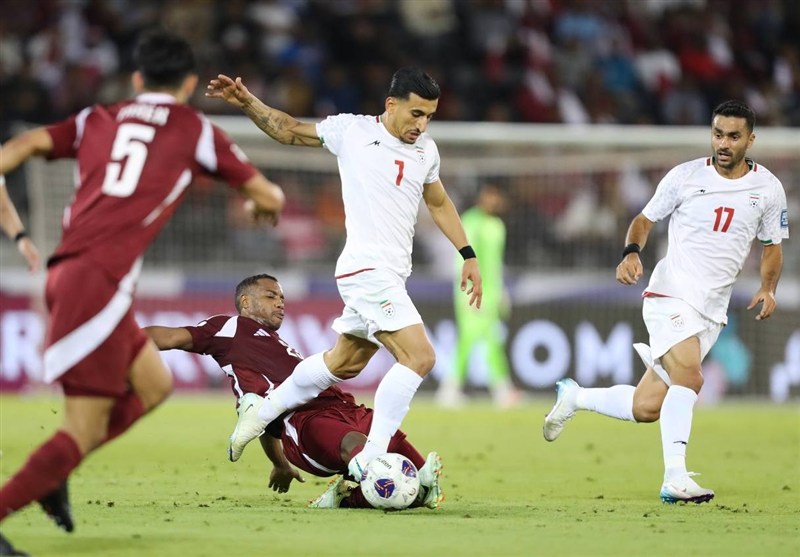
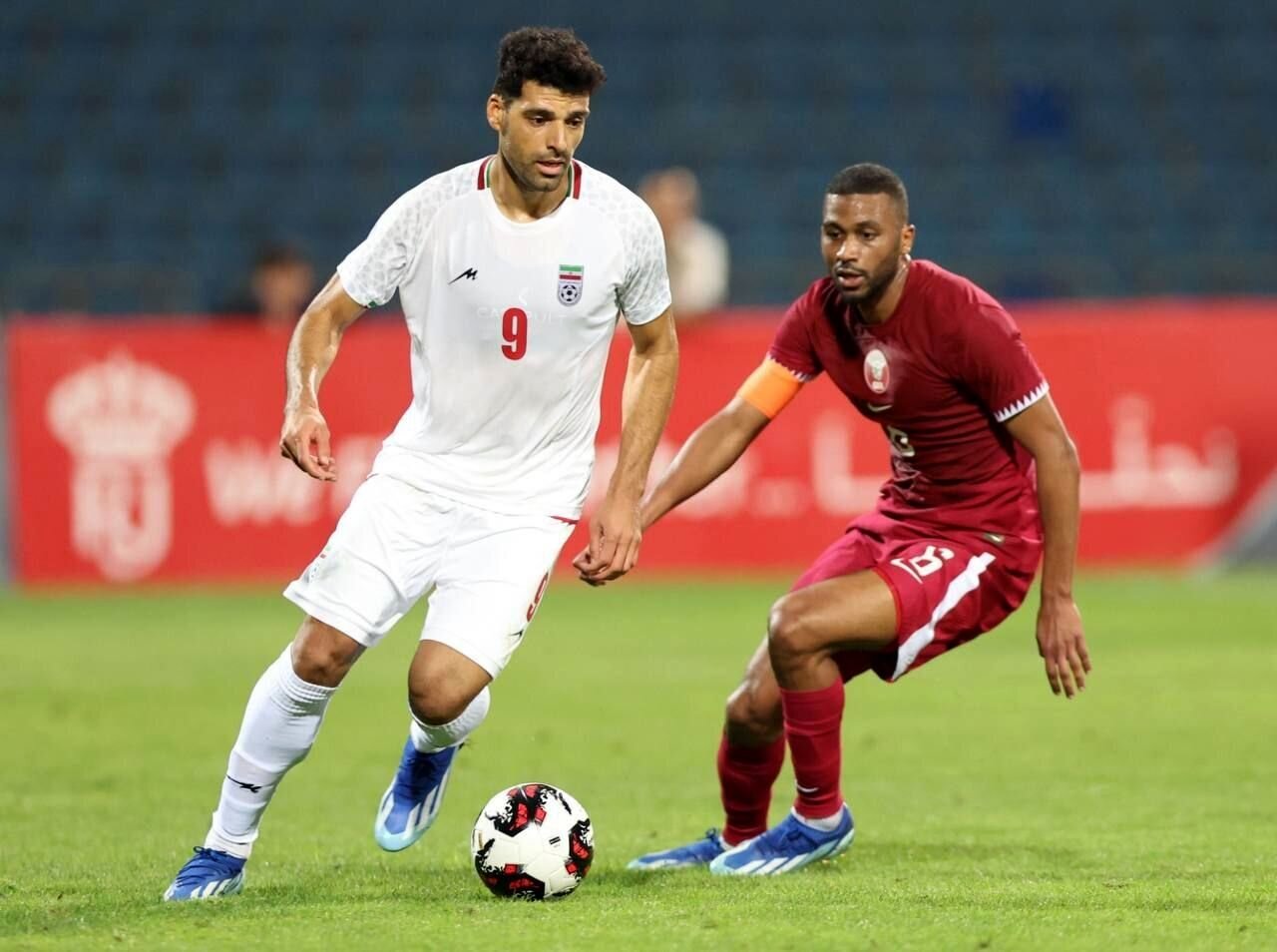
Team Melli entered their match against Qatar with the luxury of already securing World Cup qualification, freeing them from the weight of immediate consequences. Qatar, on the other hand, fought desperately for three points at home to keep their fading hopes alive. The contrast in motivation was obvious—to fans, analysts, and, most importantly, to Amir Ghalenoei and his bloated technical staff. Yet, despite their numbers, Iran’s coaching team once again proved ineffective in navigating adversity.

Given the circumstances, this match should have been an ideal test of tactical discipline. A chance to refine defensive resilience against an aggressive opponent, to dictate tempo through possession, and to apply psychological pressure on a vulnerable Qatar side. Instead, Iran unraveled, culminating in Milad Mohammadi’s inexcusable 31st-minute dismissal.

Mohammadi’s red card was not just a momentary lapse; it was a damning indictment of Team Melli’s recurring mental frailties. A 31-year-old veteran with 70 caps and experience across European leagues (Russia, Belgium, Greece, Turkey) should know better than to earn a second yellow just two minutes after his first—especially for a needless foul near midfield. Petulance and lack of intelligence overshadowed professionalism, and once again, Iran’s lack of discipline cost them.

Ghalenoei, predictably, blamed the red card for derailing Iran’s plans on top of the two childish mistakes of Mohammadi and Beiranvand, conceding the goal. But such excuses ring hollow. Even before Mohammadi’s dismissal, Iran looked disjointed, unable to create chances or impose any coherent strategy. Taremi was disappointing, the rest were underwhelming. The truth is, this has been a persistent issue under Ghalenoei, regardless of personnel or match context.

After every setback, the head coach deflects. This time, he targeted the referee, claiming poor officiating “unsettled” his team. Yet the real issue isn’t a single official’s decisions, it’s Ghalenoei’s inability to elevate this squad beyond its flaws. Iran’s player pool is among Asia’s strongest, brimming with European-based veterans and emerging talents. But under his rigid, risk-averse leadership, the team stagnates, lacking creativity and adaptability.

The question isn’t whether Ghalenoei is out of his depth, as his struggles against Asian opponents have already answered that. The real issue is why decision-makers persist with him ahead of the World Cup. If he can’t outmaneuver regional rivals, how can he possibly compete with the world’s elite?

Blind faith won’t propel Iran past the group stage; a tactical overhaul might. But time is running out.

More players invited to Team Melli camp.

Following the latest Persian Gulf League matches, Team Melli selectors have added seven more players to the current 21-man squad in camp.

According to the coaching staff, the newly invited players are as follows:

  • Goalkeepers: Alireza Beiranvand (Tractor), Seyed Hossein Hosseini (Esteghlal)
  • Defenders: Shoja Khalilzadeh (Tractor), Saleh Hardani (Esteghlal), Roozbeh Cheshmi (Esteghlal)
  • Midfielders: Amir Mohammad Razaghnia (Gol Gohar Sirjan)
  • Forwards: Amir Hossein Hosseinzadeh (Tractor)

The newly selected players will join the rest of the squad on Monday as preparations begin for the upcoming double-header against the UAE and Uzbekistan.

Perhaps the most notable inclusion among the new call-ups is 18-year-old Amir Mohammad Razaghnia. The talented midfielder has already made a name for himself at the youth level, having won the MVP award in a tournament held in Belarus. His selection signals a potential shift in head coach Amir Ghalenoei’s approach, showing a greater willingness to incorporate young talent into the national team setup.

However, the continued presence of Shoja Khalilzadeh in the squad suggests that Ghalenoei is not yet ready to part ways with his experienced core. While his selection brings valuable leadership and experience, it also highlights the ongoing balance between youth development and reliance on seasoned veterans within Team Melli.