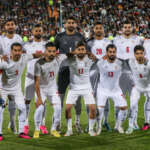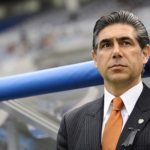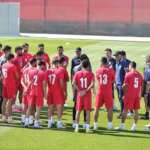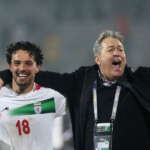
As the 2026 World Cup approaches, with just five months until the tournament kicks off, the Iranian national football team finds itself grappling not only with technical deficiencies but with a deeply concerning lack of unity—a stark contrast to the harmonious picture painted by head coach Amir Ghalenoei.
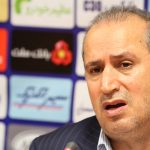
Despite repeated warnings from experts about persistent performance and management issues, Football Federation head Mehdi Taj has opted for stability, deciding to retain Ghalenoei. This move signals a clear departure from the federation’s previous approach, which saw the sudden dismissal of a successful Dragan Skocic, who led the team to qualification just before the final of the competition in Qatar in the 2022 World Cup. The message is clear: change is off the agenda, and Ghalenoei will remain at the helm regardless of the team’s precarious state.
The coach has consistently lauded the squad’s exceptional unity over the past three years. Recent events, however, reveal a troubling reality. Growing evidence suggests Ghalenoei may be papering over significant rifts within the Team Melli camp, with claims of solidarity appearing to exist only on paper.
A Public Feud Between Defensive Pillars
The simmering tensions erupted into public view following the Persepolis-Tractor match. Key defenders Shoja Khalilzadeh and Mohammad Hossein Kanaanizadegan, once close enough to call each other “brother”, have engaged in a bitter, public exchange of verbal abuses over minor on-field incidents. This discord is not isolated; similar altercations occurred during the match against Mes Rafsanjan. The rift has grown so severe that videos of the two players “unfollowing” each other on social media have circulated online, fanning flames among supporters and poisoning the team atmosphere.
Beyond the Pitch: Players in the Political Fray
The issue extends beyond a personal feud. These experienced players have entangled themselves in the federation’s political battles, notably the ongoing dispute between businessman Mohammad Reza Zenozi and Mehdi Taj. Instead of focusing on defensive coordination, they have each seemingly aligned with opposing factions, a glaring misstep that highlights a severe lack of managerial control and player discretion.
Their conduct is, unfortunately, characteristic. Both Khalilzadeh and Kanaanizadegan have histories of controversy, abusive, and unprofessional behavior, marked by petulance and unpredictability. At the national team level, Ghalenoei has proven to be a poor disciplinarian, a fact underscored after the Uzbekistan match when star forward Mehdi Taremi bluntly walked away from the coach who was attempting to speak with him. This culture of impunity is pervasive, with disciplinary committees at both club and federation levels often acting as mere formalities rather than enforcing regulations strictly.
A Dire Warning with the World Cup Looming
Drawn into a challenging Group G alongside Belgium, Egypt, and New Zealand, Iran faces an uphill battle. The internal disputes, managerial indecisiveness, and the divisive behavior of key players present a serious threat to the team’s World Cup campaign.
Retaining Ghalenoei without addressing these foundational issues—particularly the breakdown of locker room discipline and the dangerous blurring of lines between playing and political roles—risks catastrophic consequences. It threatens not only Iran’s performance on the world’s biggest stage but also the credibility and honor of Iranian football itself.