Category: News

Critical Review: Team Melli at the CAFA Nations Cup 2025

An Analytical Assessment of Iran’s Shortcomings Following Its Defeat in the Final

Introduction

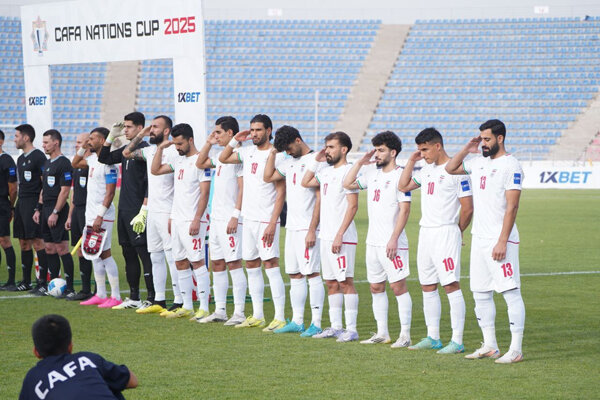
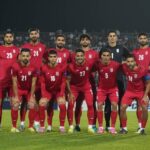
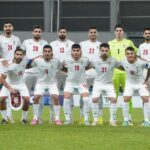
Team Melli’s campaign at the CAFA Nations Cup 2025 concluded in profound disappointment with a narrow defeat to Uzbekistan in the tournament final. Entering as the region’s overwhelming favorite, Team Melli’s journey was undermined by a host of structural and tactical deficiencies that ultimately prevented them from securing the title. This review offers a critical analysis of Iran’s performance, highlighting defensive frailties, midfield inefficiency, a lack of creativity, persistent disciplinary issues, questionable squad selection, and significant coaching shortcomings.

Defensive Vulnerabilities Exposed

Iran’s most glaring weakness throughout the tournament was its defense. The backline was repeatedly exposed, where it struggled to maintain shape and composure under the opponent’s pressure. Defenders displayed poor spatial awareness and were frequently caught out of position, creating dangerous opportunities for the opposition. Individual errors, missed tackles, misjudged clearances, and poor marking directly contributed to goals conceded at critical moments. A palpable lack of cohesion, compounded by communication breakdowns and an absence of authoritative leadership, turned these lapses from isolated mistakes into a recurring theme that doomed the campaign.

Midfield Inefficiency and Lack of Control

The midfield failed to provide a foundation for success, offering neither control nor creativity. Central players struggled to link defense with attack, often resorting to safe, sideways, or backward passes that slowed the tempo and allowed opponents to reorganize. There was a distinct lack of vision and inventiveness, with few attempts to break defensive lines or create meaningful chances for the forwards. Defensively, the midfield offered scant protection, consistently losing duels and allowing opponents to transition quickly and exploit space. This inability to dictate the game’s rhythm left Iran perpetually vulnerable and starved the attack of service.
A Persistent Discipline Problem

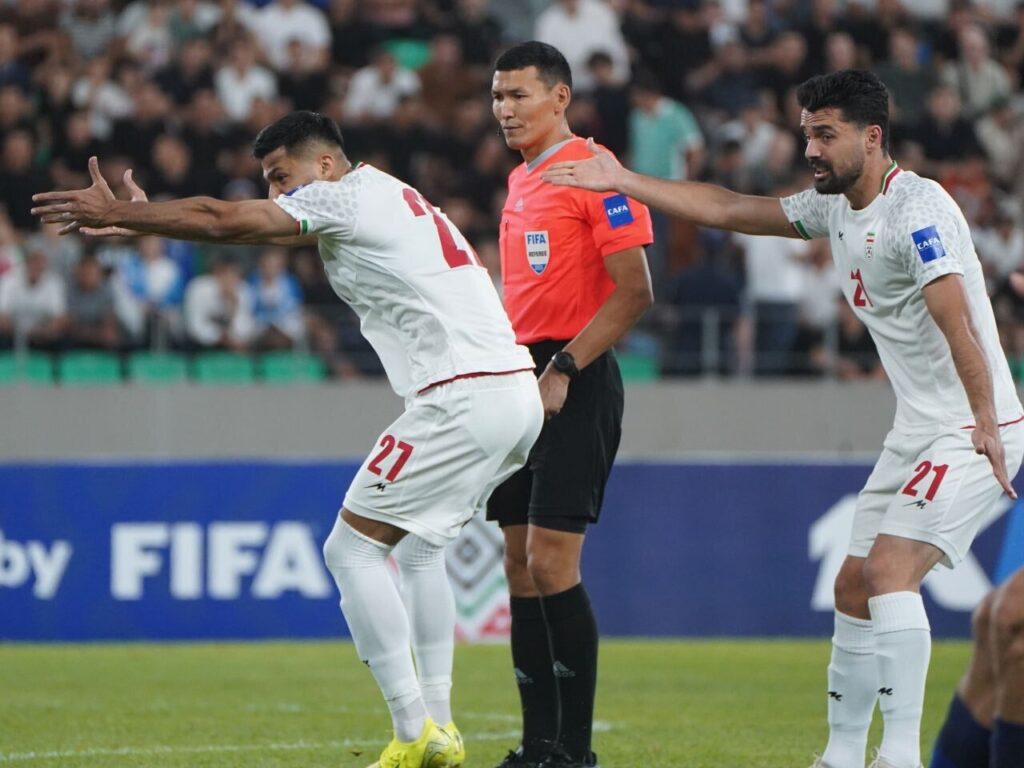
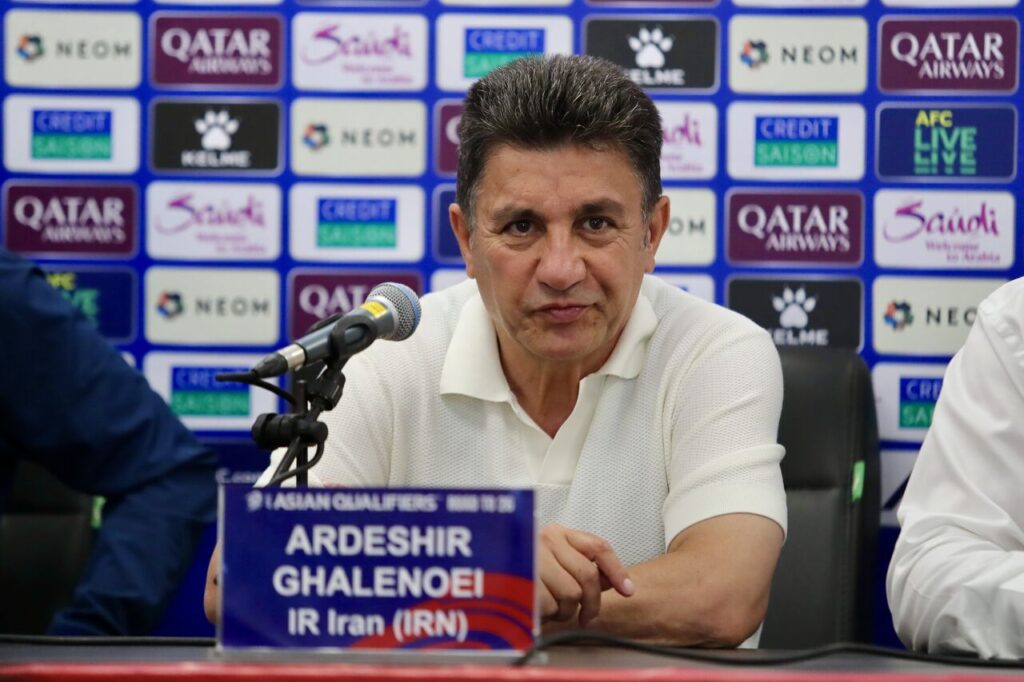
Discipline—both personal and tactical—remains a significant concern for Team Melli, a trend that has persisted throughout Amir Ghalenoei’s tenure. Individually, players committed unnecessary fouls in dangerous areas and showed lapses in focus, leading to costly bookings. Tactically, the team frequently abandoned its structure, chasing the ball and creating easily exploitable gaps. This lack of collective discipline undermined any semblance of organized play and is a fundamental issue that must be addressed.

Questionable Squad Selection and Quality

The composition of the squad itself raised serious questions. While credit is due for selecting players from the domestic league, the on-field performance of several individuals was well below the standard required for international football. Key positions were occupied by players lacking the necessary technical ability or tactical intelligence, and a lack of quality depth on the bench severely limited Iran’s options for in-game adjustments.

Naïve Coaching and Tactical Rigidity

The coaching staff’s game plan was notably naïve, lacking the adaptability and strategic sophistication needed for a high-stakes tournament. Iran’s approach was predictable, with little variation in attack and an over-reliance on individual brilliance over cohesive team play. Substitutions and tactical tweaks were often too late or failed to address the core problems, issues that were apparent even during the group stage. The inability to respond to Uzbekistan’s tactical shifts in the final—even considering the gallant effort of playing a man down—exposed a critical lack of preparation and flexibility from the bench.
Conclusion and a Broader Concern

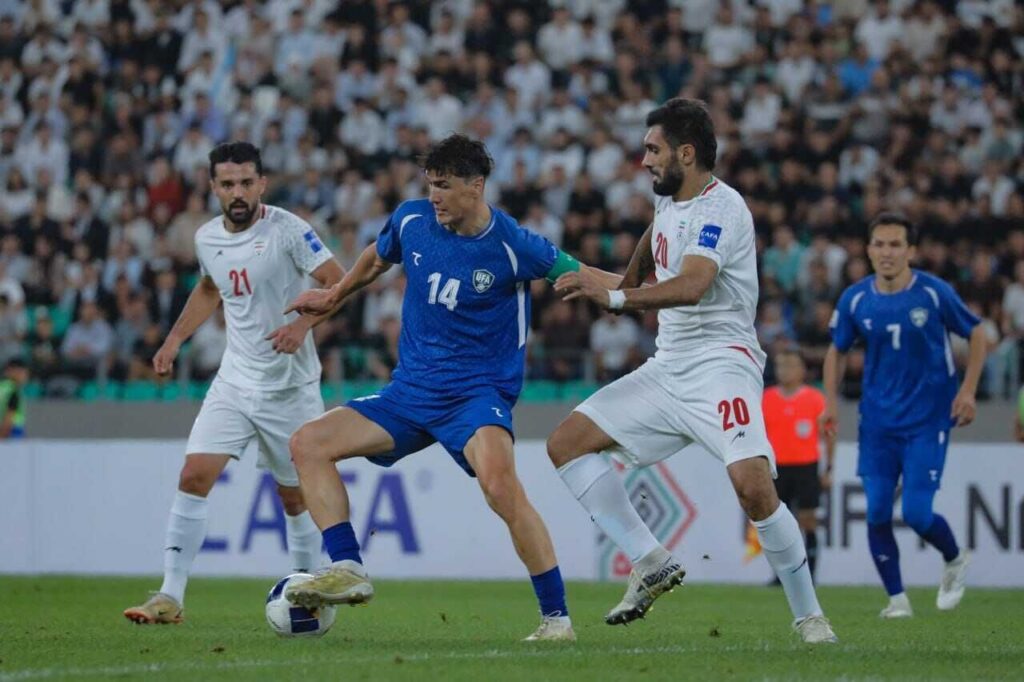
Team Melli’s defeat in the CAFA final is a stark reminder of the immense work required before the 2026 World Cup. To regain regional prominence and prepare for the global stage, Iran must take decisive action: solidify the defense, inject creativity into the midfield, enforce higher disciplinary standards, select players based strictly on merit, and adopt a more sophisticated and adaptable tactical approach.

This tournament also highlighted a disturbing broader trend: the steep decline in the standard of the Iranian domestic league. This was evident in the performances of many league-based players. The fact that Iran now has only one representative in the AFC Champions League Elite, down from four in recent years, underscores this deterioration. This decline is exacerbated by a distorted economic reality where clubs like Esteghlal and Persepolis, receiving significant state support, pay astronomical wages in a struggling economy, yet suffer humiliating results, such as Esteghlal’s 7-1 defeat to UAE’s Al-Wasl.

This is a reality check for Iranian football. The production line of quality players has deteriorated. The few talented individuals must be professionally coached and managed to salvage pride at the 2026 World Cup.

Player Ratings

  • Payam NIAZMAND (4/10): Not an assuring performance across four games against inferior opposition. A worrying sign for the goalkeeping position.
  • Aref AGHASI (4/10): Underwhelming. Numerous shortcomings have rightfully placed his selection under scrutiny.
  • Ali NEMATI (5/10): Failed to live up to expectations based on his club form. Has yet to prove he deserves a starting role.
  • Arya YOUSEFI (5/10): Inconsistent. His poor tackle in the final was unfortunate but costly. Often the target of the manager’s vocal criticism.
  • Hossein KANANI-ZADEGAN (7.5/10): Proved his value when on the pitch, arguably the best defender. However, his known disciplinary liability remains a concern.
  • Saman GHODDOS (5/10): A disappointing tournament from an expected maestro. Lacked creativity, was anonymous in matches, and showed no leadership as captain.
  • Omid NOORAFKAN (6/10): Deployed in multiple roles and was solid, though not instrumental in changing the team’s results.
  • Mohammad GHORBANI (5/10): Looked lost and unsure of his role. Needs to assert himself significantly to earn more playing time.
  • Amir Hossein HOSSEINZADEH (8/10): A talented, opportunistic forward who was a menace to opponents and deserves more minutes.
  • Shahriyar MOGHANLOU (4/10): International football appears beyond his tactical grasp. Offered very little.
  • Mohammad MOHEBI (8/10): An established, consistent, and effective player despite limited time on the pitch.
  • Mehran AHMADI (6/10): Limited appearance but showed some promising moves.
  • Majid ALIYARI (8/10): A towering, clinical finisher. Did not get the playing time his two-goal debut deserved.
  • Ali ALIPOUR (7/10): A hard-working forward who always gives his best, but lacks the elite technical skills for this level.
  • Mehdi HASHEMINEJAD (8/10): An exciting player whose dribbling, runs, and shooting were a breath of fresh air.
  • Ramin REZAEIAN (7/10): Remains a solid player whose flank runs and crossing were valuable. His petulance continues to mar his performances.
  • Amin HEZBAVI (6/10): Rarely used and looked average, prone to errors when called upon.
  • Mehdi TIKDARI (5/10): Another newcomer with limited time. A purely average performance.
  • Alireza KOUSHKI (5/10): Minimal time and minimal impact.
  • Mehdi TAREMI (7/10): Inconsistent and often faded from games. Seemed to lack his usual enthusiasm and will to influence play, mostly due to his concentration and quick trip to Athens..
  • Mohammad KHODABANDEHLO (–/10): Insufficient time due to injury to rate.
  • Mohammadmehdi MOHEBI (7.5/10): A promising player clearly on the rise.
  • AliReza JAHANBAKHSH (6/10): A lack of competitive sharpness was evident. Provided one assist but was otherwise peripheral; his inclusion arguably blocked opportunities for others.
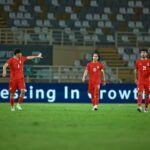
Iran U23 Secures Victory and Qualification in Hard-Fought Match Against UAE

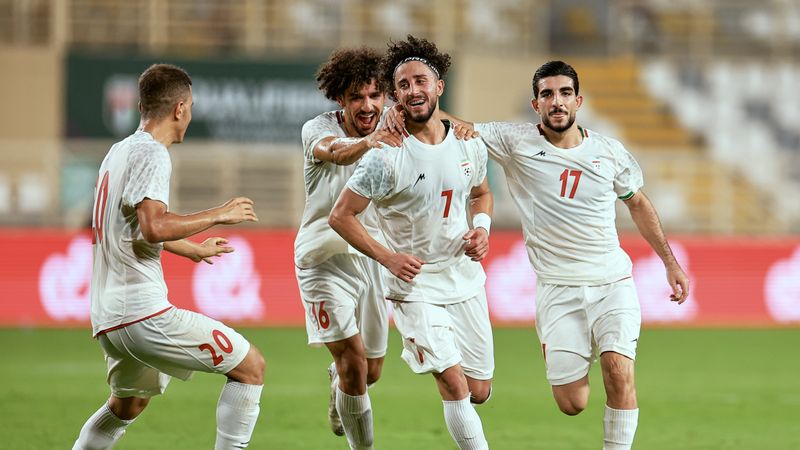
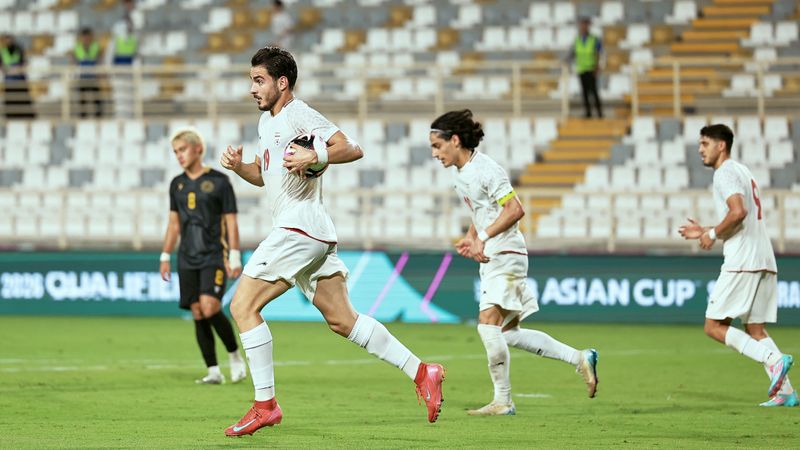
ABU DHABI – Iran’s U23 national team secured a hard-fought 3-2 victory against host nation UAE on Tuesday in their final Group I match of the AFC Asian U23 Cup qualifiers. The win at Al Nahayan Stadium ensured Team Omid finished as group leaders, earning automatic qualification for the AFC U23 Asian Cup 2026 in Saudi Arabia.

The match began with Iran displaying tactical discipline and composure, dominating possession through a strategy built on short passing combinations complemented by strategic long balls to the flanks. Despite concerns about the sweltering heat and high humidity affecting the players accustomed to Iran’s milder climate, coach Omid Ravankhah’s side implemented a smart game plan that managed the tempo effectively.

The first half showcased Iran’s offensive prowess with three well-executed goals. The scoring opened in the 25th minute with a strike from Razzaghnia who easily slotted the ball home from the goalkeeper’s rebound ball, followed by Saeid Saharkhizan doubling the lead in the 36th minute. Saharkhizan added his second goal from the penalty spot in the 42nd minute, seemingly putting Iran in complete control. UAE managed to pull one back just before halftime with Majed Al Kass finding the net in stoppage time (45+3).

Midfielder Javad Hosseinnejad delivered a majestic performance, controlling the game with his technical quality, vision, and precise passing. His influence was particularly evident in the second goal, where his immaculate free-kick delivery found Saharkhizan for a clinical finish.

The second half saw a shift in momentum following Hosseinnejad’s substitution, which proved to be the match’s turning point. Emboldened by the absence of Iran’s midfield orchestrator, UAE increased their pressure and dominated possession, testing Iran’s defensive resilience.

While UAE’s finishing often lacked precision, Iran’s defense remained largely organized until a costly error by Pouria Latifi-Far in the penalty area allowed UAE forward , Al-Mansoori , to rob the ball from him and capitalize to score the host’s second goal, setting up a tense finale.

Despite increased pressure from the Emiratis, Iran regrouped and created several scoring opportunities, with the UAE goalkeeper making exceptional saves to deny Saharkhizan his hat-trick and keep his team in contention.

In the closing minutes, Iran regained control of the match tempo, demonstrating game management intelligence to secure the narrow victory and confirm their place in the 2026 tournament.

Final Score: UAE 2 – 3 Iran
Goalscorers:
Razzaghnia (25′)
Saeid Saharkhizan (36′, 42′ pen)
Majed Al Kass (45+3′), Mohammed Al-Mansoori (75′)

The victory marks a successful chapter for Iranian Olympic football as Team Omid continues its preparation for next year’s continental showcase in Saudi Arabia.


Starting Lineup: IRAN U23
Mohammad Khalifa, Daniyal Iri, Mohammad Mehdi Zare, Arshia Vosoughifard, Seyyed Mehdi Mahdavi, Amir Mohammad Razzaghinia, Pouria Latififar, Mohammad Javad Hosseinnejad, Mohammad Hossein Sadeghi, Yadgar Rostami, Saeed Saharkhizan.

FIFA President Infantino Visits Iran Locker Room, Congratulates Team on World Cup Qualification

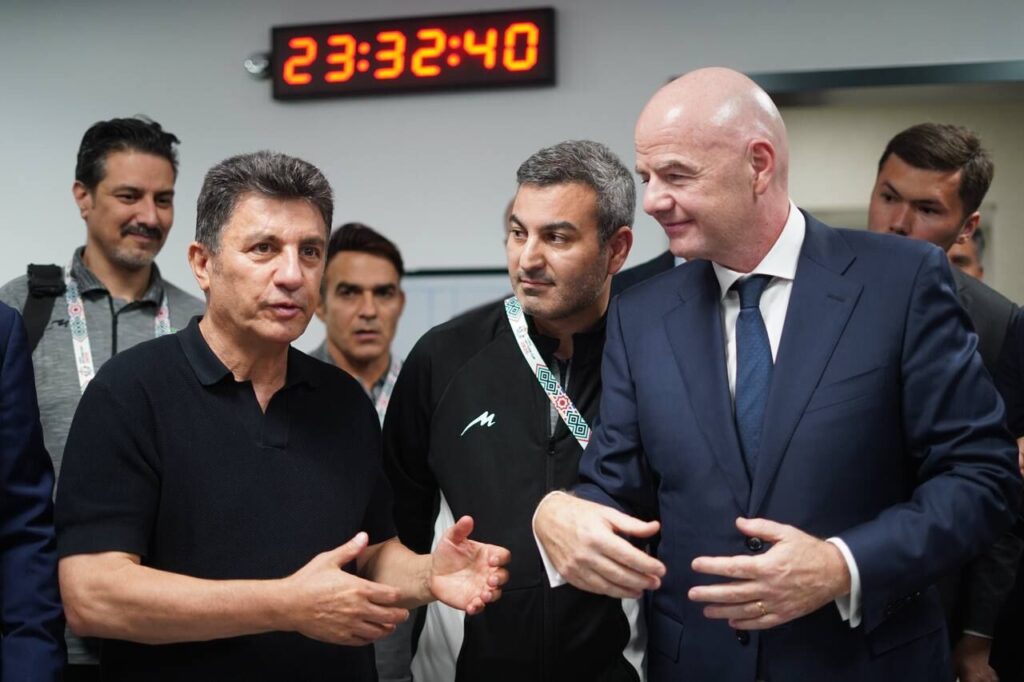
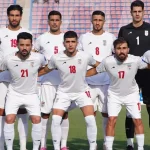
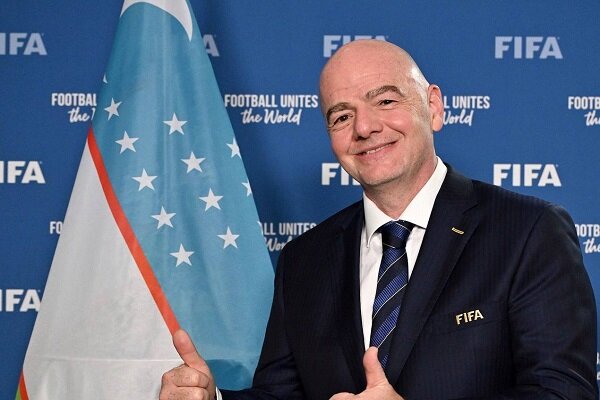
(Tashkent, Uzbekistan) – Following Iran’s narrow 1-0 defeat to Uzbekistan in the CAFA Nations Cup 2025 final, FIFA President Gianni Infantino made a surprise visit to the Team Melli locker room to personally congratulate the players on their recent qualification for the 2026 FIFA World Cup.

According to IRNA, the President’s message was one of unwavering support and admiration for Iranian football. He emphasized the significance of their World Cup achievement, stating, “Congratulations on qualifying for the World Cup; it was not an easy task. You have made your country and your families proud, and you have also made Iranians abroad happy.”

Infantino expressed his personal fondness for the team, revealing, “I am a big fan of Iranian football. One of your players gave me his shirt in 2019, and I still have it. It is very valuable to me.”

He went on to highlight a iconic moment from the team’s recent history, recalling, “I still remember the Qatar World Cup. The Iran-Wales match was unbelievable. This is the feeling that football can give us; the whole stadium was happy at that moment.”

Addressing the immediate disappointment of the CAFA final loss, the FIFA President offered words of encouragement: “You played very well today, but in football, there are always wins and losses. You are a strong team and should be proud of yourselves.”

Looking ahead to the 2026 tournament in the United States, Canada, and Mexico, Infantino provided a definitive assurance: “As the President of FIFA, I say welcome to the World Cup. I guarantee your presence.”

Concluding his address, Infantino reflected on the unifying power of the sport: “With the help of football, we want to unite the whole world. Unfortunately, the global situation is complex, but football can create this unity that politics often cannot. For the sake of your parents and your families, continue on this path so that you can bring joy to your people. I look forward to seeing you at the World Cup.”


Ten-Man Iran Collapses at the Death, Handing Uzbekistan Historic CAFA Cup Triumph

A catastrophic early red card to Arya Yousefi set the tone for a gritty, defensive battle, but a 107th-minute header shattered Iranian resistance, crowning Uzbekistan champions in a dramatic finale.

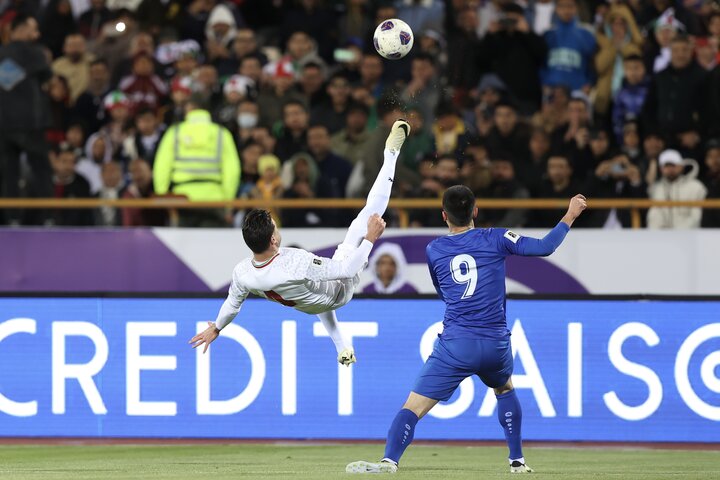
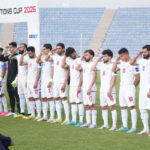
(Tashkent, Uzbekistan) – The Iranian national team’s CAFA Nations Cup campaign ended in heartbreak and controversy, as a 107th-minute header from Uzbekistan’s Rustamjon Ashurmatov secured a 1-0 victory, handing Team Melli its first defeat to the Central Asian side in 14 years.

The final was effectively decided in a disastrous opening five minutes. Youngster Arya Yousefi, handed a surprise start, was shown a straight red card after a reckless, high challenge, leaving Iran to play 85 minutes of regulation and 30 minutes of extra time with only ten men.

A Gritty, Rearguard Battle

Despite the numerical disadvantage, Iran’s defense, marshaled by a heroic Payam Niazmand in goal, held firm for most of the match. Niazmand made a series of critical saves, most notably in the 22nd minute, twice denying point-blank efforts to keep the score level.

Forced into an early change, coach Amir Ghalenoei introduced Mehdi Taremi in the 30th minute after an injury to starter Shahriar Moghanloo. The team adopted a deep, defensive block, relying on counterattacks. Their best chance came in the 59th minute when Saman Ghoddos found himself one-on-one with the goalkeeper but chose to shoot himself, with Omid Rezaian unmarked and begging for a pass.

Controversy and Wasted Chances

The match was riddled with controversy, much of it involving the video assistant referee (VAR). Iran was denied a strong penalty claim in the 73rd minute when Mohammad Hossein Kanaani was brought down in the box, a decision overturned after a lengthy review.

Uzbekistan, too, was left to rue missed opportunities. Captain Oston Urunov rattled the post with a powerful drive in the 104th minute, and Eldor Shomurodov skied a penalty in the 107th minute after a foul by Aref Aghasi, seemingly sending the match to a shootout.

Heartbreak at the Death

Just as penalties loomed, Iran’s fatigued defense finally cracked. In the 117th minute, a cross from the right found defender Ashurmatov unmarked between two Iranian players, and he powered a header past Niazmand to spark wild celebrations among the home crowd.

The defeat marks a bitterly disappointing end to a tournament that has raised more questions than it answered for Team Melli. For Uzbekistan, it is a historic triumph, sealed against their most storied regional rival in the most dramatic of circumstances.

Key Moments:

  • 5′:RED CARD – Arya Yousefi (Iran) sent off for a dangerous foul.
  • 22′: 🧤 Huge double save from Payam Niazmand to keep the score level.
  • 59′: ❌ Saman Ghoddos wastes a golden counter-attack chance.
  • 73′: ❗ Penalty appeal for Iran overturned by VAR after a review.
  • 107′: 🎯 Eldor Shomurodov (UZB) misses a penalty.
  • 117′:GOAL – Rustamjon Ashurmatov scores the dramatic winner for Uzbekistan.

Uzbekistan: Atkir Yusupov, Khojiakbar Alijanov, Delshad Kamilov, Mohammadgader Khameraliyev, Atabek Shukurov, Odil Khamrubkov, Azizbek Turgunboyev, Abbasbek Faizollayev, Khasnoddin Alikulov, Ruslanbek Dzianov and Aldor Shomorudov
Head coach: Timur Kapadze

Iran : Payam Niazam, Mohammad Hossein Kananizadegan, Aref Aghasi, Aria Yousefi, Ali Nemati [106′ Abolfazl Jalali ], Mohammad Ghorbani [56′ Rouzbeh Cheshmi], Omid Noorafkan, Saman Ghodous (C) [66′ Alireza Jahanbakhsh], Mohammad Mohebi, Amir Hossein Hosseinzadeh (16′ Ramin Rezaeian) , Shahriar Moghanlou [31′ Mehdi Taremi]
Head coach: Amir Ghalenoei

Beyond the Final: A Test of Character for a Struggling Team Melli


As Iran faces Uzbekistan, deep-rooted systemic issues loom larger than the CAFA trophy itself.

While Uzbek coach Timur Kapadze’s pre-match comment that “Iran has weaknesses” is a blunt assessment, for those following Iranian football, it is a painful and long-acknowledged truth.

The upcoming final against Uzbekistan is about more than a regional trophy; it is a profound test of character for a team seemingly at odds with itself. The result, while desirable, is secondary to the urgent need for a coherent identity, tactical intelligence, and a clear path forward.

It is often too easy to place the blame solely on the head coach, and while Amir Ghalenoei is certainly responsible, he is merely the most visible symptom of a deeper malaise within Team Melli. The problems are systemic:

  • Senior Players Underperforming: When veteran leaders and captains are defined more by frustration than by skill and experience, the team’s foundation crumbles.
  • Persistent Defensive Flaws: Long-known defensive vulnerabilities remain unaddressed, match after match.
  • A Misfiring Midfield: The heart of the team, the engine room, is consistently underperforming, failing to control games or link play effectively.

Coach Ghalenoei has his qualities, but his shortcomings are currently defining the team’s style. His unwavering loyalty to a core of senior players—a page taken from the Carlos Queiroz era—is backfiring, as these players increasingly lack both form and motivation. Despite being supported by a large contingent of recently retired ex-players as assistants, this staff has yet to prove they can provide the tactical support and fresh ideas the team desperately needs.

The tactical approach has often been naive. Against weaker teams that employ a deep defensive block, Ghalenoei’s side appears short of ideas. His substitutions are frequently ineffective and poorly timed, often resorting to last-minute changes in a desperate hope for a miracle rather than a strategic shift.

On the pitch, the lack of inspiring figures is glaring. While promising talents like Mehdi Hashemnejad, Amirhossein Hosseinzadeh, and Majid Aliyari have shown flashes of brilliance, they remain fringe players in Ghalenoei’s plans, consistently overlooked.

Instead, the team relies on established names regardless of form. The selection of captain Alireza Jahanbakhsh, currently without a club and match sharpness, raises serious questions about selection criteria being based on reputation rather than merit. The CAFA tournament presented a golden opportunity to integrate his successor; that opportunity seems wasted.

Similarly, much is expected of Mehdi Taremi, but his two appearances so far have provided more cause for concern than confidence.

Tonight’s match is a mirror. It will reflect the team’s true state: its fight, its plan, and its desire. Lifting the CAFA trophy would be a welcome moment of joy, but without addressing these fundamental issues, any celebration will be fleeting. For Team Melli, the real opponent is not just Uzbekistan—it is itself.


CAFA Nations Cup Final Preview: Iran’s Fierce Attack Meets Uzbekistan’s Stubborn Defense

A Clash of Titans in Tashkent as Team Melli and the White Wolves Battle for Regional Supremacy.


(Tashkent, Uzbekistan) – The stage is set for a thrilling finale to the CAFA Nations Cup tonight, as the offensive might of Iran collides with the defensive resilience of Uzbekistan. This highly anticipated match, kicking off at 6:00 PM local time in Tashkent, promises to be a classic tactical battle between two regional powerhouses.

The Iranian national team, Team Melli, roared into the final after a dominant group stage performance, netting a tournament-high 8 goals with decisive victories over Afghanistan and India, followed by a draw with Tajikistan.

Standing in their way is a formidable Uzbek wall. The White Wolves conceded a mere two goals in the group stage, showcasing a defense that proved impenetrable to most. Their path to the final saw them overcome Turkmenistan and Kyrgyzstan, with their only stumble being a draw against Oman.

The historical context adds another layer of intrigue. The last five meetings between these two sides have been incredibly tight, featuring four draws and a single Iranian victory. Notably, two of those matches ended in thrilling 2-2 stalemates, while two others were goalless affairs, underscoring the often evenly-matched nature of this contest.

Current form also suggests a close encounter. Uzbekistan arrives unbeaten in their last five matches (3 wins, 2 draws), while Iran’s record in the same span is slightly more mixed (3 wins, 1 draw, 1 loss).

Both teams will feel the absence of key players. Iran will be without the firepower of star striker Sardar Azmoun, while Uzbekistan misses the creativity of Jalaluddin Masharipov, adding an element of challenge for both coaches.

Ahead of the clash, the managers offered contrasting reflections.

Iran’s coach, Amir Ghalenoei, shouldered the blame for a disrupted preparation, stating: “My mistake was to respect the league. We didn’t want to close the league and that was an error. With 18 changes to the squad, we should have trained at least three times. Our whole thinking was to respect the league, but we should have come to CAFA with better planning.”

Conversely, Uzbekistan’s Timur Kapadze projected calm confidence: “We have prepared well. We know Iran well; they are a strong team but they also have weaknesses. We are trying to show our game. Not only Iran, but all the teams in this tournament have faced injuries.”

Everything points to a monumental clash of styles: Iran’s roaring attack versus Uzbekistan’s unyielding defense. Only one can be crowned champion of Central Asia.


Kasra Taheri stars in Omid Team win vs. Guam

Abu Dhabi: Five second-half goals steered Iran to a comfortable 6-0 win over Guam in their penultimate Group I clash in the AFC U23 Asian Cup™ Saudi Arabia 2026 Qualifiers at the Al Nahyan Stadium on Saturday.

Iran beat Hong Kong, China 4-0 in their opener and will play the United Arab Emirates on Tuesday in what will be a top-of-the-table clash.

Guam 0-6 IR Iran

image content

Despite dominating ball possession from the start, the Central Asian side only opened accounts in the 42nd minute through Alireza Safari.

Guam, who had no shots on target in the first half, conceded a second goal a minute after the restart when Kasra Taheri put the ball past keeper Josiah Jones.

image content

Taheri, who came on at the start of the second half, fired home IR Iran’s third in the 74th minute and completed his hat-trick five minutes later.

Saeid Saharkhizan put his name on the scoresheet in the 84th minute, with captain Mohammad Javad Hosseinnezhad completing the scoring in the 90th minute.

Uzbekistan and Iran meet in the final of CAFA Nations Cup 2025

The national football teams of Iran and Uzbekistan will face each other in the final of the CAFA Nations Cup on Monday, September 7, at 6:00 PM local time at the Olympic Stadium in Tashkent. Both Iran and Uzbekistan entered the final with 7 points, finishing as the top teams in their respective groups and setting the stage for a highly anticipated clash.

Iran, the highest-ranked team in the region, will be looking to defend its title after winning the previous edition of the tournament. Uzbekistan, playing with the immense support of a home crowd, will be determined to claim the championship on their own soil and secure a historic victory against a regional powerhouse.

The match has garnered significant international attention, notably with the confirmed attendance of FIFA President Gianni Infantino. The Uzbekistan Football Federation announced that President Infantino will travel to Uzbekistan to review projects related to the further development of football in the country, visit the state-of-the-art National Football Center, and personally watch the final match of the CAFA Nations Cup 2025. His presence as a special guest underscores the growing importance of Central Asian football on the global stage.

This final is not just about regional supremacy but also serves as crucial preparation for both teams ahead of the upcoming joint FIFA World Cup 2026 qualification campaigns, adding an extra layer of significance to the encounter.
Iran defeated Afghanistan 3-1, India 3-0, and drew with Tajikistan 2-2 to reach the final.
Uzbekistan drew with Oman 1-1, defeated Turkmenistan 2-1, and Kyrgyzstan 4-0 to reach the final.

Team Melli Survives Tajikistan Scare to Book Place in CAFA Final

DUSHANBE – Iran’s national football team secured its place in the final of the 2025 CAFA Nations Cup, but not before surviving a monumental scare from a determined Tajikistan side in a thrilling 2-2 draw on Thursday evening. The result, which felt more like a defeat for the Iranians, was enough to see Team Melli top Group B and advance to the championship final match.

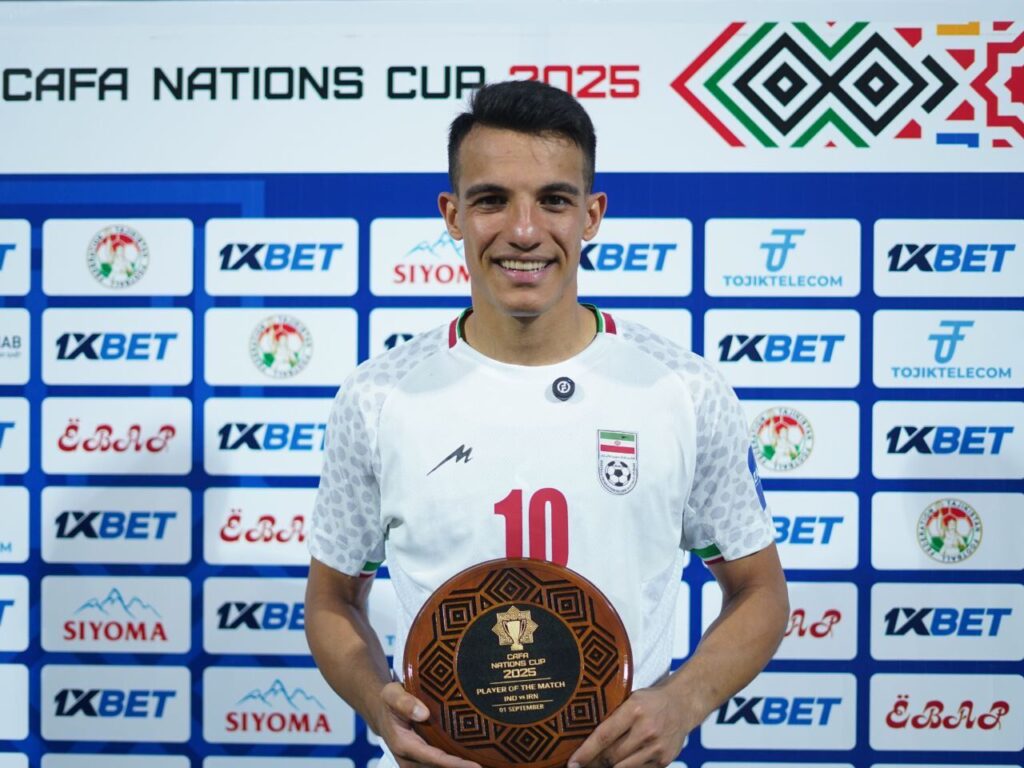
The match began according to script for Amir Ghalenoei’s side. Mohammad Mehdi Mohebi broke the deadlock in the first half, capitalizing on an uncharacteristic error by Rustam Yatimov in the Tajikistan goal, who failed to catch a cross and present Mohebi with the chance to put Iran ahead. After the break, his namesake, Mohammad Mohebi, doubled the lead, seemingly putting the game beyond the hosts and setting Iran on a comfortable path to the final.

However, the script was abruptly torn up as Tajikistan, fueled by immense pride and the roaring support of a passionate home crowd, launched a stunning comeback. Their first goal arrived under controversial circumstances. A goal-line scramble resulted in a VAR review, which awarded a goal despite Iranian goalkeeper Payam Niazmand appearing to have clawed the ball to safety. Television replays suggested the decision was fortuitous, handing the hosts a crucial lifeline.

There was nothing fortunate about the equalizer. In the 76th minute, Zoir Dzhuraboev produced a moment of pure quality, finding space between two Iranian defenders to unleash a powerful volley that flew past Niazmand, sending the Dushanbe stadium into a frenzy.

The final minutes were a nervy, frantic affair. Coach Ghalenoei, visibly anxious that a third Tajik goal would eliminate Iran from the tournament, made defensive substitutions, bringing on Hossein Kananizadegan to shore up a suddenly shaky backline and withdrawing Mohammad Mohebi. Tajikistan’s late flurry of attacks tested Iranian resolve, but Team Melli ultimately held on for the point they needed.

Tactical Takeaways and Performance Analysis

Ghalenoei continued his experimental approach, fielding a third different starting lineup in as many games. While this strategy achieved his objective of granting playing time to all squad members, it came at the cost of fluidity and understanding on the pitch.

The introduction of star forwards Mehdi Taremi and Alireza Jahanbakhsh in the second half initially paid dividends, with their experience contributing to Iran’s second goal and a period of controlled play. Yet, this proved to be a false dawn. The most glaring issue was Iran’s complete loss of control in midfield. Even with Saman Ghoddos playing the full 90 minutes, his influence was muted, and the unit failed to provide a platform for attack or a shield for the defense. Jahanbakhsh, operating in a creative role, was ineffective in supplying the forwards.

Despite the progression to the final, the performance raised significant concerns. The team displayed a worrying lack of game management, allowing initiative to slip away against determined opposition. Neither the new faces nor the established stars managed to deliver a convincing display, leaving Ghalenoei with much to ponder.

The Road Ahead

Iran will now face the winner of the other group, either Oman or Uzbekistan, in the final. While the objective of reaching the title match was achieved, this performance serves as a stark warning. If Team Melli is to lift the CAFA trophy, significant improvements in midfield solidity, defensive concentration, and overall tactical cohesion will be required. For now, it is very much back to the drawing board for Amir Ghalenoei.

Team Melli Faces Tajikistan in Pivotal CAFA Group Stage Clash


Iran’s national football team, Team Melli, is set to take on Tajikistan today, Thursday, September 4, at 7:00 PM local time in Dushanbe. This third and final Group B match of the 2025 CAFA Championship presents a fascinating clash that, while framed within a regional tournament, offers a serious test for Amir Ghalenoei’s rejuvenated squad and a clear measure of the footballing divergence between the two nations.

A Common Language, A Different Footballing Reality

A unique subplot to this encounter is the shared Persian language, which could facilitate on-pitch communication and create intriguing interpersonal moments. However, football is ultimately decided by quality and pedigree. Here, Iran holds a significant advantage, boasting a rich history of World Cup appearances and decades of dominance in Asian football—a stark contrast to Tajikistan’s emerging status.

Iran: Seeking Refinement Amidst Results

Fresh from convincing 3-1 and 3-0 victories over Afghanistan and India, a renewed sense of discipline and confidence surrounds Team Melli. While the results have been perfect, placing Iran atop the group, the performances revealed that a new superstar has yet to emerge and consistently attractive football remains a work in progress. A draw or win against the hosts will see Iran advance to the final in Uzbekistan as group winners.

Coach Ghalenoei has been candid, admitting that preparations for the tournament were less than ideal and that player fatigue is a concern. Consequently, this match serves as a critical benchmark for assessing how his young team adapts to the pressures of an international away game.

Tajikistan: Fueled by Passion and Home Support

For Tajikistan, motivation will far exceed the pressure of the result. Playing in front of a passionate home crowd in Dushanbe, they are well aware that defeating Iran is a tall order. However, a cohesive, energetic, and tactically disciplined performance would itself be a monumental achievement for their football. They will likely employ a compact defense and look to disrupt Iran’s rhythm through aggressive pressing and rapid counter-attacks.

Keys to the Match

For Iran, the path to victory hinges on controlling possession, exploiting the width of the pitch to stretch the Tajik defense, and relying on the sharpness of strikers like Aliyari and Alipour to convert chances. The midfield battle will be crucial; they must play intelligently to neutralize Tajikistan’s emotional intensity and establish their own tempo.

Tajikistan’s hope lies in a spirited, organized defensive effort and capitalizing on any lapse in Iranian concentration to create a moment of surprise that could electrify the home crowd.

Conclusion: An Opportunity to Assert Dominance

While football is always capable of producing surprises, the gulf in technical quality and experience makes Iran the clear favorite. For Amir Ghalenoei, this is more than a group stage fixture—it is an opportunity to demonstrate that his young Team Melli can not only win but also display the discipline and fighting spirit that wins the hearts of fans.

Tonight’s match is a meeting of neighbors, but on the pitch, the divide is as wide as their histories in Asian football. With one win and one loss, Tajikistan dreams of a historic upset to reach the final, ensuring the seats of Dushanbe’s Hesar Stadium will be packed and roaring long before the referee’s first whistle.

Head2Head

Match List

#Match DateMatch TypeOpponentScoreResult
11993-06-13OthersTajikistan1-0W
21998-12-10Asian GamesTajikistan5-0W
32000-11-28World Cup QualifierTajikistan2-0W
42012-11-06FriendlyTajikistan6-1W
52025-09-04CAFA Nations CupTajikistanNA

Match Summary

MPWDLGFGAGD
440014113

Goal Scorers

PlayerTotal Goals
Ali DAEI3
Abolghasim DEHNAVI2
Yaghoub KARIMI2
Mehdi HASHIMINASAB1
Karim BAGHERI1
Mohammad KHAKPOUR1
Ali MOUSAVI1
Ali Asghar MODIR ROUSTA1
Ahmad HASSANZADEH1
Alireza ABBASFARD1