Author: admin

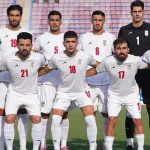
Team Melli Regroups with Focus on India After Opening WinTeam Melli News in CAFA 2025

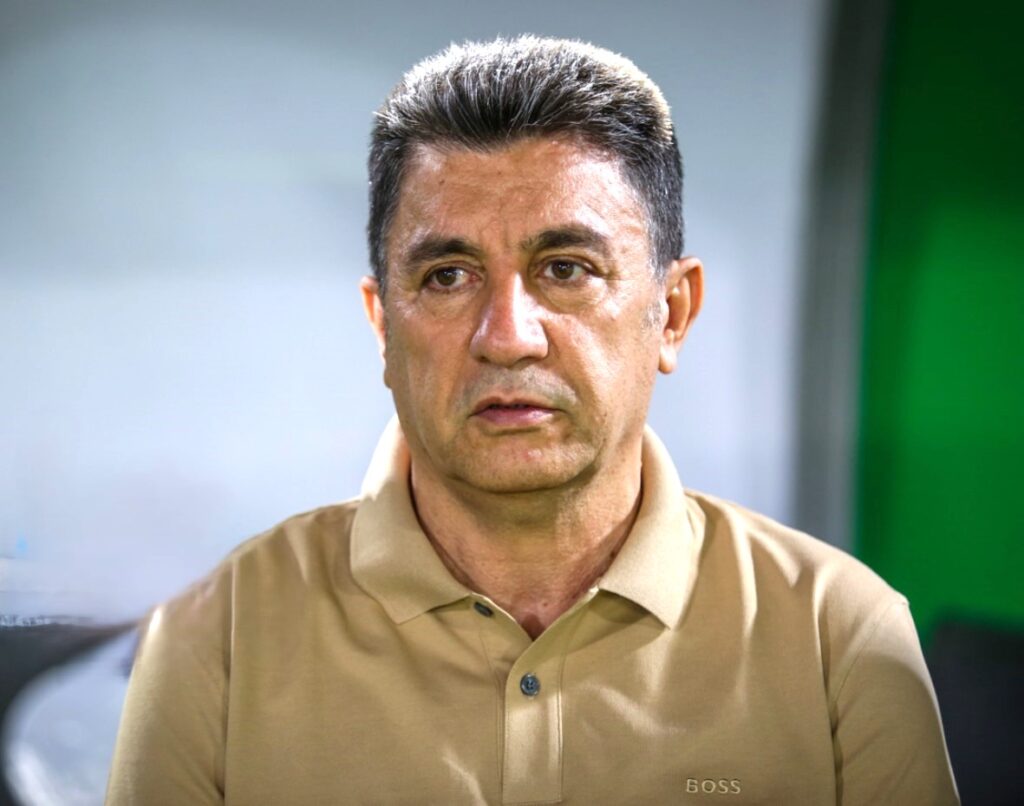
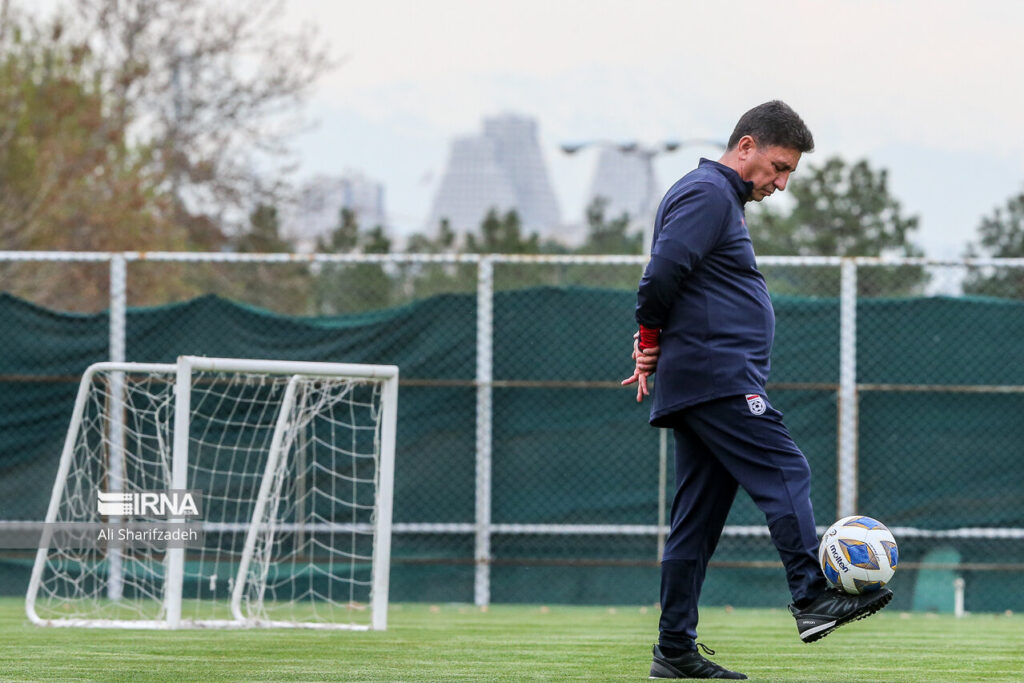
Following a positive start to their campaign, Team Melli resumed training on Saturday with light recovery exercises and warm-up maneuvers. The session's focal point was an extensive tactical briefing led by head coach Amir Ghalenoei and his staff, meticulously preparing the squad for their crucial September 1st encounter against India.

Despite fielding a new-look lineup in the 3-1 win over Afghanistan—a match where the team was well-organized and displayed neat, passing football—Coach Ghalenoei was quick to highlight lingering gaps in their performance. The solitary goal conceded came against the run of play but once again exposed a concerning lack of concentration in defense and Team Melli's continued vulnerability to counterattacks.

The upcoming opponent signaled their strong intentions in Group B by securing a hard-fought 2-1 victory over hosts Tajikistan. This result firmly establishes India as a formidable contender and likely presents Iran's most significant challenge in the group stage.

In squad news, Mehdi Taremi, who made a brief cameo appearance against Afghanistan, has been granted permission to travel to Athens to finalize his transfer to Greek club Olympiacos. He is scheduled to return to Dushanbe via private jet in time to rejoin the team following the signing ceremony.

Meanwhile, defender Mohammad Khodabandehloo, who was substituted during the Afghanistan match, has suffered an injury and will depart the camp for Tehran to undergo further assessment. His replacement, Abolfazl Jalali, has been called up and is en route directly from Tehran to bolster the defensive line.

Indian Head to Head results

H / A / NMatchesWDLGoals+ / -
H22007 - 0+7
A640212 - 6+6
N32106 - 1+5
Total1181225 - 7+18
DateCompetitionH / A / NFinal scoreStadiumAttendance
24.03.2016World Cup QualifierH4 - 0Azadi Stadium - Tehran29,900
08.09.2015World Cup Qualifier / Round 2 - GROUP DA3 - 0Sree Kanteerawa, Bangalore14,500
13.05.1992Asian Cup Qualifier /A3 - 0Calcutta2,0000
07.12.1984Asian Cup / Group BN0 - 0National Stadium, Singapore10,000
07.03.1980Olympics Qualifier /N2 - 0National Stadium, Singapore11,000
13.12.1966Asian GamesN4 - 1Chulalongkorn University Stadium, Bangkok10,000
19.06.1964Olympics QualifierA3 - 1Rapindra Soria , Calcutta25,000
06.06.1964Olympics QualifierH3 - 0Amjadiah , Tehran30,000
18.12.1959Asian Cup QualifierA2 - 1Maharaja's College : Ernakulam, India
08.12.1959Asian Cup QualifierA1 - 3Ernakulam, Kerela, India20,000
10.03.1951Asian Games / FinalA0 - 1Major Dhyan Chand National Stadium, New Delhi40,000

Team Melli Striker One Step From Joining Olympiacos

Mehdi Taremi Inter Milan

LECCE, ITALY - JANUARY 26: Mehdi Taremi of FC Internazionale celebrates after scoring his team's fourh goal goal during the Serie A match between Lecce and FC Internazionale at Stadio Via del Mare on January 26, 2025 in Lecce, Italy. (Photo by Maurizio Lagana/Getty Images)

Inter Milan striker Mehdi Taremi is one step away from joining Olympiacos

This according to Sky Sport Italia transfer market expert Gianluca Di Marzio, via FCInter1908.

With deadline day looming, Inter have still not managed to find a new club for striker Mehdi Taremi.

The Iranian has looked set to leave Inter for much of the summer transfer window.

And multiple potential destinations have emerged.

Reportedly, Leeds United and Fulham have shown an interest in bringing Taremi to the Premier League.

Meanwhile, Ligue 1 side Lille have also come forward. As have Serie A new boys Sassuolo.

Botafogo and Flamengo had already tried to bring Taremi to Brazil. However, the 33-year-old has made clear that he prefers to stay in Europe.

Inter Striker Mehdi Taremi One Step From Joining Olympiacos

Mehdi Taremi Inter Milan
MILAN, ITALY – NOVEMBER 26: Mehdi Taremi of FC Internazionale is challenged by Christoph Baumgartner of RB Leipzig during the UEFA Champions League 2024/25 League Phase MD5 match between FC Internazionale Milano and RB Leipzig at Stadio San Siro on November 26, 2024 in Milan, Italy. (Photo by Marco Luzzani/Getty Images)

Despite all these clubs showing an interest, though, Taremi has so far remained an Inter player all summer long.

This has led to several clubs coming forward in the final days of the transfer window to try their luck.

Among these have been PSV and Panathanaikos. Furthermore, Lyon have also come forward.

But it is Olympiacos who have managed to reach an agreement with both Inter and Olympiacos, reports Gianluca Di Marzio.

The Sky transfer expert reports that the 33-year-old striker is one step away from the move to Athens.

The deal will be worth around €10 million to Inter in terms of the wages they save on as well as a fee, Di Marzio reports.

Iran's much changed Squad Beats Afghanistan 3-1 in CAFA Nations Cup Opener

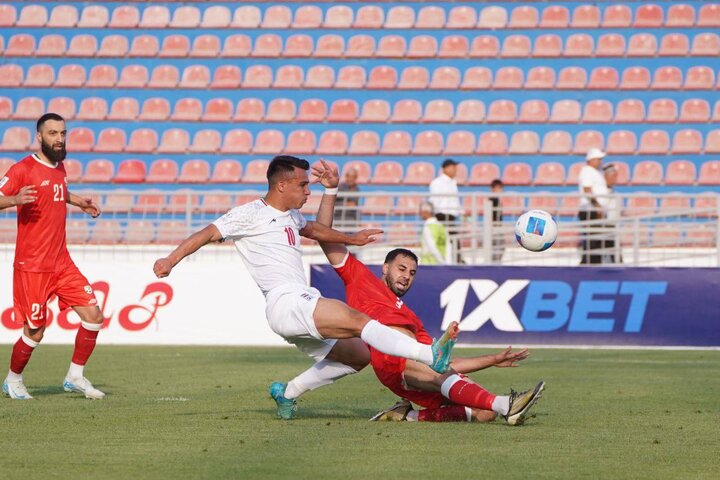
Team Melli, began their CAFA Nations Cup 2025 campaign with a 3-1 victory over Afghanistan. The match was held today at 15:30 local time at the Hesar Stadium in Dushanbe, Tajikistan. Goals for Iran were scored by Majid Aliyari, who bagged a brace, and Amirhossein Hosseinzadeh.

As anticipated, Iran's head coach, Amir Ghalenoei, opted for a major change in the lineup for the opening match, resting several key senior players. The new-look squad was tasked with overcoming an opponent not widely known on the Asian stage.
The star of the game was debutante Majid Aliyari who scored two goals to register his name in the elite of scoring twice in their debut.

Team Melli quickly asserted control with a possession-based style. However, in a surprising turn of events, Afghanistan capitalized on a rare counter-attack, with Omid Mousavi scoring in the 22nd minute to give his team a shock lead. The goal sparked Iran's attack, and just four minutes later, Majid Aliyari equalized with a header from a corner kick. Iran continued its momentum, and in the 36th minute, Amirhossein Hosseinzadeh extended the lead. Despite a late push by the Afghans, the first half ended with a 2-1 lead for Iran.

Iran began the second half with a more cautious approach, prioritizing defensive solidity to avoid another early scare. Ghalenoei used his bench, making multiple substitutions to introduce fresh legs and a new dynamic. The changes paid off in the 64th minute when Majid Aliyari scored his second goal of the match, completing a brace and extending Iran's lead to 3-1. Although Team Melli continued to dominate possession and seek more goals, they were unable to find the back of the net.

In the final moments of the game, with seven minutes of added time, Ghalenoei brought on star player Mehdi Taremi in a final attempt to score. The current outcast showed very little to appease the worries of his fans for being sidelinesd in Inter Milan with no appearne in the league this season. Taremi's efforts were modest in these remaining minutes.
The match ended with a 3-1 victory for Iran over their determined opponent.


Match Lineups

Iran National Team:

  • Starting XI: Seyed Payam Niazam, Aref Aghasi, Ali Nemati, Aria Yousefi, Omid Norafkan, Roozbeh Cheshmi, Mehran Ahmadi, Mehdi Hashemnejad, Amirhossein Hosseinzadeh, Majid Aliyari, Ali Alipour.
  • Substitutes: Ramin Rezaian (for Aria Yousefi, 62'), Mohammad Naderi (for Omid Norafkan, 62'), Alireza Koushki (for Ali Alipour, 62'), Mohammad Khodabandehlu (for Mehran Ahmadi, 77'), Mehdi Tekdari (for Mehdi Hashemnejad, 77'), Mehdi Taremi (for Amirhossein Hosseinzadeh, 90').

Afghanistan National Team:

  • Starting XI: Faisal Hamidi, Sharif Mohammad, Musawar Ahadi, Elias Mansoor, Amid Arezo, Rahmat Akbari, Naeem Rahimi, Zulfiqar Nazari, Omid Mousavi, Maziar Kohyar, Tofi Sekandari.
  • Substitutes: Thomas Safari (for Musawar Ahadi, 46'), Alireza Panahi (for Rahmat Akbari, 39'), Yama Shirzad (for Thomas Safari, 66'), Sayed Morteza Fatemi (for Tofi Sekandari, 66'), Hossein Zamani (for Omid Mousavi, 82').

Iran's Title Defense: Ghalenoei Bets on Experience for CAFA Nations Cup 2025


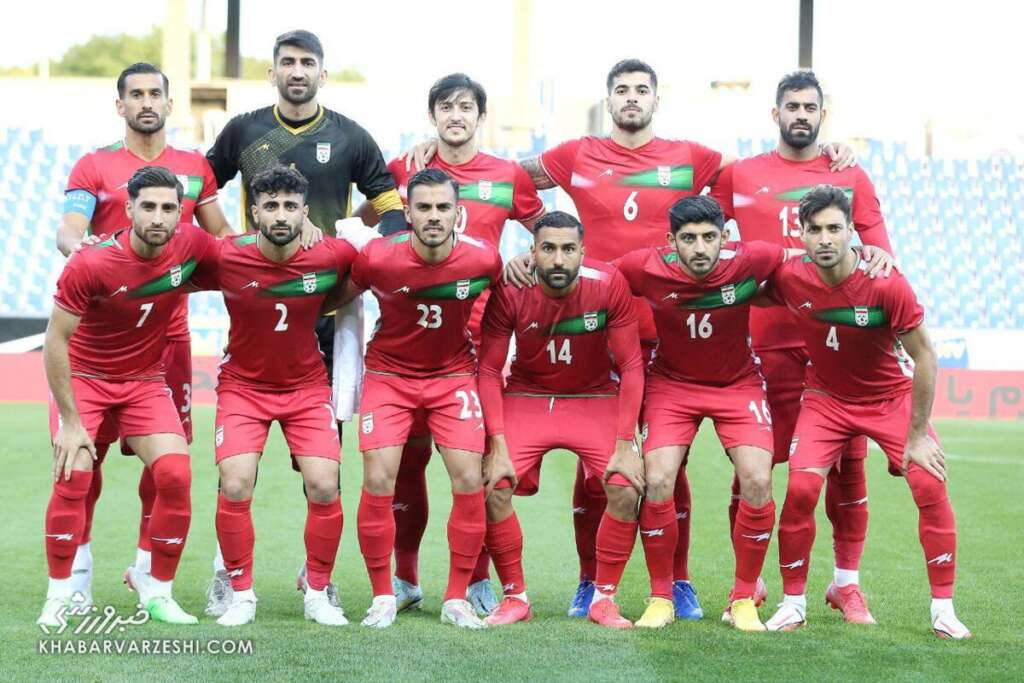
Head coach Amir Ghalenoei has named a seasoned 27-man squad for Iran’s upcoming CAFA Nations Cup 2025 title defense, opting for continuity and experience over a significant generational shift. The tournament will be held in Uzbekistan and Tajikistan from August 29th.

Despite the general perception of the CAFA region's modest competitive level—with Uzbekistan being the clear exception—Ghalenoei has largely stuck with his established core. The squad is a blend of veteran internationals and a select few emerging talents from the Iranian Premier League, signaling a clear intent to retain the trophy won against Uzbekistan in the 2023 final.

The team's preparations are hampered by significant absences. Key stars such as Sardar Azmoun, Mehdi Ghaedi, and Ali Gholizadeh are all sidelined due to injury, while first-choice goalkeeper Alireza Beiranvand is out through suspension. These omissions have undoubtedly diluted the squad's overall strength.

Navigating the Group Stage

Team Melli’s campaign begins with a match against Afghanistan, a fixture they will be expected to win comfortably. The following games against India and hosts Tajikistan are anticipated to present progressively tougher challenges. However, the ultimate test is expected to be a potential final rematch against a strong Uzbek side.

Concerns Over Key Figures

The squad list reveals concerns regarding the fitness and form of its leadership. Captain Alireza Jahanbakhsh is currently without a club, having yet to secure a contract for the new European season. With transfer windows beginning to close, his match sharpness remains a major question mark.

Meanwhile, vice-captain and team star Mehdi Taremi finds himself in a difficult situation at Inter Milan. Despite his high-profile move, the striker has been relegated to train with the club’s U23 side and has been excluded from the senior squad as the Italian giants seek a buyer for him.

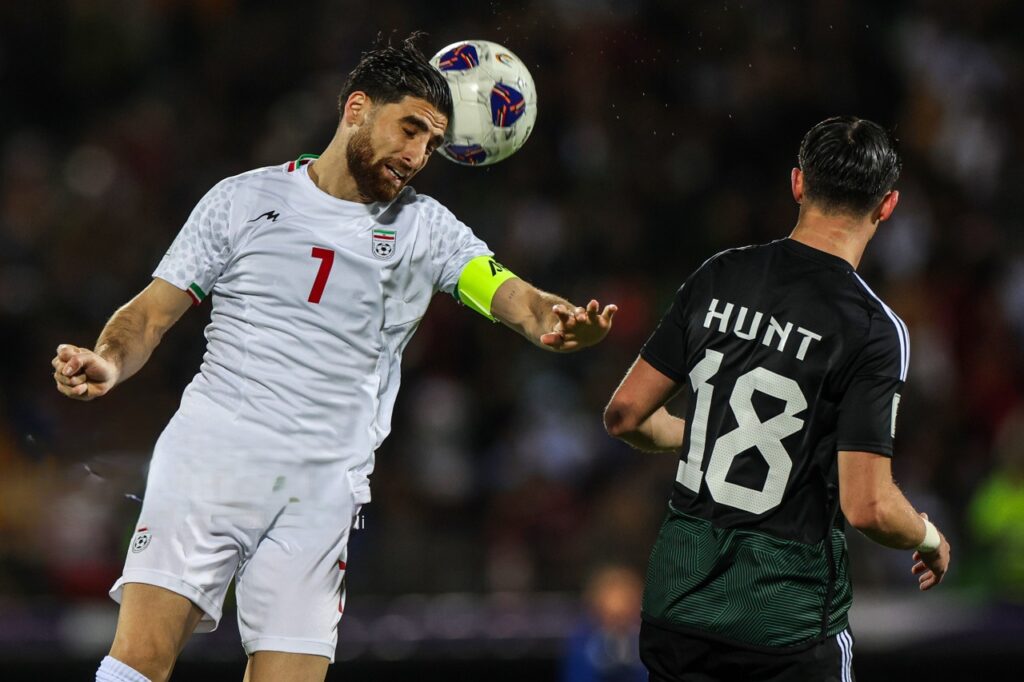
Alireza Jahanbaksh heading against Hunt of UAE

Squad Composition

The selection highlights the dominance of Iran’s domestic league, with the country's top clubs providing the bulk of the players.

  • Sepahan: 6 players
  • Esteghlal: 5 players
  • Persepolis: 4 players
  • Tractor: 3 players
  • Other Clubs: The remainder of the squad is drawn from other domestic teams and includes three players from UAE's Etihad Kalba.

The Full 27-Player Squad:


GOALKEEPERS:
1- Payam Niazmand - 30 years -(Persepolis),
2- Nima Mirzad - 28 years - (Mes Rafsanjan),
3- Seyed Hossein Hosseini - 33 years- (Sepahan)

Defenders:

4- Mohammad Hossein Kananizadegan - 31 years- (Persepolis),
5-Mohammad Naderi - 28 years - (Tractor),
6- Aref Aghasi - 28 years - (Esteghlal),
7-Ramin Rezaeian -35 years- (Esteghlal),
8- Ali Nemati -29 years- (Foolad),
9- Omid Noorafkan -28 years- (Sepahan),
10- Amin Hezbavi - 22 years- (Sepahan),
11- Aria Yousefi -23 years- (Sepahan),

Midfielders:

12- Mohammad Mohebi - 26 years- (Rostov, Russia),
13- Mehdi Hasheminejad - 24 years- (Tractor)
14- Saman Ghodoos -31 years- (Etihad Kalba UAE),
15- Mehdi Mohebi -25 years- (Etihad Kalba UAE),
16- Mohammad Khodabandelou -25 years- (Presepolis),
17- Rouzbeh Cheshmi -32 years- (Esteghlal),
18- Alireza Koushki -25 years- (Esteghlal),
19- Mohammad Ghorbani -23 years- (Al-Wahda, UAE),
20- Mehdi Tikdari Nejad - 29 years- (Sepahan),
21- Alireza Jahanbakhsh - 32 years- (No Club),

Forwards:

22-Mehdi Taremi -33 years- (Inter Milan, Italy),
23- Mehran Ahmadi - 27 years- (Esteghlal),
24- AmirHossein Hosseinzadeh - 24 years- (Tractor)
25- Ali Alipour -29 years- (Persepolis),
26- Shahriyar Moghanlou - 30 years- (Ittihad Kalba , UAE),
27- Majid Aliyari -29 years- (Sepahan)

Political Puppets: How Team Melli Coaches Are Chosen by Power, Not Merit

A Federation Without Authority

In most footballing nations, federations appoint coaches based on technical merit. But in Iran, real power lies elsewhere—with IRGC-linked officials, political operatives, and a select group of senior players who act as kingmakers.

The ongoing push to install Javad Nekounam as Iran’s next coach—despite his lack of top-level experience—is just the latest example. According to Shargh newspaper, the same players who orchestrated Dragan Škočić’s ouster before the 2022 World Cup (via backroom meetings with then-President Ebrahim Raisi’s office) are now lobbying for Nekounam’s appointment.

A Controversial Contender: Nekounam's Troubled Track Record

Javad Nekounam, Iran's most-capped player and former national team captain, has proven to be an unstable and divisive figure in his transition to coaching. His brief managerial career—launched without proper qualifications—ended in failure at Esteghlal, leaving his reputation in tatters.

Yet despite:
✔ Zero coaching success – A disastrous stint at Esteghlal with no achievements
✔ Emotional volatility – Public outbursts and erratic decision-making
✔ No recent experience – Over a year unemployed since his sacking

...he has been aggressively lobbying for high-profile roles, leveraging his political connections rather than merit.

Why He’s a Dangerous Choice

  • No upgrade on Ghalenoei – Lacks the incumbent’s tactical discipline
  • Potentially worse – His instability could fracture the squad further
  • Symbols everything wrong with Iranian football – Jobs going to connected insiders over qualified candidates

Observers warn his appointment would be a step backward—proof that in Iranian football, who you know matters more than what you know.

A source inside Iran’s Football Federation (FFIRI) told IranWire that Mehdi Taj has already given verbal assurances to senior players that Amir Ghalenoei will be replaced post-World Cup qualification.


The IRGC’s Shadow Over Team Melli

This is not just about player power—it’s about systemic control. Coaches in Iran must navigate:

  1. IRGC Influence – Security agencies vet appointments, as seen when Nekounam was forced to write a "letter of repentance" to secure the Esteghlal job.
  2. Player Politics – Stars like Taremi and Jahanbakhsh leverage political connections to remove uncooperative coaches (e.g., Škočić’s firing after players allegedly sabotaged a match vs. Algeria).
  3. Financial Interests – Backroom deals often prioritize loyalty over tactics, with agents and officials profiting from managerial chaos.

Ghalenoei’s Survival Strategy—And Its Limits

Ghalenoei learned from Škočić’s mistakes. While the Croat clashed with Taremi over discipline, Ghalenoei has:

  • Bowed to player demands (e.g., dropping Ehsan Hajsafi after squad disputes).
  • Avoided youth call-ups to appease aging captains.
  • Toed the political line, ensuring IRGC-aligned media didn’t turn against him.

Yet, his compliance hasn’t saved him. With Nekounam waiting in the wings—endorsed by both players and regime insiders—Ghalenoei’s days may be numbered.


The Bigger Picture: A Broken System

Iranian football is trapped in a cycle where:
✅ Coaches are chosen for loyalty, not ability – Nekounam’s leaked “repentance letter” proves political obedience trumps tactics.
✅ Players wield unchecked power – Their access to high-ranking officials (e.g., Taremi’s meeting with VP Mokhber) lets them veto coaches.
✅ The federation is a figurehead – Mehdi Taj fears rebellion but lacks authority to resist IRGC or player pressure.


Conclusion: No Hope Without Change

Until Iran’s football system is freed from IRGC interference, player politicking, and financial corruption, the national team will remain:

  • A toy for political elites – Where coaches like Nekounam are selected for subservience, not skill.
  • A graveyard for ambition – As seen in Jahanbakhsh’s decline and Škočić’s unjust firing.
  • A symbol of wasted potential – While Japan and South Korea thrive, Iran’s talent is suffocated by off-field machinations.

The question isn’t who will coach Team Melli next—it’s who will allow them to coach at all.

Amir Ghalenoei's tenure as Team Melli coach until the 2026 World Cup won't be determined by:
✖ Tactical innovation
✖ Player development
✖ Match performance

But rather by:
✔ His ability to navigate Iran's football politics
✔ Keeping powerful players and IRGC-aligned officials content
✔ Avoiding the fate of Škočić through careful appeasement

The bitter reality? In Iran's football:

  • A coach's political skills outweigh their technical abilities
  • Survival means balancing between player power and regime demands
  • Actual football progress remains secondary to backroom maneuvering

Ghalenoei's continued employment will simply prove what we already know - in Iranian football, the best politicians win, not the best coaches.


Alireza Jahanbakhsh's career at crossroads!


The Premature Decline of Iran’s Football Captain: From Dutch Stardom to Cypriot Obscurity?

Once hailed as Iran’s brightest European export, Alireza Jahanbakhsh now faces a career trajectory that can only be described as a rapid and perplexing decline. At 31, the captain of Iran’s national team finds himself without a club, with rumors linking him to a move to Cyprus’s Apollon—a team that finished last season with a modest record of 12 wins, 10 draws, and 14 losses. For a player who was once the top scorer in the Dutch Eredivisie, this potential move underscores a staggering fall from grace.

The Rise and Fall of a Former Star

Jahanbakhsh’s peak came in the 2017-18 season when he netted 21 goals for AZ Alkmaar, becoming the first Asian player to claim the Eredivisie Golden Boot. His achievement was historic, sparking pride across Iranian football. Yet, what followed was a series of missteps and unfulfilled potential.

His £17 million move to Brighton & Hove Albion in 2018—a then-club-record fee—turned into a nightmare. Over three Premier League seasons, he managed just two league goals, with his shots on target failing to reach double digits. A return to the Netherlands with Feyenoord offered brief respite, but his subsequent transfer to Heerenveen, a mid-table side, raised eyebrows. Even more telling was Jahanbakhsh’s admission that he sought to extend his stay in the Netherlands primarily for passport eligibility—hardly the ambition expected of a player once destined for greater heights.

A National Team Paradox

Despite his club struggles, Jahanbakhsh has remained a staple in Iran’s national team under manager Amir Ghalenoui, even earning call-ups while unattached to any club. Yet, his performances in Team Melli have drawn increasing criticism, with fans questioning whether loyalty has outweighed merit.

A Bitter Irony

Perhaps the most striking aspect of Jahanbakhsh’s decline is the contrast between his past advocacy for Iranian players in Europe’s elite leagues and his own fading relevance. While Uzbek and Kazakh teenagers secure contracts with Manchester City and Chelsea, Iran’s former golden boy now faces the prospect of Cypriot football—a league far removed from the prestige he once embodied.

What Comes Next?

At 31, time is running out for a career revival. Whether Jahanbakhsh can rediscover even a fraction of his past brilliance remains uncertain. But one thing is clear: unless he finds a way to reverse this downward spiral, his legacy risks being defined not by his historic Eredivisie triumph, but by a premature and disappointing decline.


Jahanbakhsh’s Downfall: A Case Study in Wasted Potential

From Dutch Stardom to Premier League Flop

Jahanbakhsh’s 21-goal season with AZ Alkmaar in 2017-18 should have been the launchpad for a stellar European career. Instead, his £17 million move to Brighton became a cautionary tale. Hindered by tactical mismatches, physical demands, and a lack of confidence, he managed just two Premier League goals in three seasons. Unlike Japanese or South Korean players who adapt and grow in Europe, Jahanbakhsh regressed—raising concerns about whether Iranian players receive the right preparation for top-tier football.


Why Do Iranian Players Struggle in Europe?

While Japan and South Korea consistently export world-class talents (Son Heung-min, Kaoru Mitoma, Takefusa Kubo), Iran’s European exports often flame out prematurely. Several key factors explain this trend:

1. Poor Career Planning & Agent Influence

Many Iranian players prioritize immediate financial gains over long-term development. Unlike Japanese stars who carefully choose clubs with playing time guarantees (e.g., Mitoma’s move to Brighton after Belgian development), Iranians often join unstable leagues (Qatar, UAE) or make premature jumps to Europe without proper scouting. Agents sometimes push for lucrative but ill-fitting transfers, harming careers.

Example: Sardar Azmoun, despite Bundesliga interest, chose Rubin Kazan for money—delaying his top-five league breakthrough until his late 20s.

2. Lack of Adaptability

European football demands tactical flexibility, physical endurance, and mental resilience—areas where many Iranian players struggle. Jahanbakhsh’s failure at Brighton stemmed partly from his inability to adjust to the Premier League’s intensity. Similarly, Mehdi Taremi, despite success in Portugal, faced criticism for inconsistency in high-pressure matches.

Contrast: South Korea’s Lee Kang-in thrived at Mallorca and PSG by adapting quickly—something few Iranians manage.

3. Weak Domestic Development

Iran’s Pro League lacks modern training methods, sports science, and competitive depth. Even in Asian Iran's club football is in the fourth of fifth tier of the continent. While Japan’s J-League and South Korea’s K-League actively prepare players for Europe, Iran’s league remains insular. Young talents like Allahyar Sayyadmanesh show promise but often move too early (e.g., his failed Fenerbahçe stint).

4. National Team Pressure vs. Club Form

Iranian players often perform better for the national team than their clubs—partly due to emotional motivation but also because domestic expectations overshadow individual growth. Jahanbakhsh remains a national team regular despite poor club form, reducing his urgency to improve.


Can the Next Generation Break the Cycle?

A few young Iranians offer hope. However, unless Iran improves:

  • Youth development (modern coaching, exposure to European academies)
  • Smart transfers (avoiding money-driven moves to weak leagues)
  • Mental & physical preparation (sports psychology, fitness regimes)

…the cycle of unfulfilled potential will continue.


Conclusion: Jahanbakhsh’s Legacy—A Warning or a Wake-Up Call?

Jahanbakhsh’s decline isn’t just his own—it mirrors systemic flaws in Iranian football. While players like Taremi and Azmoun have had moderate success, none have reached the heights of their Asian counterparts. Unless Iran addresses its structural issues, its next golden generation may suffer the same fate: flashes of brilliance, followed by premature decline.

For now, Jahanbakhsh’s career stands as both a tragedy and a lesson—one that Iranian football must learn from before another talent fades away.

Leeds United possible destination of Taremi

Inter Milan striker Mehdi Taremi will move to the Premier League this summer, with Leeds United ahead of Fulham in the race.

This, according to today’s print edition of Milan-based newspaper Gazzetta dello Sport, via FCInter1908.

Inter Milan striker Mehdi Taremi has been at the centre of several transfer rumours in recent weeks.

The 33-year-old had a very underwhelming first season at Inter. Therefore, there is a widespread feeling that he will be on his way after just one year at the club.

There have been plenty of clubs to show an interest in Taremi’s signature.

The likes of Botafogo and Flamengo have tried to bring the 33-year-old to Brazil. However, his priority has been to stay in Europe.

Meanwhile, Turkish giants Bestikas have also been eyeing up a move for Taremi.

Taremi Set For Premier League Switch – Leeds United Lead Fulham

RIYADH, SAUDI ARABIA – JANUARY 06: Mehdi Taremi of FC Internazionale celebrates scoring his team’s second goal during the Italian Super Cup Final between FC Internazionale and AC Milan at Kingdom Arena on January 06, 2025 in Riyadh, Saudi Arabia. (Photo by Abdullah Ahmed/Getty Images)

In the meantime, however, the interest in Taremi’s signature is also arriving from the Premier League.

And that would certainly be an option that the player himself would welcome.

There are a couple teams in particular to show an interest in signing Taremi.

Fulham have targeted the 33-year-old for much of the summer, the Gazzetta dello Sport note.

However, Craven Cottage is not Taremi’s most probable destination.

Instead, the Gazzetta report, Leeds United are closing in. They are keen to sign a striker after winning promotion to the Premier Division, and Taremi is in their sights.

Russia vs Iran friendly international has been confirmed.

The opening of ticket sales, as well as the match’s kick-off time, will be announced later

MOSCOW, August 8. /TASS/. The Russian national football team will play an exhibition against Iran on October 10 in the south Russian city of Volgograd, the Russian Football Union’s (RFU) press office reported on Friday.

The match will be played at the Volgograd-Arena. The opening of ticket sales, as well as the match’s kick-off time, will be announced later.

The 45,000-seat Volgograd-Arena was built for the 2018 FIFA World Cup in Russia and hosted four group stage matches of the world football championship.

Volgograd, formerly known as Stalingrad, has a population of over one million people, situated along the Volga River. The city and the surrounding areas were the scene of the fiercest battles of World War II, including the Battle of Stalingrad, which was widely considered to be the turning point in the war.

The Iranian national football team is currently 20th in the FIFA Rankings. Russia is 35th.

The Russian and Iranian teams previously played against each other on three occasions: in 2011, when Iran defeated Russia 1-0, and in 2017 and 2023, which both ended in a 1-1 draw.

The USSR also played three matches against Iran, winning all of them: in the quarterfinals of the 1976 Summer Olympics in Canada (2-1), in a 1976 friendly match (1-0) and in the 1985 Nehru Cup (2-0).

The Iranian national football team has already qualified for the 2026 FIFA World Cup, which will be co-hosted by Canada, Mexico and the United States. The matches will be played in 16 cities across the North American continent. This will be the first FIFA World Cup featuring 48 teams compared to the previous 32-team format.

Russia’s football ban

The world’s governing football body, FIFA, announced on February 28, 2022, that the Russian national team and all professional clubs representing the country were barred from participating in FIFA tournaments.

In turn, the Union of European Football Associations (UEFA) made a similar decision regarding the Russian national football team’s participation in UEFA tournaments.

Both FIFA and UEFA cited Russia’s special military operation in Ukraine as grounds for their respective bans on Russian teams’ participation in competitions.

FFIRI Suspension of Alireza Beiranvand includes exclusion from Team Melli selection.

Mashhad, Iran – Mehdi Taj, President of the Iranian Football Federation, confirmed today that goalkeeper Alireza Beiranvand will not join the national team for the foreseeable future due to an ongoing suspension.

The announcement came during a press briefing on the sidelines of the East Azerbaijan Football Board meeting, where Taj also addressed the selection of Mashhad as the host city for the upcoming Tractor vs. Esteghlal match.

Beiranvand’s Suspension: Rules and Next Steps

Regarding Beiranvand’s case, Taj emphasized adherence to regulations while leaving room for further review:

  • The goalkeeper is currently suspended, with half of the penalty still to be served.
  • The Appeals Committee’s detailed 11-page ruling remains open for scrutiny.
  • The option to appeal to the Court of Arbitration for Sport (CAS) is available, per standard statutes.

"While we respect the disciplinary process, the federation is actively working to resolve the situation," Taj said. "All stakeholders are welcome to present their perspectives formally."

Commitment to Governance and Future Success

Taj reiterated the federation’s focus on upholding governance standards while supporting teams:
"Our priority is to ensure fair conditions for both the national team and clubs. We remain optimistic about Iranian football’s continued progress."

The statement concluded with no specified timeline for Beiranvand’s return.

The Controversial Suspension: A Year-Long Saga of Delays

Alireza Beiranvand's suspension stems from a breach of contract complaint filed by his former club, Persepolis, over a year ago. Despite the straightforward nature of the case, the Football Federation (FFIRI) and its Disciplinary Committee demonstrated puzzling inertia—repeatedly deferring proceedings while Beiranvand completed an entire league season unaffected.

This extraordinary delay in resolving a contractual dispute raises serious concerns:

  • Transparency Issues: Why did a clear-cut case require 12+ months to adjudicate?
  • Selective Enforcement: Was the timing influenced by external pressures or political considerations within Iranian football?
  • Precedent Setting: The federation’s eventual acknowledgment of Beiranvand’s contractual breach—after such protracted deliberations—undermines confidence in its judicial processes.

Critics argue the federation’s sluggishness reflects either institutional incompetence or deliberate stalling to accommodate vested interests. Either way, the handling of this case has become emblematic of systemic governance flaws that demand urgent reform.


Part 2: Systemic Failures Behind Iran’s U23 Disasters – Beyond Just Poor Coaching

While the baffling appointment of Omid Team’s coaching staff highlights the Football Federation’s incompetence, it is only one symptom of a deeper rot. Iran’s 50-year Olympic qualification drought stems from systemic failures—club selfishness, federation weakness, and logistical chaos—that have doomed generations of talent.

Club Selfishness Over National Duty

The primary obstacle? Iran’s top clubs, particularly powerhouses like Persepolis and Esteghlal, routinely refuse to release players for Omid Team duties. Though some fans sympathize with clubs prioritizing league campaigns, this shortsightedness cripples the national team’s preparation. Unlike Saudi Arabia, Qatar, or the UAE—where clubs consider youth development a patriotic duty—Iran’s giants face no consequences for their defiance. The Football Federation (FFIRI), led by Mehdi Taj, lacks the spine to enforce compliance, fearing backlash from influential clubs. Publicly, both sides claim cooperation; privately, it’s a farce.

Why Top Coaches Refuse the Job

Even if a competent coach were appointed, the role is a poisoned chalice. Established managers avoid the Omid Team, knowing they’ll be handed a weakened squad due to club obstinacy. Why risk their reputations coaching a B-team when the federation won’t secure the best players? The result: only desperate or politically connected candidates—like Ravankhah—take the job, perpetuating the cycle of failure.

Chronic Mismanagement & Blame Games

For years, the Olympic Committee (IOC) oversaw the Omid Team, and failures were conveniently blamed on their "interference." Yet now, with full control handed back to the FFIRI, nothing has improved. The federation’s planning remains shambolic—training camps are poorly scheduled, preparation matches are scarce, and long-term strategy is nonexistent.

A Lost Generation

Iran’s golden era of youth dominance in Asia is long gone. Today’s U23s lack the technical and tactical foundation of their predecessors, and the federation’s negligence has only widened the gap. With clubs hoarding players, unqualified coaches at the helm, and zero accountability, the dream of ending Iran’s Olympic drought grows more distant.

The harsh truth? The FFIRI is not just failing—it is unwilling to succeed. Unless clubs are forced to cooperate, competent coaches are empowered, and the federation is held accountable, even partial progress is impossible. For now, Iranian fans can only watch as their neighbors thrive while their own team languishes in chaos.