Tag: Russia

Infantino’s idolisation of Trump has left football with blood on its hands

Story by Barney Ronay
 The Guardian

Mr President. Fellow exco members. We’re going to need a bigger Board of Peace. How many mini‑pitches are we up to now? Gaza got 50 of them last month. What will it take to football-fix the global conflict being set in train by Fifa’s own Peace Prize Boy? A hundred mini-pitches? Four billion mini-pitches? All the mini‑pitches in the universe?

In a more sane version of what we must, out of habit, call the real world, it would seem absurd to talk about sports administration in the context of the US, Iran and the airborne conflict being played out across the borders of their allies.

Sport is the most important of all the unimportant things. Sport is a part of a culture you fight for, but not a part of the battle. Sport is also prone to insisting on its own importance, shoving itself to the front of every photo like a particularly deluded family Labrador.
When news emerged on Monday that Iran had launched a drone attack on the Ras Tanura oil refinery in Saudi Arabia, there was an urge to point out this is a mere 250 miles from Cristiano Ronaldo’s house. Do we need a footballers‑and-their-war-menaced-mansions gallery? Meanwhile the UK government has advised British nationals in Saudi to stay inside and take cover. So … you’re saying this is an Ivan Toney story?

There are two reasons why this dynamic has now shifted, why football is not just an observer but an active participant in this picture; reasons that should in any sane version of reality be hugely damaging for Fifa and its executive.

The basic premise is jaw‑dropping enough. The co‑host of the Fifa World Cup finals this summer is currently bombing one of its participating nations. The co‑host of the tournament has murdered the head of state of the third‑ranked team in Group G.

Nothing quite like this has happened before. Britain was involved in bloody conflicts in Borneo and Aden while it hosted the 1966 World Cup. Russia has been banned from international sport as a consequence of invading the borders of a sovereign state, although this was still deemed unproblematic in 2018.

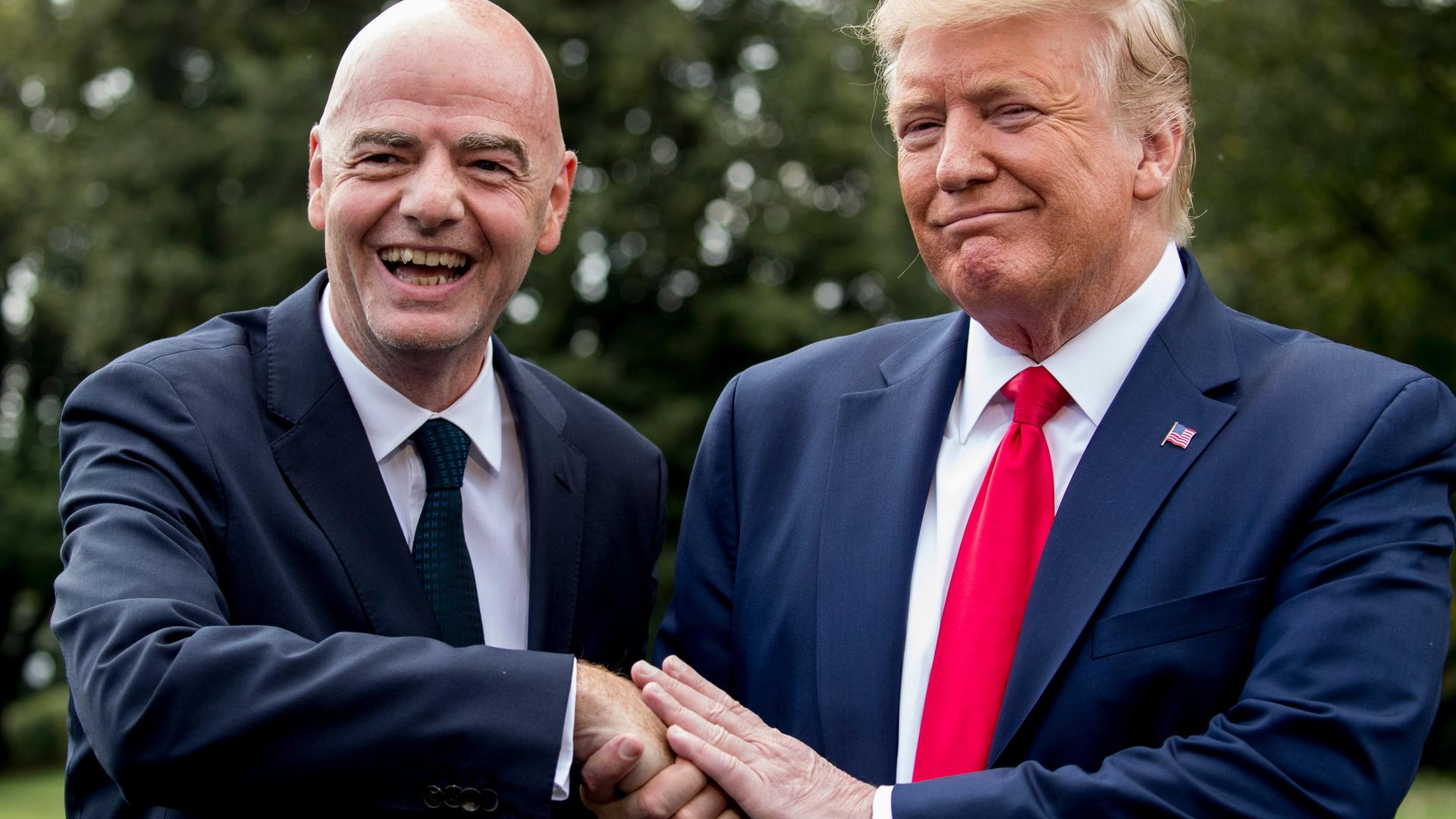
Clearly, nobody out there will have the will or the courage to apply a similar logic to the US. The issue is the extent of Fifa and Gianni Infantino’s willingness to act as a fluffer, ally and de facto propaganda mouthpiece for Donald Trump’s regime.

Never mind how gravely Infantino might frown, while pretending this has all been necessary realpolitik. The fact is, Fifa has tied itself with unquestioning zeal to a US president who has initiated eight acts of overseas aggression in his second term. And football has blood on its hands now, too.

This might seem like a stretch, or an overly dramatic take on the necessary exercise of Fifa’s global remit. But this has also been a choice. Infantino has, in full view of the consequences, repeatedly put Fifa in the same room as Trump’s autocratic exercise of power. Not as a guest or a bystander, but as an enabler, an active participant in the publicity machine.

Under its own statutes Fifa is supposed to be politically neutral. And yet this has still happened, to a degree that it has by now moved past cartoonish to grotesque. It was a choice to trail after the president like a goggle-eyed teenager offering gifts, a bauble here, a peace prize there, a strange and frightening Club World Cup trophy replica that looks like it contains a tiny drawer full of crow’s heads.

It was a choice not just to award Trump a peace prize, but to invent a peace prize from scratch so he could win it, that fittingly gruesome drag‑me‑to‑hell golden bauble with its nest of clawing hands.
As was the related announcement of the weird and pointless Gaza mini-pitch construction project, with its manipulative background imagery of rubble and displaced people casually tossed into the mix, a gruesome form of public conscience washing.

All of this is doubly absurd given the continued participation in the Fifa-verse of Israel, the same nation that is levelling Gaza’s existing infrastructure. Almost as an afterthought, it goes without saying that the weapons being used to reduce these people’s homes to rubble are being part-funded by the hosts of this summer’s tournament and Infantino’s own daddy‑regime. But never mind. The president has a golden peace ball. Keep looking at the peace ball.

In the end this will catch up with you. The open doors, the hours at the buffet table, the ballroom passes, all come at a cost. Fifa may not be directly responsible for all this. But it is now decisively part of the image-making that has empowered Trump to take his extreme executive actions.

There is of course a hugely complex set of demands in play here. The idea of a right and wrong side of history is never really clear. Sometimes you might straddle many of them all at once. But Fifa is so clearly drawn to the nearest power source, the biggest stick, the grandest stage, all the while presenting itself as grave and stately ambassador of hope, led by a man who increasingly resembles essence of pure inauthenticity, reconstituted into human form, packed into a blue suit and pushed out on stage to talk about peace, in the voice of a man addressing you from the bridge of his own golden ship of hope.

What happens next is entirely uncertain. As news broke of the US bombardment of Tehran, Fifa executives were at Hensol Castle in Wales overseeing the 140th annual general meeting of the International Football Association Board, which is at least a suitably scaled occupation for a bunch of sports administrators.
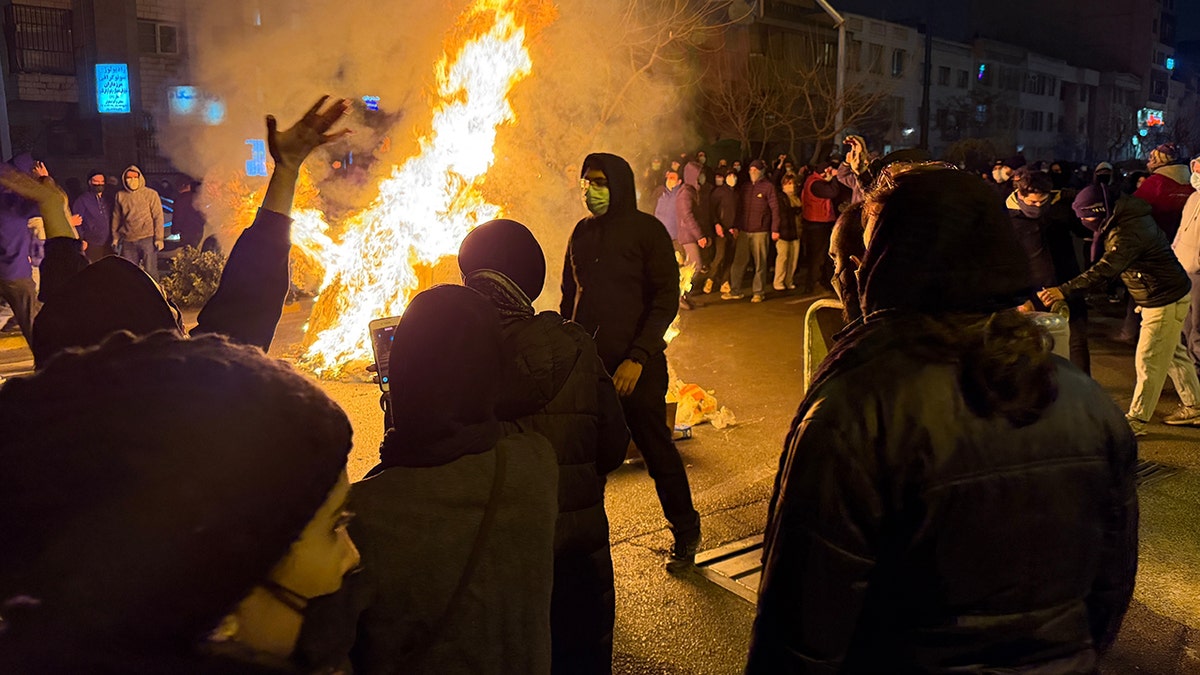
It seems impossible that Iran can now compete at the World Cup this summer, or indeed that it should have been present in any case given the regime is accused of killing tens of thousands of civilian protesters. The Iranian FA has stated it “cannot be expected to look forward to the World Cup with hope”. Its fans were already banned from entering the US.

Under Fifa’s statutes, there is no direct remedy should Iran drop out, although there is pretty much a free hand under force majeure for the executive committee to act as it sees fit. The United Arab Emirates and Qatar, struck by Iranian bombs in the past few days, were in the same qualifying group. As were North Korea. Perhaps Infantino has a route here to usher in another dear leader.

Some kind of fudge will be offered. A World Cup will take place if there is still a world left to contest it. The US needs this to happen. The show must continue. And this is an incidental aspect of the extraordinary story of Trump and Infantino. Football is always telling you things about the world, always running ahead to the tide.
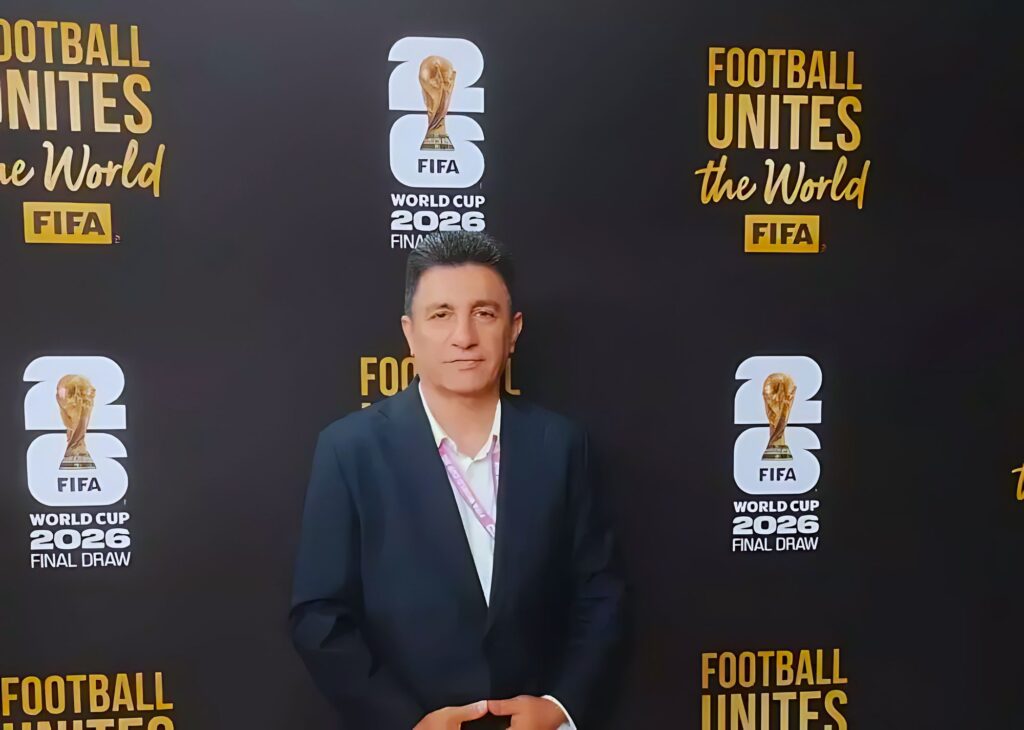
Amir Ghalenoei

In this case it is providing the ideal, textbook, read-it-and-take-notes lesson in how dictatorships and propaganda work, how power glosses its actions with noise. How spectacle is used to flood the zone, and how nothing floods the zone like football.

In any sane version of sports governance Infantino should, at the end of all this, be forced to explain his actions, to justify taking global football into this space. It won’t happen. His own executive power is absolute.

The money continues to flow to his sub-partners. But history will still judge him, and judge his version of Fifa. There is no way of escaping that lens. And from here it already looks like the most grotesque, post-truth, fawningly complicit version of big sport ever devised.
Cape Verde: From Independence Jubilee to World Cup Debut

Cape Verde – A nation of fewer than 525,000 people is celebrating a historic milestone—50 years of independence and its first-ever qualification for the FIFA World Cup. Last month, scenes of unrestrained joy erupted at the Estadio Nacional as more than 15,000 fans, draped in Cape Verdean blue, witnessed their national team secure a place in football’s greatest tournament.

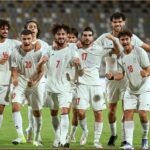
Players from across the globe—Ireland, North America, and Cape Verde itself—embraced, danced, and celebrated together on the pitch, embodying the pride of a nation that has become the second-smallest by population to qualify for the World Cup, trailing only Iceland.

A Footballing Rise Rooted in History

Since gaining independence from Portugal in 1975, Cape Verde has steadily built its footballing identity. The national football federation was established in 1982, and by 1986, the country became a FIFA member. For over two decades, Cape Verde has competed in World Cup qualifiers, gradually emerging as a rising force in African football.

The team first announced its arrival on the continental stage by qualifying for the 2013 Africa Cup of Nations, where it reached the quarterfinals. A decade later, Cape Verde repeated the feat, bowing out in the top eight after a hard-fought penalty shootout loss to South Africa.

Recent Form and Key Players

Cape Verde enters the World Cup on a strong run of form, with recent results including:

  • Cape Verde 1–0 Mauritius
  • Angola 1–2 Cape Verde
  • Cape Verde 1–0 Cameroon
  • Libya 3–3 Cape Verde
  • Cape Verde 3–0 Eswatini

Leading the attack is Ryan Mendes, the national team’s all-time top scorer with 22 goals. A teammate of Sardar Dursun at Turkey’s Kocaelispor, Mendes embodies the global reach of this squad.

While Cape Verde has no players in Europe’s top five leagues, the team relies on a diaspora of talent competing across Slovakia, Portugal, Belgium, Hungary, Ireland, Morocco, Bulgaria, USA, Azerbaijan, Russia, UAE, Greece, Poland, Saudi Arabia, Spain, Switzerland, and Scotland.

Among the standout performers is Ricardo Santos, a commanding defender for Swansea City in the English Championship.

Looking Ahead: Iran vs. Cape Verde

Cape Verde will continue its World Cup preparations in a quadrangle tournament in the UAE, where it is set to face Iran on November 12 in Al Ain. The match offers a valuable test for both sides ahead of next year’s global showdown.

For Cape Verde, it’s another opportunity to showcase how far this island nation has come—on and off the pitch.
Mounting Pressure on Team Melli

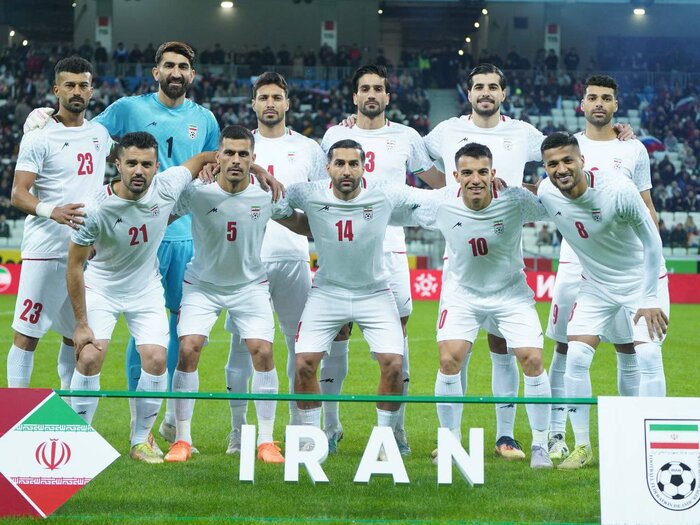
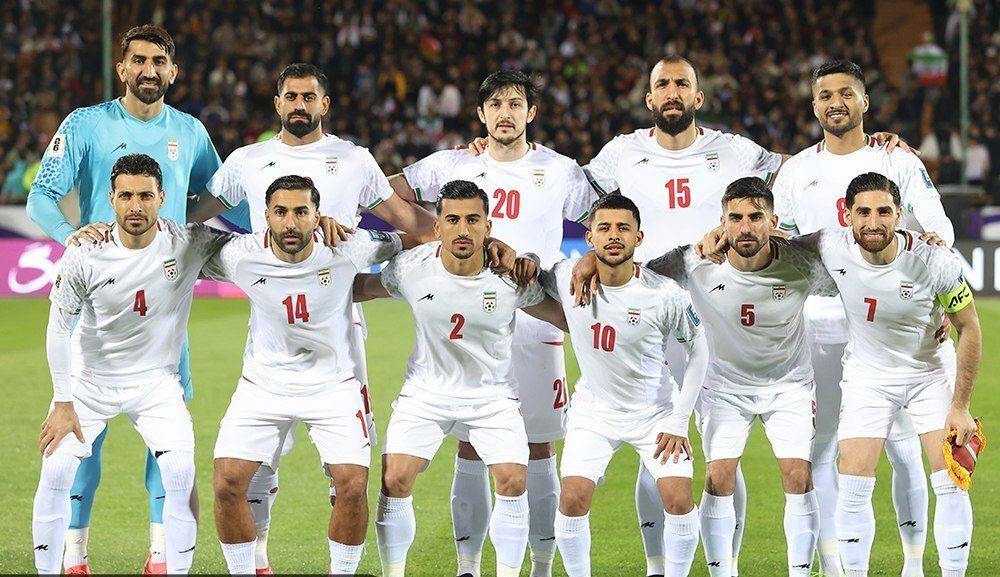
While Cape Verde enters their upcoming match with nothing to lose and everything to gain, the stakes are considerably higher for Iran. Despite securing early qualification for the 2026 FIFA World Cup, Team Melli under coach Amir Ghalenoei faces intense scrutiny and growing disillusionment among its fanbase.

Three disappointing losses this year—to Qatar, Russia, and Uzbekistan—coupled with unconvincing game plans, poor finishing, and disorganized defending have fueled widespread criticism. A palpable disconnect has emerged between the team and its supporters, exacerbated by Ghalenoei’s perceived reluctance to address recurring tactical shortcomings.

The decline in public support was starkly evident during Iran’s recent 2–0 victory over Tanzania in Dubai. The match attracted only 1,340 spectators—the lowest attendance in Team Melli’s history—with most present supporting the opposition. This is particularly telling in a city home to one of the largest and most passionate Iranian diasporas, signaling a rapid erosion of faith in the national squad.

Looking Ahead: Iran vs. Cape Verde

As the two sides prepare to meet on November 12 in Al Ain, expectations for a tactical revival from Iran remain low. Ghalenoei is expected to field a familiar lineup and stick to his established approach—a strategy that may offer coaching staff a sense of continuity, but one that could prove costly.

For Cape Verde, the match is another opportunity to build momentum ahead of their World Cup debut. For Iran, it is a critical test of morale and direction. A loss against the African newcomers could sound alarm bells within the Football Federation of the Islamic Republic of Iran (FFIRI), potentially forcing a long-overdue reckoning with the team’s direction under its current leadership.


Omid Team to play in Kyrgyzstan tournament.

MANAS CUP International Football Tournament will be held in Manas city. The Kyrgyz Football Union (KFU) reported.

The national football team of Kyrgyzstan will also take the field. The matches will be held at Kurmanbek city stadium.

In addition to the host, teams from Bahrain, Iran, and Russia will also participate in the international tournament. All opponents will be represented by U23 Olympic teams.

The players will be 23 years old or younger. All participants in the upcoming games in Osh are preparing for the 2026 AFC Asian Cup final tournament, which will be held in January in Saudi Arabia.

Iran’s Omid Team (U23) will be led by Omid Ravankhah, who has already called 23 players for the squad.
Amir Mehdi Maghsoudi and Aria Shafidoust from (Sepahan),
Arash Mortazavi (Zobahan),
Mohammad Hossein Sadeghi (Persepolis),
Saeed Saharkhizan and Amir Mohammad Razaghinia (Esteghlal),
Afshin Sadeghi, Erfan Jamshidi (Peykan),
Hojjat Ahmadi (Esteghlal Khuzestan),
Arshia Vosoughifar (Fajr Shahid Sepasi),
Farzin Aghagari (Shams Azar),
Hamid Reza Zarooni and Masoud Mohebi (Khyber Khorramabad)
Danial Iri, Abbas Habibi, and Mehdi Jafari (Malvan Bandar Anzali)
Omid Amiri (Nasaji Mazandaran),
Mohammad Khalifa, Seyyed Mehdi Mahdavi, and Bahram Goodarzi (Aluminum Arak),
Alireza Safari (Chador Malo Yazd)
Mohammad Javad HosseinNejad (Dinamo Makhachkala- Russia ) and
Mohammad Mehdi Zare (Akhmat Grozny- Russia).

Matches Schedule

*Iran – Russia; November 11

*Iran – Kyrgyzstan; November 14

*Iran – Bahrain; November 17

Jahanbakhsh’s Embarrassing Foul Highlights Ghalenoei’s Failing Strategy


The recent international friendly against Russia not only ended in a 2-1 loss for Iran but also exposed a deepening crisis within Team Melli, one rooted in the repeated poor judgment of head coach Amir Ghalenoei. The central emblem of this failure was the embarrassing and dangerous performance of Captain Alireza Jahanbakhsh.

Jahanbakhsh, who has been without a club since his contract with SC Heerenveen was terminated after a single, unremarkable season, was a liability from the moment he stepped onto the pitch as a substitute. His 20-minute cameo was widely described on social media as “confused,” “ineffective,” and “agitated,” culminating in one of the ugliest scenes in recent Team Melli history.

The Incident: A Moment of Shocking Ill-Discipline

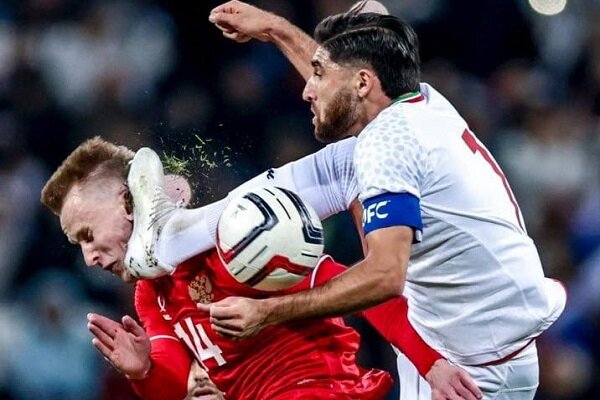
During the second half, Jahanbakhsh recklessly raised his foot high, making direct and dangerous contact with the head of Russian defender Lechi Sadulayev. The foul was so egregious that a straight red card was the only appropriate outcome by any standard of the game. To the shock of fans and the Russian team alike, the referee only produced a yellow.

The result was stark: Sadulayev lay in clear agony, the stud marks from Iran’s captain visibly etched on his face and neck as he received treatment. This moment was not merely a lapse from a veteran player; it was a symptom of a deeper sickness within the squad—a lack of discipline and professionalism that falls directly at the feet of the manager.

Ghalenoei’s Culpability in a Deepening Crisis

This incident is not an isolated one. Under Ghalenoei’s tenure, the Iranian national team has been plagued by discipline issues, amassing a concerning seven red cards. Jahanbakhsh’s foul should have been the eighth, and it underscores a pattern of tactical and selection weakness.

The core of the problem is Ghalenoei’s baffling persistence with Jahanbakhsh. The captain has been in a spiral of declining form for at least two seasons and, critically, has been without a club for nearly six months. A fundamental principle of international football is that players must be fit, in form, and actively competing. By selecting a rusty, unattached player, Ghalenoei not only set Jahanbakhsh up to fail but also knowingly introduced a liability into the team.

The foul itself, while lacking obvious ill intent, was a direct product of this rustiness and a complete lack of match sharpness—a flaw for which the coach is entirely culpable. This repeated poor judgment in player selection points to a tactical weakness that extends beyond a single game; it reflects a stubborn refusal to build a squad based on merit and current ability.

Unsurprisingly, this episode has intensified calls from fans and experts for the 35-year-old Jahanbakhsh to retire from international duty. However, the larger demand is for accountability from the dugout. Until Ghalenoei is held responsible for his failing strategy and misguided loyalty to underperforming veterans, Team Melli’s progress will remain stalled.

Tanzania Set for Crucial Dubai Friendly Against World Cup-Bound Iran

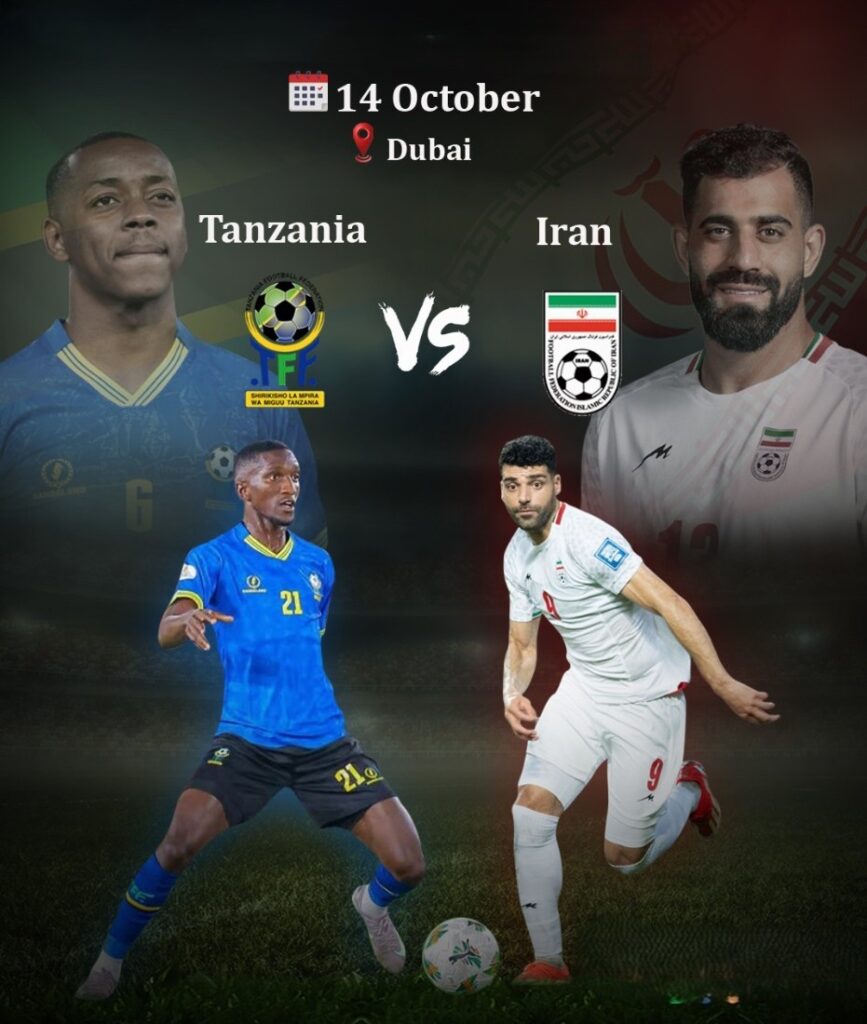
DAR ES SALAAM – The Tanzania national football team, the Taifa Stars, have departed for Dubai ahead of a high-profile international friendly against Iran on October 14, 2025. The match, scheduled on the official FIFA international calendar, presents a critical challenge for the East African side as they look to rebuild after a disappointing end to their 2026 World Cup qualifying campaign.

The fixture pits a Tanzanian team in a phase of renewal against an Iranian squad already preparing for the global stage, having secured qualification for the 2026 FIFA World Cup.

A Vital Test for Rebuilding

Speaking before the team’s departure, head coach Hemed “Morocco” Seleman described the friendly as a “vital test” for his side. He emphasized its importance in rebuilding squad confidence and improving overall performance after a string of disappointing results.

“It is true that we have not done well in our recent World Cup qualifying matches,” said Morocco, referencing losses to Niger and Zambia. “But that cannot discourage us. We must look ahead, especially with the AFCON 2027 tournament on the horizon. This match will help us assess our squad, raise our standards, and start preparing early.”

The Taifa Stars’ hopes of advancing to the World Cup play-offs were dashed after failing to win their last three qualifying games, a 1-1 draw with Congo Brazzaville followed by 1-0 defeats to both Niger and Zambia. These results leave Tanzania third in their qualifying group.

Despite the setback, Coach Morocco remains optimistic, viewing the game against Iran as a potential turning point. He stressed the need for tactical discipline and mental resilience, noting that the match will provide his technical bench a valuable opportunity to evaluate new players and strengthen team chemistry.

A Unifying Fixture for the Diaspora

Beyond the tactical implications, the friendly has generated significant excitement, particularly within the East African community in the UAE. For many expatriates, the game is more than a fixture; it is a celebration of football culture, unity, and a chance to rally behind their national heroes.

The match is expected to be a vibrant display of support, strengthening sporting ties between Africa and Asia and showcasing football’s power to unite nations. While the exact venue and kick-off time are yet to be officially confirmed, anticipation is steadily building for the Tuesday clash.

Iran: A Formidable Opponent Coming Off a Tight Loss

Tanzania will face a formidable Iranian team that is using this friendly window as crucial preparation for the 2026 World Cup. Iran comes into the match on the back of a tightly contested 2-1 loss to Russia in Volgograd.

A Review of Iran’s Last Game: Russia 2-1 Iran
In a hard-fought encounter against a strong Russian side, Iran demonstrated their characteristic organization and resilience. Despite ultimately falling to a 2-1 defeat, the match was a valuable exercise for Team Melli. They held their own for large periods against a physically imposing opponent, showing flashes of the cohesive, counter-attacking football that earned them World Cup qualification. The narrow scoreline, away from home, against a European powerhouse (albeit one currently suspended from FIFA and UEFA competitions), underscores Iran’s quality and the scale of the challenge awaiting the Taifa Stars. This performance indicates that Iran will be a sharp and battle-tested opponent, eager to refine their tactics in Dubai.

Match Details

  • Who: Iran vs. Tanzania
  • When: October 14, 2025
  • Where: Dubai, United Arab Emirates
  • Significance: For Iran, it’s vital preparation for the 2026 World Cup. For Tanzania, it’s a key building block for their AFCON 2027 preparations and a chance to restore confidence.

Iran Falls 2-1 to Russia in World Cup Preparatory Friendly

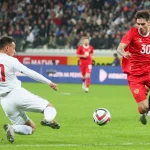
The Iranian national football team continued its preparations for the 2026 World Cup with a 2-1 defeat against Russia in a spirited friendly at a packed Volgograd Arena on Thursday. Despite a second-half equalizer from Amirhossein Hosseinzadeh, a decisive strike from Russia’s Batrakov sealed the victory for the hosts.

The match was steeped in a World Cup atmosphere, with the Russian hosts recreating the pomp of the 2018 tournament. The pre-match ceremony featured the shirts of both nations covering the pitch, and the national anthems were met with a roaring welcome from the 42,000-strong capacity crowd.

Match Summary

  • 22′ (Russia): Rubiev opened the scoring with a calm finish after a beautiful through pass left him one-on-one with Iranian goalkeeper Alireza Beiranvand.
  • 50′ (Iran): Amirhossein Hosseinzadeh leveled the score, tapping into an empty net after a wide pass from Saman Ghoddos found him unmarked in the box.
  • 70′ (Russia): Batrakov secured the win for the hosts, firing a precise shot past Beiranvand from the edge of the penalty area after a cleared header fell to his feet.

A Tale of Two Halves

Iran, fielding a blend of youth and experience, started the brighter of the two sides. They controlled possession in the opening minutes and pinned the Russian team in their own half, though they failed to create any serious chances.

After the initial pressure, the game shifted. Russia grew into the match and began dictating the tempo, with their pressure culminating in Rubiev’s 22nd-minute opener. Iran was nearly dealt a second blow just four minutes later, but a crucial goal-line clearance from Shoja Khalilzadeh bailed out Beiranvand after a mistaken charge from his line.

The second half began promisingly for Team Melli, who found an immediate response. Hosseinzadeh’s timely run and finish five minutes after the restart seemed to set the stage for a strong comeback. The Move started by Ramin Rezaein to Saman Ghoddos, whose brilliant cut, split the Russian defense for Hosseinzadeh to slot the ball easily for the equalizer.

However, Russia reasserted its dominance as the half progressed. The home side controlled possession and created several threatening opportunities before Batrakov’s powerful strike ultimately decided the contest. Coach Amir Ghalenoei responded by introducing fresh legs like Kasra Taheri for his debut and Mohammad Ghorbani, but despite improved pressure in the final stages, Iran could not find a second equalizer.

Key Takeaways and Looking Ahead

While the Iranian team showed moments of promise and a better overall performance compared to recent outings, defensive vulnerabilities proved costly. Both goals conceded highlighted ongoing issues in the team’s defensive structure that will need addressing ahead of the World Cup.

Team Melli will continue its preparation campaign with another friendly against Tanzania on Tuesday in the UAE.

Iran’s Starting XI: Beiranvand; Rezaian, Khalilzadeh, Abarghoei, Nemati; Ezzatollahi (77′ Ghorbani), Norafkan; Ghoddos (77′ Taheri), Mohebi, Hosseinzadeh; Taremi.

Team Melli Faces Russia Amidst Questions of Form.

Team Melli is set to play against Russia this evening in Volgograd, in another attempt by head coach Amir Ghalenoei to restore the waning confidence of the Iranian fans.

For Ghalenoei, the approach remains largely unchanged, with only minor squad rotations. The one bright spot is the inclusion of Kasra Taheri, the promising U23 star, though whether he will see any playing time remains to be seen.

This match against Russia—a nation banned from the international arena by what many see as a hypocritical FIFA—presents an opportunity for Iran to test itself against tough opposition. Unlike the weak standard of Iran’s domestic league, the Russian Premier League remains strong and competitive despite its European ban, which has sidelined clubs like Zenit and Spartak. In stark contrast, Iranian clubs are arguably at their lowest level in decades. Esteghlal’s recent 7-0 defeat to Al Wasl of the UAE in a secondary Asian competition highlights how far Iran’s best clubs have fallen.

This domestic decline is directly reflected in the quality of players and the game plans of Team Melli. For years, the national team could depend on its legionnaires (players based abroad) to cover for these shortcomings, but that is no longer the case. With Sardar Azmoun sidelined for an extended period following surgery, the forward line is overly dependent on Mehdi Taremi. While Taremi started brilliantly at Olympiacos after his move, he now struggles to secure a starting spot for the Greek club.

The situation is even more concerning for Team Captain Alireza Jahanbakhsh, who currently does not have a club to train with, let alone play competitive matches—a basic requirement for international duty. In Ghalenoei’s book, however, this does not seem to matter.

Other legionnaires are not in better shape. Allahyar Sayyadmanesh, a player of great promise, has been underperforming in the Belgian league with KVC Westerlo. Since his transfer, he has played six matches, scoring no goals and providing only a single assist. Ghalenoei’s selection criteria remain a point of contention.

Adding to the controversy is the recall of 37-year-old Shoja’a Khalilzadeh to the defense—a unit in dire need of fresh energy after consistently conceding goals. The central midfield is another area of concern, as a chronic lack of service to the forwards has hampered the team’s attacking potential. Saman Ghoddos, the team’s creative maestro, is suffering a dip in form and has been uninspiring lately, requiring courage from Ghalenoei to revitalize this critical line.

The goalkeeping position also raises questions. None of the options have been shining for their clubs. Payam Niazmand, who replaced the suspended Alireza Beiranvand, was far from solid and has not proven himself a capable replacement. Beiranvand is most likely to start, but his form is not at its peak either.

Historically, Iran and Russia have met three times, with Team Melli winning once and drawing the other two. Russia comes into the match undefeated in its last five outings, including an impressive 4-1 win against Qatar in September, though they have largely faced Asian and African opposition rather than European teams.

Team Melli is playing its first match since a narrow defeat to Uzbekistan, prior to which it had three wins and a draw. The match in Volgograd should be a balanced affair, with current form and home-ground advantage favoring the Russians under coach Valery Karpin. Kickoff is at 20:00 local time at the sold-out Volgograd Arena.

Team Melli announced for Russia and Tanzania matches.

Team Melli’s technical staff has revealed the preliminary squad for the upcoming friendly matches against Russia and Tanzania, giving fans their first glimpse of the players set to represent Iran this October.

A total of 24 players have been called up to the national team camp, with potential additions from Chadormalou Ardakan and Esteghlal to be decided after tonight’s match between these two sides. The final squad for the friendlies will be confirmed shortly thereafter.

Injuries continue to shape the team’s preparation: Majid Hosseini, Hossein Kananizadegan, Ali Gholizadeh, Mehdi Ghaedi, and Sardar Azmoun will miss the camp, a setback that could force the coaching staff to explore alternative options in defense and attack.

The invited players are scheduled to join the camp at 12:00 noon tomorrow at the Olympic Hotel, where media outlets will be able to capture their first interactions with the technical staff.

Team Melli is set to face Russia in Volgograd on October 10th, followed by a friendly against Tanzania in Dubai, UAE, on October 13th. These matches will offer the coaching staff a crucial opportunity to test tactics, integrate new players, and assess readiness ahead of future competitions.

Fans will be watching closely, hoping that despite some absences, Team Melli can deliver cohesive and promising performances on the international stage after recent disappointing results and performances..


Goalkeepers: Alireza Beiranvand, Payam Niazam, Mohammadreza Akhbari, Mohammad Khalifa.

Defenders: Ali Nemati, Shoja Khalilzadeh, Hossein Abarghoei, Amin Hazbavi, Mohammad Mehdi Zare, Aria Yousefi, Omid Noorafkan

Midfield: Mehdi Hashemnejad, Saeed Ezzatollahi, Mohammad Khodabandehlu, Saman Ghoddos, Mohammad Ghorbani, Alireza Jahanbakhsh, Mohammad Mohebi, Javad Hosseinnejad,

Forwards: Amir Hossein Hosseinzadeh, Allahyar Sayadmanesh, Mehdi Taremi, Ali Alipour, and Kasra Taheri.

Russia vs Iran friendly international has been confirmed.

The opening of ticket sales, as well as the match’s kick-off time, will be announced later

MOSCOW, August 8. /TASS/. The Russian national football team will play an exhibition against Iran on October 10 in the south Russian city of Volgograd, the Russian Football Union’s (RFU) press office reported on Friday.

The match will be played at the Volgograd-Arena. The opening of ticket sales, as well as the match’s kick-off time, will be announced later.

The 45,000-seat Volgograd-Arena was built for the 2018 FIFA World Cup in Russia and hosted four group stage matches of the world football championship.

Volgograd, formerly known as Stalingrad, has a population of over one million people, situated along the Volga River. The city and the surrounding areas were the scene of the fiercest battles of World War II, including the Battle of Stalingrad, which was widely considered to be the turning point in the war.

The Iranian national football team is currently 20th in the FIFA Rankings. Russia is 35th.

The Russian and Iranian teams previously played against each other on three occasions: in 2011, when Iran defeated Russia 1-0, and in 2017 and 2023, which both ended in a 1-1 draw.

The USSR also played three matches against Iran, winning all of them: in the quarterfinals of the 1976 Summer Olympics in Canada (2-1), in a 1976 friendly match (1-0) and in the 1985 Nehru Cup (2-0).

The Iranian national football team has already qualified for the 2026 FIFA World Cup, which will be co-hosted by Canada, Mexico and the United States. The matches will be played in 16 cities across the North American continent. This will be the first FIFA World Cup featuring 48 teams compared to the previous 32-team format.

Russia’s football ban

The world’s governing football body, FIFA, announced on February 28, 2022, that the Russian national team and all professional clubs representing the country were barred from participating in FIFA tournaments.

In turn, the Union of European Football Associations (UEFA) made a similar decision regarding the Russian national football team’s participation in UEFA tournaments.

Both FIFA and UEFA cited Russia’s special military operation in Ukraine as grounds for their respective bans on Russian teams’ participation in competitions.

Iran vs. Chile friendly called off.

The Iran-Chile match was canceled despite the Chilean side having an initial agreement.

“Paylo Millod,” the president of the Chilean Football Federation, announced the cancellation of the international friendly match between the Chilean national team and Team Melli in September, due to the recent hostilities between Israel and Iran.

Apparently, the contract was written in such a way that a final agreement was needed regarding ticket sales, advertising around the field, and the venue of the game. Contrary to the claims made, there is no news of payment or receipt of compensation at this stage, and both parties had the right to withdraw from the memorandum of understanding.

The international department of the Iranian Football Federation is following up on the matter to inform the Chilean side of any assurances regarding the conditions in the region and Iran. They also plan to select another match, which will probably be another South American country, for the friendly match in parallel. It is likely that the Iranian national team will participate in two other quadrennial tournaments after the CAFA nATIONS cUP 2025 tournament and the friendly matches with Russia, in order to prepare itself for the 2026 FIFA World Cup.