Tag: FIFA

Infantino’s idolisation of Trump has left football with blood on its hands

Story by Barney Ronay
 The Guardian

Mr President. Fellow exco members. We’re going to need a bigger Board of Peace. How many mini‑pitches are we up to now? Gaza got 50 of them last month. What will it take to football-fix the global conflict being set in train by Fifa’s own Peace Prize Boy? A hundred mini-pitches? Four billion mini-pitches? All the mini‑pitches in the universe?

In a more sane version of what we must, out of habit, call the real world, it would seem absurd to talk about sports administration in the context of the US, Iran and the airborne conflict being played out across the borders of their allies.

Sport is the most important of all the unimportant things. Sport is a part of a culture you fight for, but not a part of the battle. Sport is also prone to insisting on its own importance, shoving itself to the front of every photo like a particularly deluded family Labrador.
When news emerged on Monday that Iran had launched a drone attack on the Ras Tanura oil refinery in Saudi Arabia, there was an urge to point out this is a mere 250 miles from Cristiano Ronaldo’s house. Do we need a footballers‑and-their-war-menaced-mansions gallery? Meanwhile the UK government has advised British nationals in Saudi to stay inside and take cover. So … you’re saying this is an Ivan Toney story?

There are two reasons why this dynamic has now shifted, why football is not just an observer but an active participant in this picture; reasons that should in any sane version of reality be hugely damaging for Fifa and its executive.

The basic premise is jaw‑dropping enough. The co‑host of the Fifa World Cup finals this summer is currently bombing one of its participating nations. The co‑host of the tournament has murdered the head of state of the third‑ranked team in Group G.

Nothing quite like this has happened before. Britain was involved in bloody conflicts in Borneo and Aden while it hosted the 1966 World Cup. Russia has been banned from international sport as a consequence of invading the borders of a sovereign state, although this was still deemed unproblematic in 2018.

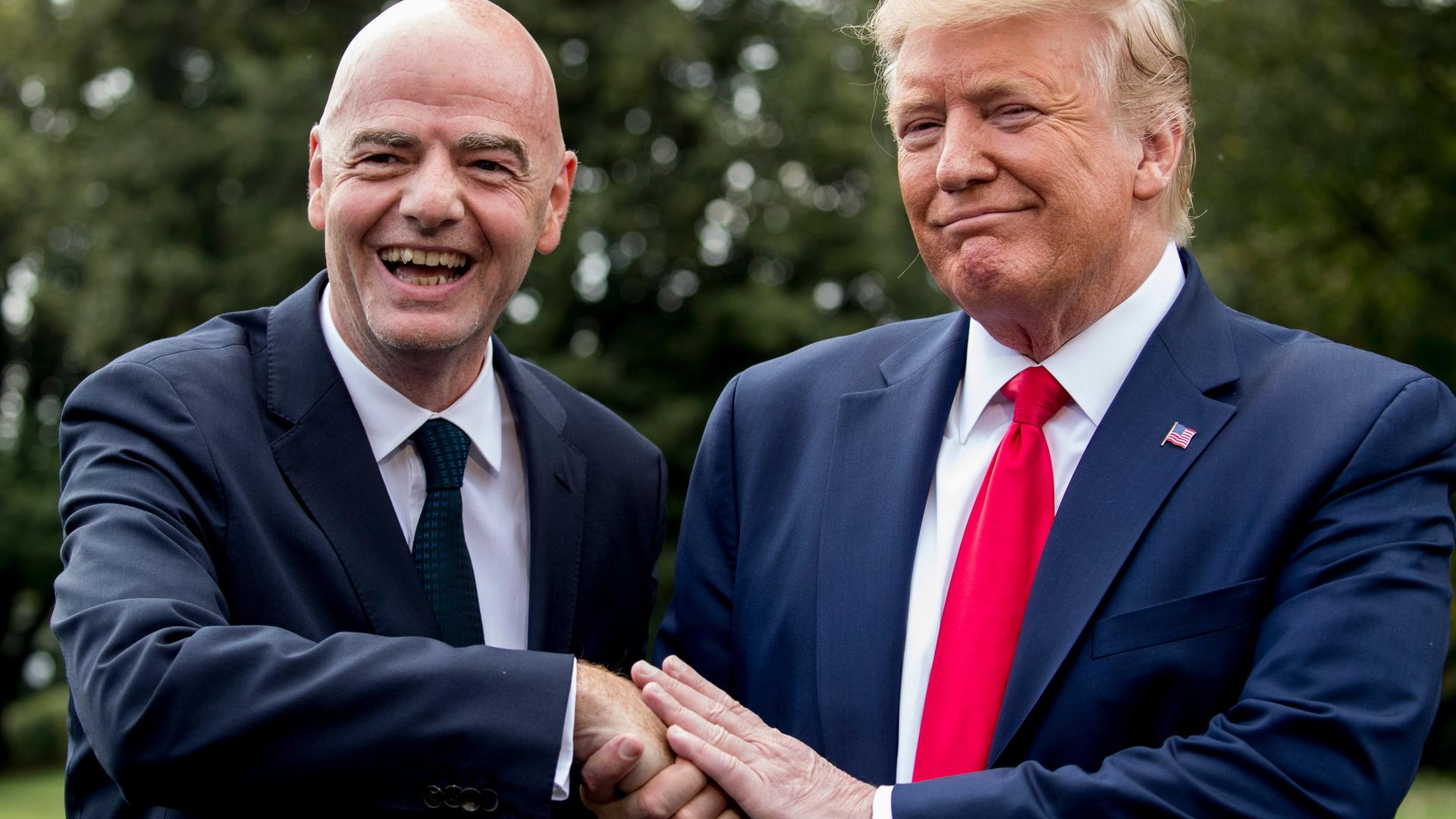
Clearly, nobody out there will have the will or the courage to apply a similar logic to the US. The issue is the extent of Fifa and Gianni Infantino’s willingness to act as a fluffer, ally and de facto propaganda mouthpiece for Donald Trump’s regime.

Never mind how gravely Infantino might frown, while pretending this has all been necessary realpolitik. The fact is, Fifa has tied itself with unquestioning zeal to a US president who has initiated eight acts of overseas aggression in his second term. And football has blood on its hands now, too.

This might seem like a stretch, or an overly dramatic take on the necessary exercise of Fifa’s global remit. But this has also been a choice. Infantino has, in full view of the consequences, repeatedly put Fifa in the same room as Trump’s autocratic exercise of power. Not as a guest or a bystander, but as an enabler, an active participant in the publicity machine.

Under its own statutes Fifa is supposed to be politically neutral. And yet this has still happened, to a degree that it has by now moved past cartoonish to grotesque. It was a choice to trail after the president like a goggle-eyed teenager offering gifts, a bauble here, a peace prize there, a strange and frightening Club World Cup trophy replica that looks like it contains a tiny drawer full of crow’s heads.

It was a choice not just to award Trump a peace prize, but to invent a peace prize from scratch so he could win it, that fittingly gruesome drag‑me‑to‑hell golden bauble with its nest of clawing hands.
As was the related announcement of the weird and pointless Gaza mini-pitch construction project, with its manipulative background imagery of rubble and displaced people casually tossed into the mix, a gruesome form of public conscience washing.

All of this is doubly absurd given the continued participation in the Fifa-verse of Israel, the same nation that is levelling Gaza’s existing infrastructure. Almost as an afterthought, it goes without saying that the weapons being used to reduce these people’s homes to rubble are being part-funded by the hosts of this summer’s tournament and Infantino’s own daddy‑regime. But never mind. The president has a golden peace ball. Keep looking at the peace ball.

In the end this will catch up with you. The open doors, the hours at the buffet table, the ballroom passes, all come at a cost. Fifa may not be directly responsible for all this. But it is now decisively part of the image-making that has empowered Trump to take his extreme executive actions.

There is of course a hugely complex set of demands in play here. The idea of a right and wrong side of history is never really clear. Sometimes you might straddle many of them all at once. But Fifa is so clearly drawn to the nearest power source, the biggest stick, the grandest stage, all the while presenting itself as grave and stately ambassador of hope, led by a man who increasingly resembles essence of pure inauthenticity, reconstituted into human form, packed into a blue suit and pushed out on stage to talk about peace, in the voice of a man addressing you from the bridge of his own golden ship of hope.

What happens next is entirely uncertain. As news broke of the US bombardment of Tehran, Fifa executives were at Hensol Castle in Wales overseeing the 140th annual general meeting of the International Football Association Board, which is at least a suitably scaled occupation for a bunch of sports administrators.
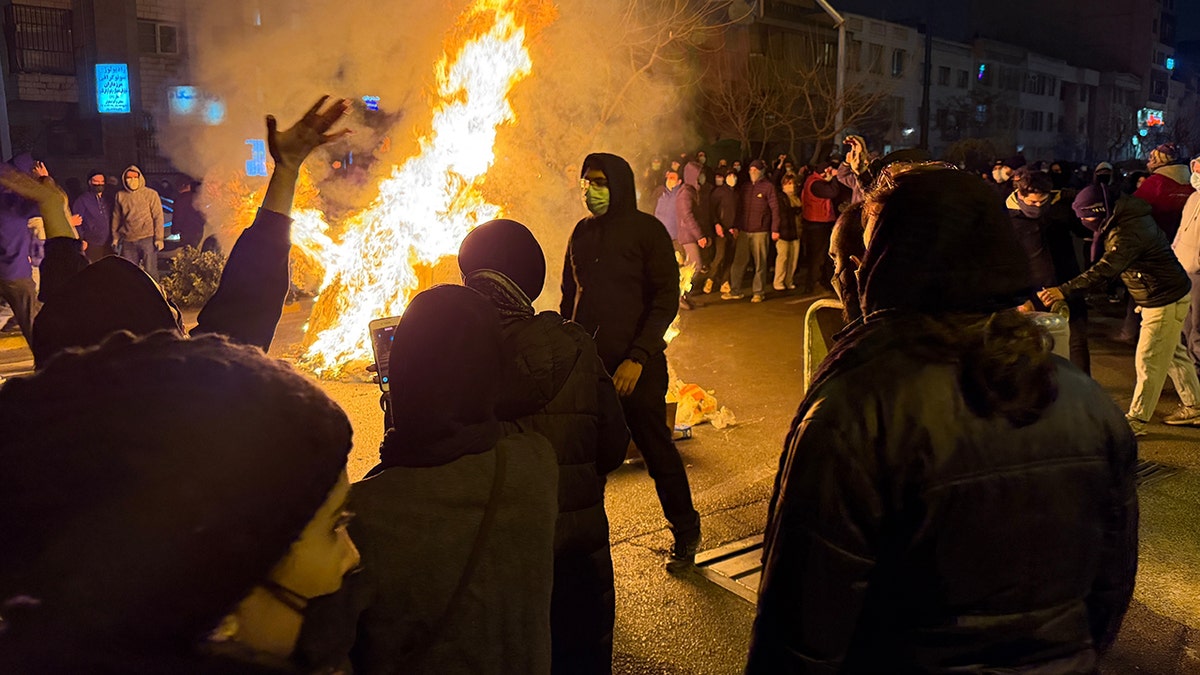
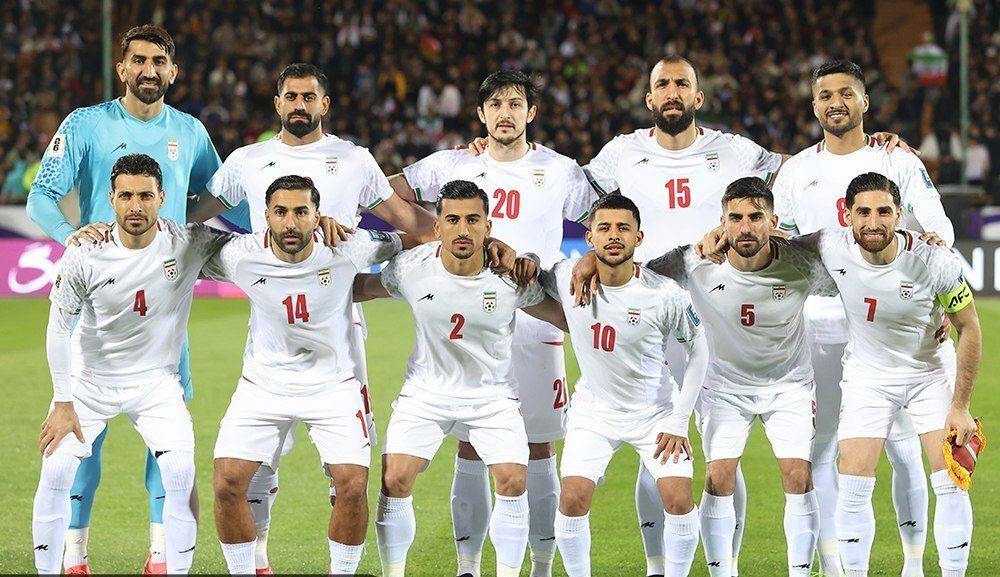
It seems impossible that Iran can now compete at the World Cup this summer, or indeed that it should have been present in any case given the regime is accused of killing tens of thousands of civilian protesters. The Iranian FA has stated it “cannot be expected to look forward to the World Cup with hope”. Its fans were already banned from entering the US.

Under Fifa’s statutes, there is no direct remedy should Iran drop out, although there is pretty much a free hand under force majeure for the executive committee to act as it sees fit. The United Arab Emirates and Qatar, struck by Iranian bombs in the past few days, were in the same qualifying group. As were North Korea. Perhaps Infantino has a route here to usher in another dear leader.

Some kind of fudge will be offered. A World Cup will take place if there is still a world left to contest it. The US needs this to happen. The show must continue. And this is an incidental aspect of the extraordinary story of Trump and Infantino. Football is always telling you things about the world, always running ahead to the tide.
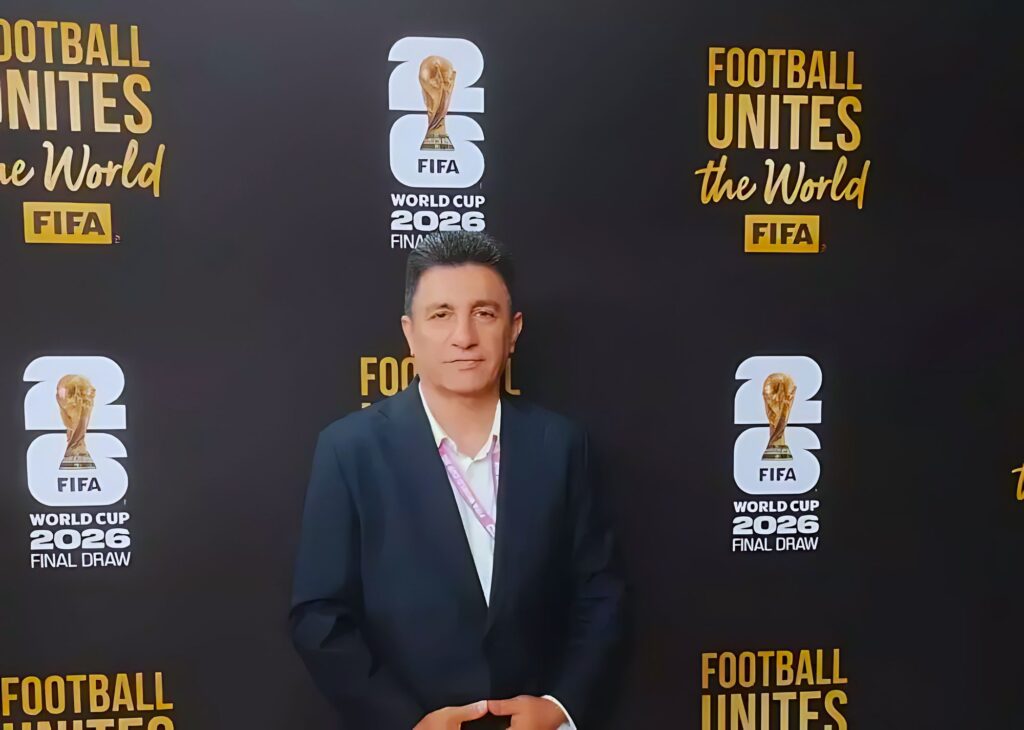
Amir Ghalenoei

In this case it is providing the ideal, textbook, read-it-and-take-notes lesson in how dictatorships and propaganda work, how power glosses its actions with noise. How spectacle is used to flood the zone, and how nothing floods the zone like football.

In any sane version of sports governance Infantino should, at the end of all this, be forced to explain his actions, to justify taking global football into this space. It won’t happen. His own executive power is absolute.

The money continues to flow to his sub-partners. But history will still judge him, and judge his version of Fifa. There is no way of escaping that lens. And from here it already looks like the most grotesque, post-truth, fawningly complicit version of big sport ever devised.

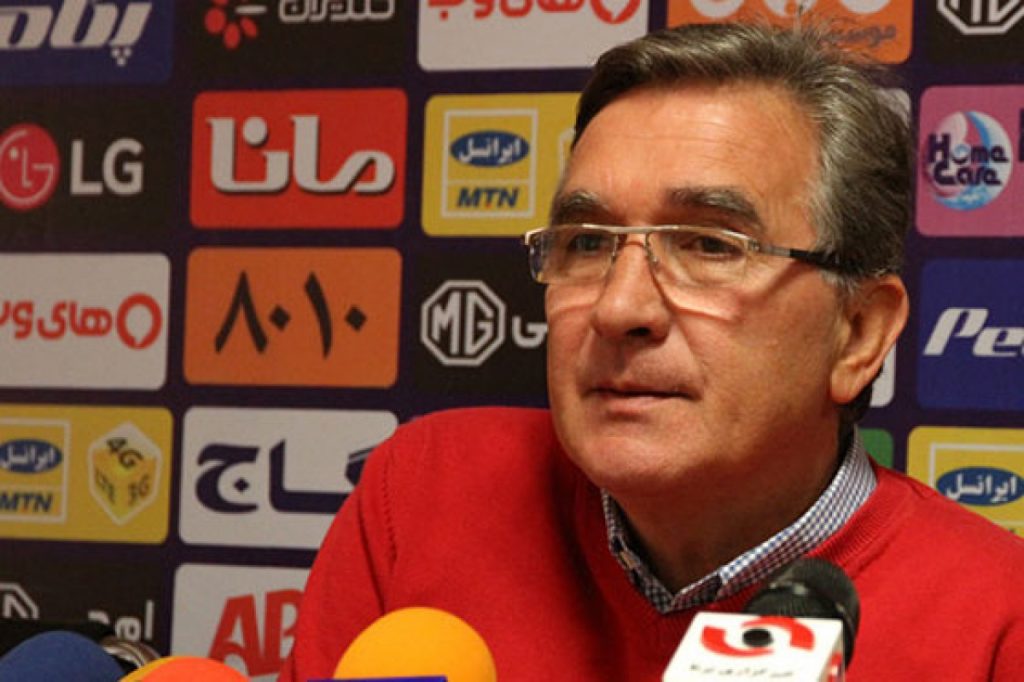
Legendary Croatian Coach Branko Ivanković Announces Retirement

Zagreb, Croatia – According to a report from Croatian sports media outlet Sportklub, Branko Ivanković, one of Croatia’s most successful international coaches, has decided to retire after a storied coaching career spanning more than three decades.

The 71-year-old, who will turn 72 soon, recently gathered a group of close colleagues he worked with during his tenures in Oman and China and announced his decision at a luncheon. After years of dedication to the touchline for both clubs and national teams, Ivanković stated it was time to rest and prioritize his personal life.

“Enough is enough,” Ivanković told tportal. “These years are no longer the time to travel and wander around the world. Now I want to spend more time with my family, friends, and of course, myself.”

A Storied and Peripatetic Career

Ivanković’s managerial journey has been both long and illustrious. His career includes leading clubs such as Varteks (now Varaždin), Rijeka, Dinamo Zagreb, Hannover 96 (Germany), Persepolis (Iran), Shandong Luneng (China), Al Ahli, Al Wahda, and Al Ittifaq (Saudi Arabia).

His success was not limited to the club level. He also managed four different national teams, most notably serving as an assistant coach to Miroslav Blažević when Croatia sensationally won the bronze medal at the 1998 FIFA World Cup in France.

His achievements cemented his reputation as a trophy-winner. He secured league titles with Dinamo Zagreb (Croatia), Shandong Luneng (China), and most notably with Iran’s Persepolis, where he led the team to five consecutive league championships. This historic feat introduced the term “Gelat” (meaning a quintuple of consecutive titles) into the lexicon of Iranian football.

A Gentleman and a Reformer in Iran

Ivanković first arrived in Iran as an assistant to the legendary Croatian coach Miroslav “Ćiro” Blažević. After Blažević’s departure, Ivanković was offered the head coach position of Team Melli, a role that would define his legacy.

During his tenure, he was widely respected for his dignified, gentlemanly demeanor. He navigated the complex politics of Iranian football with skill and stood firmly against corrupt elements with grace and integrity. A testament to his principled stance was his refusal to succumb to pressure for favoritism towards the two traditional Tehran giants, Persepolis and Esteghlal. Ivanković insisted on selecting players for the national team based solely on competence and merit.

He is considered the first coach in Iran’s modern history to break the duopoly of these two clubs on national team selection. In a landmark shift, the 2004 Asian Cup squad featured more players from Foolad Khuzestan than from any other club—a previously unheard-of practice that underscored his commitment to meritocracy.

In his dealings with the media, he was consistently respectful, maintaining his positions without being controversial or forceful, which further earned him the admiration of fans and journalists alike.

A Lasting Legacy in Iranian Football

Ivanković’s connection with Iran is a defining chapter of his career. He was first appointed head coach of the Iranian national team in January 2002, leading the U-23 side to a gold medal at the 2002 Asian Games in Busan later that year.

Despite his popularity, his initial tenure was brief. After being replaced in late 2002, public and media pressure led to his reappointment in October 2003.

Under his leadership, Team Melli flourished:

  • He guided Iran to a third-place finish at the 2004 AFC Asian Cup.
  • He successfully secured Iran’s qualification for the 2006 FIFA World Cup in Germany.

At the 2006 World Cup, Iran faced a tough group. After narrow losses to Mexico and Portugal, they earned a single point in a 1-1 draw with Angola, finishing at the bottom of their group.

Following the tournament, a change in the Iranian Football Federation’s leadership led to his replacement. This move, deemed political interference by FIFA, resulted in a temporary suspension for Iran’s football federation.

Despite the World Cup exit, his record with Iran remains impressive. Over two spells, he managed 56 games, winning 33, drawing 14, and losing only 9, giving him a remarkable winning percentage of 58.93%.

With his retirement, the football world bids farewell to a true globetrotting coach whose tactical acumen, unwavering principles, and gentlemanly conduct left a lasting mark from Europe to Asia.

Japan considering AFC exit.


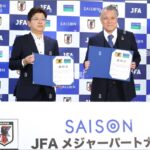
Rumors Swirl: Japan Football Association Reportedly Considers AFC Exit to Form New East Asian Federation

Recent reports from various East Asian media outlets have sparked significant discussion within the football community. According to these sources, officials from the Japan Football Association (JFA) are reportedly exploring the possibility of withdrawing from the Asian Football Confederation (AFC). This news follows the Japanese national team’s consistent and remarkable performances on the global stage, where they have established themselves as Asia’s top-ranked team, currently sitting at 19th in the FIFA World Rankings.

The speculation gained traction after reports from outlets like India’s “IFTWC” (Indian Football Team For World Cup) and Iran’s Mehr News Agency. These reports suggest that the JFA is not only considering an exit but is also spearheading an initiative to form a new, FIFA-recognized confederation tentatively named the “East Asian Football Federation” (EAFF).

Alleged Motivations Behind the Move

The reported motivations for this drastic step are rooted in long-standing grievances within the AFC. The primary reasons cited include:

  • Governance and Integrity Concerns: Significant dissatisfaction with allegations of manipulation and corruption within the AFC’s governance structure. These concerns suggest that certain decisions, from refereeing appointments to competition scheduling, have been unfair and unjust, undermining the sport’s integrity.
  • Geopolitical and Financial Influence: A perceived disproportionate influence of West Asian nations, particularly Saudi Arabia, the United Arab Emirates (UAE), and Qatar, within the AFC. Their substantial financial investments in football are believed by some critics to translate into undue influence over competition outcomes, hosting rights, and confederation policies, often to the detriment of East Asian member associations.

Proposed New Confederation and Potential Members

The proposed “East Asian Football Confederation” aims to create a more cohesive and geographically concentrated footballing body. The idea has reportedly attracted global attention and preliminary interest from several regional nations, including:

  • East Asian Football Federation (EAFF) Members: Japan, South Korea, China, North Korea, Hong Kong (China), Macau (China), Chinese Taipei, and Mongolia.
  • ASEAN Region Interest: Several Southeast Asian nations have also been mentioned as potential members, including Malaysia, Singapore, Thailand, Vietnam, and Indonesia. Their inclusion would significantly expand the new confederation’s footprint and competitive diversity.

Important Context and Official Stance

It is crucial to note that these reports remain speculative and have not been officially confirmed by the Japan Football Association. As of the current date, no formal announcement or application to leave the AFC has been made.

While these rumors underscore genuine regional tensions and frustrations, the path to forming a new confederation is fraught with monumental logistical and political hurdles. Any such move would require formal approval from FIFA, necessitating the navigation of complex diplomatic relationships, particularly concerning the inclusion of all proposed member nations.

Furthermore, the geopolitical landscape of global football presents a significant obstacle. The influence of oil-rich Persian Gulf states extends deeply into the very fabric of FIFA’s governance and financial structure. Given their vested interest in maintaining a unified AFC, these nations would likely oppose the formation of a breakaway federation. In such a scenario, FIFA, an organization itself no stranger to allegations of corruption, political horse-trading, and profit-driven decision-making, would be unlikely to endorse a move that threatens its most lucrative continental body and internal power balances. The close relationships between FIFA President Gianni Infantino and various world leaders, including those in the Persian Gulf and beyond, further complicate the political calculus, making any such realignment a profoundly geopolitical affair.

Consequently, while the football world will monitor any official statements from the JFA or AFC with keen interest, the current proposition remains a highly speculative, though revealing, indicator of deep-seated issues within Asian football. Should these plans ever materialize against the odds, they would undoubtedly represent the most significant realignment in Asian football history, fundamentally reshaping the continental competitive landscape for generations to come.

Uzbekistan and Iran meet in the final of CAFA Nations Cup 2025

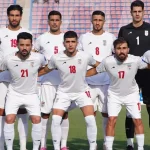
The national football teams of Iran and Uzbekistan will face each other in the final of the CAFA Nations Cup on Monday, September 7, at 6:00 PM local time at the Olympic Stadium in Tashkent. Both Iran and Uzbekistan entered the final with 7 points, finishing as the top teams in their respective groups and setting the stage for a highly anticipated clash.

Iran, the highest-ranked team in the region, will be looking to defend its title after winning the previous edition of the tournament. Uzbekistan, playing with the immense support of a home crowd, will be determined to claim the championship on their own soil and secure a historic victory against a regional powerhouse.

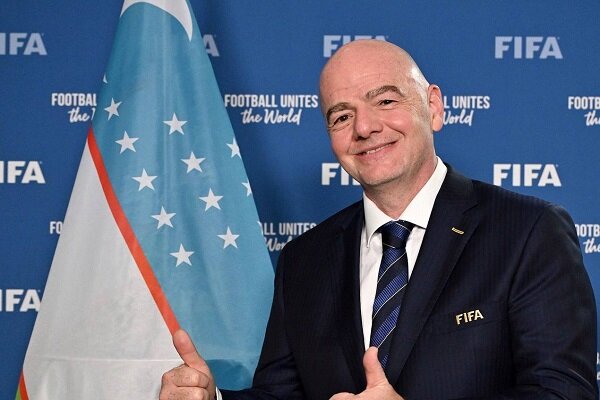
The match has garnered significant international attention, notably with the confirmed attendance of FIFA President Gianni Infantino. The Uzbekistan Football Federation announced that President Infantino will travel to Uzbekistan to review projects related to the further development of football in the country, visit the state-of-the-art National Football Center, and personally watch the final match of the CAFA Nations Cup 2025. His presence as a special guest underscores the growing importance of Central Asian football on the global stage.

This final is not just about regional supremacy but also serves as crucial preparation for both teams ahead of the upcoming joint FIFA World Cup 2026 qualification campaigns, adding an extra layer of significance to the encounter.
Iran defeated Afghanistan 3-1, India 3-0, and drew with Tajikistan 2-2 to reach the final.
Uzbekistan drew with Oman 1-1, defeated Turkmenistan 2-1, and Kyrgyzstan 4-0 to reach the final.

Taremi stuck in Tehran, left out from Inter squad for Clubs World Cup.

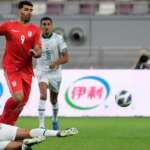
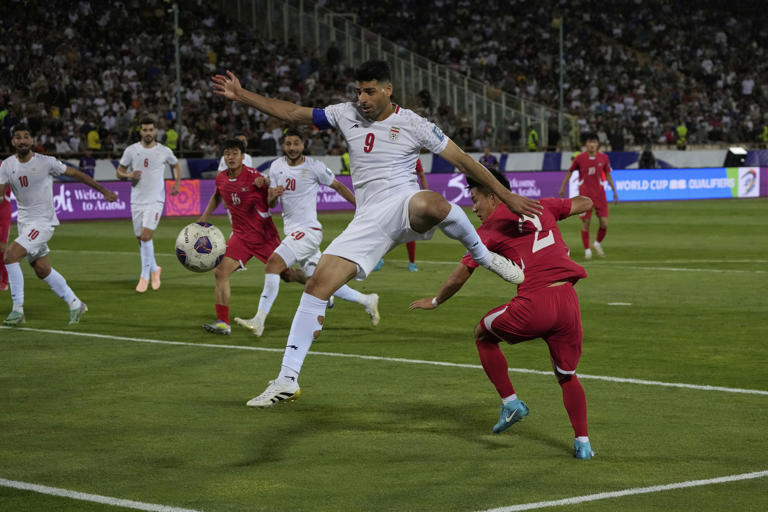
Iran's Mehdi Taremi shoots the ball during the 2026 World Cup Asian qualifier group A soccer match between Iran and North Korea, at Azadi Stadium in Tehran, Iran, Tuesday, June 10, 2025. (AP Photo/Vahid Salemi)

Iran’s Mehdi Taremi shoots the ball during the 2026 World Cup Asian qualifier group A soccer match between Iran and North Korea, at Azadi Stadium in Tehran, Iran, Tuesday, June 10, 2025. (AP Photo/Vahid Salemi)

MILAN (AP) — Inter Milan forward Mehdi Taremi will not be able to join his teammates at the Club World Cup in the United States as he is stuck in Tehran amid the escalating conflict between Iran and Israel.Iran's Mehdi Taremi, left, attempts a shot on North Korea's goal during their Asian qualifier group A soccer match for the 2026 World Cup, Tuesday, June 10, 2025, at Azadi Stadium in Tehran, Iran. (AP Photo/Vahid Salemi)

Iran’s Mehdi Taremi, left, attempts a shot on North Korea’s goal during their Asian qualifier group A soccer match for the 2026 World Cup, Tuesday, June 10, 2025, at Azadi Stadium in Tehran, Iran. (AP Photo/Vahid Salemi)

Flights from all Iranian airports have been grounded following an exchange of military strikes between Iran and Israel over the last two days.

That meant the Iran international was unable to take his scheduled flight on Saturday to join his Inter teammates in Los Angeles.

Taremi will miss Inter’s opening match against Monterrey on Wednesday and Italian media reports the 32-year-old will not feature in the other matches either regardless of whether Iranian airspace reopens.Inter Milan's Mehdi Taremi and Inter Milan's Hakan Calhanoglu pause during a training session ahead of the Champions League final soccer match between Paris Saint-Germain and Inter Milan at the Allianz Arena in Munich, Germany, Friday, May 30, 2025. (AP Photo/Matthias Schrader)

Inter Milan’s Mehdi Taremi and Inter Milan’s Hakan Calhanoglu pause during a training session ahead of the Champions League final soccer match between Paris Saint-Germain and Inter Milan at the Allianz Arena in Munich, Germany, Friday, May 30, 2025. (AP Photo/Matthias Schrader)

Taremi joined Inter from Porto last year.

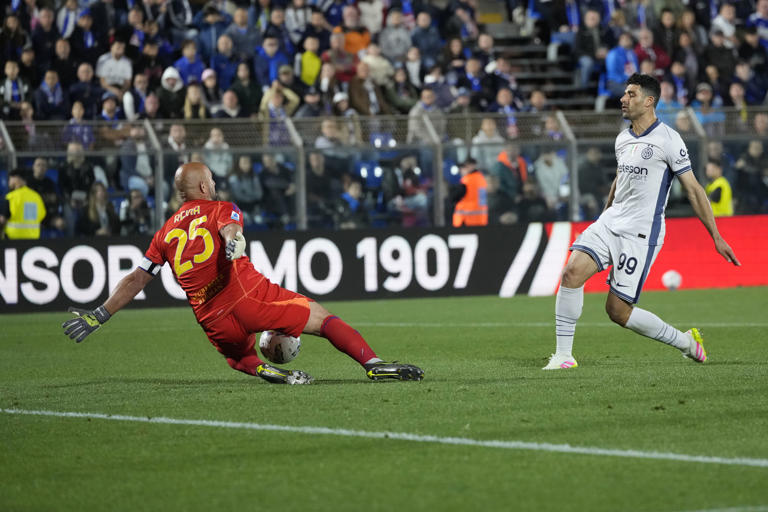
___Como's goalkeeper Pepe Reina, left, saves a shot by Inter Milan's Mehdi Taremi during the Serie A soccer match between Como and Inter Milan at the Sinigaglia stadium in Como, Italy, Friday, May 23, 2025. (AP Photo/Luca Bruno)

Como’s goalkeeper Pepe Reina, left, saves a shot by Inter Milan’s Mehdi Taremi during the Serie A soccer match between Como and Inter Milan at the Sinigaglia stadium in Como, Italy, Friday, May 23, 2025. (AP Photo/Luca Bruno)

FIFA World Cup 2026 Qualifiers Third Round explained.

The second round of double qualifiers for the 2026 World Cup and the 2027 Asian Cup concluded on Tuesday, June 11, 2024, marking the beginning of two new chapters in Asian football.

2027 Asian Cup Qualification:

  • 18 teams secured their spots in the 2027 Asian Cup by finishing first or second in the second-round groups.
  • These 18 teams will also participate in the decisive third round of the 2026 World Cup qualifiers.

The Third Round of 2026 World Cup Qualifiers:

  • In this stage, the 18 qualified teams will compete in a group system, with each group containing 6 teams.
  • The top two teams from each group will directly qualify for the 2026 World Cup.
  • For the first time in history, the Asian continent will have 8 seats at the World Cup.
  • The remaining 6 teams will vie for the last two spots through a fourth round.
  • The fourth round will feature two groups, each comprising 3 teams. The top team from each group will secure direct qualification to the World Cup.

Draw Date:

  • The draw for the third round of the 2026 Asian World Cup qualifiers is scheduled for Thursday, June 27, 2024, in Kuala Lumpur, Malaysia, at the headquarters of the Asian Football Confederation.

QUALIFIES TEAMS

The following teams finished first or second in their respective second-round groups:

Draw

The seeding for the draw was based on the FIFA Men’s World Rankings on 20 June 2024 (shown in parentheses below).

Each group will contain one team from each of the six pots.

Pot 1Pot 2Pot 3
 Japan (17) Iran (20) South Korea (22) Australia (23) Qatar (35) Iraq (55) Saudi Arabia (56) Uzbekistan (62) Jordan (68)
Pot 4Pot 5Pot 6
 United Arab Emirates (69) Oman (76) Bahrain (81) China (88) Palestine (95) Kyrgyzstan (101) North Korea (110) Indonesia (134) Kuwait (137)

Best case Scenario for Iran

While teams in pots 2 and 3 can spring surprises for the three leading Teams, Japan, Iran and Korea Republic, the other teams are by no means easy opponents either. However, based on ranking, location and current form, Team Melli can do with a comfortable group. The best that Iran can get in the draw next week is this group.

These teams are quite familiar for Iran and the biggest advantage will be travelling time. Three of the teams are neighbours, while the other two (Jordan and Kyrgzysran) are 2 1/2 hrs to flying time Amman while Bishkek is 3 hrs 15 minutes.
In case Iran gets North Korea and/or Australia, it will be a logistical nightmare.

“Discipline is a top priority in Team Melli,” says Rezaei

In a short interview with Khabar Varzeshi, Rahman Rezaei, the assistant coach of Team Melli, highlighted the importance of discipline in Team Melli and how crucial it is for the overall success of the team.

Rezaaei was asked by the reporter “In the previous camp, Mohammad Hossein Kananizadegan was not invited due to disciplinary issues. Is he on the blacklist for the coming camps or not?”

“Disciplinary issues are a top priority for Team Melli’s coaching staff, headed by Amir Ghalenoei. In any case, in the previous camp, it was decided that Kananizadegan would be excluded from the group. Regarding whether he will be added to our team in the new camp or not, it is all up to the direct opinion of the respected head coach. I would like to emphasize again that Ghalenoei has a special emphasis on maintaining order and discipline in the national team because this issue is directly related to the fate of the team. You must have noticed, in the recent games of the Omid team in the Olympic qualifiers, the yellow cards were the difference between us qualifying or losing the chance to create history.”

“Disciplinary issues cost our football dearly. Previous experiences should be a lesson for us. Lately, football rules have become stricter than before, and both AFC and FIFA are very strict on the conduct of players and coaches, hence we attach high importance to it and should have zero tolerance for indiscipline no matter how important a player is for the team. We continue to advocate good behavior and discipline even in training and around the camps.”

This is an encouraging development for Team Melli’s mentality but it remains to be seen if this strict discipline and behavior will be implemented in competition matches. Historically, lax discipline has been the Achilles heel of Iranian football and that includes tactical discipline on top of behavior on and off the field. The former coach of Team Melli, Carlos Queiroz has done a fine job creating a strict disciplinarian environment in the camp. That discipline waned slightly during Dragan Skocic’s tenure.
it remains to be seen if Amir Ghalenoei is serious about this vital issue. Domestic coaches are known to be more tolerant of players’ indiscretions as evident in the Omid team in recent weeks.

FIFA Ranking September 2023: Iran in 21st place.

Iran climbed one place in the latest FIFA World Ranking to 21st ahead of Peru, Sweden, and Ukraine while Japan’s impressive run continues with rank 19 just ahead of Senegal and Iran.

Japan is still maintaining the lead in AFC with Iran, South Korea, Australia, and Saudi Arabia following behind.

RKTeamTotal PointsPrevious Points+/-Positions
19JapanJapan1605.21595.969.24
21IR IranIran1561.261556.594.67
26Korea RepublicKorea Republic1533.011529.33.71
27AustraliaAustralia1531.721530.451.27
57Saudi ArabiaSaudi Arabia1412.821421.46-8.64
61QatarQatar1395.571395.570.00
69IraqIraq1347.381345.212.17
70United Arab EmiratesUnited Arab Emirates1342.431336.286.15
73OmanOman1334.371332.451.92
75UzbekistanUzbekistan1328.351327.580.77
80China PRChina PR1297.251304.78-7.53
84JordanJordan1286.361296.26-9.90

FIFA Ranking – June 2023, Iran 22nd and Japan top of Asia.

Iran gained two places in the FIFA Ranking to climb to 22nd place in the World ahead of Ukraine and Sweden.

Japan’s National football team remained firmly at the top of the FIFA Asian ranking increasing the gap from Iran, which is in second place in the latest ranking published by FIFA today.

three wins for Iran in the CAFA Nations Cup 2023 which was hosted by Kyrgyzstan and Uzbekistan helped the Team Melly tally, however, Japan has done slightly better with 7.37 points increase to Iran’s 3.36. Australia and South Korea swapped places with the latter going down one place to fourth.

raw on FIFA Day in March, Iran closed the gap very slightly with Japan which solidly occupies the top place despite losing 4.5 points. South Korea, Australia, and Saudi Arabia follow next.

RK
Team
Total Points
Previous Points
+/-

Positions
20
Japan
Japan
1595.96
1588.59 7.37
22
IR Iran
Iran
1556.59
1553.23 3.36
27
Australia
Australia
1530.45
1532.79 -2.34
28
Korea Republic
Korea Rep.
1529.3
1536.01 -6.71
53
Saudi Arabia
Saudi Arabia
1421.46
1421.46 0
58
Qatar
Qatar
1393.52
1388.61 4.91
70
Iraq
Iraq
1345.21
1347.84 -2.63
72
United Arab Emirates
1336.28
1336.28 0
73
Oman
Oman
1332.45
1333.54 -1.09
74
Uzbekistan
Uzbekistan
1327.58
1318.36 9.22

FIFA Ranking : No changes in AFC teams

Iran remained the second team in Asia after leaders Japan in the latest ranking published by FIFA yesterday.

With one win and a draw on FIFA Day in March, Iran closed the gap very slightly with Japan which solidly occupies the top place despite losing 4.5 points. South Korea, Australia, and Saudi Arabia follow next.


RK
Team
Total Points
Previous Points
+/-

Positions
20
Japan
Japan
1588.59
1593.08 -4.49
24
IR Iran
Iran
1553.23
1551.73 1.50
27
Korea Republic
Korea Republic
1536.01
1539.49 -3.48
29
Australia
Australia
1532.79
1533.97 -1.18
54
Saudi Arabia
Saudi Arabia
1421.46
1438.13 -16.67
61
Qatar
Qatar
1388.61
1393.56 -4.95
67
Iraq
Iraq
1347.84
1342.39 5.45
72
United Arab Emirates
1336.28
1338.48 -2.20
73
Oman
Oman
1333.54
1321.24 12.30
74
Uzbekistan
Uzbekistan
1318.36
1312.64 5.72