Tag: Uzbekistan

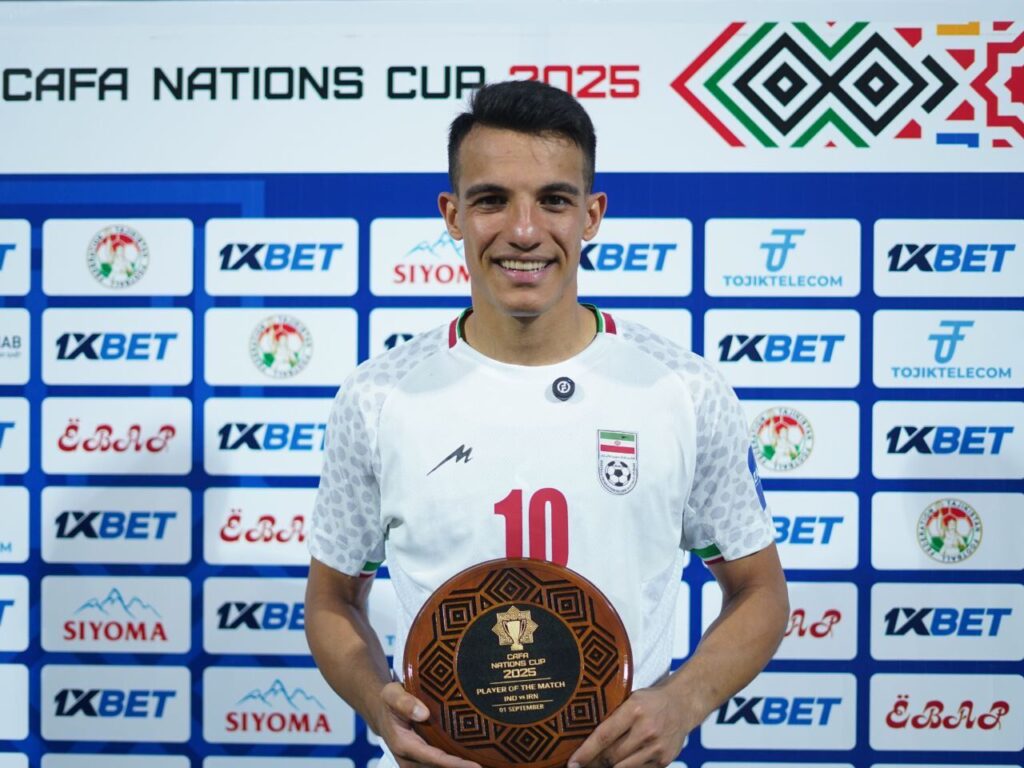
Ten-Man Iran Collapses at the Death, Handing Uzbekistan Historic CAFA Cup Triumph

A catastrophic early red card to Arya Yousefi set the tone for a gritty, defensive battle, but a 107th-minute header shattered Iranian resistance, crowning Uzbekistan champions in a dramatic finale.

(Tashkent, Uzbekistan) – The Iranian national team’s CAFA Nations Cup campaign ended in heartbreak and controversy, as a 107th-minute header from Uzbekistan’s Rustamjon Ashurmatov secured a 1-0 victory, handing Team Melli its first defeat to the Central Asian side in 14 years.

The final was effectively decided in a disastrous opening five minutes. Youngster Arya Yousefi, handed a surprise start, was shown a straight red card after a reckless, high challenge, leaving Iran to play 85 minutes of regulation and 30 minutes of extra time with only ten men.
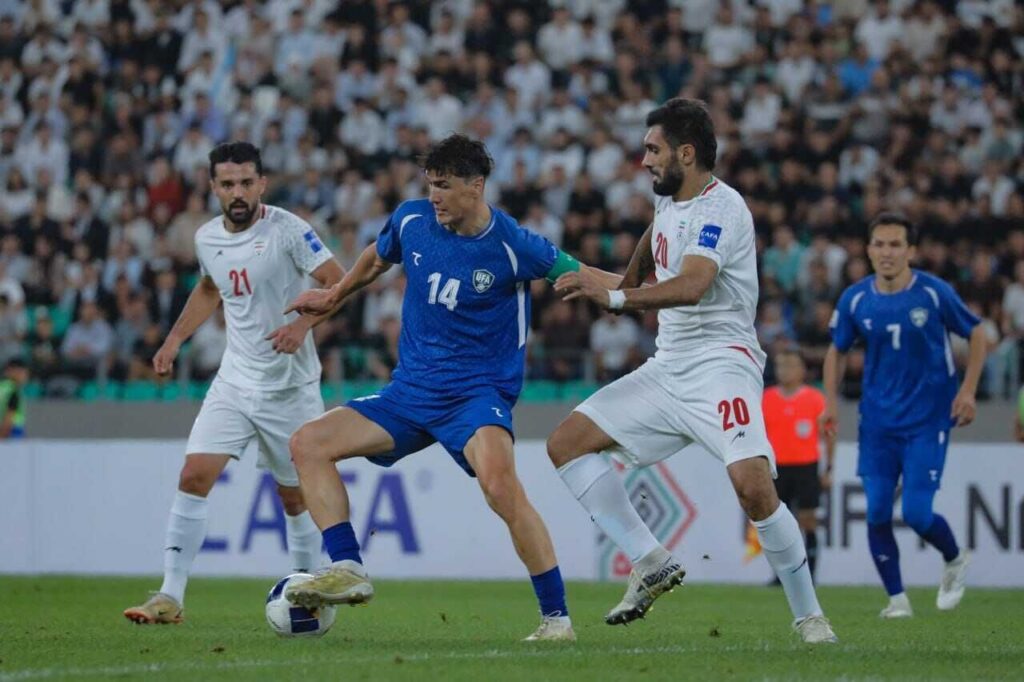
A Gritty, Rearguard Battle

Despite the numerical disadvantage, Iran’s defense, marshaled by a heroic Payam Niazmand in goal, held firm for most of the match. Niazmand made a series of critical saves, most notably in the 22nd minute, twice denying point-blank efforts to keep the score level.

Forced into an early change, coach Amir Ghalenoei introduced Mehdi Taremi in the 30th minute after an injury to starter Shahriar Moghanloo. The team adopted a deep, defensive block, relying on counterattacks. Their best chance came in the 59th minute when Saman Ghoddos found himself one-on-one with the goalkeeper but chose to shoot himself, with Omid Rezaian unmarked and begging for a pass.

Controversy and Wasted Chances

The match was riddled with controversy, much of it involving the video assistant referee (VAR). Iran was denied a strong penalty claim in the 73rd minute when Mohammad Hossein Kanaani was brought down in the box, a decision overturned after a lengthy review.

Uzbekistan, too, was left to rue missed opportunities. Captain Oston Urunov rattled the post with a powerful drive in the 104th minute, and Eldor Shomurodov skied a penalty in the 107th minute after a foul by Aref Aghasi, seemingly sending the match to a shootout.
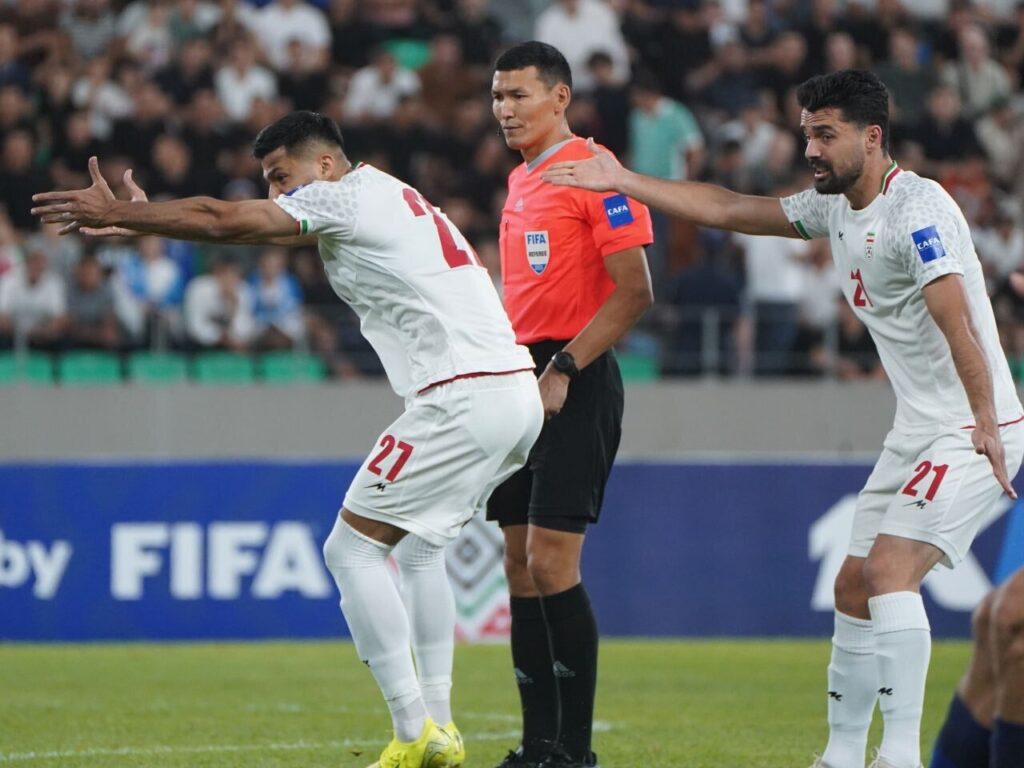
Heartbreak at the Death

Just as penalties loomed, Iran’s fatigued defense finally cracked. In the 117th minute, a cross from the right found defender Ashurmatov unmarked between two Iranian players, and he powered a header past Niazmand to spark wild celebrations among the home crowd.

The defeat marks a bitterly disappointing end to a tournament that has raised more questions than it answered for Team Melli. For Uzbekistan, it is a historic triumph, sealed against their most storied regional rival in the most dramatic of circumstances.

Key Moments:

  • 5′:RED CARD – Arya Yousefi (Iran) sent off for a dangerous foul.
  • 22′: 🧤 Huge double save from Payam Niazmand to keep the score level.
  • 59′: ❌ Saman Ghoddos wastes a golden counter-attack chance.
  • 73′: ❗ Penalty appeal for Iran overturned by VAR after a review.
  • 107′: 🎯 Eldor Shomurodov (UZB) misses a penalty.
  • 117′:GOAL – Rustamjon Ashurmatov scores the dramatic winner for Uzbekistan.

Uzbekistan: Atkir Yusupov, Khojiakbar Alijanov, Delshad Kamilov, Mohammadgader Khameraliyev, Atabek Shukurov, Odil Khamrubkov, Azizbek Turgunboyev, Abbasbek Faizollayev, Khasnoddin Alikulov, Ruslanbek Dzianov and Aldor Shomorudov
Head coach: Timur Kapadze

Iran : Payam Niazam, Mohammad Hossein Kananizadegan, Aref Aghasi, Aria Yousefi, Ali Nemati [106′ Abolfazl Jalali ], Mohammad Ghorbani [56′ Rouzbeh Cheshmi], Omid Noorafkan, Saman Ghodous (C) [66′ Alireza Jahanbakhsh], Mohammad Mohebi, Amir Hossein Hosseinzadeh (16′ Ramin Rezaeian) , Shahriar Moghanlou [31′ Mehdi Taremi]
Head coach: Amir Ghalenoei

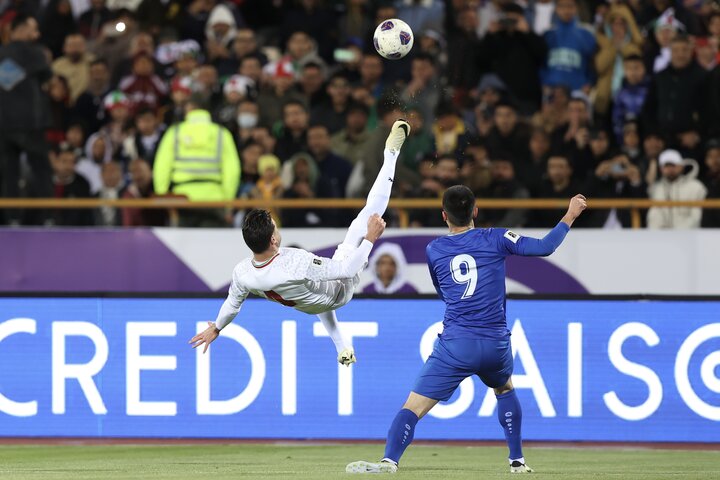
Beyond the Final: A Test of Character for a Struggling Team Melli


As Iran faces Uzbekistan, deep-rooted systemic issues loom larger than the CAFA trophy itself.

While Uzbek coach Timur Kapadze’s pre-match comment that “Iran has weaknesses” is a blunt assessment, for those following Iranian football, it is a painful and long-acknowledged truth.

The upcoming final against Uzbekistan is about more than a regional trophy; it is a profound test of character for a team seemingly at odds with itself. The result, while desirable, is secondary to the urgent need for a coherent identity, tactical intelligence, and a clear path forward.

It is often too easy to place the blame solely on the head coach, and while Amir Ghalenoei is certainly responsible, he is merely the most visible symptom of a deeper malaise within Team Melli. The problems are systemic:

  • Senior Players Underperforming: When veteran leaders and captains are defined more by frustration than by skill and experience, the team’s foundation crumbles.
  • Persistent Defensive Flaws: Long-known defensive vulnerabilities remain unaddressed, match after match.
  • A Misfiring Midfield: The heart of the team, the engine room, is consistently underperforming, failing to control games or link play effectively.

Coach Ghalenoei has his qualities, but his shortcomings are currently defining the team’s style. His unwavering loyalty to a core of senior players—a page taken from the Carlos Queiroz era—is backfiring, as these players increasingly lack both form and motivation. Despite being supported by a large contingent of recently retired ex-players as assistants, this staff has yet to prove they can provide the tactical support and fresh ideas the team desperately needs.

The tactical approach has often been naive. Against weaker teams that employ a deep defensive block, Ghalenoei’s side appears short of ideas. His substitutions are frequently ineffective and poorly timed, often resorting to last-minute changes in a desperate hope for a miracle rather than a strategic shift.

On the pitch, the lack of inspiring figures is glaring. While promising talents like Mehdi Hashemnejad, Amirhossein Hosseinzadeh, and Majid Aliyari have shown flashes of brilliance, they remain fringe players in Ghalenoei’s plans, consistently overlooked.

Instead, the team relies on established names regardless of form. The selection of captain Alireza Jahanbakhsh, currently without a club and match sharpness, raises serious questions about selection criteria being based on reputation rather than merit. The CAFA tournament presented a golden opportunity to integrate his successor; that opportunity seems wasted.

Similarly, much is expected of Mehdi Taremi, but his two appearances so far have provided more cause for concern than confidence.

Tonight’s match is a mirror. It will reflect the team’s true state: its fight, its plan, and its desire. Lifting the CAFA trophy would be a welcome moment of joy, but without addressing these fundamental issues, any celebration will be fleeting. For Team Melli, the real opponent is not just Uzbekistan—it is itself.


CAFA Nations Cup Final Preview: Iran’s Fierce Attack Meets Uzbekistan’s Stubborn Defense

A Clash of Titans in Tashkent as Team Melli and the White Wolves Battle for Regional Supremacy.


(Tashkent, Uzbekistan) – The stage is set for a thrilling finale to the CAFA Nations Cup tonight, as the offensive might of Iran collides with the defensive resilience of Uzbekistan. This highly anticipated match, kicking off at 6:00 PM local time in Tashkent, promises to be a classic tactical battle between two regional powerhouses.

The Iranian national team, Team Melli, roared into the final after a dominant group stage performance, netting a tournament-high 8 goals with decisive victories over Afghanistan and India, followed by a draw with Tajikistan.

Standing in their way is a formidable Uzbek wall. The White Wolves conceded a mere two goals in the group stage, showcasing a defense that proved impenetrable to most. Their path to the final saw them overcome Turkmenistan and Kyrgyzstan, with their only stumble being a draw against Oman.

The historical context adds another layer of intrigue. The last five meetings between these two sides have been incredibly tight, featuring four draws and a single Iranian victory. Notably, two of those matches ended in thrilling 2-2 stalemates, while two others were goalless affairs, underscoring the often evenly-matched nature of this contest.

Current form also suggests a close encounter. Uzbekistan arrives unbeaten in their last five matches (3 wins, 2 draws), while Iran’s record in the same span is slightly more mixed (3 wins, 1 draw, 1 loss).

Both teams will feel the absence of key players. Iran will be without the firepower of star striker Sardar Azmoun, while Uzbekistan misses the creativity of Jalaluddin Masharipov, adding an element of challenge for both coaches.

Ahead of the clash, the managers offered contrasting reflections.

Iran’s coach, Amir Ghalenoei, shouldered the blame for a disrupted preparation, stating: “My mistake was to respect the league. We didn’t want to close the league and that was an error. With 18 changes to the squad, we should have trained at least three times. Our whole thinking was to respect the league, but we should have come to CAFA with better planning.”

Conversely, Uzbekistan’s Timur Kapadze projected calm confidence: “We have prepared well. We know Iran well; they are a strong team but they also have weaknesses. We are trying to show our game. Not only Iran, but all the teams in this tournament have faced injuries.”

Everything points to a monumental clash of styles: Iran’s roaring attack versus Uzbekistan’s unyielding defense. Only one can be crowned champion of Central Asia.


Uzbekistan and Iran meet in the final of CAFA Nations Cup 2025

The national football teams of Iran and Uzbekistan will face each other in the final of the CAFA Nations Cup on Monday, September 7, at 6:00 PM local time at the Olympic Stadium in Tashkent. Both Iran and Uzbekistan entered the final with 7 points, finishing as the top teams in their respective groups and setting the stage for a highly anticipated clash.

Iran, the highest-ranked team in the region, will be looking to defend its title after winning the previous edition of the tournament. Uzbekistan, playing with the immense support of a home crowd, will be determined to claim the championship on their own soil and secure a historic victory against a regional powerhouse.

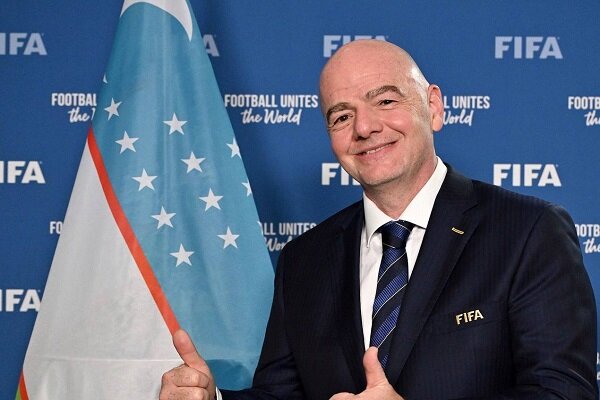
The match has garnered significant international attention, notably with the confirmed attendance of FIFA President Gianni Infantino. The Uzbekistan Football Federation announced that President Infantino will travel to Uzbekistan to review projects related to the further development of football in the country, visit the state-of-the-art National Football Center, and personally watch the final match of the CAFA Nations Cup 2025. His presence as a special guest underscores the growing importance of Central Asian football on the global stage.

This final is not just about regional supremacy but also serves as crucial preparation for both teams ahead of the upcoming joint FIFA World Cup 2026 qualification campaigns, adding an extra layer of significance to the encounter.
Iran defeated Afghanistan 3-1, India 3-0, and drew with Tajikistan 2-2 to reach the final.
Uzbekistan drew with Oman 1-1, defeated Turkmenistan 2-1, and Kyrgyzstan 4-0 to reach the final.

Iran’s Title Defense: Ghalenoei Bets on Experience for CAFA Nations Cup 2025


Head coach Amir Ghalenoei has named a seasoned 27-man squad for Iran’s upcoming CAFA Nations Cup 2025 title defense, opting for continuity and experience over a significant generational shift. The tournament will be held in Uzbekistan and Tajikistan from August 29th.

Despite the general perception of the CAFA region’s modest competitive level—with Uzbekistan being the clear exception—Ghalenoei has largely stuck with his established core. The squad is a blend of veteran internationals and a select few emerging talents from the Iranian Premier League, signaling a clear intent to retain the trophy won against Uzbekistan in the 2023 final.

The team’s preparations are hampered by significant absences. Key stars such as Sardar Azmoun, Mehdi Ghaedi, and Ali Gholizadeh are all sidelined due to injury, while first-choice goalkeeper Alireza Beiranvand is out through suspension. These omissions have undoubtedly diluted the squad’s overall strength.

Navigating the Group Stage

Team Melli’s campaign begins with a match against Afghanistan, a fixture they will be expected to win comfortably. The following games against India and hosts Tajikistan are anticipated to present progressively tougher challenges. However, the ultimate test is expected to be a potential final rematch against a strong Uzbek side.

Concerns Over Key Figures

The squad list reveals concerns regarding the fitness and form of its leadership. Captain Alireza Jahanbakhsh is currently without a club, having yet to secure a contract for the new European season. With transfer windows beginning to close, his match sharpness remains a major question mark.

Meanwhile, vice-captain and team star Mehdi Taremi finds himself in a difficult situation at Inter Milan. Despite his high-profile move, the striker has been relegated to train with the club’s U23 side and has been excluded from the senior squad as the Italian giants seek a buyer for him.

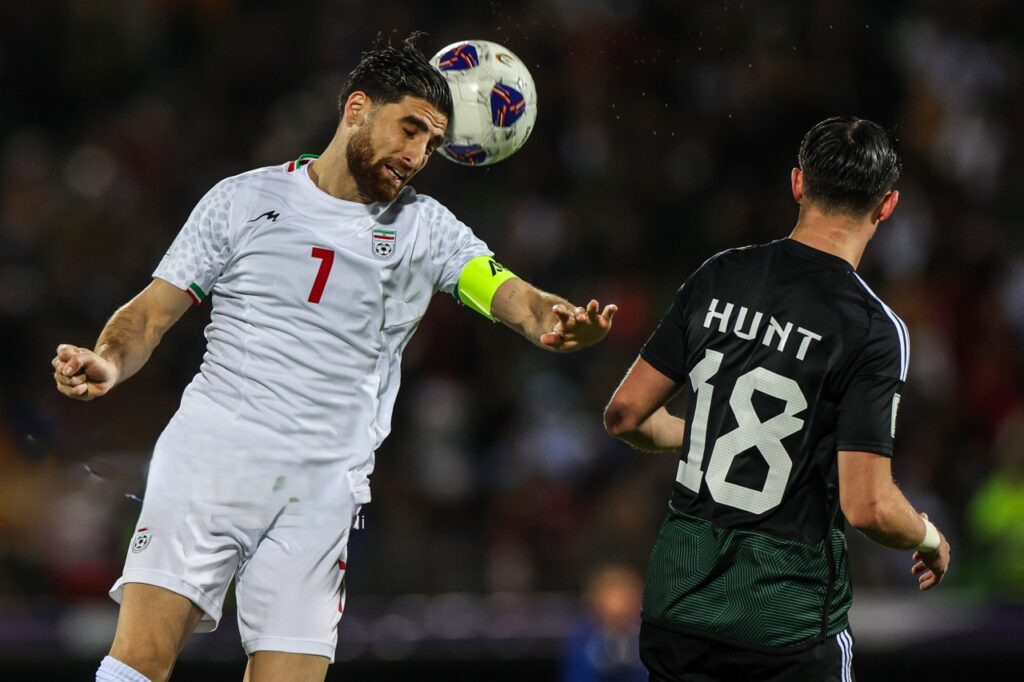
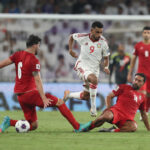
Alireza Jahanbaksh heading against Hunt of UAE

Squad Composition

The selection highlights the dominance of Iran’s domestic league, with the country’s top clubs providing the bulk of the players.

  • Sepahan: 6 players
  • Esteghlal: 5 players
  • Persepolis: 4 players
  • Tractor: 3 players
  • Other Clubs: The remainder of the squad is drawn from other domestic teams and includes three players from UAE’s Etihad Kalba.

The Full 27-Player Squad:


GOALKEEPERS:
1- Payam Niazmand – 30 years -(Persepolis),
2- Nima Mirzad – 28 years – (Mes Rafsanjan),
3- Seyed Hossein Hosseini – 33 years- (Sepahan)

Defenders:

4- Mohammad Hossein Kananizadegan – 31 years- (Persepolis),
5-Mohammad Naderi – 28 years – (Tractor),
6- Aref Aghasi – 28 years – (Esteghlal),
7-Ramin Rezaeian -35 years- (Esteghlal),
8- Ali Nemati -29 years- (Foolad),
9- Omid Noorafkan -28 years- (Sepahan),
10- Amin Hezbavi – 22 years- (Sepahan),
11- Aria Yousefi -23 years- (Sepahan),

Midfielders:

12- Mohammad Mohebi – 26 years- (Rostov, Russia),
13- Mehdi Hasheminejad – 24 years- (Tractor)
14- Saman Ghodoos -31 years- (Etihad Kalba UAE),
15- Mehdi Mohebi -25 years- (Etihad Kalba UAE),
16- Mohammad Khodabandelou -25 years- (Presepolis),
17- Rouzbeh Cheshmi -32 years- (Esteghlal),
18- Alireza Koushki -25 years- (Esteghlal),
19- Mohammad Ghorbani -23 years- (Al-Wahda, UAE),
20- Mehdi Tikdari Nejad – 29 years- (Sepahan),
21- Alireza Jahanbakhsh – 32 years- (No Club),

Forwards:

22-Mehdi Taremi -33 years- (Inter Milan, Italy),
23- Mehran Ahmadi – 27 years- (Esteghlal),
24- AmirHossein Hosseinzadeh – 24 years- (Tractor)
25- Ali Alipour -29 years- (Persepolis),
26- Shahriyar Moghanlou – 30 years- (Ittihad Kalba , UAE),
27- Majid Aliyari -29 years- (Sepahan)

Team Melli Begins CAFA Nations Cup 2024 Campaign Against Afghanistan

Dushanbe, Tajikistan – The CAFA Nations Cup 2024 is set to kick off on August 29, with Iran’s Team Melli beginning their title defense against Afghanistan in Dushanbe. Host nation Tajikistan will also start their campaign on the same day, facing Malaysia, the sole East Asian representative in the tournament.

Group Stage Fixtures & Key Matches

  • August 29:
  • Iran vs Afghanistan
  • Tajikistan vs Malaysia
  • September 1:
  • Iran vs Malaysia
  • Afghanistan vs Tajikistan
  • September 4 (Final Group Matches):
  • Tajikistan vs Iran (a potential group decider)
  • Afghanistan vs Malaysia

All matches in Group B will be held at Dushanbe’s Central Republican Stadium, while Group A (featuring Uzbekistan, Kyrgyz Republic, Turkmenistan, and Oman) will take place in Tashkent, Uzbekistan.

Tournament Format & Road to the Final

Only the group winners will advance to the final, scheduled for September 8 in Tashkent. The two runners-up will compete for third place in Dushanbe on the same day.

Team Melli’s Dominance & Expectations

As the defending champions of the CAFA Nations Cup, Iran enters the tournament as the favorite. Having won the inaugural edition in 2023, Team Melli will aim to maintain their regional supremacy under coach Amir Ghalenoei. Key players like Mehdi Taremi and Sardar Azmoun are expected to lead the charge.

Meanwhile, Tajikistan, fresh from their impressive 2023 AFC Asian Cup performance, will look to leverage home advantage. Malaysia, invited as a guest team, could be a dark horse, while Afghanistan seeks to make an impact under new management.

Group A Preview: Uzbekistan Favored to Progress

In Tashkent, hosts Uzbekistan are strong contenders, with the Kyrgyz Republic and Oman posing tough challenges. Turkmenistan will aim to spring a surprise in a competitive group. This group is the stronger of the two with a chance of an upset.

CAFA regional has two representatives in the next year FIFA World Cup in Iran and Uzbekistan.

With only one team from each group advancing, every match will be crucial. Football fans across Central Asia can expect an exciting tournament filled with high-stakes clashes.


Team Melli Head Coach Amir Ghalenoei stated:

“Our goal is clear—to defend our title. We respect all opponents, but we are here to win. The players are motivated, and we’ve prepared thoroughly for this challenge.”

Tajikistan’s Head coach, Petar Šegrt emphasized:

“Playing at home is an advantage, but also a responsibility. We want to make our fans proud and prove we belong among Central Asia’s best.”

Afghanistan, under new management, aims to make an impact. Coach Ashley Westwood remarked:

“We’re building something new, and this tournament is a great platform. The players are eager to show their potential.”
Malaysia Head Coach, Peter Cklamovski, described the CAFA Nations Cup 2025 as an important step in the Malaysian national squad’s journey towards building a more competitive team.
The Nations Cup is an exciting tournament, and it’s an important step in our journey as a national team. We have been waiting for the draw for some time, and we’ve obviously had plan A and B

He also described the match against Ira as a great opportunity to assess the true level of the Malaysian National Team.
They (Iran) are going to the World Cup. It is a massive challenge for us, a massive opportunity for us. We will use it as a way to benchmark ourselves against the best. A test of our football against them, we will take our football to them as hard as we can.”


CAFA Nations Cup to be held in August to September 2025

The second bi-annual CAFA Nations Cup 2025 will be hosted by Uzbekistan and Tajikistan starting from August 29th until September 8th.

According to the official statement of the CAFA press service, in 2025 football fans will witness another continental tournament – the “CAFA Nations Cup-2025”. Not only Central Asian countries, but also new guest national teams will participate in this prestigious tournament. It has been officially confirmed that the national teams of Uzbekistan, Iran, Kyrgyzstan, Tajikistan, Afghanistan, and Turkmenistan, as well as invited teams Malaysia and Oman, will take part.

Such a wide format of the tournament is being held for the first time, making it even more interesting. The participation of invited Malaysia and Oman, who are serious opponents in their regions, will undoubtedly increase the level of competition. There will be special attention paid to how these teams perform on the CAFA field.

The draw ceremony will be held on July 3 in the capital of Tajikistan – Dushanbe. According to the unique format of the tournament, participants will be divided into two groups: all matches of Group “A” will take place in Uzbekistan, and Group “B” matches will be held in Tajikistan. This will give football fans in both countries the opportunity to experience the live tournament atmosphere.

The tournament is set to start on August 29. Exciting matches will continue until September 8, and the continent’s best team will be determined in the final. Through this tournament, the potential and development of Central Asian football will once again be showcased.

Every match in the CAFA Nations Cup-2025 is a new intrigue, new talent, and a new dream of the championship. Fans are ready to witness history. From the very first matches, all eyes will be on these stadiums!

UAE Shocks Football World by Sacking Paulo Bento After Narrow Win Over North Korea

Dubai – In a surprising move, the United Arab Emirates Football Association (UAEFA) has dismissed  the Portuguese Paulo Bento as head coach of the national team—just hours after a dramatic 2-1 victory over North Korea kept their slim 2026 World Cup qualification hopes alive.

The decision has left many observers puzzled, as the UAE remains in contention for a direct qualification spot. They currently sit four points behind second-placed Uzbekistan in Group A of the third round of Asian qualifiers, with two matches remaining. The top two teams from each group secure automatic entry to the 2026 World Cup, co-hosted by the United States, Canada, and Mexico.

Bento, who took charge in July 2023, was relieved of his duties alongside his entire coaching staff. The UAEFA announced the decision on social media without providing further details.

Why the Sudden Move?

Despite the win over North Korea—sealed by a late stoppage-time goal—the UAE’s recent form has been inconsistent. A 2-0 loss to Iran just days earlier had already put pressure on Bento’s position.

However, the team still has a realistic chance:

  • Direct qualification: If they overtake Uzbekistan in the final two matches.
  • Playoff route: Finishing third or fourth would enter them into an additional playoff round for one of Asia’s eight guaranteed World Cup spots.

Bento’s Track Record

The 55-year-old Portuguese manager is no stranger to high-stakes football:

  • Led South Korea to the 2022 World Cup knockout stage.
  • Guided Portugal to the Euro 2012 semifinals.
  • Took over the UAE after their previous coach, Rodolfo Arruabarrena, was dismissed.

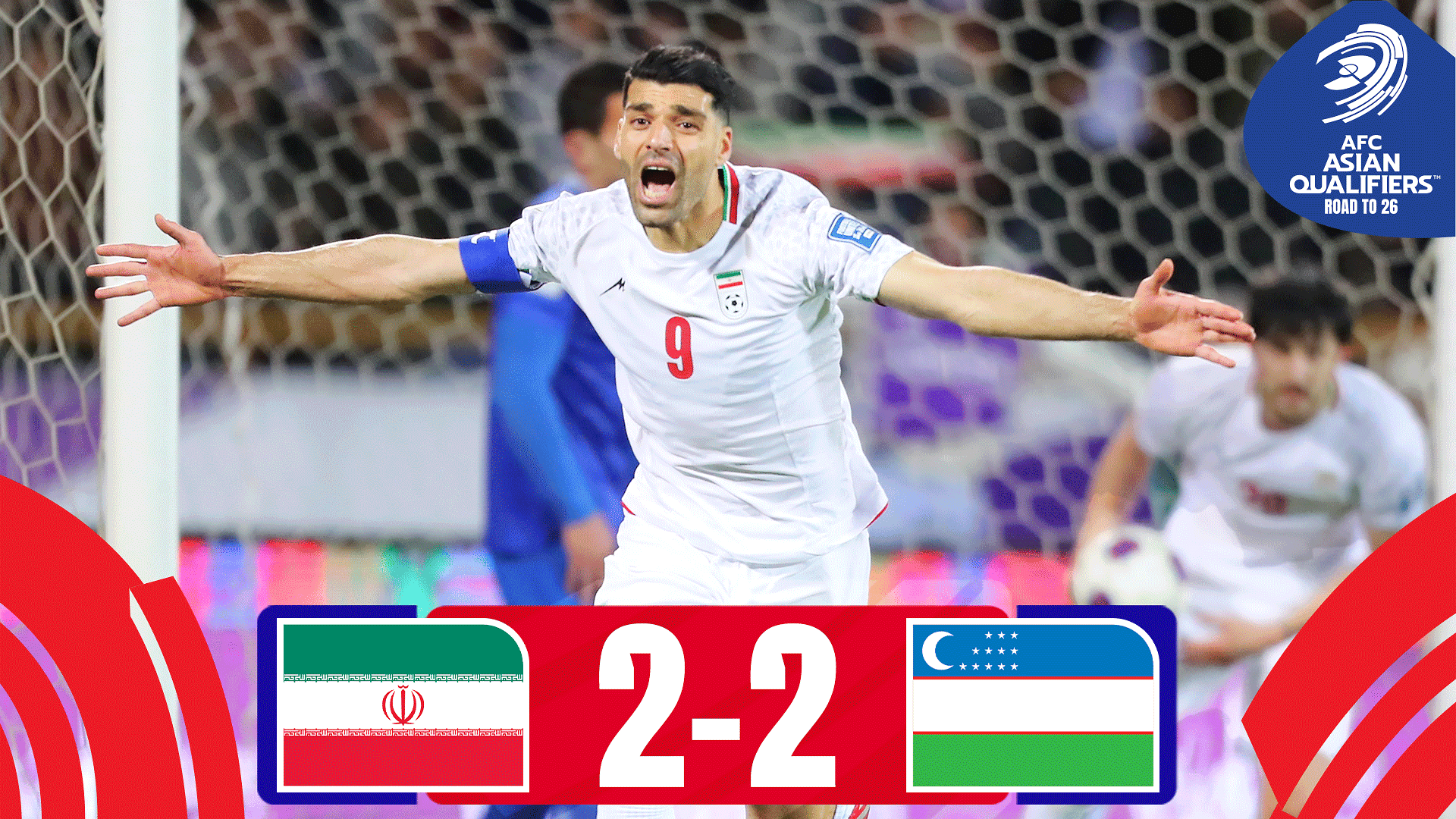
Meanwhile, Iran became the first team from Group A to secure World Cup qualification after a 2-2 draw against Uzbekistan.

The sudden dismissal raises questions about the UAEFA’s long-term vision, especially with crucial matches looming. Who will replace Bento—and can they salvage the UAE’s World Cup dreams?

 Ghalenoei pays tribute to game-changer Taremi

Tehran: Amir Ghalenoei praised the contribution of Mehdi Taremi after the Inter Milan forward rose to the occasion to help Iran reach a fourth consecutive FIFA World Cup.

Staring at their first World Cup qualifier home defeat since 2012, Ghalenoei needed someone from his team to step up to the plate and Taremi did not disappoint, scoring his second in the 83rd minute to salvage a 2-2 draw against Uzbekistan with the point sufficient to clinch qualification.

#AsianQualifiers - Road To 26 | Group A : IR Iran 2 - 2 Uzbekistan

“A great player must help both technically and physically,” said Ghalenoei. “Taremi is one of them, and even though he plays for a great team and is not in good condition and could have missed the season, he played and was with the team and played for the people. 

“He became the best player on the field and I am happy that in most games, he is the best player on the field from the Iranian national team.”

Ghalenoei went on to reiterate that reaching the Finals in the United States, Canada and Mexico only meant the beginning of more hard work with the wily head coach targeting a first ever knockout stage appearance at the global showpiece.

“I congratulate the Iranian people on this qualification. Qualification was not an easy task. Look at the capabilities of other teams and you will see that the players were able to achieve this qualification through difficult circumstances. 

“We will give a very good plan to the officials in the next two to three weeks and we hope that it will be implemented and we will be able to advance to the Round of 32 in the World Cup.”

image content

Goals from Hojimat Erkinov and Abbosbek Fayzullaev had given head coach Timur Kapadze hope that Uzbekistan themselves could book their spot at the FIFA World Cup 2026 but it wasn’t to be.

However, the Central Asians are still very much in control of their own destiny as they hold a four-point lead over United Arab Emirates with two matches remaining.

image content

“First of all, I would like to congratulate the Iranian national team on qualifying for the World Cup and wish them success in this tournament,” said Kapadze. 

“The game was interesting and exciting, both teams had chances. I think the result was fair. We could have beaten Iran, but it didn’t happen.

“The people of Uzbekistan deserve the World Cup and I thank them for their prayers. We are trying to achieve the desired result in the next game and qualify.”

Team Melli Secures Fourth Consecutive FIFA World Cup Qualification After Draw with Uzbekistan

Team Melli has officially qualified for the FIFA World Cup 2026 for the fourth consecutive time and a record seventh time following a hard-fought 2-2 draw against Uzbekistan at Azadi Stadium.

In a tense and thrilling encounter, Uzbekistan stunned Iran early when Jasurbek Erkinov capitalized on a defensive lapse to score in the 16th minute. However, Mehdi Taremi leveled the match in the 52nd minute with a spectacular goal, finishing off a brilliant assist from Sardar Azmoun and a sublime pass by Mehdi Ghaedi.

The celebrations were short-lived, as Uzbekistan quickly regained the lead. Just moments after Iran’s equalizer, Fayzullaev curled in a free kick, with goalkeeper Alireza Beiranvand unable to prevent the ball from rolling into the far corner of the net.

Despite the setback, Team Melli remained relentless, dominating possession and pressing forward. Their efforts paid off when Mehdi Taremi struck again, securing Iran’s second equalizer and ensuring the match ended in a 2-2 draw.

With two matches remaining in the qualifiers, Uzbekistan remains in a strong position and is likely to join Iran in securing a spot at the 2026 FIFA World Cup in North America.

However, the post-match atmosphere was bittersweet. While the Iranian squad celebrated their qualification, Alireza Beiranvand was overcome with emotion. The Team Melli goalkeeper broke down in tears, having been repeatedly booed by the crowd—a reaction seemingly tied to his role in Uzbekistan’s second goal and other ongoing issues.

In the other Group A fixture, Kyrgyzstan pulled off an impressive 3-1 victory over Qatar in Bishkek.