
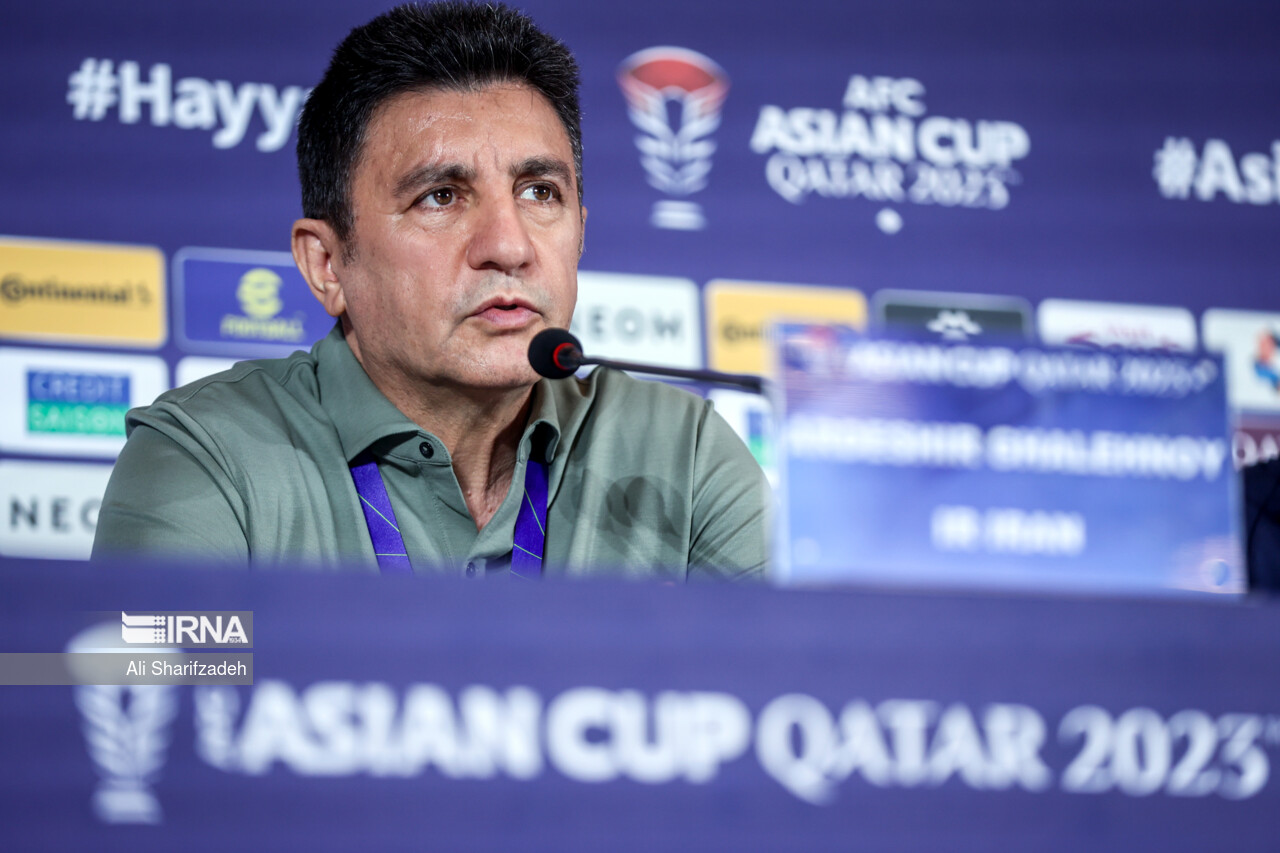
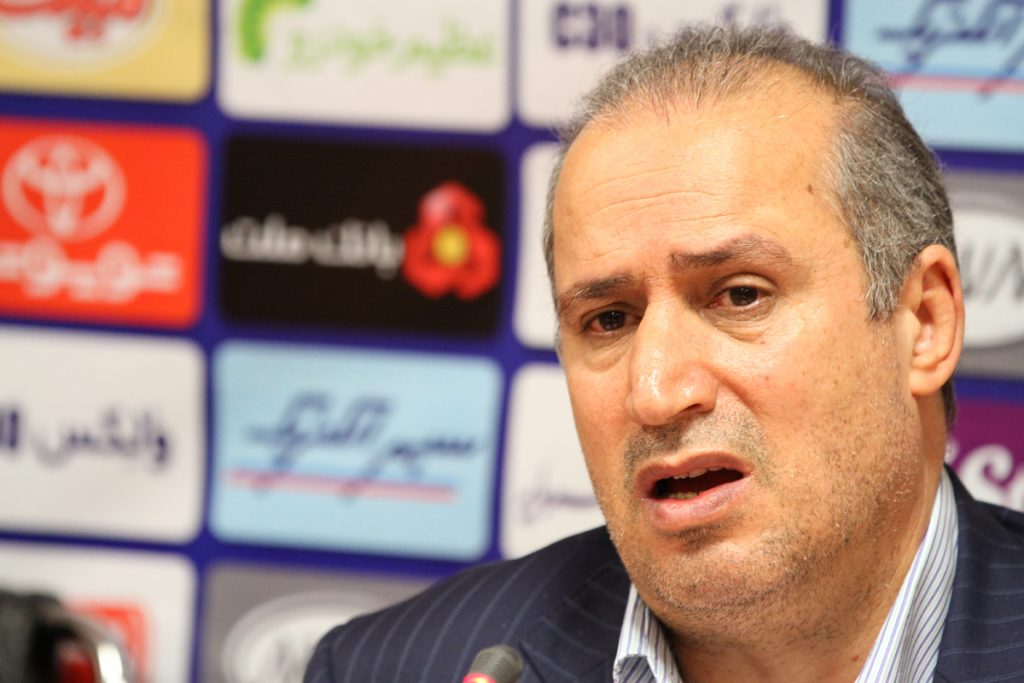
In a move that has raised more eyebrows than confidence within Iranian football circles, Football Federation President Mehdi Taj has effectively removed any suspense or accountability from Team Melli’s impending 2026 World Cup campaign. By publicly assuring that Amir Ghalenoei will remain at the helm regardless of results in North America, Taj has traded the hard edge of professional sport for the comfort of administrative inertia.
Speaking in response to comments made by Ghalenoei, who suggested that after the World Cup, Team Melli would be at the "disposal of the next head coach", Taj interpreted this as a selfless concession rather than a standard procedural reality. "Ghalenoei has made a concession; he will be the head coach of the national team after the World Cup," Taj stated.
He doubled down on this assurance, adding: "There is no problem with Ghalenoei's presence in the national team, and we are very satisfied with him. Ghalenoei is trying to say that he is leaving the federation's hands open, but he is managing the national team very well."
While stability is a cherished commodity in the volatile world of international football management, stability without scrutiny is merely stagnation. To confirm a coach's future without conducting a post-World Cup performance appraisal is not just a vote of confidence; it is an abdication of professional responsibility.
The Illusion of the "Open Hand"
The federation’s framing of this announcement centers on the idea that Ghalenoei is "leaving the federation's hands open." In reality, this premature assurance closes the federation's hands entirely. By locking in the current leadership before a ball is kicked against the world’s elite, the Federation has sent a clear message to the squad and the public: The process in the United States, Canada, and Mexico is an exhibition, not an examination.
What happens if Team Melli suffers a historic defeat? What if the tactical approach that worked in the later stages of Asian qualification proves utterly inadequate against the pace and power of a World Cup group stage? Under this new decree, the answer is apparently nothing. Ghalenoei returns to the bench for the next AFC Asian Cup qualification cycle, safe in the knowledge that the federation’s "satisfaction" predates any actual evidence from the sport's biggest stage.
This approach stands in stark contrast to the principles of high-performance sport. In any serious footballing nation, or any professional organization, a major project like a World Cup is a natural inflection point. It is a moment for review, for recalibration, and, if necessary, for a fresh voice. By skipping the appraisal step entirely, Taj is demonstrating a lack of desire for improvement and a troubling contentment with the status quo.
A Haunting Precedent
The irony of this situation is not lost on observers. Just over three years ago, the Iranian Football Federation dismissed Dragan Skocic, a coach who had secured qualification for the 2022 World Cup, mere months before the tournament began, citing a lack of confidence in his ability to perform on the world stage. The decision threw the team into a tailspin of instability from which they never recovered in Qatar.
Now, the pendulum has swung to the opposite extreme. Where once the federation acted with rash, destabilizing haste, it now clings to a premature, unearned loyalty. Both extremes stem from the same root: an institutional failure to manage coaching transitions with data-driven professionalism rather than reactive, behind-closed-doors politics.
The Risk of Complacency
The most damaging aspect of this announcement is the potential impact on the dressing room and the coaching staff's mentality. The World Cup demands every ounce of a team's focus and fear of consequence. That fear, the knowledge that jobs and legacies are on the line, drives performance. By erecting a safety net in April 2026, two months before the tournament, Taj has softened the ground beneath Ghalenoei’s feet.
While the federation views this as a gesture of unity and support, it is equally plausible that it masks deeper, unaddressed fissures within the national team setup. Maintaining the coach's position unconditionally is an easy way to avoid confronting internal issues that might otherwise surface during a rigorous post-tournament review.
Conclusion
Mehdi Taj is right to praise the work Amir Ghalenoei has done to steady the ship and navigate Asian qualification. But international football is not an industry of lifetime appointments or performance-blind loyalty. The World Cup is the ultimate litmus test.
By removing the stakes for the man in the technical area, the Federation President has undercut the very essence of competition. It is an unprofessional statement that comforts the coach but shortchanges the 90 million Iranians who expect their national team to be held to the highest possible standard—not just during the World Cup, but in the honest, critical moments that follow it.