Author: admin

Korea Eyes Historic Hosting Bid Amidst Fierce Competition


Korea Eyes Historic Hosting Bid Amidst Fierce Competition

The race to host the AFC Asian Cup 2031 is entering a pivotal and highly competitive phase, with the Korean Football Association (KFA) emerging as one of the most determined contenders. Despite its strong resolve, Korea faces a formidable uphill battle in what is widely expected to be the most fiercely contested bidding process in the tournament’s history.

Chung Mong-gyu’s Leadership Pledge

KFA President Chung Mong-gyu placed hosting the 2031 tournament at the heart of his campaign platform ahead of his successful re-election for a fourth term. True to his pledge, the KFA formally submitted its letter of intent to the Asian Football Confederation (AFC) the day after Chung secured his mandate at the end of February, underscoring the nation’s earnest commitment.

Unprecedented Seven-Nation Bidding Field

According to AFC records, seven nations have officially entered the bidding fray—an unprecedented number that signals the growing prestige and commercial appeal of the Asian Cup.

The Formidable Gulf Challenge: UAE’s Ambition

Among Korea’s most formidable rivals is the United Arab Emirates, which brings significant political and financial clout to the contest. The UAE bid enjoys the backing of Deputy Prime Minister Sheikh Mansour bin Zayed Al Nahyan, a key figure in global football as the majority shareholder of Premier League giants Manchester City. Having already hosted the tournament in 1996 and 2019, the UAE is aiming for a third hosting honor, leveraging its vast resources, advanced infrastructure, and proven event management credentials—all key criteria in the AFC’s evaluation matrix.

Strong Contenders from Down Under and Beyond

Australia also presents a substantial challenge, having delivered a highly praised edition of the tournament in 2015. Its modern stadiums, established tourism framework, and multicultural appeal position it as a strong and reliable candidate. Meanwhile, nations such as Indonesia, India, and Kuwait may strengthen their proposals through robust governmental backing, despite current infrastructure gaps.

A Joint Central Asian Bid and Its Complications

In a notable move reflecting contemporary sporting trends, Uzbekistan, Kazakhstan, and Kyrgyzstan are exploring a collaborative joint bid. This approach, however, raises procedural questions given Kazakhstan’s membership in UEFA rather than the AFC.

Korea’s Symbolic Quest and Practical Hurdles

For Korea, the 2031 bid carries profound symbolic weight, offering a chance to host the Asian Cup for the first time in 71 years. Yet, significant hurdles remain. Korean football officials privately acknowledge a perceived organizational gap compared to West Asia’s established football powers.

A more immediate concern is the recent criticism leveled at several K League stadiums over poor pitch quality—derisively labeled “paddy field grass” by local media. With the AFC set to conduct thorough on-site inspections, Korea must either demonstrate marked improvements or present compelling renovation plans ahead of the assessors’ visits.

AFC’s Strategic Move: A Potential Two-Tournament Award

Adding another layer of complexity, the AFC is reportedly considering awarding hosting rights for both the 2031 and 2035 tournaments simultaneously, a strategic move that would effectively turn the current contest into a two-cycle decision.

Qatar Looms on the Horizon for 2035

Looking further ahead, though unconfirmed officially, rumors are circulating that Qatar may enter the bidding for the 2035 edition. Fresh from hosting a widely acclaimed 2022 FIFA World Cup, Qatar possesses unrivalled, world-class infrastructure, exceptional organizational proficiency, and a seamless transportation network. The nation also brings deep Asian Cup hosting experience, having previously staged the tournament in 1988, 2011, and most recently in 2023. Its potential entry could redefine the competitive landscape for the later edition, setting the stage for a new era of hosting excellence in Asian football.

A Determined Final Word from Korea

Amid the mounting competition, KFA President Chung Mong-gyu remained resolute. “The candidates are all strong,” he stated, “but we will work diligently to host the tournament through fair competition.”



Persepolis leads Persian Gulf Pro League

Esteghlal Tehran squandered a golden opportunity to claim top spot in the Persian Gulf Pro League after being held to a goalless draw by lowly Zob Ahan in Esfahan during Round 17.

Earlier on Friday, Persepolis secured a crucial 2–1 victory over league leaders Sepahan in a top-of-the-table clash at Shahr-e Qods Stadium. After a goalless first half, Persepolis sprang to life in the second period. Their Uzbek winger Oston Oʻrinov broke the deadlock in the 53rd minute, and compatriot Igor Sergeyev doubled the lead in the 72nd. Sepahan managed a consolation deep into added time, with Ricardo Alves converting a penalty in the 90+13th minute.

Following that result, Esteghlal would have leapfrogged into first place on goal difference had they defeated Zob Ahan, but their lackluster performance saw the chance slip away.

On Thursday, Tractor coaches by former Team Melli coach, Dragan Skocic, delivered an impressive 4–1 victory over Mes Rafsanjan at the Yadegar-e Emam Stadium in Tabriz, lifting themselves into second place ahead of Friday’s fixtures. The goals came from Mohammad Hosseinzadeh (13’), an own goal by Milad Mirzazadeh (56’), Mohammad Ebrahimi Esmaeilifar (76’), and Amir Arsalan Motahari Drodzek (84’).

All matches in the Persian Gulf Pro League continue to be played behind closed doors due to security concerns following recent unrest in Iran.


FFIRI denies any friendly match witn Algeria.

The Football Federation of the Islamic Republic of Iran (FFIRI) has officially refuted reports of a proposed friendly international match against Algeria to be held in Manchester, England, as part of Team Melli’s preparations for the 2026 FIFA World Cup.

Speculation had circulated in Algerian media, which claimed that the Algerian national team would play two high-profile friendlies in Manchester, against Brazil and Iran, ahead of the upcoming World Cup.

In a formal statement released from Tehran, the FFIRI firmly denied any such arrangements, clarifying that all official match confirmations involving Team Melli will be announced exclusively by the Federation itself, not through external or international sources.

The communiqué further confirmed that the Federation is actively in the process of finalizing two friendly matches during the next FIFA international window. Official dates and venues will be announced as soon as contracts are formally signed and ratified.

Sources close to the national team setup have indicated that head coach Amir Ghalenoei is particularly keen to schedule at least one preparatory match against an African side. In this regard, Algeria would have been an ideal opponent, given that their style and caliber closely mirror that of Iran’s confirmed World Cup group-stage opponent, Egypt.

Team Melli to leave for AFC Futsal Asian Cup

Iran’s National Futsal team will depart Tehran to Jakarta on Friday, to participate in the 18th edition of Asian Premier Futsal Competition. The defending champions are coached by Vahid Shamsaei.

Thrilling battles await at the AFC Futsal Asian Cup Indonesia 2026™ when it kicks off on January 27 (Tuesday) in Jakarta as 16 teams chase ultimate glory.

The 18th edition of the tournament features a host of familiar contenders, with 13 returning from the previous campaign in 2024, including the ever-present quartet of Islamic Republic of Iran, Japan, Thailand and Uzbekistan, who extend their record of appearing in every Finals to date.

Hosting the hard-court showpiece for the second time after 2002, Indonesia will stage the matches across two venues, with the champions to be crowned on February 7.

The first matchday opens at the Jakarta International Velodrome with a 1pm clash between Thailand (FIFA Rank: 11) and Lebanon (54) in Group B. Having thrice finished as runners-up, including in 2024, the Thais will hope to make the final breakthrough this time, while their opponents—seven-time quarter-finalists—are back for a 13th occasion, following their last appearance in 2022. At 5pm, 2016 fourth-place finishers Vietnam (20) start their eighth Finals quest against Kuwait (40), whose best placings are also fourth (2003, 2014) and are marking their 14th Finals showing.

Over at the Indonesia Arena at 3pmGroup A gets underway with Iraq (37), who placed fourth in 2018, commencing their 14th involvement against a Kyrgyz Republic (43) outfit that finished fourth twice (2006, 2007) and are contesting a 17th Finals. Indonesia (24), who registered their best finish in 2022—their most recent showing—by reaching the last eight, can expect a boisterous backing at 7pm in their 11th appearance as they face Korea Republic (57), involved for a 16th occasion and looking to better their runners-up finish from 1999.

View this post on Instagram

A post shared by #AFCU23 (@afcasiancup)

Having enjoyed a memorable debut in 2024 by reaching the Quarter-finals to qualify for the FIFA Futsal World Cup Uzbekistan 2024, Afghanistan (28) will be hungry for more as they gear up to face Saudi Arabia (45)—notching their fourth Finals appearance—in Group D on January 28 at 1pm at the Jakarta International Velodrome. Reigning champions IR Iran (5), the only team to have never finished outside the top three, will commence their hunt for a record-extending 14th crown at 5pm against Malaysia (70), who will feature at a 13th Finals and first since 2018.

Japan (13) go in search of a fifth title after falling well short in 2024 when they suffered their first-ever Group Stage exit and start with a Group C opener at 3pm at the Indonesia Arena against Australia (51), who are appearing at their ninth Finals and count fourth place in 2012 as their best result. A maiden success will be on the minds of four-time finalists Uzbekistan (22) ahead of their 7pm showdown against Tajikistan (47), who registered a best-ever fourth-place finish in 2024—an achievement they will aim to surpass at their 13th Finals.

Group D


Wednesday, January 28, 2026 GROUP STAGE – GROUP D

AFGHANISTAN – SAUDI ARABIA


IRAN – MALAYSIA


Friday, January 30, 2026 GROUP STAGE – GROUP D

SAUDI ARABIA – IRAN

MALAYSIA – AFGHANISTAN

Sunday, February 1, 2026 – GROUP STAGE – GROUP D

SAUDI ARABIA – MALAYSIA

IRAN – AFGHANISTAN

Taremi’s wonder strike keeps Olympiacos hopes alive

Olympiacos secured an important victory against Bayer 04 Leverkusen with a 2–0 win at the Karaiskakis Stadium, keeping their qualification hopes alive for the next stage of Europe’s premier club competition.

The “Red-and-whites” started the match aggressively and, backed by their roaring fans, took the lead as early as the 2nd minute. Rodinei delivered a corner kick, and Costinha rose highest to head the ball into the net for the opening goal.

The final score was sealed in first-half stoppage time (45+1′). Olympiacos broke quickly down the right flank through Rodinei, who played a perfectly weighted through ball to Mehdi Taremi. The experienced striker calmly finished with a thunderous right shot, sending the ball into the net and making it 2–0.

Team Melli striker Mehdi Taremi has been in superb form this season. He has scored 8 goals in 11 matches in the Greek Super League and assisted with 2 goals. In the Champions League, he has already scored against Real Madrid in addition to Leverkusen .

In the last match, Olympiacos is away to Ajax Amsterdam. A win will assure the Greek champion’s qualification to the next round.

Cheering Under Caution: The Physical Peril and Emotional Toll on Team Melli Fans in America

In its official press release, FIFA confirmed that fans from all 211 of its member nations submitted ticket requests during the Random Selection Draw phase between December 11 and January 13.

The organization said it received an average of 15 million requests per day – a figure it described as a new record for global football demand.

The 2026 tournament will feature 104 matches across 16 cities in the United States, Canada, and Mexico.

However, FIFA noted that a valid match ticket does not automatically grant entry into any of the three host nations.

Each fan must still meet national immigration criteria and obtain the appropriate visa before travelling to attend games.

Donald Trump’s visa rules add new uncertainty for travelling fans

The reminder follows recent US visa changes introduced under Donald Trump, which have created additional requirements for several countries, including Iran, and some with national teams qualified for the World Cup.

While players and officials are unaffected, fans from certain regions may face longer processing times or extra screening.

While FIFA emphasizes collaboration with local authorities to assist international fans with travel, this assurance rings hollow against the backdrop of the United States’ complex and often stringent immigration enforcement regime. FIFA’s influence over federal law enforcement policy is negligible to nil. Consequently, fans planning to attend matches in the U.S. must prepare for more than just logistical hurdles; they must navigate a security environment where the lines between crowd control and aggressive immigration enforcement may dangerously blur.

The primary challenges are multi-layered:

1. The Visa and Entry Hurdle: Despite valid tourist visas, the sheer volume of applicants from 48 qualifying nations, combined with ever-shifting U.S. travel policies and heightened security screenings, will inevitably lead to delays, complications, and denied entries for some legitimate fans. The process will be stressful and unpredictable.

2. The Unprecedented On-the-Ground Risk: ICE and Policing at Mass Events: This constitutes the most severe and unique danger. Assuming fans secure both tickets and visas, they will have no special protection from U.S. Immigration and Customs Enforcement (ICE) or other law enforcement agencies. Historically, these forces have operated with broad discretion, and their actions have frequently been criticized for racial profiling and excessive force.

  • A Pattern of Targeting: Documented incidents show a disturbing focus on individuals perceived as foreign, particularly those of Hispanic, Middle Eastern, South Asian, and African descent. The pervasive fear is that in the frenetic, crowded environments surrounding World Cup venues, individuals speaking foreign languages or fitting certain racial profiles will be disproportionately subjected to stops, questioning, and detention.
  • Arbitrary Violence and Lethal Force: As highlighted by the tragic shooting of a mother of three by ICE agents, an American citizen, the potential for escalation to lethal force, while statistically low, exists and is a terrifying prospect. For visiting fans, unfamiliar with their rights in U.S. jurisdictions, a tense interaction could escalate rapidly.
  • A Heightened, Active Presence: It is a near certainty that ICE and Homeland Security units will be significantly bolstered around stadiums, fan zones, and transportation hubs under the banner of “event security.” Their mandate, however, will dualistically cover both public safety and immigration enforcement, creating a climate of anxiety for international attendees.

3. A Stark Tri-Nation Contrast: This paints a starkly different picture for the 2026 tournament’s three hosts. Canada and Mexico, while certainly implementing strong security, are generally perceived as having policing models more oriented toward facilitation and welcoming international guests at mass events. The U.S. approach, colored by its domestic politics and immigration debates, is projected to be more confrontational and enforcement-heavy.

Team Melli’s Diaspora: A Home Support in Exile, Shadowed by Risk
For Iran’s national team, Team Melli, the 2026 World Cup group stage in the United States presents a poignant and paradoxical scenario. Given the severely strained diplomatic relations and stringent U.S. visa policies, it is safe to assume that virtually no Iranian passport holder residing in Iran will successfully secure entry to attend matches in Los Angeles or Seattle. Consequently, Team Melli’s visible support in the stadiums will be almost entirely composed of the Iranian diaspora.

This diaspora, however, represents a formidable and passionate force. The bulk of the support will emanate from the vast and established Iranian communities in California and Washington state—cities like Los Angeles itself and Vancouver, BC, are home to some of the largest populations of the Iranian diaspora outside of Iran. Thousands of expatriates and second-generation Iranian-Americans and Iranian-Canadians will turn the stands into a sea of green, red, and white, creating a powerful “home-away-from-home” atmosphere. To a lesser extent, fans residing in Europe and other parts of the Middle East will also contribute to the numbers, forming a global patchwork of support united in national pride.

Yet, this unifying celebration will unfold under a cloud of palpable anxiety. The very identity that brings these fans together, their Iranian heritage, could make them specific targets in the heightened security environment. The political situation between the U.S. and Iran ensures that Iranian diaspora fans, regardless of their citizenship status, will be under increased scrutiny.

The Peril of Profiling and Intimidation

Even foreign-born fans holding U.S., Canadian, or European passports are not immune to risk. In the tense, crowded zones around stadiums, where ICE and federal agencies operate with broad mandates, the potential for profiling is acute. Fans speaking Farsi, wearing Team Melli regalia, or simply possessing features associated with the Middle East may face disproportionate stops, aggressive questioning, searches, and intimidation. The documented tactics of these forces, which critics describe as heavy-handed and uncivilized, could transform a day of festivity into an ordeal of confrontation.

The prediction, therefore, is bittersweet: While tens of thousands of Team Melli fans will passionately enjoy the historic opportunity to support their team on the world’s biggest stage in their adopted homes, their experience will be uniquely marred by an undercurrent of political tension and personal vulnerability. Their cheers will be a testament to enduring cultural pride, but their presence will be a navigation of a landscape where national heritage inadvertently becomes a security liability. The matches in the U.S. will be less a simple sporting getaway and more a complex act of visible, defiant celebration within a charged geopolitical context.

Conclusion: An Unprecedented Safety Calculus
Never in the history of the FIFA World Cup has the spectator safety calculus been so complex. The traditional concerns of pickpocketing or crowd crushes are now compounded by a genuine, if difficult-to-quantify, risk of adversarial encounters with federal enforcement agencies. Fans must be vigilant, thoroughly informed of their rights, and prepared for an atmosphere where the celebration of football intersects with the tense realities of American border politics. For many, the promise of the beautiful game will be shadowed by an unavoidable apprehension, making the U.S. host cities the most challenging and potentially perilous destinations of the 2026 tournament.

Omid Team failure. a result of chronic failures.

The failure to qualify from the group stages of the AFC U23 Asian Cup 2026 came as little surprise to most observers. From the outset, South Korea and Uzbekistan were the clear favorites—footballing nations that have established themselves as formidable rivals to Iran.
What proved truly shocking, however, was Iran U23 finishing bottom of their group and failing to score a single goal across three matches.

The irony is heightened by the Sports Minister’s prior prediction that this very team would qualify for the Los Angeles Olympics. One need not be an expert to recognize why this squad struggled to compete, yet progressing beyond the group stage was the minimum expectation held by supporters. It is worth recalling that this Omid Team effectively serves as the “B” side of Team Melli. These are not untested youngsters; there are no U15 or U19 players here learning their trade. All are active in domestic leagues, with several—such as Javad Hosseinnezhad, Reza Ghandipour, and Mohammadmahdi Zare—playing abroad as legionnaires. These are grown professionals expected to compete at football’s higher levels.

The U23 team’s performance reflects the broader decline of Iranian football. It mirrors systemic issues: a lack of quality, chronic mismanagement, inadequate coaching, and poor fundamentals and professionalism. The system that produces these players is inept, chaotic, and fundamentally broken. Iranian football has long relied on individual talent to produce moments of brilliance, but even that seems to be fading within the complexities of modern football. Tellingly, one of Iran’s most promising talents in recent years, captain Javad Hosseinnezhad, was left on the bench during a critical match. Whether due to injury or other reasons, his absence extinguished any hope that individual skill might turn the tide.

Lebanon, beaten by both South Korea and Uzbekistan, managed to defeat Iran U23 1-0 via a solitary penalty. Omid needed to win at least 2-0 to assure qualification after two goal-less draws with Korea Rep and Uzbekistan. There was ample time for the coach to adjust, to shift tactics, alter formations, and inject energy into the side following Lebanon’s goal. Yet Omidreza Ravankhah, arguably one of the least experienced coaches ever to lead the Omid Team, appeared out of his depth and devoid of solutions. While Ravankhah’s appointment warrants scrutiny, placing blame solely on him is misguided. The failure began many years ago within a system and an organization too dysfunctional to appoint qualified, competent leadership.

Little can be expected from figures such as FFIRI head Mehdi Taj, whose leadership is unlikely to steer Iranian football toward success. Wielding influence with backing from entities like the IRGC, he remains entrenched in power, presiding over Iranian football’s descent into a deeper crisis. If fans despair over the Omid Team’s repeated failures, the prospect of watching Team Melli at the 2026 World Cup offers little solace; the underlying issues remain unchanged.

While Iranian football has endured many shocks in recent years, one stark revelation stands out: the exposure of grassroots coaches, some of whom have never played the sport yet are tasked with training children. This unsettling fact, highlighted by an Iranian FIFA coaching instructor during a televised analysis of the Iran-Lebanon match, may well be the epitome of a failed footballing system.

Football and politics in Iran

Mehdi Taremi is the latest player to receive threats from Iran’s regime after criticising the conditions in his home country. Photograph: Anadolu/Getty Images

Mehdi Taremi is the latest player to receive threats from Iran’s regime after criticising the conditions in his home country. Photograph: Anadolu/Getty Images© Photograph: Anadolu/Getty Images

Story by John Duerden

 •The Guardian

Mehdi Taremi did what he does best. On Saturday, the Iranian striker turned inside the area and scored for Olympiakos, a well-taken eighth goal of the season for the 33-year-old that clinched a 2-0 win at Atromitos and a place at the top of the Greek Super League. Usually, millions of people in Iran follow every step of Taremi’s European career, one that took off with Porto and has settled in Piraeus via Milan, but not this time.

The ruling regime in Tehran has cut the internet and all communications, which meant that residents of the football-loving nation also missed the non-celebration that followed. “It actually has to do with the conditions in my country,” Taremi said. “There are problems between the people and the government. The people are always with us, and that’s why we are with them. I couldn’t celebrate in solidarity with the Iranian people. I know that Olympiakos fans would like me to be happy, but I don’t celebrate the goals, in solidarity with what the Iranian people are going through.”

And what they are going through seems worse than at any time since the 1979 Islamic Revolution deposed the Shah and put Ayatollah Khomeini in power. Surging inflation and a collapsing currency have sparked major anti-government protests and unrest across Iran. The response has been brutal. The ruling regime is clinging on to power by dealing out death, more repression and an internet blackout that has lasted for days. WhatsApp messages remain with one tick, emails are undelivered and websites are unreachable. For the millions of people outside the country with loved ones inside, there is fear and worry.

Football has always occupied a central place in Iran, a country where the government, like many authoritarian regimes, is wary of the power of mass gatherings and their potential to turn political but is also ready to use success for its own ends. When Iran qualified for the 1998 World Cup, players were told to delay their return so celebrations could subside, and in a vital 2010 qualifier, several wore green armbands in support of the opposition leader Mir Hossein Mousavi during protests over a disputed election. Mahmoud Ahmadinejad, the declared winner, visibly tied himself to the team, visiting training sessions and lending his presidential plane for World Cup qualifiers, while at home most clubs remain closely linked, directly or indirectly, to the state.

Speaking out is not easy. Ali Daei, like Taremi a cultural icon, backed protests in 2022 and subsequently saw his family prevented from leaving the country. During the last World Cup, which coincided with nationwide protests following the death of Mahsa Amini – a 22-year-old woman arrested for allegedly wearing her hijab improperly – former national team defender Voria Ghafouri was detained for, according to the Fars News Agency, “spreading propaganda against Iran”.

Last week, Ghafouri, the former captain of 10-time champions Tehran Esteghlal, reportedly announced that he was closing his cafes in the capital in solidarity with the protesters. IranWire, a news outlet run by Iranian journalists in exile and citizen reporters inside the country, reported that Fars had warned of repercussions. “These unrests will soon come to an end, but the real test for officials of the football federation will begin afterwards, when they must show that calls for chaos will receive a firm response.”

Threats against Taremi may not work. Few Iranians are better known internationally. Despite once being seen as a supporter of the regime, it seems as though the player has evolved since making a name for himself at Tehran giants Persepolis. Taremi has criticised the state of facilities back home, including the capital’s iconic Azadi Stadium, and has asked why there is a reluctance to allow big crowds to gather. He was the leader of the team at the 2022 World Cup that did not sing the national anthem in the first game with England, an act repeated on 7 January in the Under-23 Asian Cup in Saudi Arabia when the Iranian team kept quiet before their fixture against South Korea.

In Qatar three years ago, the players and head coach, Carlos Queiroz, grew frustrated at what they saw as constant questions from western media on the protests back home, rather than football issues, and demanded to know why counterparts went unquizzed. “Why don’t you ask the other coaches?” Queiroz said. “Why don’t you ask Southgate: ‘What do you think about England and the United States that left Afghanistan and all the women alone?’”

Now there is a desire for more questions and more information with Iran cut off from the world. At the weekend, Queiroz took to social media with a post that included a line attributed to the influential Tehran-born poet Ahmad Shamlou, born 100 years ago last month. “Freedom is breathing in an air where there is no lie.”

“To all Iranian people, My beloved Players, Staff and Friends,” Queiroz added, “I have spent many years among the Iranian people – players, staff, families, friends – and I know their dignity, warmth, and resilience. My heart and thoughts are with the people of Iran during these difficult but challenging days of hope. I am deeply concerned for their safety and well-being.”

Omid Team : Another tournament, another heartbreak.

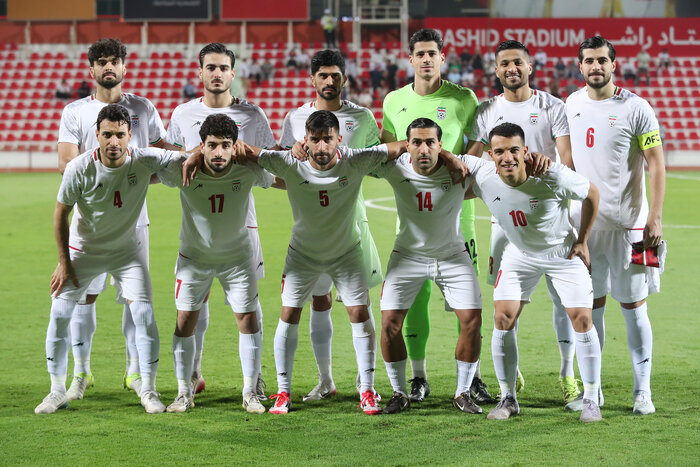
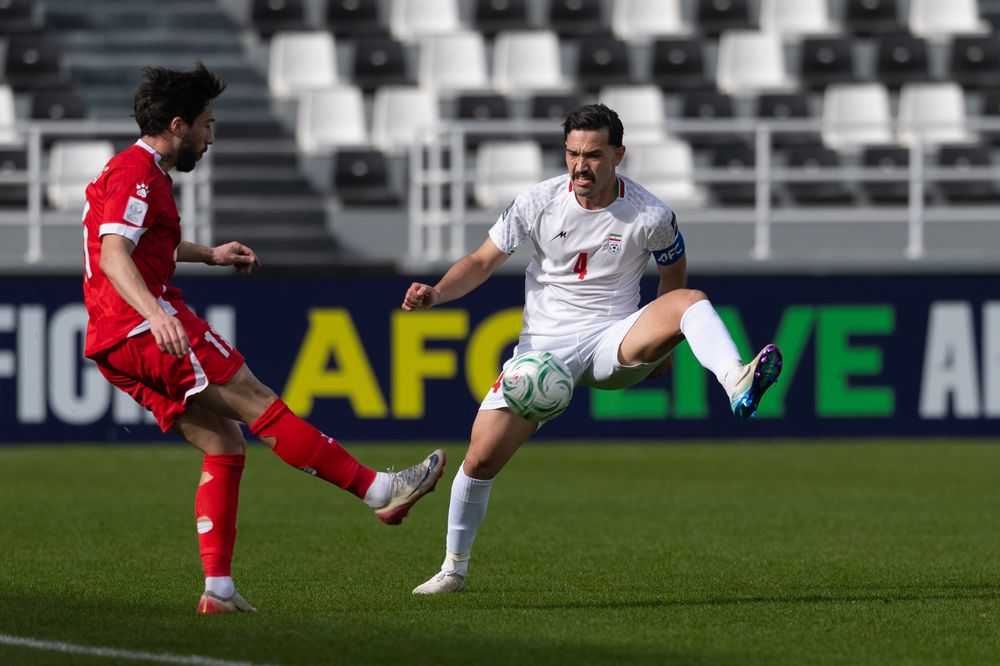
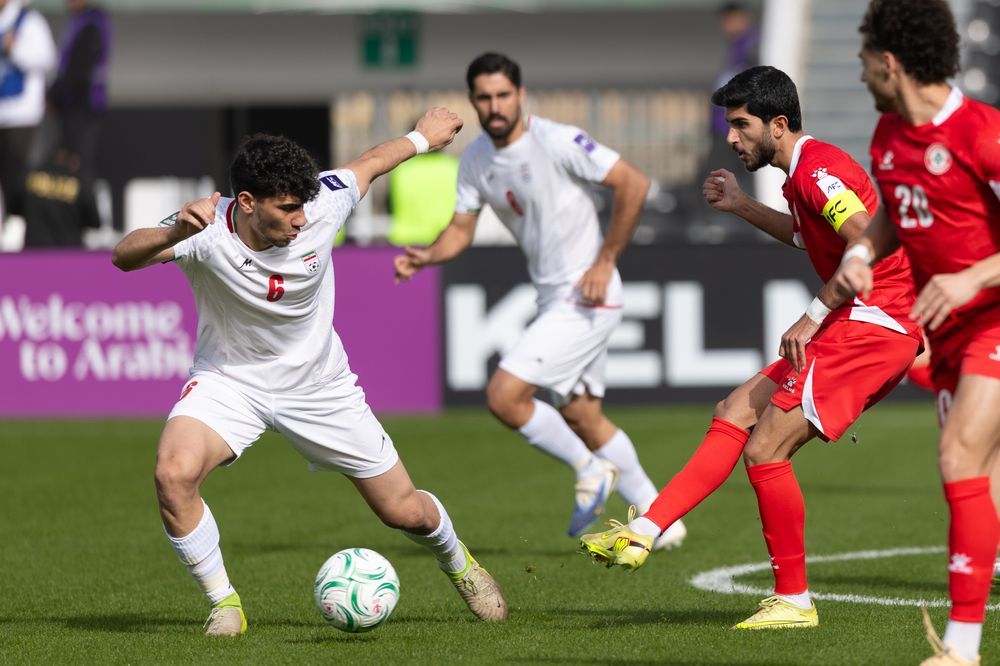
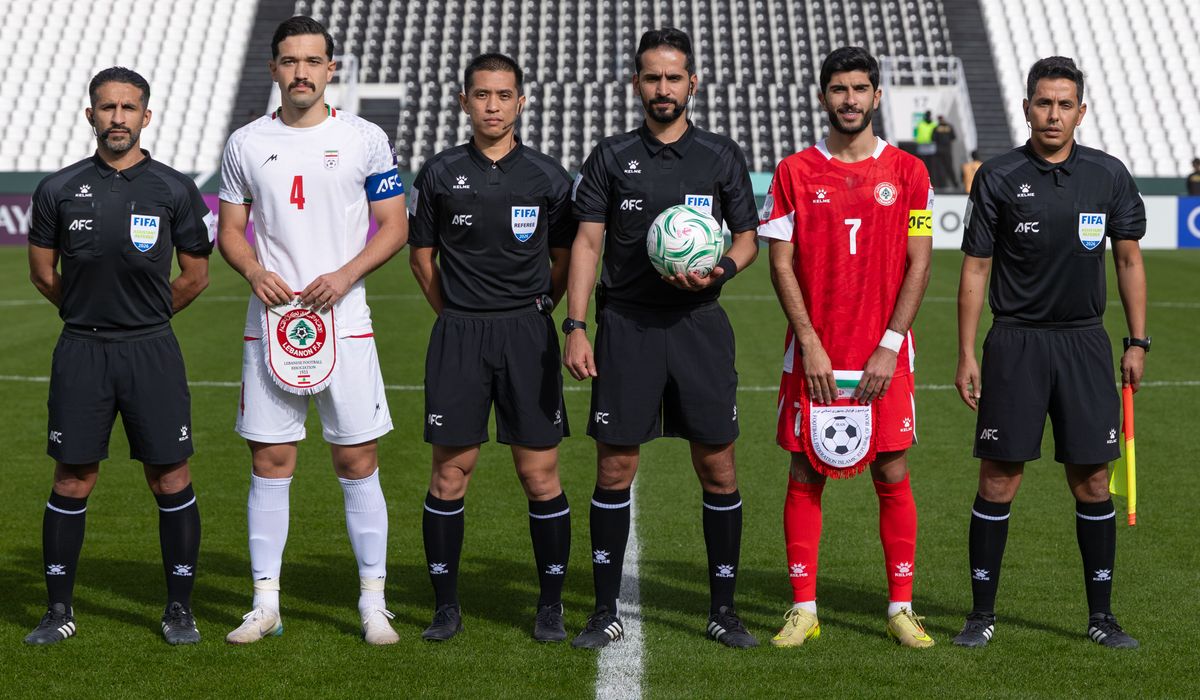
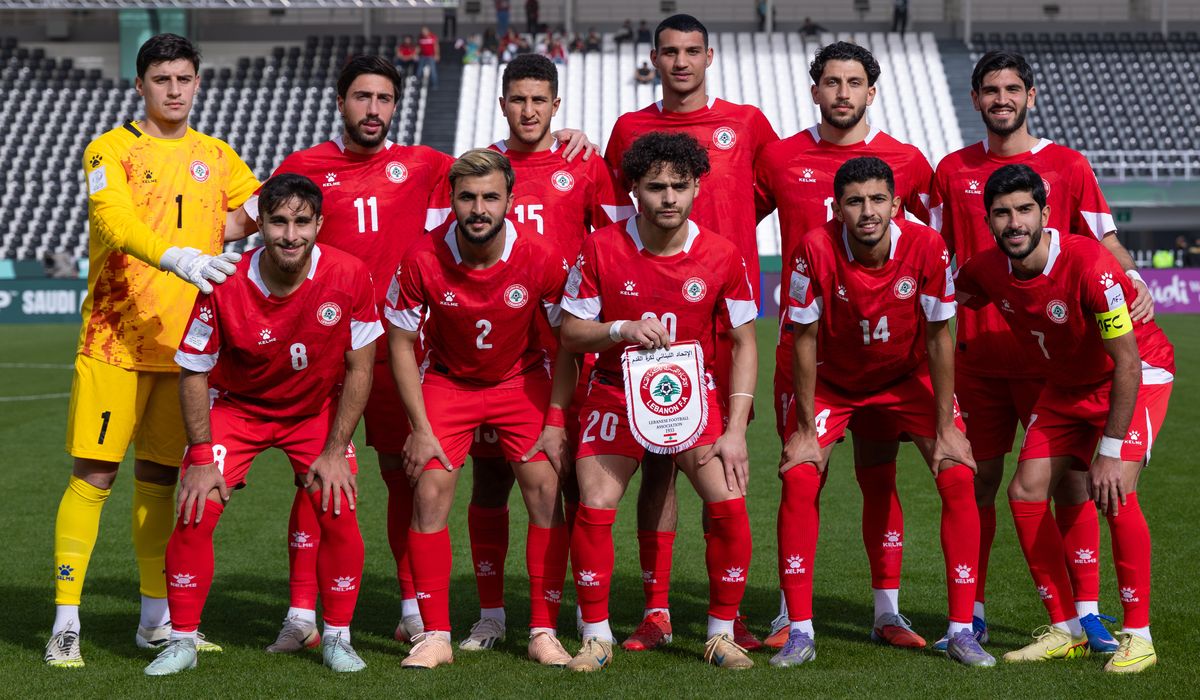
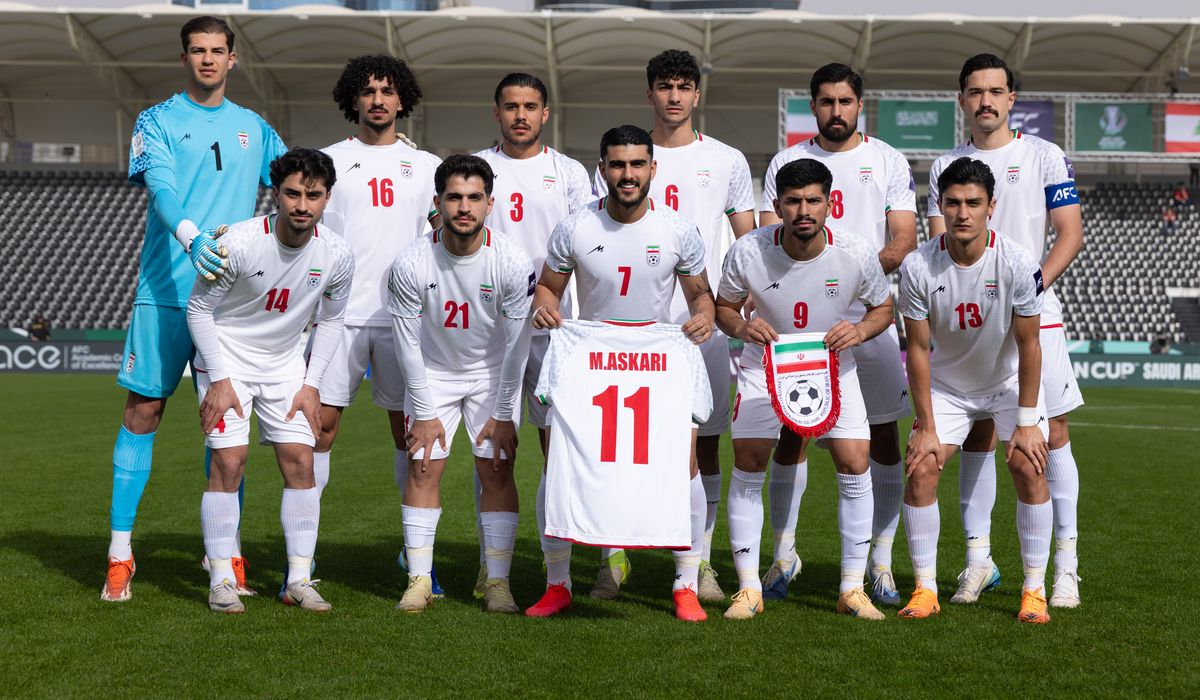
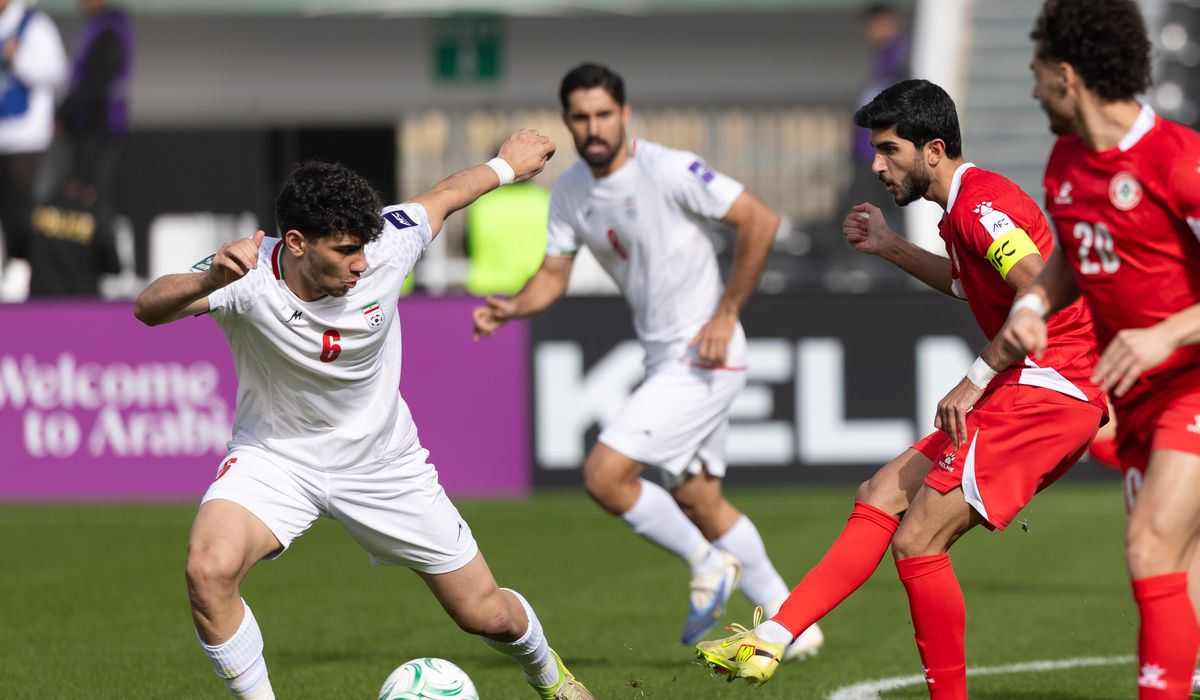
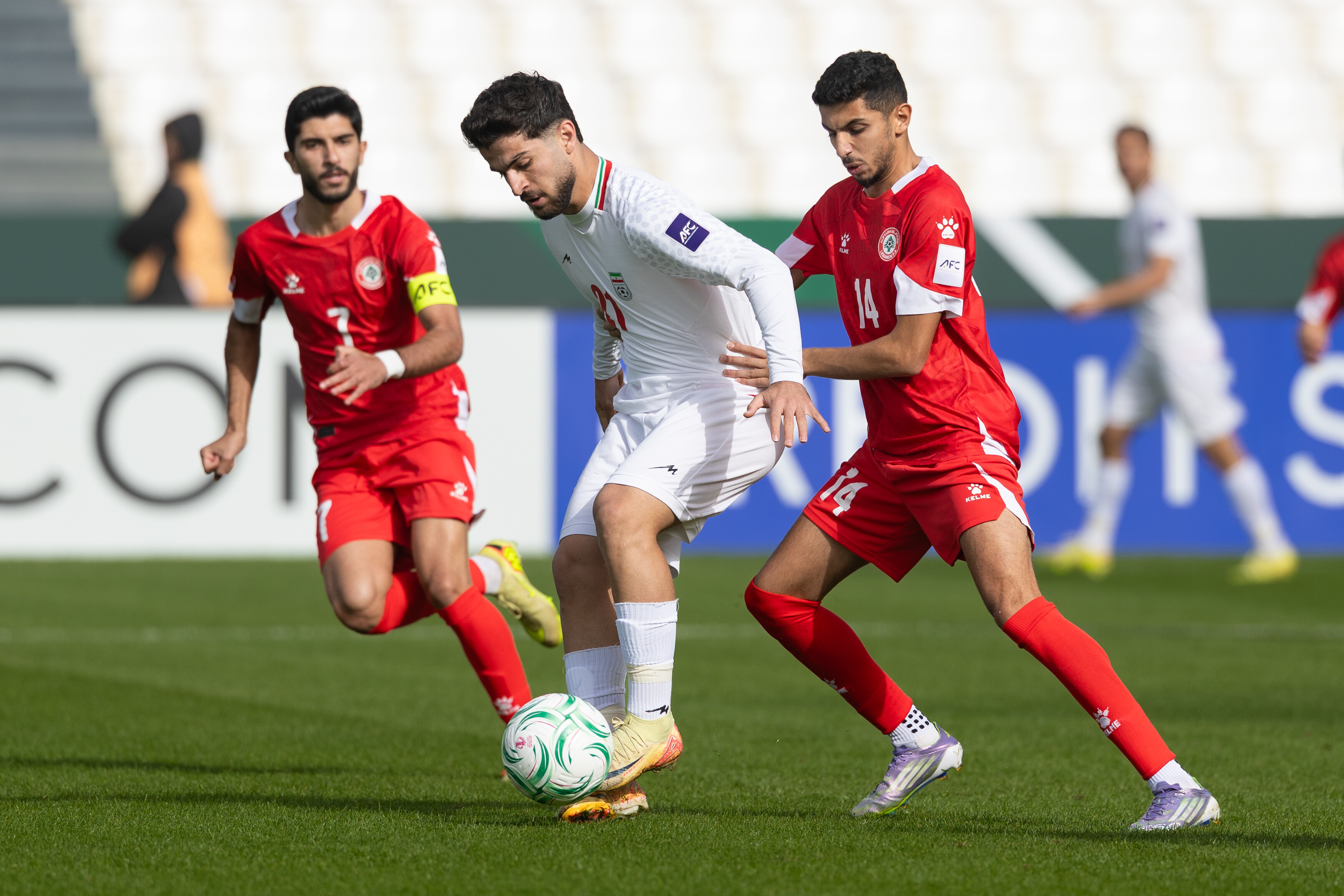
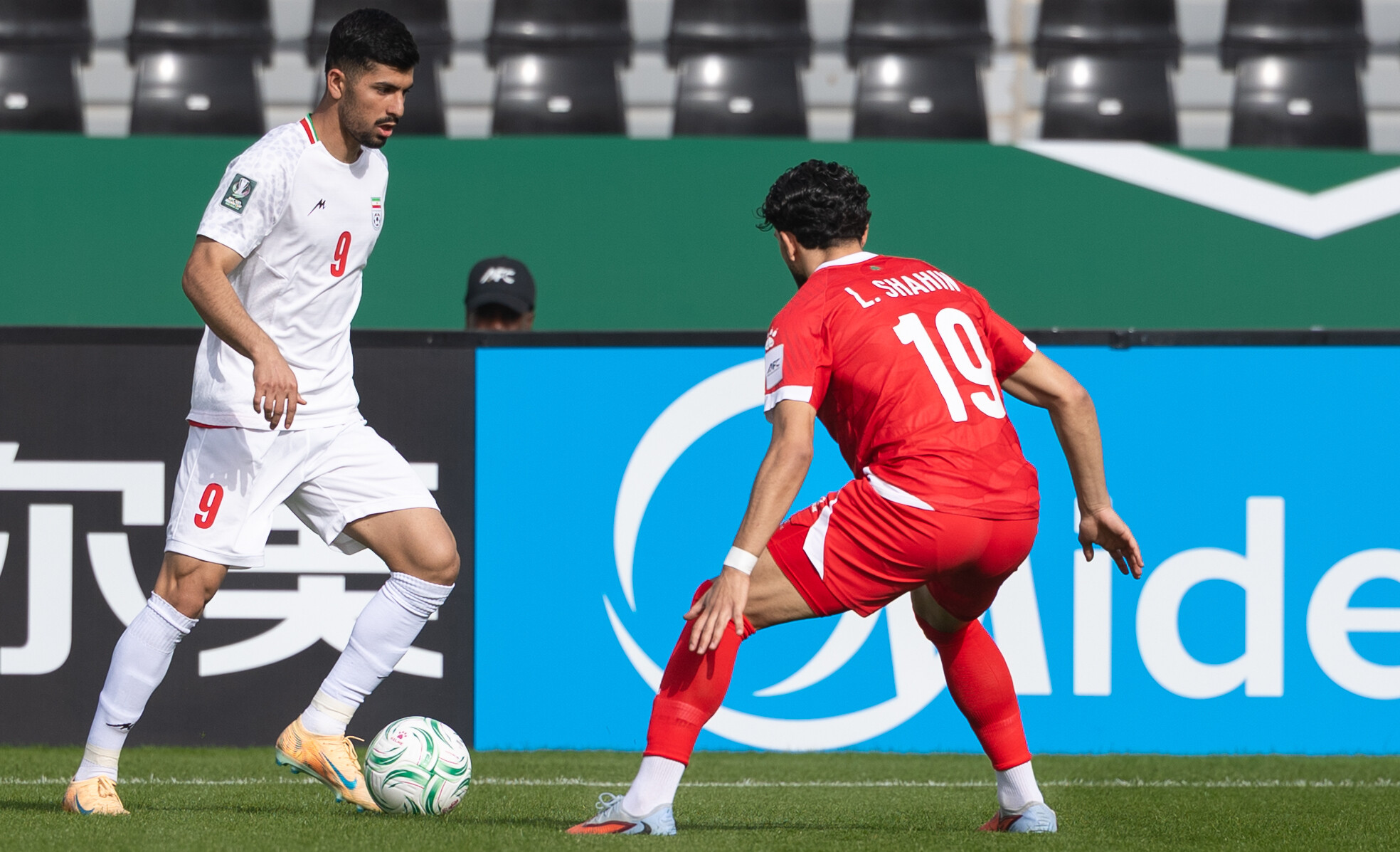
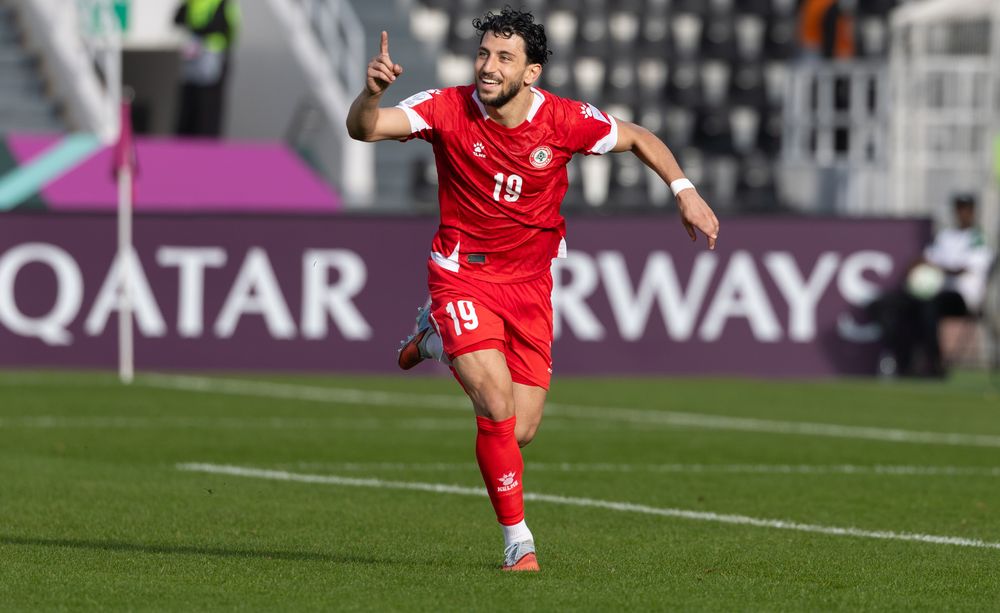
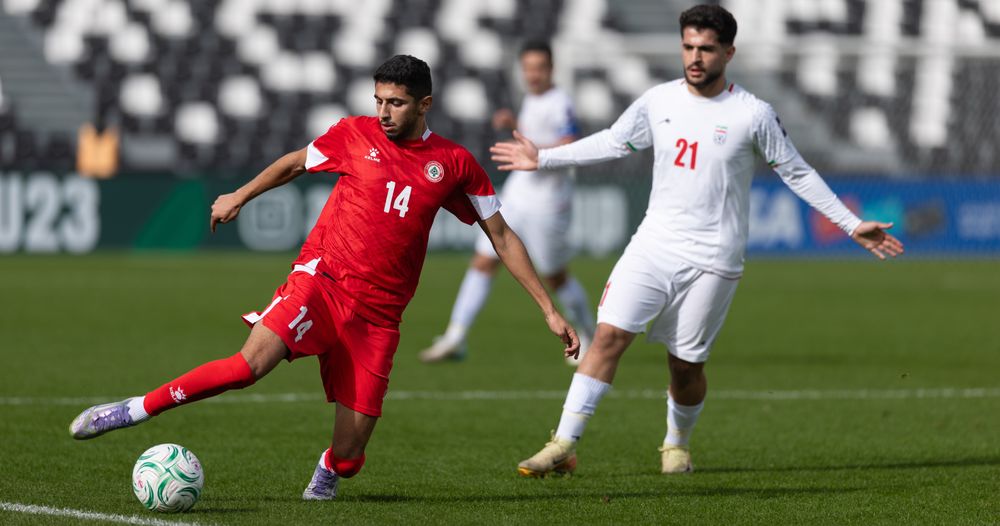
Riyadh: Leonardo Shahin scored from the spot to give Lebanon a 1-0 win over Iran in their concluding AFC U23 Asian Cup Saudi Arabia 2026™ Group C match on Tuesday.

Lebanon’s first win of their campaign dashed Iran’s hopes of making the quarter-finals as the Central Asian side finished bottom of the standings on two points, with Uzbekistan and Korea Republic advancing. 

image content

Lebanon settled first, with midfielder Ali El Fadl capitalising on an early mistake by the Iran defence but sending his attempt wide from outside the area.

Iran, however, gradually took control, with Hamidreza Zaruni curling his shot past the left post and Pouria Latififar, Yadegar Rostami and Mehdi Mahdavi all skying their efforts from distance.

image content

The West Asian side had a fair share of the action, forcing Iran keeper Mohammed Khalifeh to save from Mahmoud Zbib in the 25th minute and Mohamad Safwan’s looping shot from the left taking a deflection to land on the top of the netting.

Iran’s Farzin Moamelehgari came closest to ending the stalemate in the 38th minute when his point-blank header off a Zaruni corner crashed off the crossbar, bringing to an end a half that showed plenty of attacking intent but no goals.

Group C: IR Iran v Lebanon

Play continued at a fast pace after the break, with Lebanon breaking the goal drought after a handball by Reza Ghandipour 10 minutes in, with Shahin sending Mohammed Khalifeh the wrong way from the penalty spot for his fourth goal of the competition. 

image content

Iran almost replied in the 60th minute when MohammadHossein Sadeghi’s cracker of a shot from 18 yards crashed off the underside of the crossbar while at the other end, Mohammed Khalifeh prevented Lebanon from going further ahead with a fine save from a close-range Ali Kassas header.

Iran sent on three pairs of fresh legs in search of the equaliser, and substitute Masoud Mohebbi would have thought he had secured it in the 83rd minute only for his goal to be ruled offside.

image content

Lebanon keeper Shareef Azaki, standing in for Anthony Maasry, was kept busy in the closing minutes as Iran intensified their efforts, but poor finishing brought an end to their hopes of making the knockout stage.

MATCH STATS

Iran01Lebanon
Iran
1 Mohammad Khalifeh GK
3 A. Vosoughifard DF,
4 Danial Iri DF
6 A. Razzaghinia MF
7 Reza Ghandipour FW,
8 P. Latififar 46‎’‎ MF
9 Y. Rostami 75‎’‎MF
13 M. MahdaviDF
14 F. Jafari 72‎’‎MF
16 F. Moamelehgari DF
21 H. Zaruni 72‎’‎MF
Substitutes
15 M. Mohebi 72‎’‎Sub
17 E. Jamshidi 75‎’‎Sub
18 A. Sheikhi Rad 46‎’‎54‎’‎Sub
19 M. Goudarzi 72‎’‎Sub
23 M. Sadeghi 54‎’‎Sub
Manager-Omid Reza Ravankhah
Lebanon
1 Shareef AzakiGK
2 Ali Alrida IsmailDF
3 Jad SmairaDF
5 Mohammad SafwanDF
7 Mahmoud Zbib 31‎’‎MF
8 Ali El Fadl 90‎+‎6‎’‎MF
11 Ali Kassas 78‎’‎FW
14 Hassan Fouani 11‎ ‘‎78‎’‎MF
15 Ibrahim ChamiDF
19 Leonardo Farah Shahin 56‎’‎78‎’‎MF
20 Nour Aoude 64‎’‎MF
Substitutes
6Mohamad Ghamlouch 78‎’‎Sub
9 Hassan Bazzi 78‎’‎Sub
10 Mohamad Sadek 64‎’‎Sub
16 Khoder Kaddour 78‎’‎Sub
18 Danny Istambouli 31‎’‎68‎’‎Sub
Manager-Jamal Taha

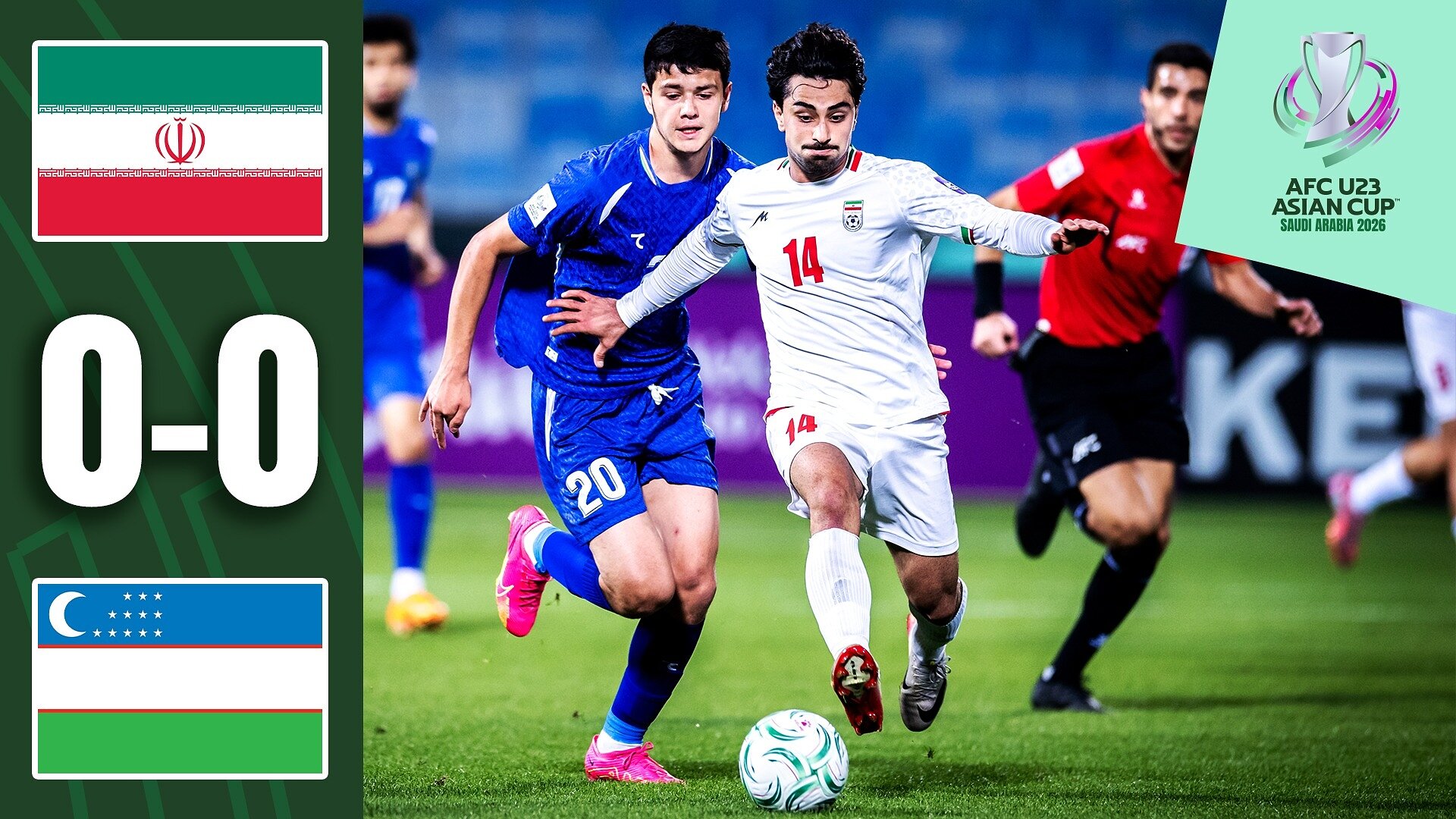
Omid Team second goal-less draw. Qualificatio is in peril.

Riyadh: Head coach Ravshan Khaydarov was happy that his Uzbekistan side were able to stand their own in an intense AFC U23 Asian Cup Saudi Arabia 2026™ Group C encounter with Iran on Saturday.

The goalless result favoured Uzbekistan – having defeated Lebanon 3-2 in their opening match – and set up a clash with leaders Korea Republic on Tuesday with both teams on four points.

#AFCU23 | Group C: IR Iran 0-0 Uzbekistan

“It was a very intense, exciting match,” said Khaydarov. “We know of Iran’s strength and how smart and confident they are from previous encounters, and we played with discipline and according to our game plan.”

image content

“Our intention was to stick to our tactics and attack, test and fight on the field,” said Khaydarov, whose side can expect another bumper ride against Korea Republic.

Iran head coach Omid Ravankhah  said he had expected to pick up three points after having settled for a goalless draw with Korea Republic in their opening match.

“We came here to win, but I’m happy our players gave their best and tried hard, and thank them for their effort and dedication.”

image content

“We couldn’t make the most of our chancess today, and so we need to be more focused during our attacks to maximise our chances,” said Ravankhah, whose side will qualify if they win against Lebanon and either Korea Republic or Uzbekistan lose in their encounter.

If the Uzbekistan-Korea Republic tie ends in a stalemate and Iran win, goal difference will decide which teams progress.