Category: News

Iran vs Gambia — International Friendly Pre‑Match Report

Iran continues its preparation phase with a friendly against the Gambia National Football Team, a rising African side known for athleticism, defensive discipline, and rapid transitions. Although not a traditional powerhouse, Gambia has become one of Africa’s most intriguing emerging teams, especially after its impressive AFCON 2021 run.

This match offers Iran a valuable test against a physically strong, counter‑attacking opponent.


Gambia: Team Overview

Gambia, nicknamed The Scorpions, has undergone a transformation in recent years under coach Tom Saintfiet, becoming tactically organized and difficult to break down. Their football identity is built on:

  • Compact defensive structure
  • Explosive wingers
  • Direct transitions
  • High physical intensity

They are ranked outside the top 100, but their performances against stronger African nations show they are far more dangerous than their ranking suggests.


Head Coach: Jonathan McKinstry (appointed in 2024).
Key Players: Omar Colley (Captain), Musa Barrow, and Yankuba Minteh (Brighton & Hove Albion).
Key Achievements: The senior men’s team famously reached the quarter-finals of the 2021 Africa Cup of Nations (AFCON) in their debut appearance.


🧠 Tactical Analysis

Gambia’s Strengths

  • Counter‑attacking threat: Their front three are extremely fast and thrive in open space.
  • Physicality: Strong in duels, especially in midfield and defense.
  • Compact defensive block: They often sit deep and frustrate opponents.
  • Set‑pieces: Tall defenders and aggressive attackers make them dangerous on corners and free kicks.

Gambia’s Weaknesses

  • Struggle in possession: They are not comfortable building from the back.
  • Limited creativity in midfield: Without space, they find it hard to break teams down.
  • Defensive lapses under pressure: When pressed high, they can make mistakes.
  • Goal-scoring inconsistency: If Barrow or Ceesay are contained, they lack secondary scoring options.
🔍 What This Means for Iran

Opportunities for Iran

  • High pressing can force turnovers — Gambia’s defenders are not great under pressure.
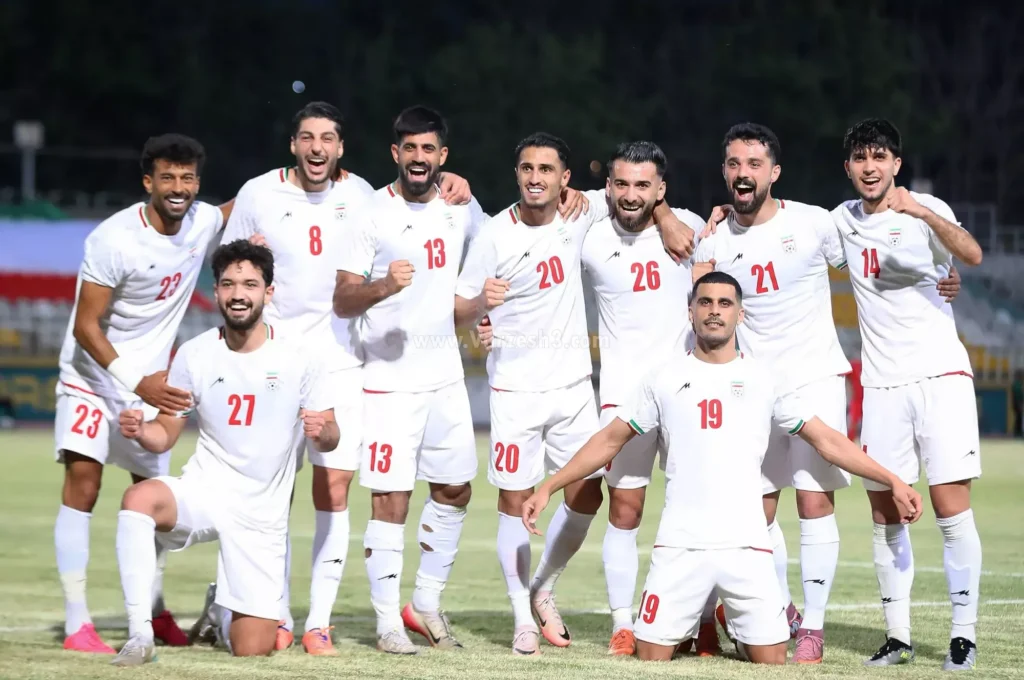
  • Iran’s technical midfielders (e.g., Ghoddos, Ghorbani, Ezatolahi) can dominate possession.
  • Full‑backs can exploit the space behind Gambia’s wingers, who often stay high.
  • Set‑pieces are a major opportunity — Gambia concedes many fouls around the box.

Challenges for Iran

  • Avoid getting caught on the counter — Gambia’s speed is elite.
  • Maintain defensive discipline — one mistake can lead to a 1v1 situation.
  • Physical duels — Iran must match their intensity, especially in midfield.

📌 Expected Match Dynamics

  • Iran will likely dominate possession.
  • Gambia will sit deep and wait for counter‑attacks.
  • The match will test Iran’s defensive transition and ability to break down a compact block.
  • A good opportunity for Iran to rotate players and test tactical variations.


📝 Final Outlook

This is a smart choice of opponent for Iran: not a big name, but a team with the exact characteristics that often trouble Asian sides — pace, power, and counter‑attacks. A strong performance will boost confidence and help evaluate squad depth.
Tijuana’s Centro Xoloitzcuintle , Team Melli’s Base Camp in Mexico

A strategic location, unique climate, and proximity to major host cities shape Team Melli’s World Cup preparations

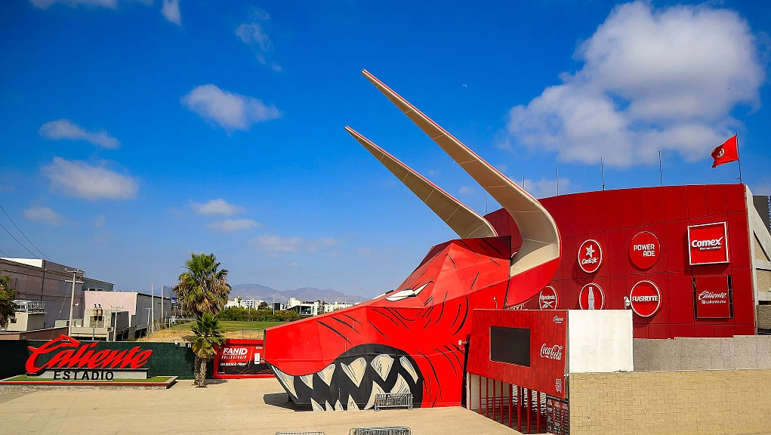
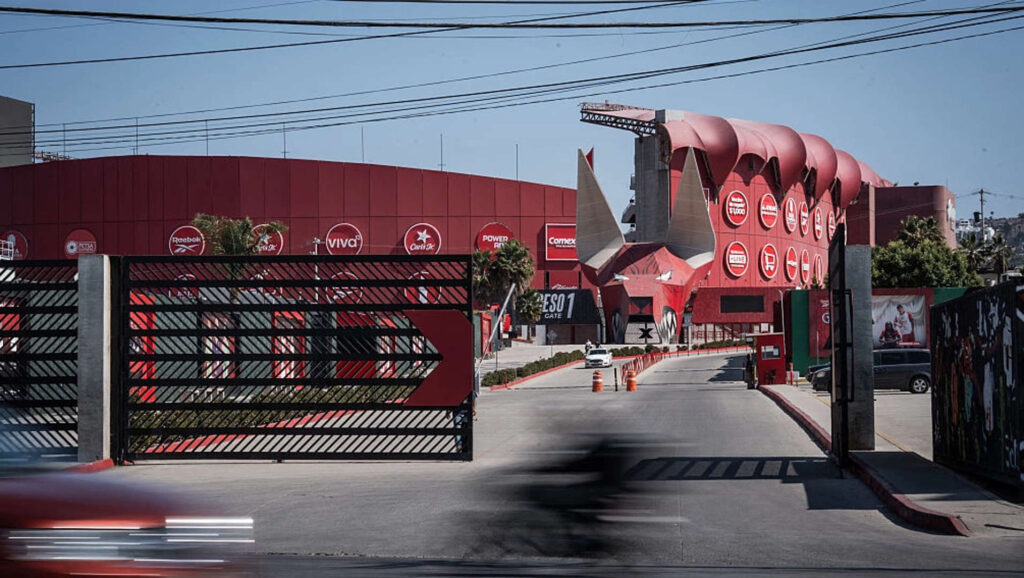
When FIFA confirmed the list of official base camps for the 2026 World Cup, one selection stood out immediately: Iran will train in Tijuana, Mexico, at the Centro Xoloitzcuintle, the private training complex of Club Tijuana Xoloitzcuintles de Caliente.
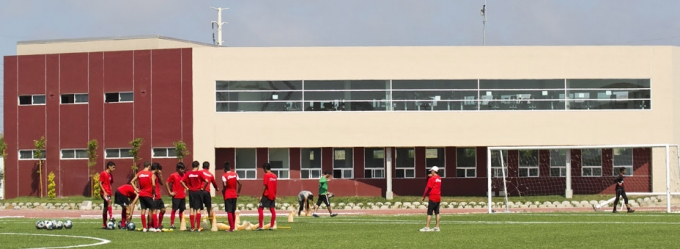
The choice surprised many observers, not because of quality, but because of the facility’s unusually low public profile. Despite being part of a major Liga MX organization, the training center has very limited public imagery, almost no architectural documentation, and sits inside a privately owned sports and entertainment complex.

Mexican President Claudia Sheinbaum has personally supported the Iranian camp. Sheinbaum said at a news conference Monday that she was told by a FIFA representative the U.S. was reluctant to have the Iranian soccer team spend time outside the games on U.S. territory.

“The United States doesn’t want the Iranian national team to stay overnight in the United States,” Sheinbaum told reporters. She said a FIFA representative had then asked, “Can they stay overnight in Mexico?”

“And we said, ‘Yes, no problem. We have no issue with that’,” she said.

Iran’s soccer team is slated to play matches in Inglewood, California, against New Zealand on June 15 and against Belgium six days later, before facing Egypt on June 26 in Seattle.


🏟️ A Private, High‑Performance Training Environment

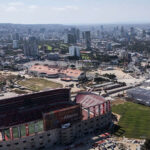
The Centro Xoloitzcuintle is located inside the Estadio Caliente / Hipódromo Agua Caliente complex, a secure, privately owned sports zone in Tijuana.
It serves as the primary training ground for Club Tijuana (Xolos), the city’s top‑flight Liga MX team.

The facility includes:

  • A FIFA‑standard natural‑grass pitch (recently converted from synthetic turf)
  • Controlled access and privacy
  • Proximity to medical, fitness, and recovery infrastructure
  • A closed environment ideal for teams requiring security and confidentiality

The privacy factor is especially relevant for Iran, a team that often prefers low‑exposure, tightly managed training environments.


🌎 Strategic Location: Close to Los Angeles and Seattle

Iran’s group‑stage matches in 2026 will require significant travel across North America.
Tijuana’s location offers a major logistical advantage:

✈️ Travel Times

  • Tijuana → Los Angeles
    Approx. 2.5 hours by road (via CBX or San Ysidro border crossing)
    Approx. 35–45 minutes by air from Tijuana International Airport (TIJ)
  • Tijuana → Seattle
    Approx. 3 hours by direct flight
    (TIJ has direct and connecting flights to Seattle‑Tacoma International Airport)

This makes Tijuana one of the closest non‑U.S. training bases to two major host cities.

Additionally, the Cross‑Border Xpress (CBX) terminal allows passengers to walk directly from Tijuana Airport into the United States, dramatically simplifying logistics.


🌤️ Climate: Mild, Coastal, and Ideal for Training

Tijuana’s climate is Mediterranean‑coastal, similar to Southern California.

Key advantages:

  • Mild temperatures in June (18–24°C)
  • Low humidity compared to U.S. East Coast venues
  • Stable weather with minimal rain
  • Cool evenings, ideal for recovery sessions

This is a significant benefit for Iran, whose players will face varying climates across the tournament—from the heat of California to the cooler Pacific Northwest.


🌍 Iranian Diaspora in Tijuana & San Diego

While Tijuana itself has a small Iranian community, the San Diego metropolitan area—just minutes across the border—has a notable Iranian diaspora, including:

  • Academics and researchers
  • Tech professionals
  • Medical specialists
  • Students at UC San Diego and SDSU

San Diego hosts Iranian cultural associations, Persian restaurants, and community groups that often support Team Melli during international tournaments.

This means Iran will have local fan support, even if modest, during its stay.


🐕 Who Plays at Estadio Caliente?

The training center is part of the infrastructure of Club Tijuana Xoloitzcuintles de Caliente, commonly known as Xolos, a well‑supported Liga MX club founded in 2007.

Xolos:

  • Play in Liga MX, Mexico’s top division
  • Have a passionate fan base
  • Are known for their distinctive red‑and‑black branding
  • Use Estadio Caliente as their home stadium

The club’s facilities—including the Centro Xoloitzcuintle—have been steadily upgraded over the past decade.


📰 Why So Few Public Images Exist

Despite being a World Cup training site, the Centro Xoloitzcuintle remains unusually undocumented.
Reasons include:

  • It is private property, not a public sports complex
  • Media access is restricted
  • The facility is inside a casino–racetrack–stadium compound
  • FIFA’s upgrades were completed quietly and without public tours
  • Security considerations for Iran may have limited exposure further

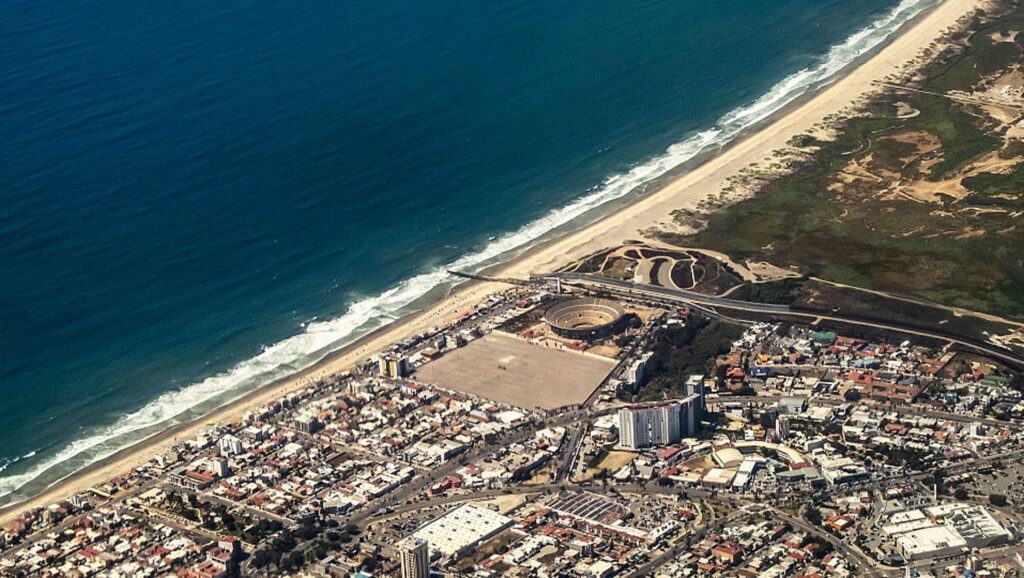
The only widely circulated image is a REUTERS drone photograph, confirming the facility’s layout and readiness.


A Quiet but Smart Choice for Iran

While not flashy or heavily promoted, the Centro Xoloitzcuintle offers Iran:

  • Privacy
  • Security
  • A mild climate
  • Proximity to major host cities
  • Access to a supportive diaspora in nearby San Diego

In many ways, it is a perfect fit for Team Melli’s preparation style—focused, controlled, and away from unnecessary distractions.


Political Tensions Force Iranian Delegation to Rethink US World Cup Trip

The escalating political situation and the ongoing hostilities between the United States and Iran have forced the Iranian official delegation to reconsider its plans to accompany Team Melli to the 2026 World Cup in the United States.

It is standard practice for all participating nations to send an official delegation alongside their national team during the World Cup. These delegations typically include officials responsible for public relations, diplomacy, player support, and promotional activities. However, this year’s tournament, hosted by a hostile adversary that has attacked the country along with Israel, has introduced unprecedented complications.

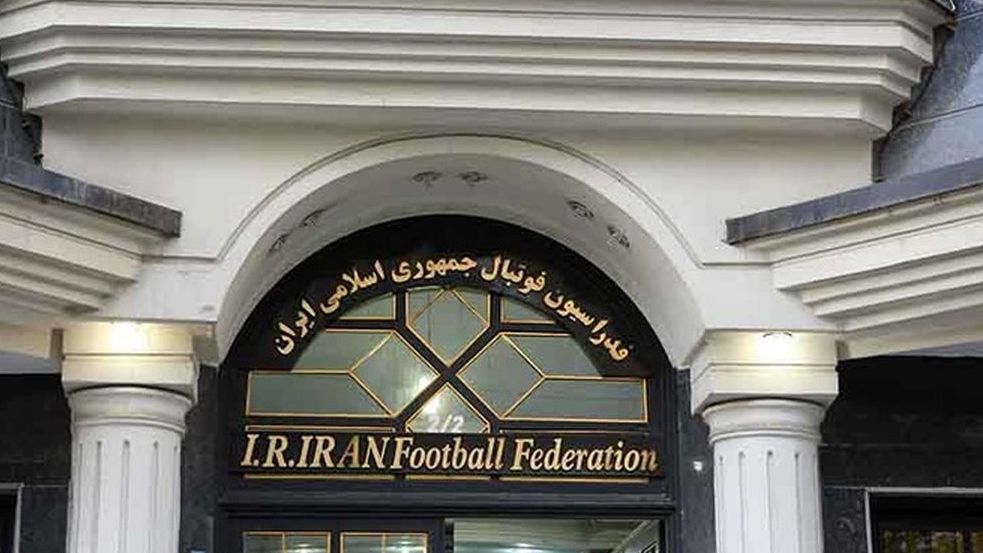
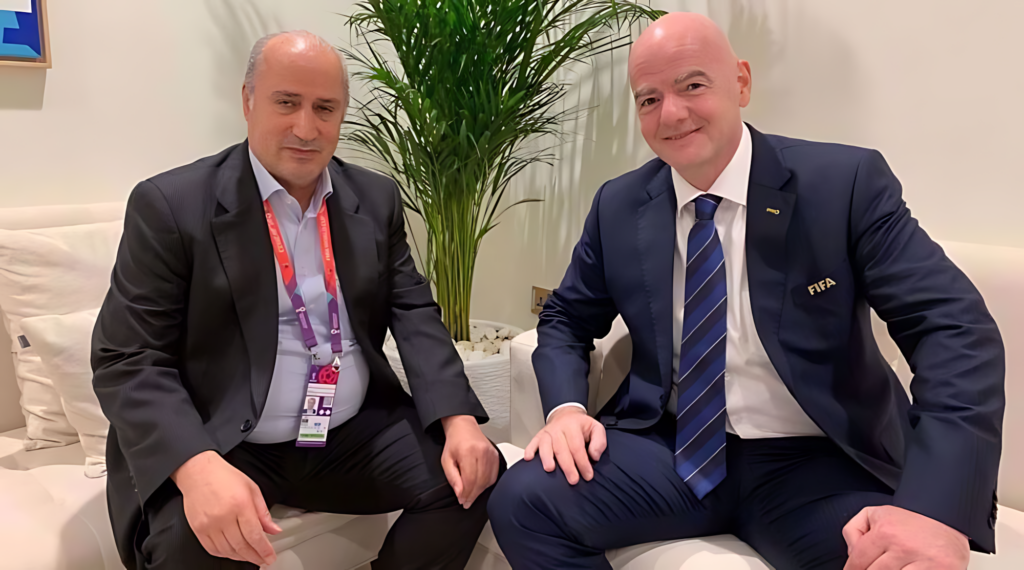
Sources suggest that the government in Tehran has actively discouraged the Football Federation Islamic Republic of Iran (FFIRI) from sending a large delegation. This caution stems in part from a recent episode involving Mehdi Taj, the head of the FFIRI, who encountered difficulties while transiting through Canada en route to the FIFA Annual Conference. That incident has reportedly heightened concerns among Iranian officials about traveling through North America.

From Tehran’s perspective, the United States remains a hostile nation capable of taking adverse actions against visiting Iranian officials. Fears range from arrests and politically motivated trials to systematic harassment at airports. Even if delegation members obtain legitimate U.S. visas, many Iranian officials believe that movement restrictions, prolonged interrogations, and public humiliation at points of entry are all but foregone conclusions.

Board Members Reluctant to Travel

As is customary, the FFIRI initially nominated several members of its Board of Directors to travel to the United States and accompany the national team during the tournament. However, it now appears that none of the board members are willing to make the trip and take risks.

To date, three board members—Ali Khatir, Heydar Baharvand, and Mohammad Rahman Salari, have officially canceled their travel plans to the United States. Six other members, Farideh Shojaei, Hojjat Karimi, Farzin Dabiri, Mohammad Esfandiarpour, Tahmoorth Heydari, and Ali Taheri, have yet to confirm their participation, and sources indicate they are unlikely to do so.

The sole exception is Mehdi Mohammad Nabi, the only board member currently present with Team Melli at their training camp in Antalya, Turkey. Serving as the national team’s manager, Nabi holds a dual role that involves direct oversight of the team’s day-to-day operations. While he remains committed to traveling to the United States, there is no guarantee he will be spared the difficulties expected to await Iranian officials on American soil.

Team’s Preparatory Schedule

Meanwhile, the national football team is continuing its preparations abroad. After completing their current phase of training in Turkey, Team Melli will travel to Mexico for the third stage of their pre-World Cup camp, based in Tijuana. From there, the squad is scheduled to fly directly to the United States for the tournament matches.

As the clock ticks down to kickoff, the absence of a full official delegation could impact not only logistical coordination but also Iran’s diplomatic and public relations presence at the world’s most-watched sporting event.

Iran’s FFIRI Provides Updates on Visa Process and Pre-World Cup Preparations

Hedayat Mombini, Secretary General of the Football Federation, addressed several key issues regarding Team Melli’s preparations for the upcoming World Cup in an interview on Sunday.

Referring to the visa process for national team players, Mombini explained: “Since our training camp is based in Mexico, we will be issued multiple-entry visas. This matter is currently being coordinated with the tournament’s organizing committee and the U.S. State Department. As we are scheduled to play three matches in the United States, we will need to enter U.S. territory on three separate occasions.”

He further clarified that visa issuance does not precede the finalization of the player list: “There is no procedure where visas are issued first and then we adjust the squad accordingly. The U.S. authorities are awaiting our official roster, and visas will most likely be issued after that. Through our ongoing correspondence with FIFA, consultations are underway to ensure no complications arise. However, we cannot speak with 100 percent certainty just yet.”

Regarding the team’s friendly match schedule, Mombini noted: “The match against Puerto Rico has already been confirmed. Originally, our agreement was to hold it in Tucson, Arizona, but since we will no longer be traveling there, we are now in discussions to relocate the game to Tijuana, Mexico.”

On the subject of the final squad announcement for the World Cup, the Secretary General stated: “According to the tournament protocol, our head coach’s final list, comprising 26 players, must be submitted by June 1st. There will be no changes to the technical staff. The player list already submitted to FIFA will be the basis for visa issuance through FIFA.”

Team Melli changes the American-based camp to Mexico.

The Iranian national team will move its World Cup base camp to Mexico, according to a statement from Iran’s soccer federation president, Medhi Taj. The shift in location comes amid the ongoing war with the U.S. and related security concerns.

Iran was slated to train at the Kino Sports Complex in Tucson, Ariz., a location they decided on in mid-February before the regional conflict began; however, the country will now train out of Tijuana, a Mexican border city that is less than an hour flight to Los Angeles, where Iran will play its first Group G matches against New Zealand on June 15 and Belgium on June 21.

Tijuana is of similar distance to Seattle as Tucson would have been, with Seattle Stadium the final site of group play for Iran, facing off against Egypt on June 26.

“All team base camps for the countries participating in the World Cup must be approved by FIFA,” Taj said.

“Fortunately, following the requests we submitted and the meetings we held with FIFA and World Cup officials in Istanbul, as well as the webinar meeting we had on Friday in Tehran with the respected FIFA secretary general [Mattias Grafström], our request to change the team’s base from the United States to Mexico was approved,” he added, although FIFA has yet to confirm the move publicly.

“We will be based in the Tijuana camp, which is near the Pacific Ocean and on the border between Mexico and the United States, but within Mexican territory. The contract will be finalized, and there are no issues, as it has already been approved by FIFA.”

The question and capacity of Iran’s participation in the World Cup has loomed since late February, when World Cup co-host U.S. first launched its aggression, killing over 100 students in a girls’ school in Minab.

Directly after the initial airstrikes, Iran put their World Cup participation in question. “What is certain is that after this attack, we cannot be expected to look forward to the World Cup with hope,” Taj told the Iranian sports outlet Varzesh3.

Iran was then the only country not present the following week for FIFA’s three-day event in Atlanta to review the logistics of the tournament, an absence which saw U.S. President Donald Trump fuel the fire, stating: “I really don’t care [if Iran participates]. I think Iran is a very badly defeated country. They’re running on fumes.”

While Iran backtracked on some statements regarding the World Cup boycot and with much convincing by FIFA and Gianni Infantino in person, it was finally confirmed that Iran will compete at the 2026 edition. Nevertheless, Iran did try to move its World Cup matches to Mexico following what many interpreted as a veiled threat from Donald Trump to the Iranian delegation. In a pointed remark, the U.S. president declared that while Iran “is welcome to the World Cup, [he] doesn’t really believe it is appropriate that they be there, for their own life and safety”, a statement in which he made clear that the U.S. government cannot guarantee the safety of Iran’s squad on American soil.

Iran’s request to move its games to Mexico was a logistical undertaking that FIFA President Gianni Infantino outright denied; however, it seems the country and global organization reached some sort of compromise by having the Mexican training base, enabling Iran to fly to and from the U.S. only for matches.

Parviz Ghelichkhani: The Undisputed King of Asian Football Passes Away at 81

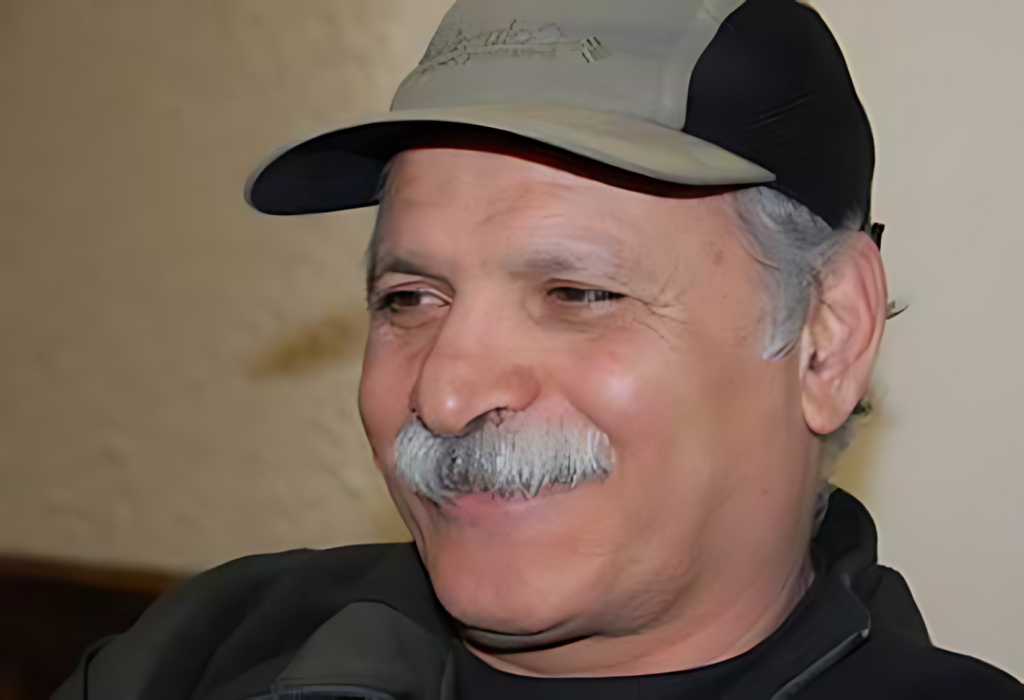
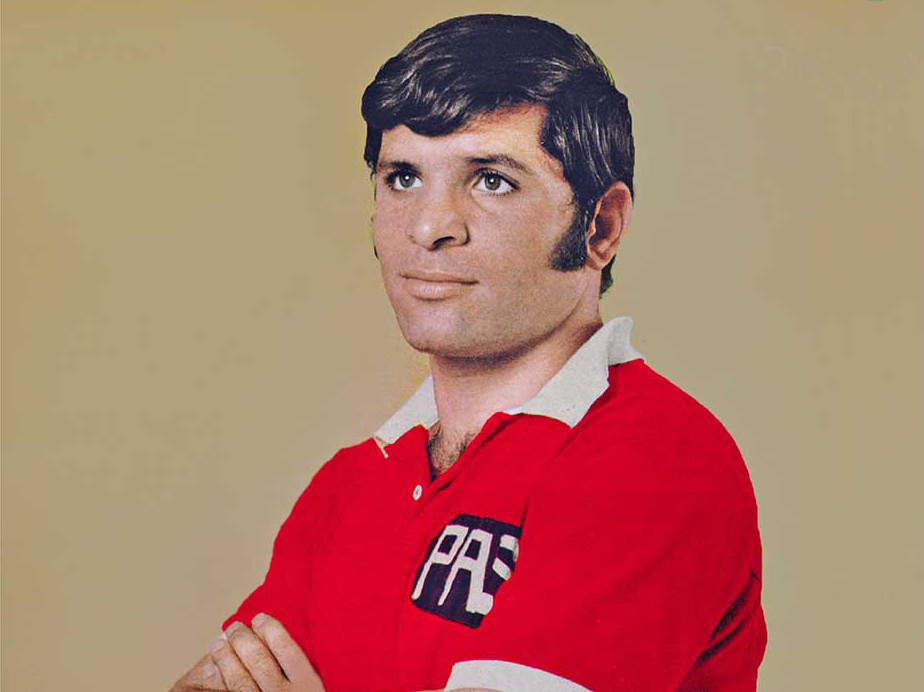
Paris, France – Parviz Ghelichkhani, widely regarded as the greatest and most decorated footballer in Iranian history, has passed away at the age of 81 following a long and courageous battle with illness. He died peacefully in Paris, where he had lived in exile for over four decades.

Ghelichkhani’s life was one of dramatic contrasts: on the pitch, he was a genius of effortless grace and tactical intelligence; off it, he was a defiant political activist, a vocal critic of the Islamic Republic, and a man who paid dearly for his convictions.

A Life in Exile and Activism

Following the Iranian Revolution in 1979, Ghelichkhani chose a path of dissent over silence. He went into self-imposed exile in France, never to return to his homeland. Unlike many of his sporting peers who accommodated the new regime, Ghelichkhani became a sharp and relentless critic of the clergy-led government. For most of his adult life, he published a left-wing Persian-language publication that fearlessly condemned human rights abuses, political corruption, and the suppression of dissent in Iran. His writing made him a target of the regime’s ire, but he remained undeterred, seeing his political voice as a natural extension of his lifelong fight against injustice—a fight he began long before his boots were hung up.

A Footballing Genius Without Equal

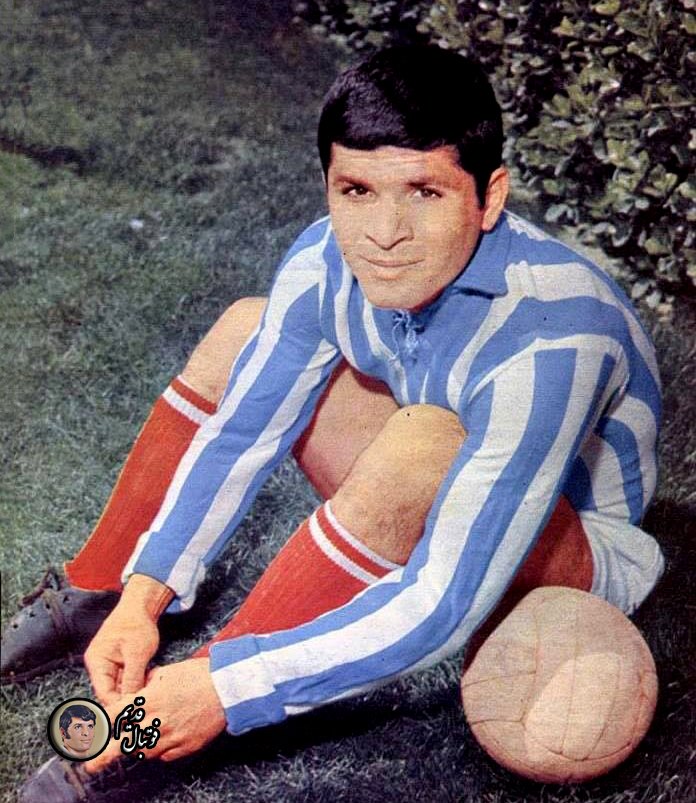
On the football front, Ghelichkhani’s legacy is staggering. A remarkably versatile player, he could operate seamlessly in any outfield position—starting as a forward, later dominating as a midfielder, and even excelling as a libero (sweeper) in the twilight of his career. His technical skill, vision, and unmatched dribbling ability earned him the nickname “The Wizard of Tehran.”

His list of records remains the stuff of legend:

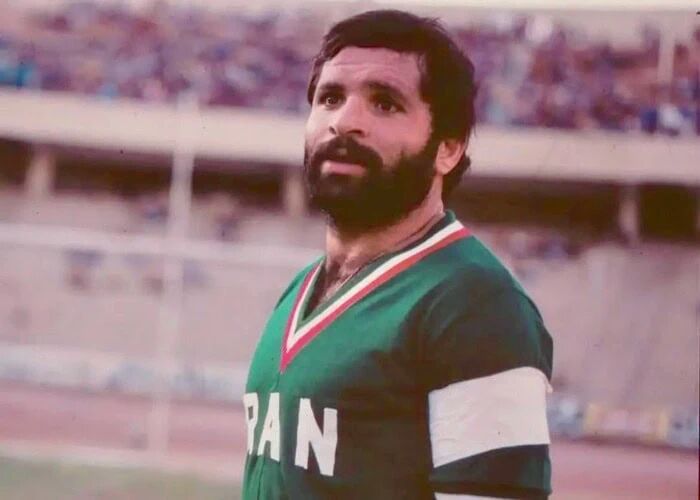
  • Three Consecutive Asian Cups (1968, 1972, 1976): Ghelichkhani remains the only player in the history of Asian football to lift the AFC Asian Cup on three successive occasions. Even more astonishing, he never lost a single match in the tournament across those three campaigns—a record of invincibility that still stands today.
  • Club Dominance: With Taj SC (now Esteghlal Tehran), he won multiple Iranian league titles and the prestigious Asian Club Championship (now the AFC Champions League) in 1970.
  • Individual Honors: He was named Iran’s Footballer of the Year multiple times and was a permanent fixture in the Asian All-Star team throughout the 1970s.
  • Three Olympic Games appearances, the first one when he was 16 years old in Tokyo, then in the Munich Olympic Games 1972, and finally in 1976 in the Montreal Olympic Games.

The Cruelest Cut: The 1978 World Cup

Perhaps the most painful chapter of his career came in 1978, on the eve of Iran’s historic first-ever World Cup appearance in Argentina. Ghelichkhani, then at the peak of his intellectual and physical powers, was brutally expelled from the national team. The official reason cited “indiscipline,” but it was an open secret that his leftist political leanings and outspoken nature had made him persona non grata to the regime of the Shah (which, ironically, he also opposed). The Iranian football federation, pressured by SAVAK (the Shah’s secret police), dropped him from the squad. To this day, many historians and fans call it one of the greatest injustices in football history—denying the world a chance to see Iran’s finest player on its grandest stage.

Historical Context and Legacy

Ghelichkhani was born in 1945 in Tehran during a period of Allied occupation. He came of age during the nationalist oil nationalization movement of Mohammad Mossadegh and later lived through the authoritarian rule of the Shah. His political awakening occurred on university campuses, long before his exile, making him a rare figure: a world-class athlete who was also an intellectual and revolutionary thinker.

His decision to remain in France after 1979, rather than reconcile with Ayatollah Khomeini’s government, cost him his property, his pension, and a hero’s welcome in Iran. For decades, his name was erased from state media and football history books. Only in recent years, with the rise of social media and a younger generation curious about pre-revolutionary Iran, has his legacy been publicly reclaimed.

Final Whistle

Parviz Ghelichkhani is survived by his children and grandchildren in Europe. His passing closes the final chapter of a golden era of Iranian football—a time when artistry and bravery defined the game.

Though he died far from the land of his birth, his spirit never left. He once said in an interview from his Paris apartment, “I played for the people of Iran, not for any flag or regime. They are my only medals.”

May God bless his soul. May his name no longer be erased, but celebrated as the true legend it always was.

Rest in peace, Parviz Ghelichkhani (1945–2026).

Team Melli camp news.

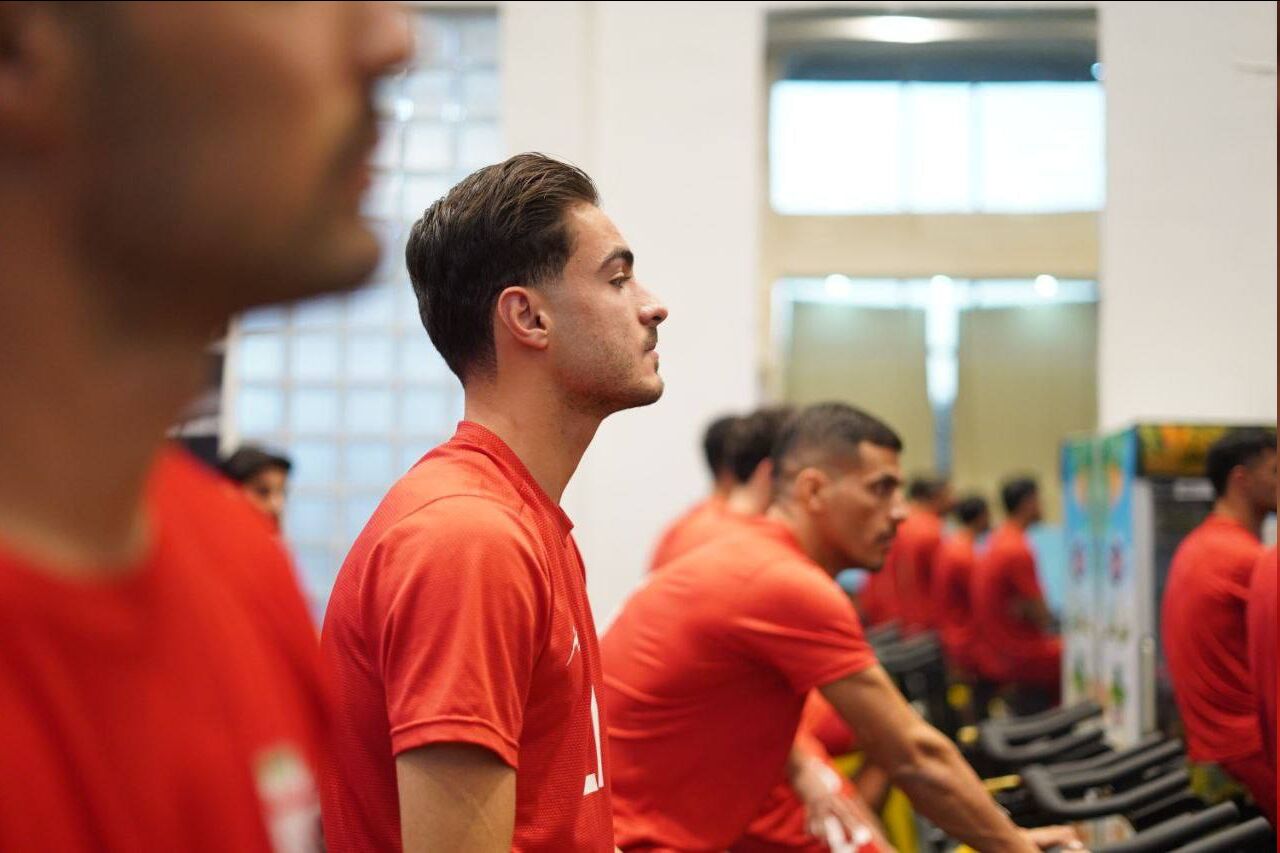
  • Team Melli’s legionnaire players are expected to join the training camp by the end of the week, with travel arrangements already completed.
  • Team officials will travel to Ankara for visa appointments at the U.S. and Canadian embassies.
  • Around half of the World Cup teams are still dealing with visa procedures, and Iranian officials expect the visas to be issued within the next 10 days.
  • The federation has contingency plans in place in case any player’s visa is delayed or denied.
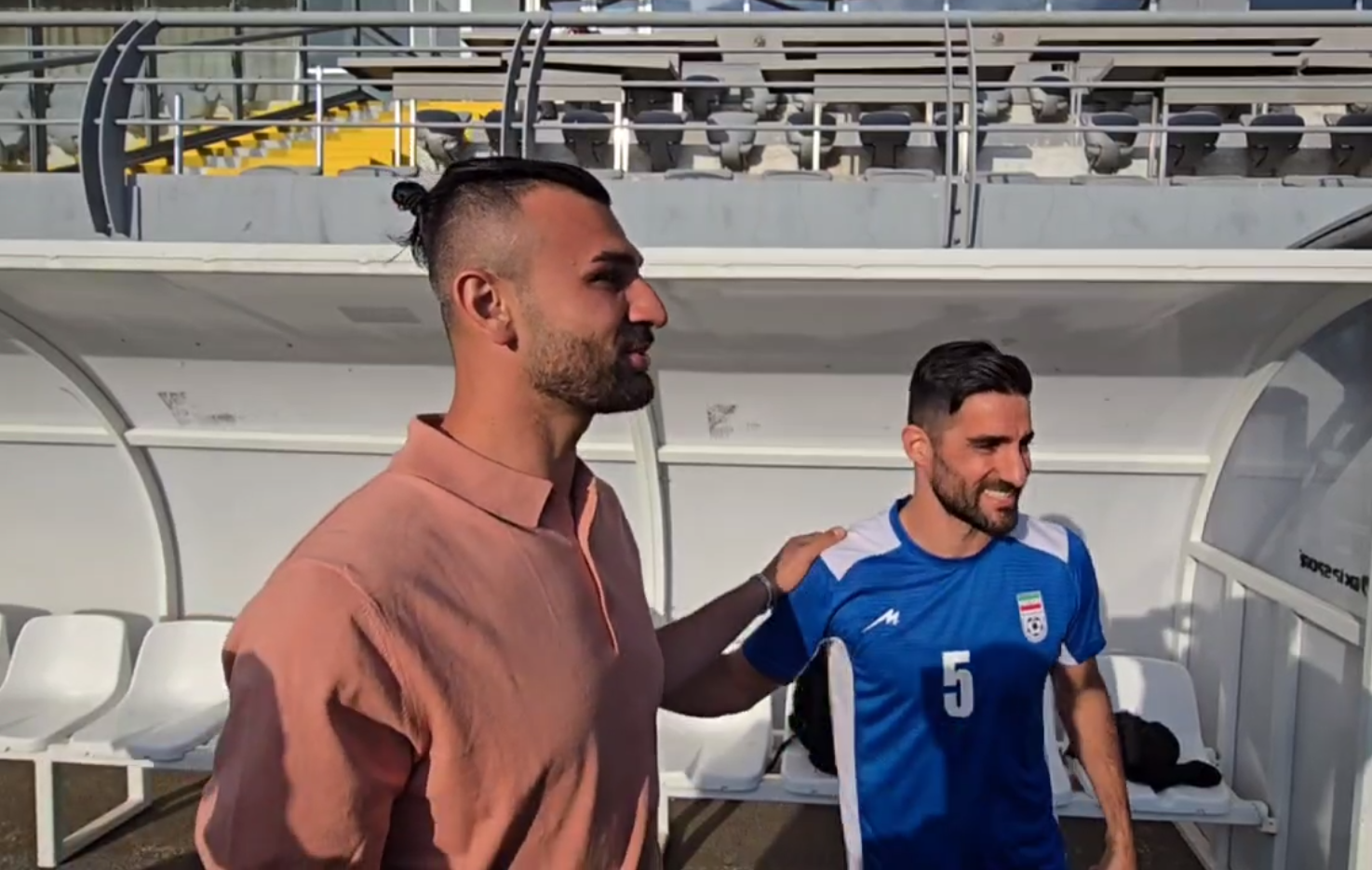
  • Sardar has turned up in the Team Melli camp. It was not the original Azmoun but Serdar Dursun, the German-Turkish player who played for Persepolis in 2025/26 season. He was a guest in the camp and closely watched some of his teammates in action.
  • Dennis Dargahi’s documents have been submitted to FIFA, and he has been invited to join the national team’s 30-man training camp. No confirmation yet to wheter FIFA has cleared the German-born player to play for Iran.
  • Iran has finalized a friendly match against Gambia during the Turkey training camp and is also meeting Mali, another African opponent. before the conclusion of the training camp in Antalya
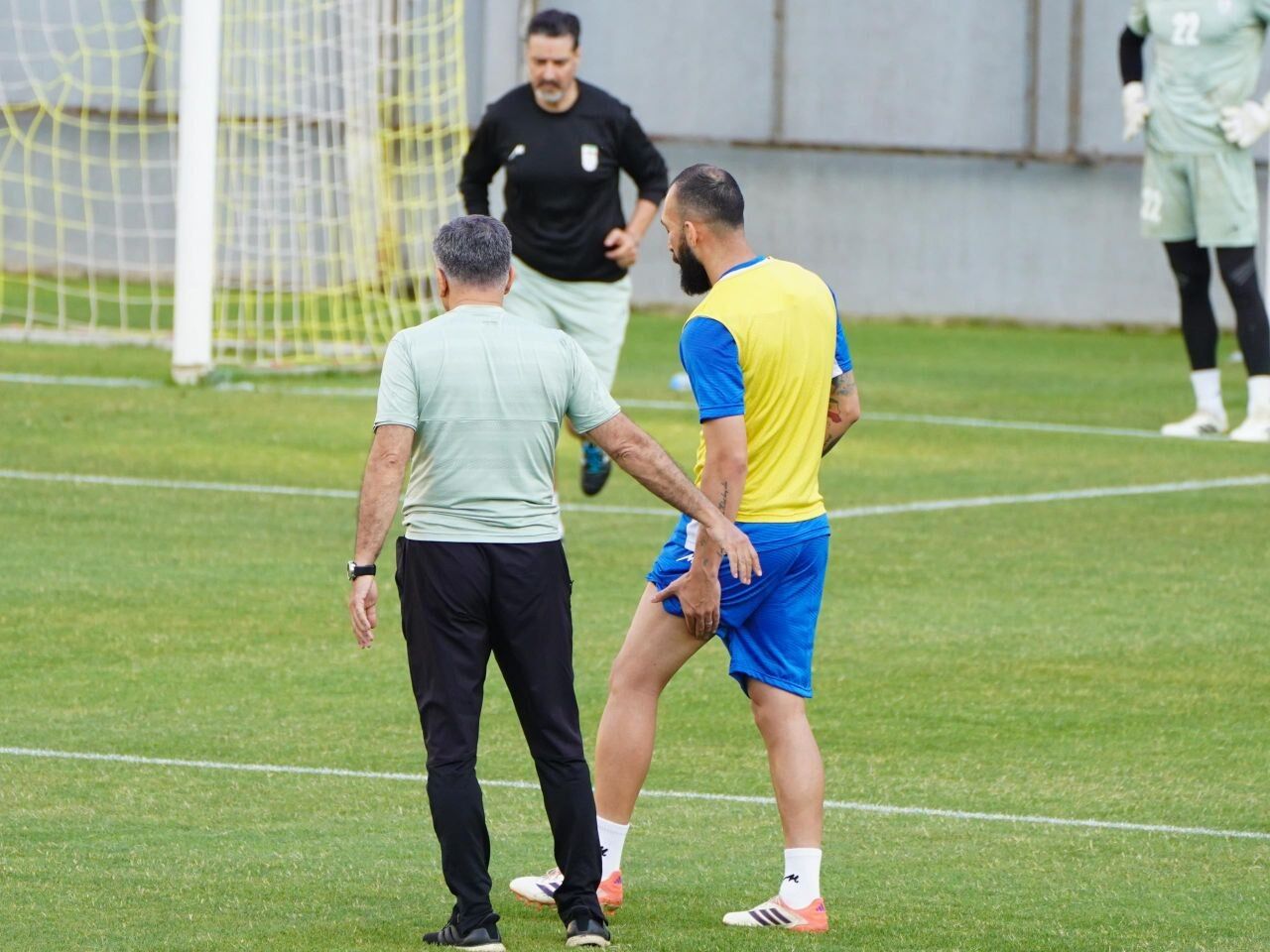
  • Milad Mohammadi’s recovery is progressing well, and he is expected to return to training within days. Mohammadi was injured during training.
  • Amir Ghalenoei has decided to add Shariyar Moghanlou to the Team Melli camp.
  • Team Melli as technically strong and highly motivated, according to Mohammad Nabi.

. Rouzbeh Cheshmi has been undergoing treatment at the camp. What was initially thought to be a slight knoch is now turned into a concern that the medical staff is handling. His hamstring injury forced the medical staff to refer him to a special clinic in Turkeu. Chasmis is fighting against time for full recovery before the final roster is announced.

A Few Words from the Heart: Message from Sardar Azmoun.


Salam

I want to say a few words—truly from the bottom of my heart—about things that many people may not fully know, or about which they may have rushed to judge me because of misunderstandings and distance from the truth.

I still remember it like yesterday. Years ago, when I was only 17 years old—before I was even invited to Team Melli by Mr. Queiroz—I received a massive financial offer from another country. But my answer never changed. I said, “I am a son of Iran, and I will only play for the people of my homeland. I want to make them happy.” The very first time I pulled that white shirt over my chest, I made a silent promise to myself: every single time I play for Iran, I will run, fight, and give everything I have to bring joy to the people who love football with pure hearts—especially the children growing up in the remotest villages and the most forgotten corners of our land. I want their smiles to come from our victories.

I never once stepped onto that pitch without pride. When we won together, I felt like the luckiest man alive, proud of every one of my teammates. And when we lost? I was the saddest person in the world—just like every single fan who cried with us. Because I love this game, yes, but more than that, I love the good, loyal, and beautiful people of Iran. They have always given me energy. Their love and unwavering support have carried me through my darkest days.

Many of you already know some of the small things I have tried to do over the years—reserving every hotel in Gonbad to keep our people safe during those twelve terrible days of conflict, bringing clean drinking water to remote villages in Golestan, and supporting the women athletes of our country in volleyball, basketball, and cycling. These are not favors. These are drops from an ocean of love I hold inside me for Iran and every Iranian. And to this day, I have never—not once—held back any effort to help my fellow countrymen.

Wherever I go in this world, wherever I play football, my identity does not change. My heart beats only for Iran. My pride belongs to Iran. I am a footballer, yes. I love football with every fiber of my being. But everything I have ever achieved, everything, comes first from the grace of God, and then from the sweat, the sacrifice, and the endless love of my dear people. For that love, I will remain grateful until my last breath.

I wish success, glory, and pride to my national team, to every player, every coach, and especially to Amir Khan in the World Cup. God willing, my brothers, you will go out there and fight. You will make the hearts of the Iranian people swell with joy. I will be watching, and I will be cheering louder than anyone.

With all my soul,
— Sardar Azmoun


Iran to face Mali in Antaliya

Reports from Mali’s football federation confirm that the Mali national football team is set to face Iran’s Team Melli on 4th June in a friendly match hosted in Antalya, Turkey. The fixture is part of both teams’ preparations for upcoming international competitions, with Iran focusing intently on building momentum ahead of the FIFA World Cup 2026.

Team Melli has already established a training camp in Antalya, where a squad of 30 players is currently undergoing intensive drills, tactical sessions, and fitness assessments. The camp reflects the coaching staff’s commitment to evaluating a broader pool of talent while fostering team cohesion. As part of their warm-up schedule, Iran is also scheduled to play the Gambia national football team in another friendly encounter, offering a valuable opportunity to test strategies against varied styles of African football.

The Iranian Football Federation has hinted that a second friendly match, also against an unnamed African opponent, is expected to be finalized shortly. While officials have remained tight-lipped about the potential rival, sources suggest the move is aimed at exposing Team Melli to physical, agile opposition similar to what they may encounter in the World Cup group stage. These back-to-back fixtures against African nations underline Iran’s strategic approach to diversifying their preparatory matches and sharpening their competitive edge on the road to 2026.

Iran will be facing Egypt in the World Cup.

Review of Iran’s training camp in Arizona.

Team Melli’s camp in the United States will be based in Tuscon , Arizona. While the reasons behind the selection of this site is unclear, it is nevertheless a fully equipped training center with a football stadium, a baseball field, and many training facilities.

Kino Sports Complex is the largest sports and entertainment venue in Southern Arizona.

The complex plays host to numerous sports, entertainment, cultural and business events every year. Professional sports teams like FC Tucson Soccer Club call Kino Sports Complex home. Major League Soccer has made the Complex its preseason training home as well as the site of the annual Desert Diamond Cup tournament.

Visiting international sports teams from Mexico, Korea, and now, Iran , also use the Kino Sports Complex for off-season training and preseason games. Cultural and entertainment events like the annual Gem and Mineral Show and KFMA Day concert all call Kino Sports Complex home. Numerous youth and amateur sports leagues also use the facility throughout the year.

Originally built as a home for Major League Baseball Spring Training, Pima County has invested millions of dollars since to 2012 to transform Kino Sports Complex into a premier multi-use complex suitable for a variety of professional and amateur sports and cultural events.