Tag: Mehdi Taremi

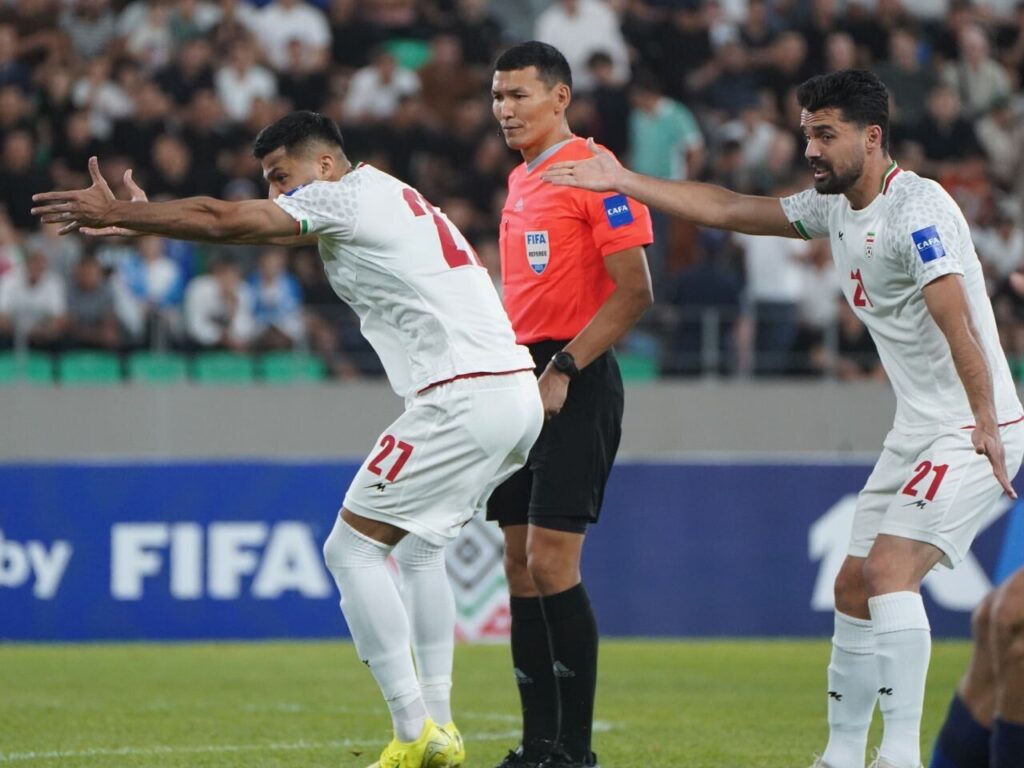
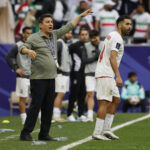
Ghalenoei and Ghoddos on touchline

Taremi's Unauthorized Penalty Decision Sparks crises in Team Melli dressing room.

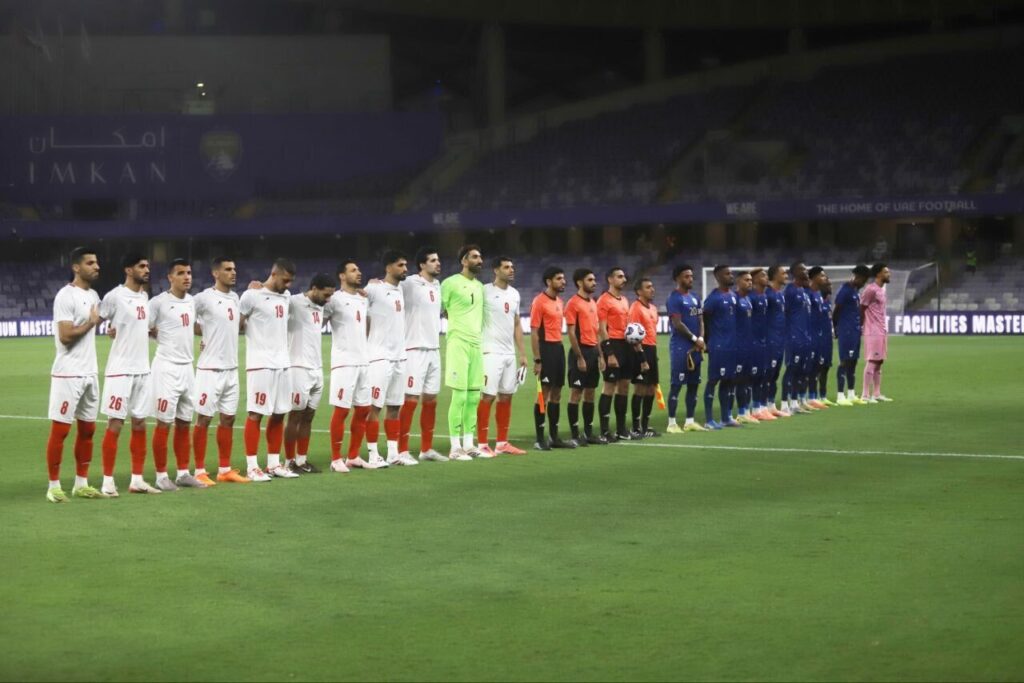
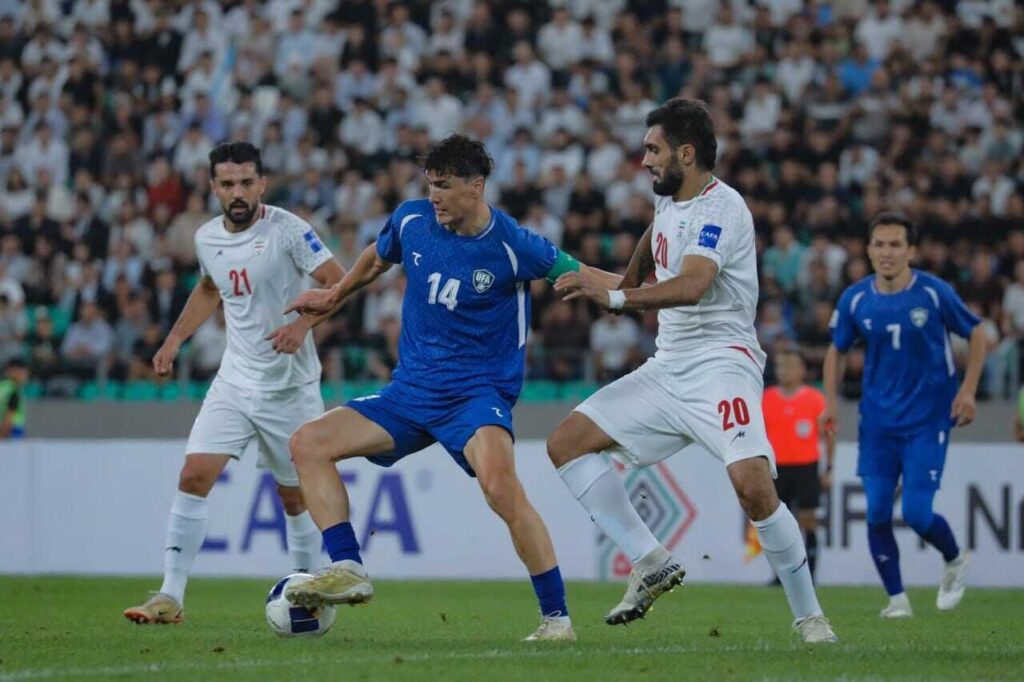
A controversial incident involving captain Mehdi Taremi has overshadowed Iran's penalty shoot-out defeat to Uzbekistan in the final of the Al-Ain International Cup. Contrary to the coaching staff's explicit plans, Taremi unilaterally decided not to take the team's fifth and crucial penalty, instead assigning it to defender Milad Mohammadi, who subsequently missed with an amateurish kick.

While a loss in a friendly match is often dismissed as inconsequential, Taremi's act of insubordination—overriding the coach's direct orders—has raised significant alarms within the national team. The financial implication of forfeiting the tournament's prize money further compounds the seriousness of the defeat.

According to an ISNA report, the conflict erupted immediately after the match when a furious head coach, Amir Ghalenoei, confronted Taremi on the pitch. The confrontation escalated in the locker room, where Ghalenoei severely criticized his captain for what he deemed an arbitrary and costly decision.

In an attempt to justify his actions, Taremi stated to the media in the mixed zone that his reason for not taking the penalty was to "give other players a chance to gain experience."
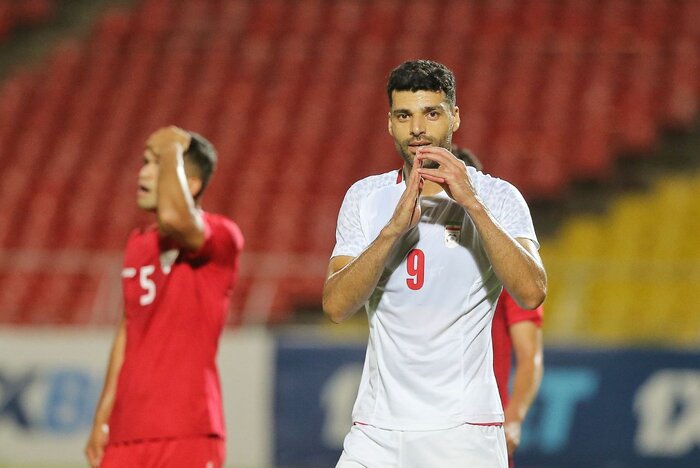
However, this justification has been met with widespread skepticism. Even if well-intentioned, it is widely viewed as a feeble, poor judgment and an unreasonable excuse for such a critical, game-deciding moment. Making a significant tactical change without the coordination and approval of the head coach is a clear breach of protocol. The established procedure in football grants the head coach and his staff the final say on penalty takers, a decision based on training data, player psychology, and in-game conditions. While a captain may offer input, the ultimate authority rests unequivocally with the coach.

Taremi's actions constitute a direct challenge to the coach's authority. This move not only undermines the credibility of the technical staff but also sets a dangerous precedent for player insubordination, creating a crisis of leadership that extends far beyond the result of a single friendly.

In light of this incident, Taremi's captaincy is now seriously in question. His blatant insubordination against Uzbekistan, coupled with a perceived general lack of leadership on and off the field, has eroded his standing. With Taremi's own form also a subject of widespread media criticism, the under-pressure and reportedly furious Ghalenoei may have no choice but to consider an alternative for the captain's armband to reassert his authority and stabilize the squad.
Clash of Styles and Spirits: Iran's Pedigree vs. Uzbekistan's Momentum in Al Ain Final


The stage is set for a compelling final in the Al Ain International Cup, as Team Melli of Iran prepares to lock horns with a resurgent Uzbekistan at the Hazza Bin Zayed Stadium. While the FIFA rankings and historical prestige heavily favor the Iranians, the narrative on the pitch tells a vastly different and more intriguing story.

The Road to the Final: A Tale of Two Semis

The semi-finals provided a stark contrast in team morale and performance. Iran labored to a 0-0 draw against Cape Verde, a team ranked 77th in the world, before narrowly securing their final berth with a 5-4 victory in a penalty shootout. The performance was characterized by a disjointed offense, poor ball distribution, and a palpable lack of creativity. In worrying signs for Iranian fans, star striker Mehdi Taremi was effectively neutralized, while domestic league top scorer Amirhossein Hossenzadeh failed to test the Cape Verdean goalkeeper.

In the other semi-final, Uzbekistan delivered a masterclass, dismantling a strong Egyptian side with a commanding 2-0 victory. The White Wolves displayed a modern, fluid brand of football that their opponents struggled to contain. Their performance was a symphony of coordinated pressing, incisive passing, and clinical finishing—a world away from the disjointed display from Team Melli.

The Uzbek Juggernaut: Led by a Familiar Foe

The undisputed architect of Uzbekistan's victory was Oston Urunov. The Persepolis winger was in scintillating form, scoring a well-taken brace and terrorizing the Egyptian defense throughout the match. Urunov’s performance was a showcase of offensive prowess that the Iranian forward line conspicuously lacked; he was unlucky not to have scored four, with one effort cannoning off the woodwork and another denied by a spectacular save.

His display serves as a poignant reminder to the Iranian federation and fans: the quality exists within the Persian Gulf Pro League, but harnessing it for the national team remains a significant challenge. For Uzbekistan, Urunov symbolizes a new generation of technically gifted and confident players who excel in their defined roles within a coherent tactical system.

Iran's Identity Crisis: System over Stars?

On paper, Iran, ranked 21st in the world, should be the clear favorite. They boast a squad featuring stars from Europe's top leagues and a pedigree that includes consistent World Cup appearances. However, football is not played on paper. The recent form presents a grim picture for Team Melli, who are winless in their last five encounters against Uzbekistan, including a 1-0 loss in Tashkent in their most recent meeting.

The core issue appears to be systemic. Under the current coaching regime, the team often looks less than the sum of its talented parts. There is a reliance on individual brilliance to break down opponents, which, when it fails—as it did against Cape Verde—leaves the team looking rudderless. The midfield often fails to control the tempo or provide a link between defense and attack, leaving isolated forwards to feed on scraps.

The prevailing mentality is also under scrutiny. If a goalless draw against a lower-ranked opponent is perceived as an acceptable result, it raises questions about the ambition and attacking philosophy driving the team forward.

The Final Verdict: A Clash of Contradictions

This final is a classic clash of contradiction: historic reputation versus current form; individual stars versus a cohesive unit; cautious pragmatism versus confident, attacking football.

While Uzbekistan enters the match beaming with confidence and a clear tactical identity, Iran seems burdened by expectation and a lack of a defined playing style. For Team Melli to lift the trophy, they must engineer a massive turnaround—something they have shown little evidence of being capable of in recent times. Relying on the defensive solidity that held firm against Cape Verde will not be enough against a multifaceted Uzbek attack.

Prediction:

Based on the evidence of the semi-finals and recent head-to-head records, the momentum is firmly with Uzbekistan. They play as a confident, modern team that believes in its system and its players. Iran, in contrast, looks fragile and creatively bankrupt. A draw within regulation time, potentially leading to another nerve-wracking penalty shootout, seems the most optimistic outcome for Iran. On current form, however, Uzbekistan are the clear favorites to be crowned champions, poised to prove that a well-drilled team with a clear vision can triumph over a collection of individuals struggling for an identity.

Iran 0-0 Cape Verde. Issues Under Ghalenoei persists

Al Ain, UAE – In another underwhelming performance that has become characteristic of the Amir Ghalenoei era, Iran's national football team struggled to a goalless draw against World Cup debutants Cape Verde in the Al Ain International Cup on Tuesday. The match, which required a penalty shootout to determine progression, saw Alireza Beiranvand emerge as the unlikely hero with a crucial save that secured Iran's place in the final.

Tactical Deficiencies Laid Bare

From the opening whistle, the African archipelago nation—ranked 71st in the world—seized control of the match, forcing Team Melli into a defensive posture that has become all too familiar under Ghalenoei's leadership. While Cape Verde demonstrated why they earned their historic qualification for the 2026 World Cup, their lack of clinical finishing spared Iran from what could have been an embarrassing defeat.

The tactical approach from the Iranian side raised serious questions about Ghalenoei's footballing philosophy. Team Melli reverted to what has become their default strategy: route-one football characterized by long balls launched from defense toward the forward line. This simplistic approach consistently failed to yield results, primarily due to the glaring absence of pace in Iran's attacking third.

Second-Half Glimmer Quickly Extinguished

The second half offered marginal improvement, with Iran creating two clear opportunities to break the deadlock. The most notable chance came when Ezzatollah found himself with an open goal, only to see his effort miraculously cleared off the line by a Cape Verde defender's heroic header. This moment encapsulated Iran's ongoing struggles in front of the goal, an issue that has plagued the team throughout Ghalenoei's tenure.

Individual performances further highlighted the team's decline. Hosseinzadeh, typically a creative spark, delivered a subdued performance that warranted his substitution. Mehdi Taremi, expected to lead the line, endured another forgettable outing in what is becoming a worrying pattern of underperformance. The midfield unit operated on the periphery of the game, failing to establish control or provide meaningful service to the attackers.

Defensive Solitude in a Sea of Mediocrity

Ironically, Iran's defenders emerged as the team's strongest performers—a damning indictment of the overall team display when facing a nation ranked 41 places below them in the FIFA rankings. That the backline stood out as the brightest aspect of Team Melli's performance against Cape Verde underscores the alarming regression of a team that once commanded respect in Asian football.

Ghalenoei's Post-Match Narrative Defies Reality

Following the match, Ghalenoei continued his pattern of fact-twisting statements that have become hallmarks of his press conferences. Rather than addressing the evident tactical shortcomings and lack of coherent gameplay, the coach opted to glorify what he described as a "disciplined performance" , a characterization that starkly contradicts the reality witnessed by spectators and analysts alike.

The persistence with broken tactical approaches and the refusal to adapt to opponents' strengths has become a defining feature of Ghalenoei's leadership. His post-match explanations increasingly resemble exercises in denial rather than genuine assessments of performance.

World Cup Prospects Look Bleak

With the 2026 World Cup expanding to 48 teams, Iran's qualification prospects should theoretically be more favorable. However, recent performances and especially Thursday's performance against Cape Verde raise serious doubts about whether Ghalenoei possesses the tactical acumen to navigate even this more accessible pathway. The team's steady decline under his guidance suggests that Iran risks becoming mere participants rather than competitive forces in global football's premier tournament.

The technical deficiencies, an aging team, lack of creative solutions, and persistent reliance on outdated tactical approaches paint a worrying picture for Iranian football. As the team prepares to face either Egypt or Uzbekistan in the final, the fundamental questions surrounding Ghalenoei's leadership remain unanswered—and indeed, grow more urgent with each disappointing performance.

The victory in penalties may have secured progression, but it did little to mask the systemic issues that continue to undermine Iranian football. For the growing number of critics, this match served as further evidence that a change in direction may be necessary before the team's decline becomes irreversible.

Team Melli Faces Russia Amidst Questions of Form.

Team Melli is set to play against Russia this evening in Volgograd, in another attempt by head coach Amir Ghalenoei to restore the waning confidence of the Iranian fans.

For Ghalenoei, the approach remains largely unchanged, with only minor squad rotations. The one bright spot is the inclusion of Kasra Taheri, the promising U23 star, though whether he will see any playing time remains to be seen.

This match against Russia—a nation banned from the international arena by what many see as a hypocritical FIFA—presents an opportunity for Iran to test itself against tough opposition. Unlike the weak standard of Iran's domestic league, the Russian Premier League remains strong and competitive despite its European ban, which has sidelined clubs like Zenit and Spartak. In stark contrast, Iranian clubs are arguably at their lowest level in decades. Esteghlal's recent 7-0 defeat to Al Wasl of the UAE in a secondary Asian competition highlights how far Iran's best clubs have fallen.

This domestic decline is directly reflected in the quality of players and the game plans of Team Melli. For years, the national team could depend on its legionnaires (players based abroad) to cover for these shortcomings, but that is no longer the case. With Sardar Azmoun sidelined for an extended period following surgery, the forward line is overly dependent on Mehdi Taremi. While Taremi started brilliantly at Olympiacos after his move, he now struggles to secure a starting spot for the Greek club.

The situation is even more concerning for Team Captain Alireza Jahanbakhsh, who currently does not have a club to train with, let alone play competitive matches—a basic requirement for international duty. In Ghalenoei's book, however, this does not seem to matter.

Other legionnaires are not in better shape. Allahyar Sayyadmanesh, a player of great promise, has been underperforming in the Belgian league with KVC Westerlo. Since his transfer, he has played six matches, scoring no goals and providing only a single assist. Ghalenoei's selection criteria remain a point of contention.

Adding to the controversy is the recall of 37-year-old Shoja'a Khalilzadeh to the defense—a unit in dire need of fresh energy after consistently conceding goals. The central midfield is another area of concern, as a chronic lack of service to the forwards has hampered the team's attacking potential. Saman Ghoddos, the team's creative maestro, is suffering a dip in form and has been uninspiring lately, requiring courage from Ghalenoei to revitalize this critical line.

The goalkeeping position also raises questions. None of the options have been shining for their clubs. Payam Niazmand, who replaced the suspended Alireza Beiranvand, was far from solid and has not proven himself a capable replacement. Beiranvand is most likely to start, but his form is not at its peak either.

Historically, Iran and Russia have met three times, with Team Melli winning once and drawing the other two. Russia comes into the match undefeated in its last five outings, including an impressive 4-1 win against Qatar in September, though they have largely faced Asian and African opposition rather than European teams.

Team Melli is playing its first match since a narrow defeat to Uzbekistan, prior to which it had three wins and a draw. The match in Volgograd should be a balanced affair, with current form and home-ground advantage favoring the Russians under coach Valery Karpin. Kickoff is at 20:00 local time at the sold-out Volgograd Arena.

Critical Review: Team Melli at the CAFA Nations Cup 2025

An Analytical Assessment of Iran’s Shortcomings Following Its Defeat in the Final

Introduction

Team Melli's campaign at the CAFA Nations Cup 2025 concluded in profound disappointment with a narrow defeat to Uzbekistan in the tournament final. Entering as the region’s overwhelming favorite, Team Melli’s journey was undermined by a host of structural and tactical deficiencies that ultimately prevented them from securing the title. This review offers a critical analysis of Iran’s performance, highlighting defensive frailties, midfield inefficiency, a lack of creativity, persistent disciplinary issues, questionable squad selection, and significant coaching shortcomings.

Defensive Vulnerabilities Exposed

Iran’s most glaring weakness throughout the tournament was its defense. The backline was repeatedly exposed, where it struggled to maintain shape and composure under the opponent's pressure. Defenders displayed poor spatial awareness and were frequently caught out of position, creating dangerous opportunities for the opposition. Individual errors, missed tackles, misjudged clearances, and poor marking directly contributed to goals conceded at critical moments. A palpable lack of cohesion, compounded by communication breakdowns and an absence of authoritative leadership, turned these lapses from isolated mistakes into a recurring theme that doomed the campaign.

Midfield Inefficiency and Lack of Control

The midfield failed to provide a foundation for success, offering neither control nor creativity. Central players struggled to link defense with attack, often resorting to safe, sideways, or backward passes that slowed the tempo and allowed opponents to reorganize. There was a distinct lack of vision and inventiveness, with few attempts to break defensive lines or create meaningful chances for the forwards. Defensively, the midfield offered scant protection, consistently losing duels and allowing opponents to transition quickly and exploit space. This inability to dictate the game's rhythm left Iran perpetually vulnerable and starved the attack of service.

A Persistent Discipline Problem

Discipline—both personal and tactical—remains a significant concern for Team Melli, a trend that has persisted throughout Amir Ghalenoei’s tenure. Individually, players committed unnecessary fouls in dangerous areas and showed lapses in focus, leading to costly bookings. Tactically, the team frequently abandoned its structure, chasing the ball and creating easily exploitable gaps. This lack of collective discipline undermined any semblance of organized play and is a fundamental issue that must be addressed.

Questionable Squad Selection and Quality

The composition of the squad itself raised serious questions. While credit is due for selecting players from the domestic league, the on-field performance of several individuals was well below the standard required for international football. Key positions were occupied by players lacking the necessary technical ability or tactical intelligence, and a lack of quality depth on the bench severely limited Iran’s options for in-game adjustments.

Naïve Coaching and Tactical Rigidity

The coaching staff’s game plan was notably naïve, lacking the adaptability and strategic sophistication needed for a high-stakes tournament. Iran’s approach was predictable, with little variation in attack and an over-reliance on individual brilliance over cohesive team play. Substitutions and tactical tweaks were often too late or failed to address the core problems, issues that were apparent even during the group stage. The inability to respond to Uzbekistan’s tactical shifts in the final—even considering the gallant effort of playing a man down—exposed a critical lack of preparation and flexibility from the bench.

Conclusion and a Broader Concern

Team Melli’s defeat in the CAFA final is a stark reminder of the immense work required before the 2026 World Cup. To regain regional prominence and prepare for the global stage, Iran must take decisive action: solidify the defense, inject creativity into the midfield, enforce higher disciplinary standards, select players based strictly on merit, and adopt a more sophisticated and adaptable tactical approach.

This tournament also highlighted a disturbing broader trend: the steep decline in the standard of the Iranian domestic league. This was evident in the performances of many league-based players. The fact that Iran now has only one representative in the AFC Champions League Elite, down from four in recent years, underscores this deterioration. This decline is exacerbated by a distorted economic reality where clubs like Esteghlal and Persepolis, receiving significant state support, pay astronomical wages in a struggling economy, yet suffer humiliating results, such as Esteghlal's 7-1 defeat to UAE's Al-Wasl.

This is a reality check for Iranian football. The production line of quality players has deteriorated. The few talented individuals must be professionally coached and managed to salvage pride at the 2026 World Cup.


Player Ratings

  • Payam NIAZMAND (4/10): Not an assuring performance across four games against inferior opposition. A worrying sign for the goalkeeping position.
  • Aref AGHASI (4/10): Underwhelming. Numerous shortcomings have rightfully placed his selection under scrutiny.
  • Ali NEMATI (5/10): Failed to live up to expectations based on his club form. Has yet to prove he deserves a starting role.
  • Arya YOUSEFI (5/10): Inconsistent. His poor tackle in the final was unfortunate but costly. Often the target of the manager's vocal criticism.
  • Hossein KANANI-ZADEGAN (7.5/10): Proved his value when on the pitch, arguably the best defender. However, his known disciplinary liability remains a concern.
  • Saman GHODDOS (5/10): A disappointing tournament from an expected maestro. Lacked creativity, was anonymous in matches, and showed no leadership as captain.
  • Omid NOORAFKAN (6/10): Deployed in multiple roles and was solid, though not instrumental in changing the team's results.
  • Mohammad GHORBANI (5/10): Looked lost and unsure of his role. Needs to assert himself significantly to earn more playing time.
  • Amir Hossein HOSSEINZADEH (8/10): A talented, opportunistic forward who was a menace to opponents and deserves more minutes.
  • Shahriyar MOGHANLOU (4/10): International football appears beyond his tactical grasp. Offered very little.
  • Mohammad MOHEBI (8/10): An established, consistent, and effective player despite limited time on the pitch.
  • Mehran AHMADI (6/10): Limited appearance but showed some promising moves.
  • Majid ALIYARI (8/10): A towering, clinical finisher. Did not get the playing time his two-goal debut deserved.
  • Ali ALIPOUR (7/10): A hard-working forward who always gives his best, but lacks the elite technical skills for this level.
  • Mehdi HASHEMINEJAD (8/10): An exciting player whose dribbling, runs, and shooting were a breath of fresh air.
  • Ramin REZAEIAN (7/10): Remains a solid player whose flank runs and crossing were valuable. His petulance continues to mar his performances.
  • Amin HEZBAVI (6/10): Rarely used and looked average, prone to errors when called upon.
  • Mehdi TIKDARI (5/10): Another newcomer with limited time. A purely average performance.
  • Alireza KOUSHKI (5/10): Minimal time and minimal impact.
  • Mehdi TAREMI (7/10): Inconsistent and often faded from games. Seemed to lack his usual enthusiasm and will to influence play, mostly due to his concentration and quick trip to Athens..
  • Mohammad KHODABANDEHLO (--/10): Insufficient time due to injury to rate.
  • Mohammadmehdi MOHEBI (7.5/10): A promising player clearly on the rise.
  • AliReza JAHANBAKHSH (6/10): A lack of competitive sharpness was evident. Provided one assist but was otherwise peripheral; his inclusion arguably blocked opportunities for others.

Ten-Man Iran Collapses at the Death, Handing Uzbekistan Historic CAFA Cup Triumph

A catastrophic early red card to Arya Yousefi set the tone for a gritty, defensive battle, but a 107th-minute header shattered Iranian resistance, crowning Uzbekistan champions in a dramatic finale.

(Tashkent, Uzbekistan) – The Iranian national team’s CAFA Nations Cup campaign ended in heartbreak and controversy, as a 107th-minute header from Uzbekistan’s Rustamjon Ashurmatov secured a 1-0 victory, handing Team Melli its first defeat to the Central Asian side in 14 years.

The final was effectively decided in a disastrous opening five minutes. Youngster Arya Yousefi, handed a surprise start, was shown a straight red card after a reckless, high challenge, leaving Iran to play 85 minutes of regulation and 30 minutes of extra time with only ten men.

A Gritty, Rearguard Battle

Despite the numerical disadvantage, Iran’s defense, marshaled by a heroic Payam Niazmand in goal, held firm for most of the match. Niazmand made a series of critical saves, most notably in the 22nd minute, twice denying point-blank efforts to keep the score level.

Forced into an early change, coach Amir Ghalenoei introduced Mehdi Taremi in the 30th minute after an injury to starter Shahriar Moghanloo. The team adopted a deep, defensive block, relying on counterattacks. Their best chance came in the 59th minute when Saman Ghoddos found himself one-on-one with the goalkeeper but chose to shoot himself, with Omid Rezaian unmarked and begging for a pass.

Controversy and Wasted Chances

The match was riddled with controversy, much of it involving the video assistant referee (VAR). Iran was denied a strong penalty claim in the 73rd minute when Mohammad Hossein Kanaani was brought down in the box, a decision overturned after a lengthy review.

Uzbekistan, too, was left to rue missed opportunities. Captain Oston Urunov rattled the post with a powerful drive in the 104th minute, and Eldor Shomurodov skied a penalty in the 107th minute after a foul by Aref Aghasi, seemingly sending the match to a shootout.

Heartbreak at the Death

Just as penalties loomed, Iran’s fatigued defense finally cracked. In the 117th minute, a cross from the right found defender Ashurmatov unmarked between two Iranian players, and he powered a header past Niazmand to spark wild celebrations among the home crowd.

The defeat marks a bitterly disappointing end to a tournament that has raised more questions than it answered for Team Melli. For Uzbekistan, it is a historic triumph, sealed against their most storied regional rival in the most dramatic of circumstances.

Key Moments:

  • 5': ⛔ RED CARD – Arya Yousefi (Iran) sent off for a dangerous foul.
  • 22': 🧤 Huge double save from Payam Niazmand to keep the score level.
  • 59': ❌ Saman Ghoddos wastes a golden counter-attack chance.
  • 73': ❗ Penalty appeal for Iran overturned by VAR after a review.
  • 107': 🎯 Eldor Shomurodov (UZB) misses a penalty.
  • 117': ⚽ GOAL – Rustamjon Ashurmatov scores the dramatic winner for Uzbekistan.

Uzbekistan: Atkir Yusupov, Khojiakbar Alijanov, Delshad Kamilov, Mohammadgader Khameraliyev, Atabek Shukurov, Odil Khamrubkov, Azizbek Turgunboyev, Abbasbek Faizollayev, Khasnoddin Alikulov, Ruslanbek Dzianov and Aldor Shomorudov
Head coach: Timur Kapadze

Iran : Payam Niazam, Mohammad Hossein Kananizadegan, Aref Aghasi, Aria Yousefi, Ali Nemati [106' Abolfazl Jalali ], Mohammad Ghorbani [56' Rouzbeh Cheshmi], Omid Noorafkan, Saman Ghodous (C) [66' Alireza Jahanbakhsh], Mohammad Mohebi, Amir Hossein Hosseinzadeh (16' Ramin Rezaeian) , Shahriar Moghanlou [31' Mehdi Taremi]
Head coach: Amir Ghalenoei

Taremi Seals the Deal: Iran Overcomes Stubborn India to Secure Vital CAFA Victory


DUSHANBE, Tajikistan – Team Melli secured a commanding 3-0 victory over a resilient Indian side in their second Group B match of the 2025 CAFA Nations Cup at Hisar Stadium on Monday. However, the scoreline belied a tale of two halves, as Iran was frustrated for long periods before a flurry of late goals, including one from new Olympiacos signing Mehdi Taremi, sealed the crucial win.

After a goalless and often scruffy first half, the breakthrough finally came in the 59th minute through Amirhossein Hosseinzadeh. Iran then put the result beyond doubt with two goals in the final moments, courtesy of substitutes Ali Alipour (89') and Mehdi Taremi (90+6').

A Tale of Two Halves

Head coach Amir Ghalenoei rang the changes from Iran's previous outing, fielding a new-look defensive pairing of Hossein Kanaani and Amin Hizbavi, while handing the captain's armband for the first time to experienced right-back Ramin Rezaeian.

The first half was a story of Iranian dominance met with resolute Indian defending. The Blue Tigers, led by an inspirational performance from captain Sandesh Jhingan and goalkeeper Gurpreet Singh Sandhu, organized a formidable low block. While Iran controlled possession and probed for openings, their final pass and finishing were consistently lacking, allowing India to reach halftime with a clean sheet intact.

The second half saw a more energized and determined Iranian side emerge. The pressure intensified, and the deadlock was finally broken just before the hour mark. A cross from the right flank by Kanaizadegan, caused chaos in the Indian box; after a goalmouth scramble, Amirhossein Hosseinzadeh was quickest to react, poking the ball home from close range.

Super-Subs Make the Difference

Seeking to kill the game, Ghalenoei unleashed his bench, introducing a wave of quality including Alireza Jahanbakhsh, Mehdi Taremi, and Ali Alipour. The move paid immediate dividends as the fresh legs overwhelmed a tiring Indian defense.

With just a minute of regular time remaining, a mild shot from Taremi cannoned off the post, and Ali Alipour was perfectly positioned to tap in the rebound and double Iran's lead.

The victory was capped off in style deep into stoppage time. Alireza Jahanbakhsh delivered an immaculate cross from the right flank that found Mehdi Taremi striding into the box. The newly-signed Olympiacos striker displayed his class with a composed, first-time finish past the advancing Sandhu, providing a fittingly high-quality end to the match.

The Road Ahead

The defeat severely dents India's hopes of reaching the final. Their tournament fate now hinges on their final group match against Afghanistan, where a positive result could still see them advance to the third-place playoff.

For Iran, the win all but guarantees a place in the tournament final. They need only a draw against host nation Tajikistan on Thursday to finish top of Group B. While the three points will be welcomed, the performance—particularly in the first half—will give coach Ghalenoei pause for thought. The team's ability to find a solution and the impact of its world-class substitutes ultimately proved decisive, papering over what was, for long stretches, another unconvincing display.

Mehdi Taremi Completes Move to Olympiacos

ATHENS, Greece – In a significant move for both player and club, Iranian international striker Mehdi Taremi has officially joined Greek Super League champions Olympiacos on a multi-year contract. The transfer brings an end to months of speculation and marks a new chapter for the prolific forward.

The deal was finalized after Taremi, who was in camp with the Iranian national team for a CAFA Nations Cup 2025 tournament in Tajikistan, received special permission from his coach. He departed on a private jet to Athens, Greece, on Sunday, underwent and passed his medical examinations, and signed his contract before returning to rejoin his national team duties.

Transfer Details and Contract

According to widespread reports from major Greek media outlets and renowned international football journalists, including Fabrizio Romano, Olympiacos secured Taremi’s services for a modest transfer fee of approximately €2-2.5 million. This represents a significant coup for the Piraeus-based club, as the 31-year-old striker was available on a free transfer just last summer.

Taremi has signed a contract that will see him earn over €2 million per season. His arrival is a major statement of intent from Olympiacos as they prepare for a demanding campaign on both domestic and European fronts.

A New Challenge for Taremi

Upon his arrival in Athens, Taremi expressed his excitement about the new challenge. “I am very happy to join Olympiacos. Everyone knows how big and popular this club is, and I hope I can help the team,” he stated.

He also addressed the prospect of competing for a starting role with the club's other attackers, including AFCON hero Ayoub El Kaabi and Ukrainian forward Roman Yaremchuk. “We are all here to help the team succeed, and the main goal is the success of the club. I am ready to compete and contribute in any way I can.”

From Milan to Piraeus

Taremi joins Olympiacos after a single season with Italian giants Inter Milan, where he arrived as a free agent following a highly successful stint with FC Porto. While often used in a rotational role at Inter, the Iranian made 43 appearances across Serie A and European competitions, scoring three goals and providing nine assists, playing a part in the Nerazzurri's Scudetto-winning campaign.

Before choosing Olympiacos, Taremi was a sought-after commodity, attracting serious interest from several European clubs and notably turning down lucrative offers from Brazilian powerhouses Flamengo and Botafogo.

What This Move Means

For Olympiacos, this is a marquee signing. Taremi brings a wealth of experience from top European leagues and the UEFA Champions League, along with a proven track record of goalscoring and playmaking. His presence immediately bolsters their attack as they seek to dominate the Greek Super League once more.

For Taremi, the move offers a central role in an ambitious project and the guaranteed opportunity to feature in the UEFA Champions League. Olympiacos will face a "group of death" featuring European heavyweights Real Madrid, AC Milan, and Borussia Dortmund, providing Taremi with a perfect stage to showcase his talents.

Olympiacos currently sits atop the Greek Super League table with a perfect six points from their opening two matches. The addition of a player of Taremi's caliber makes them a formidable force as they look to achieve success both at home and on the continent's biggest stage.

Team Melli Regroups with Focus on India After Opening WinTeam Melli News in CAFA 2025

Following a positive start to their campaign, Team Melli resumed training on Saturday with light recovery exercises and warm-up maneuvers. The session's focal point was an extensive tactical briefing led by head coach Amir Ghalenoei and his staff, meticulously preparing the squad for their crucial September 1st encounter against India.

Despite fielding a new-look lineup in the 3-1 win over Afghanistan—a match where the team was well-organized and displayed neat, passing football—Coach Ghalenoei was quick to highlight lingering gaps in their performance. The solitary goal conceded came against the run of play but once again exposed a concerning lack of concentration in defense and Team Melli's continued vulnerability to counterattacks.

The upcoming opponent signaled their strong intentions in Group B by securing a hard-fought 2-1 victory over hosts Tajikistan. This result firmly establishes India as a formidable contender and likely presents Iran's most significant challenge in the group stage.

In squad news, Mehdi Taremi, who made a brief cameo appearance against Afghanistan, has been granted permission to travel to Athens to finalize his transfer to Greek club Olympiacos. He is scheduled to return to Dushanbe via private jet in time to rejoin the team following the signing ceremony.

Meanwhile, defender Mohammad Khodabandehloo, who was substituted during the Afghanistan match, has suffered an injury and will depart the camp for Tehran to undergo further assessment. His replacement, Abolfazl Jalali, has been called up and is en route directly from Tehran to bolster the defensive line.

Indian Head to Head results

H / A / NMatchesWDLGoals+ / -
H22007 - 0+7
A640212 - 6+6
N32106 - 1+5
Total1181225 - 7+18
DateCompetitionH / A / NFinal scoreStadiumAttendance
24.03.2016World Cup QualifierH4 - 0Azadi Stadium - Tehran29,900
08.09.2015World Cup Qualifier / Round 2 - GROUP DA3 - 0Sree Kanteerawa, Bangalore14,500
13.05.1992Asian Cup Qualifier /A3 - 0Calcutta2,0000
07.12.1984Asian Cup / Group BN0 - 0National Stadium, Singapore10,000
07.03.1980Olympics Qualifier /N2 - 0National Stadium, Singapore11,000
13.12.1966Asian GamesN4 - 1Chulalongkorn University Stadium, Bangkok10,000
19.06.1964Olympics QualifierA3 - 1Rapindra Soria , Calcutta25,000
06.06.1964Olympics QualifierH3 - 0Amjadiah , Tehran30,000
18.12.1959Asian Cup QualifierA2 - 1Maharaja's College : Ernakulam, India
08.12.1959Asian Cup QualifierA1 - 3Ernakulam, Kerela, India20,000
10.03.1951Asian Games / FinalA0 - 1Major Dhyan Chand National Stadium, New Delhi40,000

Team Melli Striker One Step From Joining Olympiacos

Mehdi Taremi Inter Milan

LECCE, ITALY - JANUARY 26: Mehdi Taremi of FC Internazionale celebrates after scoring his team's fourh goal goal during the Serie A match between Lecce and FC Internazionale at Stadio Via del Mare on January 26, 2025 in Lecce, Italy. (Photo by Maurizio Lagana/Getty Images)

Inter Milan striker Mehdi Taremi is one step away from joining Olympiacos

This according to Sky Sport Italia transfer market expert Gianluca Di Marzio, via FCInter1908.

With deadline day looming, Inter have still not managed to find a new club for striker Mehdi Taremi.

The Iranian has looked set to leave Inter for much of the summer transfer window.

And multiple potential destinations have emerged.

Reportedly, Leeds United and Fulham have shown an interest in bringing Taremi to the Premier League.

Meanwhile, Ligue 1 side Lille have also come forward. As have Serie A new boys Sassuolo.

Botafogo and Flamengo had already tried to bring Taremi to Brazil. However, the 33-year-old has made clear that he prefers to stay in Europe.

Inter Striker Mehdi Taremi One Step From Joining Olympiacos

Mehdi Taremi Inter Milan
MILAN, ITALY – NOVEMBER 26: Mehdi Taremi of FC Internazionale is challenged by Christoph Baumgartner of RB Leipzig during the UEFA Champions League 2024/25 League Phase MD5 match between FC Internazionale Milano and RB Leipzig at Stadio San Siro on November 26, 2024 in Milan, Italy. (Photo by Marco Luzzani/Getty Images)

Despite all these clubs showing an interest, though, Taremi has so far remained an Inter player all summer long.

This has led to several clubs coming forward in the final days of the transfer window to try their luck.

Among these have been PSV and Panathanaikos. Furthermore, Lyon have also come forward.

But it is Olympiacos who have managed to reach an agreement with both Inter and Olympiacos, reports Gianluca Di Marzio.

The Sky transfer expert reports that the 33-year-old striker is one step away from the move to Athens.

The deal will be worth around €10 million to Inter in terms of the wages they save on as well as a fee, Di Marzio reports.