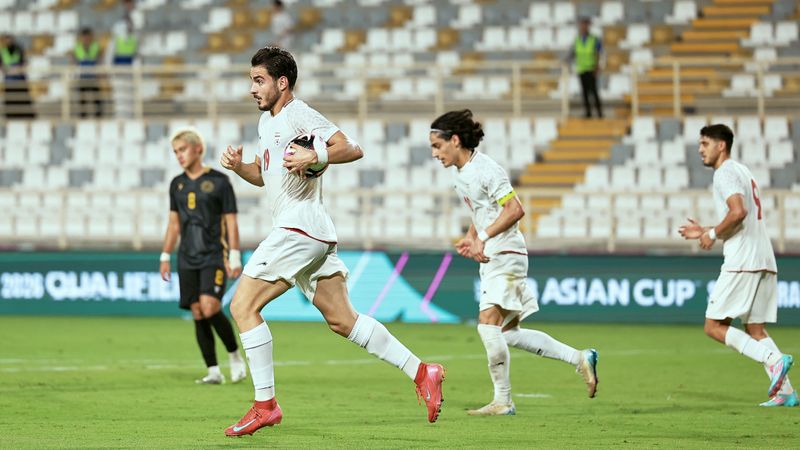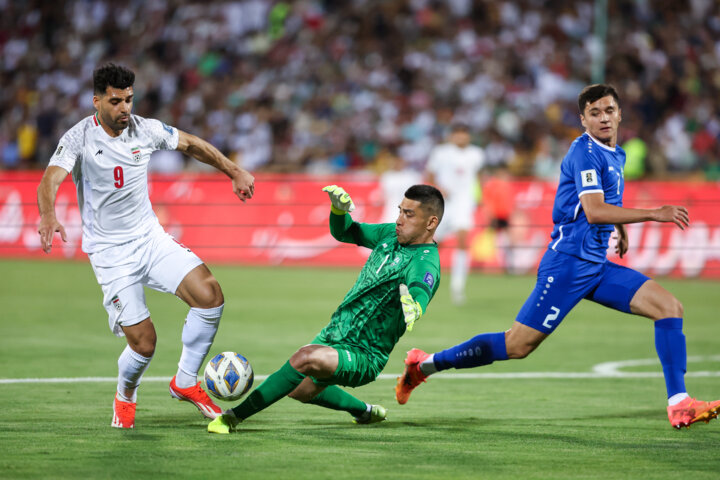
Tag: Mohammad Javad Hosseinnejad

Omid Team failure. a result of chronic failures.

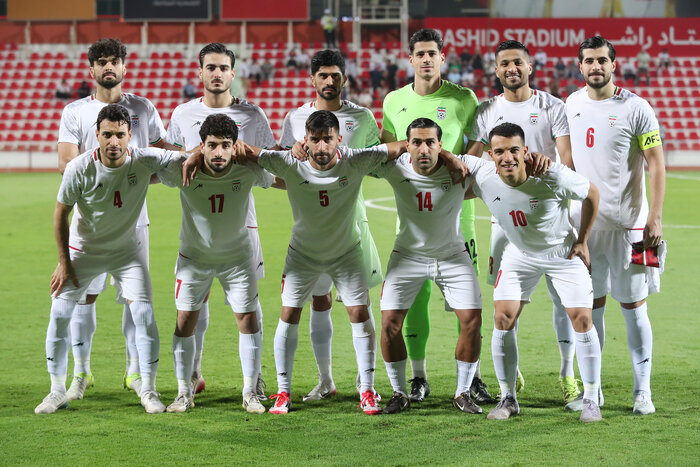
The failure to qualify from the group stages of the AFC U23 Asian Cup 2026 came as little surprise to most observers. From the outset, South Korea and Uzbekistan were the clear favorites—footballing nations that have established themselves as formidable rivals to Iran.
What proved truly shocking, however, was Iran U23 finishing bottom of their group and failing to score a single goal across three matches.

The irony is heightened by the Sports Minister’s prior prediction that this very team would qualify for the Los Angeles Olympics. One need not be an expert to recognize why this squad struggled to compete, yet progressing beyond the group stage was the minimum expectation held by supporters. It is worth recalling that this Omid Team effectively serves as the “B” side of Team Melli. These are not untested youngsters; there are no U15 or U19 players here learning their trade. All are active in domestic leagues, with several—such as Javad Hosseinnezhad, Reza Ghandipour, and Mohammadmahdi Zare—playing abroad as legionnaires. These are grown professionals expected to compete at football’s higher levels.

The U23 team’s performance reflects the broader decline of Iranian football. It mirrors systemic issues: a lack of quality, chronic mismanagement, inadequate coaching, and poor fundamentals and professionalism. The system that produces these players is inept, chaotic, and fundamentally broken. Iranian football has long relied on individual talent to produce moments of brilliance, but even that seems to be fading within the complexities of modern football. Tellingly, one of Iran’s most promising talents in recent years, captain Javad Hosseinnezhad, was left on the bench during a critical match. Whether due to injury or other reasons, his absence extinguished any hope that individual skill might turn the tide.

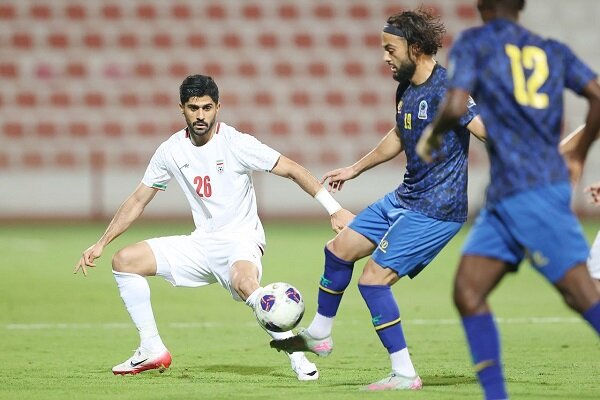
Lebanon, beaten by both South Korea and Uzbekistan, managed to defeat Iran U23 1-0 via a solitary penalty. Omid needed to win at least 2-0 to assure qualification after two goal-less draws with Korea Rep and Uzbekistan. There was ample time for the coach to adjust, to shift tactics, alter formations, and inject energy into the side following Lebanon’s goal. Yet Omidreza Ravankhah, arguably one of the least experienced coaches ever to lead the Omid Team, appeared out of his depth and devoid of solutions. While Ravankhah’s appointment warrants scrutiny, placing blame solely on him is misguided. The failure began many years ago within a system and an organization too dysfunctional to appoint qualified, competent leadership.

Little can be expected from figures such as FFIRI head Mehdi Taj, whose leadership is unlikely to steer Iranian football toward success. Wielding influence with backing from entities like the IRGC, he remains entrenched in power, presiding over Iranian football’s descent into a deeper crisis. If fans despair over the Omid Team’s repeated failures, the prospect of watching Team Melli at the 2026 World Cup offers little solace; the underlying issues remain unchanged.

While Iranian football has endured many shocks in recent years, one stark revelation stands out: the exposure of grassroots coaches, some of whom have never played the sport yet are tasked with training children. This unsettling fact, highlighted by an Iranian FIFA coaching instructor during a televised analysis of the Iran-Lebanon match, may well be the epitome of a failed footballing system.

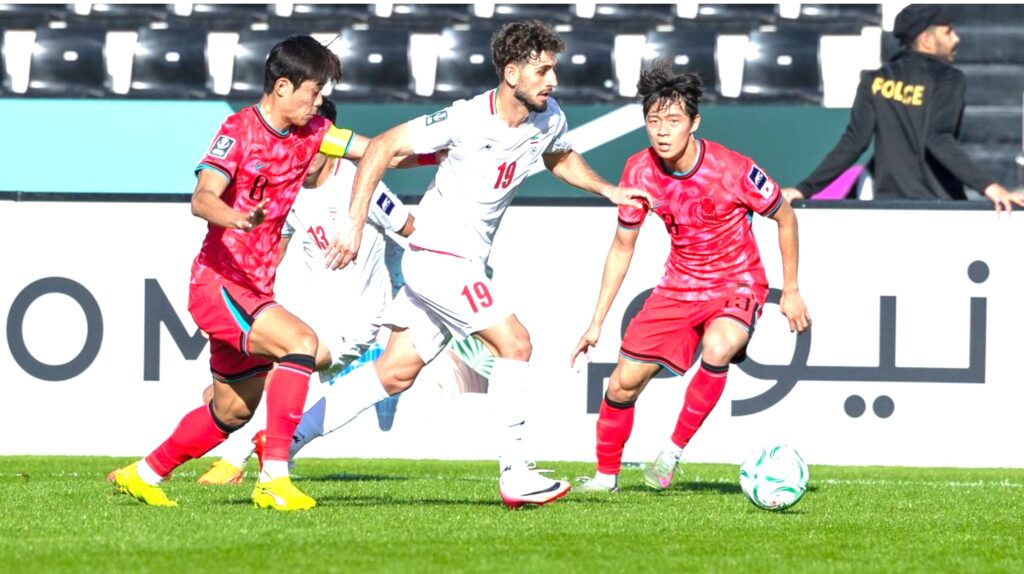
Omid Team Holds Mighty South Korea to a Stalemate in Tense AFC U23 Opener


– First points of Iran U23

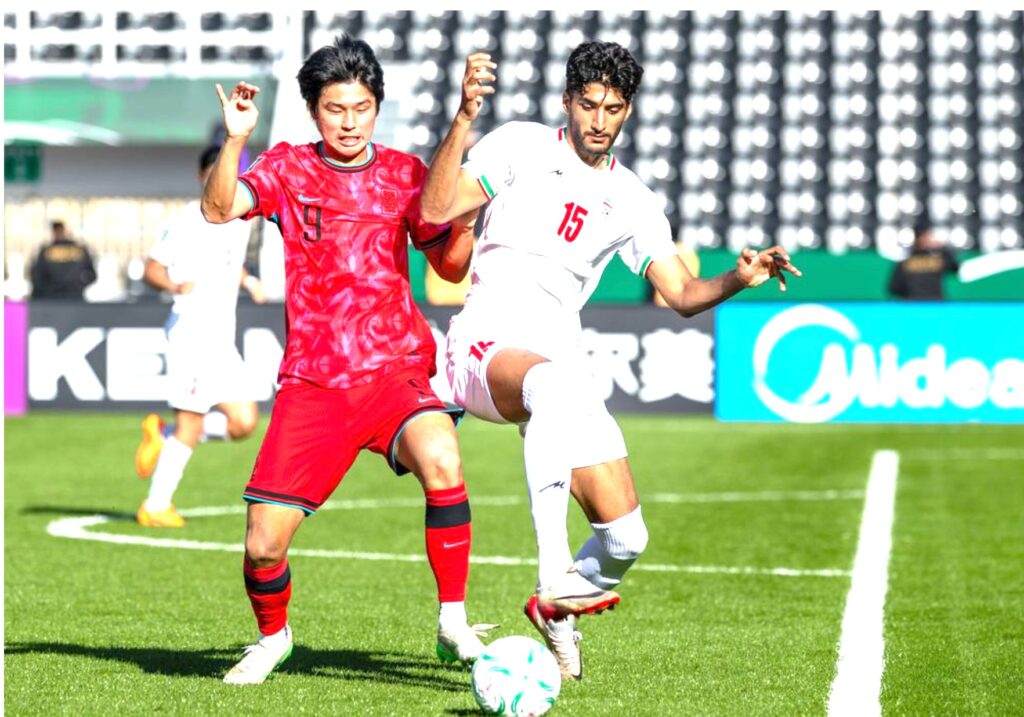
Iran’s U-23 national team, the Omid Team, began their challenging AFC U23 Asian Cup 2026 campaign with a disciplined and resilient performance, holding tournament favorites South Korea to a 0-0 draw in a tense, tactical affair.

While the match will not be remembered for attacking flair or goalmouth drama, it will be noted for Iran’s impressive defensive organization and control of the game’s tempo. Contrary to pre-match predictions, it was Iran who looked the more composed side for large periods, effectively neutralizing the traditional high-energy, offensive threat of their East Asian rivals.

A Match of Tactical Chess, Not Fireworks

From the outset, the Omid Team, under coach Reza Ravankhah, executed a clear game plan: maintain defensive concentration, control the midfield, and patiently probe the notoriously solid Korean backline. The strategy succeeded in limiting South Korea to half-chances, with the Iranian defense, marshaled superbly, showing little vulnerability.

The Koreans, unusually subdued, appeared wary of Iran’s counter-attacking potential. Their typically relentless pressing and quick transitions were replaced by a more cautious, possession-based approach, which played into Iran’s organized defensive structure.

Iran’s lone moment of true attacking quality in the first half came from their standout player, Javan Hosseinnezhad. The elegant midfielder delivered a perfectly weighted diagonal ball from the right, finding Ali Rostami in stride. Rostami’s powerful first-time volley whistled just past the upright, a near-miss that served as the half’s most serious threat.

A Dull Game Sparks to Life at the Death

The second half followed a similar pattern—a slow-paced, midfield battle with few clear-cut chances. Iran continued to prefer intricate ground passes in an attempt to unlock the defense, often opting for safe diagonal switches of play rather than risky penetrating runs.

Just as the match seemed destined to peter out into a forgettable draw, it erupted in a thrilling finale during injury time. First, Iranian substitute Mehdi Jafari unleashed a powerful, low drive from distance, forcing Korean goalkeeper Hong Seong-Min into a spectacular, full-stretch save to his right.

Almost immediately, the action raced to the other end. A desperate scramble in Iran’s penalty area presented South Korea with a golden chance to steal a late winner. However, goalkeeper Mohammad Khalifa emerged as the hero, making a crucial intervention amidst the chaos, allowing his defenders to clear the danger to safety and preserve the hard-earned point.

Analysis: A Solid Foundation, But Room for Growth

The final whistle confirmed a valuable point for Iran in the tournament’s “Group of Death,” a creditable result against one of Asia’s youth football powerhouses. The performance demonstrated significant improvement in tactical discipline and defensive solidity, the foundations upon which campaigns are built.

However, the match also highlighted a clear area for improvement. Iran’s lack of attacking ambition and variety ultimately cost them a chance at a historic victory. Despite showing clear aerial superiority, the team persistently relied on ground strokes against a compact defense. The reluctance to deliver early crosses or utilize long balls to test the Korean backline made their offensive efforts largely predictable.

For Coach Ravankhah, the takeaway is twofold: pride in a well-earned clean sheet against a top opponent, and a clear cue to inject more offensive daring and tactical variety into their next crucial fixture. This draw proves the Omid Team belongs on this stage; their upcoming match will show if they have the tools to advance from it.

MATCH DETAILS

Korea Republic
21 Hong Seong-Min GK
2 Kang Min-Jun DF
3 Bae Hyun-Seo  DF YC 53‎’‎
5 Lee Hyun-Yong DF  YC 33‎’‎
23 Shin Min-Ha DF
6 Lee Chan-Ouk MF [73′ Jung Ji-Hun]
8 Kim Dong-Jin MF
9 Kim Tae-Won FW [80′ Jeong Jae-Sang ]
10 Kang Sang-Yoon FW [28‎’‎ Jung Seung-Ba]
13 Kim Do-Hyun MF [73′ Kim Han-Seo]
17 Kim Yong-Hak MF [46‎’ Kang Seong-Jin]


Substitutes
1Moon Hyun-Ho
4Jo Hyun-Tae
7Kang Seong-Jin 46‎’‎
11Jung Ji-Hun
12Hwang Jae-Yun
14Jung Seung-Bae 28‎’‎
15Baek Ga-On
16Kim Han-Seo
18Jeong Jae-Sang
19Lee Geon-Hee
20Park Jun-Seo
Manager-Min-Sung Lee
Iran
1 Mohammad Khalifeh GK
3 Arsha Vosoughifard DF
13 Mahdi Mahdavi DF
15 M. Mohebi DF [83′ Danial Iri YC 89′]
16 Farzin Moamelehgari DF
8 Pouria Latififar MF
9 Yadegar Rostami MF
10 Javad Hosseinnejad MF [62 ‘A. M. Sadeghi]
19 Mahdi Goudarzi MF [71′ M.Askari]
20 Abbas Habibi MF [72′ Razzaghinia YC 69′]
7 Reza Ghandipour FW [71′ M. Jaffari]


Substitutes
2 B. Goudarzi
4 D. IriSub5M. Zare
6 A. Razzaghinia
11 M. Askari
12 P. Rafiei
14 F. Jafari
17 E. Jamshidi
18 A. Sheikhi Rad
21 H. Zaruni
22 A. Maghsoudi
23 M. Sadeghi
Manager-Omid Reza Ravankhah

Omid Team to play in Kyrgyzstan tournament.

MANAS CUP International Football Tournament will be held in Manas city. The Kyrgyz Football Union (KFU) reported.

The national football team of Kyrgyzstan will also take the field. The matches will be held at Kurmanbek city stadium.

In addition to the host, teams from Bahrain, Iran, and Russia will also participate in the international tournament. All opponents will be represented by U23 Olympic teams.

The players will be 23 years old or younger. All participants in the upcoming games in Osh are preparing for the 2026 AFC Asian Cup final tournament, which will be held in January in Saudi Arabia.

Iran’s Omid Team (U23) will be led by Omid Ravankhah, who has already called 23 players for the squad.
Amir Mehdi Maghsoudi and Aria Shafidoust from (Sepahan),
Arash Mortazavi (Zobahan),
Mohammad Hossein Sadeghi (Persepolis),
Saeed Saharkhizan and Amir Mohammad Razaghinia (Esteghlal),
Afshin Sadeghi, Erfan Jamshidi (Peykan),
Hojjat Ahmadi (Esteghlal Khuzestan),
Arshia Vosoughifar (Fajr Shahid Sepasi),
Farzin Aghagari (Shams Azar),
Hamid Reza Zarooni and Masoud Mohebi (Khyber Khorramabad)
Danial Iri, Abbas Habibi, and Mehdi Jafari (Malvan Bandar Anzali)
Omid Amiri (Nasaji Mazandaran),
Mohammad Khalifa, Seyyed Mehdi Mahdavi, and Bahram Goodarzi (Aluminum Arak),
Alireza Safari (Chador Malo Yazd)
Mohammad Javad HosseinNejad (Dinamo Makhachkala- Russia ) and
Mohammad Mehdi Zare (Akhmat Grozny- Russia).

Matches Schedule

*Iran – Russia; November 11

*Iran – Kyrgyzstan; November 14

*Iran – Bahrain; November 17

Iran Secures 2-0 Victory Over Tanzania in Dubai Friendly

The Iranian national football team, under coach Amir Ghalenoei, secured a 2-0 victory against Tanzania in an international friendly on Tuesday evening. The match, held at Al Rashid Stadium in Dubai, UAE, saw both goals scored in a dominant first-half performance by Team Melli.

Amir Hossein Hosseinzadeh opened the scoring from the penalty spot in the 14th minute, following a foul on Mohammad Mohebbi, adding to the goal he scored in Iran’s previous match against Russia. Mohammad Mohebi then doubled the lead in the 25th minute with a shot that took a slight deflection off a defender.

First-Half Dominance

Iran started aggressively and created an early chance in the 2nd minute, with Mohammad Mohebi unable to convert. Tanzania responded with a significant opportunity of their own in the 8th minute; a defensive error by Shoja Khalilzadeh left Charles M. Mumba one-on-one with goalkeeper Payam Niazmand, but his shot was parried away for a corner.

The breakthrough came when Kasra Taheri played Mohebi into the box, resulting in a foul from Tanzania’s Ibrahim Abdullah. Hosseinzadeh calmly converted the ensuing penalty. Shortly after, Taheri was again the provider, setting up Mohebi, whose shot deflected past the goalkeeper to make it 2-0.

The first half was marred by an injury to the promising Kasra Taheri, who was forced off in the 39th minute after a heavy challenge and replaced by Mohammad Javad Hosseinnejad.

Second-Half Adjustments

Tanzania began the second half with more purpose, pressuring the Iranian defense. A long-range effort from Yahya Zayed sailed just over the bar in the 47th minute, followed by another chance that required a last-ditch clearance from Danieal Esmailifar.

Iran suffered a second injury setback in the 54th minute when Mohammad Amin Hezbavi went down with a groin issue, making way for Ali Nemati.

The most notable incident of the second half saw Alireza Jahanbakhsh’s long-range shot from outside the box deflect off teammate Milad Mohammadi’s hand and into the net. The referee initially awarded the goal but, after consulting with his assistant, correctly disallowed it for handball.

Tanzania threatened once more in the 73rd minute with a long-range effort that flew wide, but Iran managed the game effectively to see out the 2-0 win.

Lineups:

  • Iran: Niazmand; Esmailifar, Hezbavi (54′ Nemati), Khalilzadeh, M. Mohammadi; Ezzatollahi, Ghoddos (64′ Ghorbani); Mohebi (45′ Jahanbakhsh), Hosseinzadeh (64′ Alipour), Hashemnejad (64′ Sayadmanesh); Taheri (39′ Hosseinnejad).
  • Tanzania: Soliman; Masindo, Munda (45′ Mwaikenda), Mwamenyetu, Abdullah; Zayed, Dismas, Mumba (45′ A. Soliman), Salem (45′ Abraham); Peter (64′ Chikola), Al-Arikhya.

Iran U23 Secures Victory and Qualification in Hard-Fought Match Against UAE

ABU DHABI – Iran’s U23 national team secured a hard-fought 3-2 victory against host nation UAE on Tuesday in their final Group I match of the AFC Asian U23 Cup qualifiers. The win at Al Nahayan Stadium ensured Team Omid finished as group leaders, earning automatic qualification for the AFC U23 Asian Cup 2026 in Saudi Arabia.

The match began with Iran displaying tactical discipline and composure, dominating possession through a strategy built on short passing combinations complemented by strategic long balls to the flanks. Despite concerns about the sweltering heat and high humidity affecting the players accustomed to Iran’s milder climate, coach Omid Ravankhah’s side implemented a smart game plan that managed the tempo effectively.

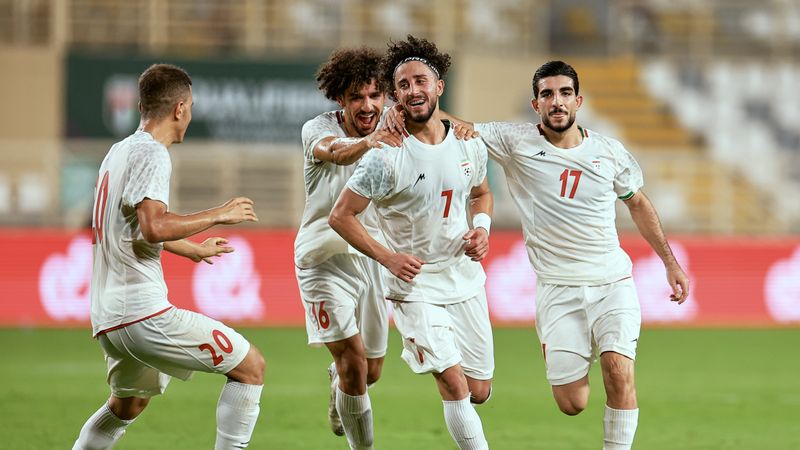
The first half showcased Iran’s offensive prowess with three well-executed goals. The scoring opened in the 25th minute with a strike from Razzaghnia who easily slotted the ball home from the goalkeeper’s rebound ball, followed by Saeid Saharkhizan doubling the lead in the 36th minute. Saharkhizan added his second goal from the penalty spot in the 42nd minute, seemingly putting Iran in complete control. UAE managed to pull one back just before halftime with Majed Al Kass finding the net in stoppage time (45+3).

Midfielder Javad Hosseinnejad delivered a majestic performance, controlling the game with his technical quality, vision, and precise passing. His influence was particularly evident in the second goal, where his immaculate free-kick delivery found Saharkhizan for a clinical finish.

The second half saw a shift in momentum following Hosseinnejad’s substitution, which proved to be the match’s turning point. Emboldened by the absence of Iran’s midfield orchestrator, UAE increased their pressure and dominated possession, testing Iran’s defensive resilience.

While UAE’s finishing often lacked precision, Iran’s defense remained largely organized until a costly error by Pouria Latifi-Far in the penalty area allowed UAE forward , Al-Mansoori , to rob the ball from him and capitalize to score the host’s second goal, setting up a tense finale.

Despite increased pressure from the Emiratis, Iran regrouped and created several scoring opportunities, with the UAE goalkeeper making exceptional saves to deny Saharkhizan his hat-trick and keep his team in contention.

In the closing minutes, Iran regained control of the match tempo, demonstrating game management intelligence to secure the narrow victory and confirm their place in the 2026 tournament.

Final Score: UAE 2 – 3 Iran
Goalscorers:
Razzaghnia (25′)
Saeid Saharkhizan (36′, 42′ pen)
Majed Al Kass (45+3′), Mohammed Al-Mansoori (75′)

The victory marks a successful chapter for Iranian Olympic football as Team Omid continues its preparation for next year’s continental showcase in Saudi Arabia.


Starting Lineup: IRAN U23
Mohammad Khalifa, Daniyal Iri, Mohammad Mehdi Zare, Arshia Vosoughifard, Seyyed Mehdi Mahdavi, Amir Mohammad Razzaghinia, Pouria Latififar, Mohammad Javad Hosseinnejad, Mohammad Hossein Sadeghi, Yadgar Rostami, Saeed Saharkhizan.

Kasra Taheri stars in Omid Team win vs. Guam

Abu Dhabi: Five second-half goals steered Iran to a comfortable 6-0 win over Guam in their penultimate Group I clash in the AFC U23 Asian Cup™ Saudi Arabia 2026 Qualifiers at the Al Nahyan Stadium on Saturday.

Iran beat Hong Kong, China 4-0 in their opener and will play the United Arab Emirates on Tuesday in what will be a top-of-the-table clash.

Guam 0-6 IR Iran

image content

Despite dominating ball possession from the start, the Central Asian side only opened accounts in the 42nd minute through Alireza Safari.

Guam, who had no shots on target in the first half, conceded a second goal a minute after the restart when Kasra Taheri put the ball past keeper Josiah Jones.

image content

Taheri, who came on at the start of the second half, fired home IR Iran’s third in the 74th minute and completed his hat-trick five minutes later.

Saeid Saharkhizan put his name on the scoresheet in the 84th minute, with captain Mohammad Javad Hosseinnezhad completing the scoring in the 90th minute.

Look back at Team Melli’s game plan.


Team Melli played a goal-less draw against Uzbekistan, its main rival in Group A of the third round qualifiers for the FIFA World Cup 2026 in Tashkent.

The match was not crowd-pleasing, with both teams playing ultra-cautiously, focusing on solidifying their defenses to avoid conceding the first goal.

Uzbekistan, even at home and without Head Coach Srečko Katanec on the bench due to illness, was surprisingly tame and lacked adventure. After the dismissal of Hardani, Team Melli seemed to play better, having more ball possession and control of the field. However, it was a low-risk game overall. Iran lacked the desire to play offensively, with the Uzbek defenses tightly compact and not allowing the Iranian forwards much breathing space.

One reason for the lack of effectiveness in Team Melli’s forward line, which is usually its most powerful, is the familiarity of Iran’s forwards amongst the opposing coaches. Having played together for several years, opposing teams can easily analyze and counteract their game plan. Lack of tactical variety in the Iranian game plan makes the opposing job even easier.

Since Amir Ghalenoei took over, it has been evident that Team Melli relies on long balls from the defense to the forwards, bypassing the midfield. This “route one” football is simple but also easily defendable and has a low yield in modern football. This strategy is particularly ineffective for Iran, where forwards like Sardar Azmoun and Mehdi Taremi lack the pace to make it work.

However, with the introduction of Mehdi Ghayedi and Ali Gholizadeh in the second half, the formula changed. Both players have pace and skills, making the long balls to the flanks more effective in feeding the center of attack. Two very good chances were created this way, with Azmoun and Saeid Ezatollahi both having their shots saved by the Uzbek keeper.

Iran still lacks a creative midfielder and playmaker. With Saman Ghoddos suspended for the match against Qatar, it will be interesting to see if Gholizadeh can inject some energy into the game which is a home game but played in Dubai. If Ghalenoei opts for a more cautious defensive approach he will probably start with Milad Noorafkan for a more solid, defensive-minded midfield.

There are still options left in the squad to fill the gap left by Ghoddos’ absence. Alireza Jahanbakhsh, who has experienced a dip in form, and Mohammad Mohebbi, recently recovering from injury, could fill that gap despite both being rusty. If Ghalenoei feels adventurous, Javad Hosseinnejad could be a fitting choice to add the style and finesse that many of the current midfielders lack.

It remains to be seen what Ghalenoi has in mind. He certainly has not stuck to his word about introducing an entertaining Team Melli. Perhaps the circumstances dictate that Iran should tread carefully until the qualification to FIFA World Cup 2026 is assured before the team goes full throttle and play attractive football.

The match against Qatar is on Tuesday 15th October at Rashid Stadium, Dubai.


Team Melli players news.

Mohammad Javad Hosseinnejad: Rising Star from Sepahan to Russia

Mohammad Javad Hosseinnejad, the talented midfielder from Sepahan Isfahan, has captured the attention of football enthusiasts in Iran. His outstanding performance during the last season earned him accolades from experts and a coveted spot in Team Melli—the Iranian national football team. Now, he embarks on an exciting journey to Russia, signing a contract with Dynamo Makhach Qala.

The Move to Russia

Hosseinnejad’s departure to the Russian Football League marks a significant milestone in his career. Sepahan, his former club, stands to receive nearly one million dollars for this transfer. Despite Esteghlal’s efforts to entice him to Tehran, the 21-year-old midfielder has chosen to become a “legionnaire” in Russian football—a path taken by several Iranian players seeking international exposure.

Sepahan’s Upcoming Challenge

While Hosseinnejad sets his sights on Russia, Sepahan faces an intriguing challenge. The team will host Shabab Al-Ahli of Dubai at Naghshe Jahan stadium in the qualification round of the AFC Champions League 2024/25 season. What makes this match even more captivating is the potential debut of Team Melli’s striker, Sardar Azmoun, on Iranian soil in a senior club competition. Azmoun, born in Gonbed Kavus, was registered with Sepahan at the youth level but never made a senior appearance for the club, despite representing Team Melli at various age levels.

Shabab Al-Ahli’s Roster

Shabab Al-Ahli boasts another Iranian presence—Saeid Ezzatolahi. Unfortunately, Ezzatolahi is currently on the injury list. The winner of this match will advance to face Al-Gharafa of Qatar in the group stages of the AFC Champions League.

As Hosseinnejad’s star continues to rise, football fans eagerly await his performance in Russia, and Sepahan supporters hope for success in their continental campaign. The beautiful game unites us all, transcending borders and showcasing the talents of players like Mohammad Javad Hosseinnejad.

Rejuvenating Team Melli: A Call for New Blood

Amidst the disappointment of Team Melli’s performance at the AFC Asian Cup, one name stands out in the discourse of missed opportunities: Amir Ghalenoei. With ample time to infuse fresh talent into the squad, Ghalenoei opted to rely on the seasoned veterans, a decision that ultimately fell short. As we reflect on the past and look towards the future, it’s imperative to consider the players who should be part of the rejuvenation of Team Melli.

  1. Mohammad Amin Hizbavi (Al Sadd Club): At just 20 years old, Hizbavi’s exclusion from the Asian Cup squad raised eyebrows. His standout performances for Al Sadd caught the attention of many, showcasing his prowess as a defender with remarkable agility and goal-scoring ability.
  2. Mohammad Javad Hosseinnejad (Sepahan): A mature talent at 21, Hosseinnejad brings immense stamina, vision, and exceptional passing skills to the field. Despite his young age, he exhibits the composure and professionalism of a seasoned player, making him a valuable asset for Team Melli.
  3. Yasin Salmani (Persepolis): Once hailed for his immense potential, Salmani’s progress has been hindered by limited opportunities at Persepolis. Nonetheless, his capabilities as an attacking midfielder are undeniable, and with proper guidance, he could reignite his spark on the international stage.
  4. Mohammad Ghorbani (Orenburg): A versatile defensive midfielder, Ghorbani’s recent move to the Russian Premier League signals his potential for growth. At just 22 years old, his adeptness at reading the game and strong tackling make him a promising addition to Team Melli’s roster.
  5. Allahyar Sayyadmanish (Westerlo): Despite setbacks due to injuries and club changes, Sayyadmanish remains a talent to watch. His stint at Hull City showcased glimpses of his capabilities, hinting at the heights he can reach with the right support and guidance. No in the Belgium League, the opportunities for shining are within reach.
  6. Saeid Saharkhizan (Havadar): With attention from critics and big clubs alike, Saharkhizan has emerged as a young talent primed for the spotlight. While overlooked for the Asian Cup, his inclusion in future squads could provide the dynamic edge Team Melli needs.

While Ghalenoei may not be inclined towards a drastic overhaul, the inclusion of these promising talents would signify a step towards revitalizing Team Melli. As critics clamor for change, it’s essential for the coach to heed the call for fresh faces. While immediate starting positions may not be guaranteed, their presence in the squad would signify a nod towards progress and a nod towards the aspirations of Iranian football fans.

Amir Ghalenoei is not the maverick type of a coach, in fact, he is quite conservative and sensitive to any type of criticism. If he wants to shield himself from that, he needs to act quickly as time is against him.

7