Tag: Saman Ghoddos

Ezzatollahi Set to Lead Team Melli in Tanzania Friendly


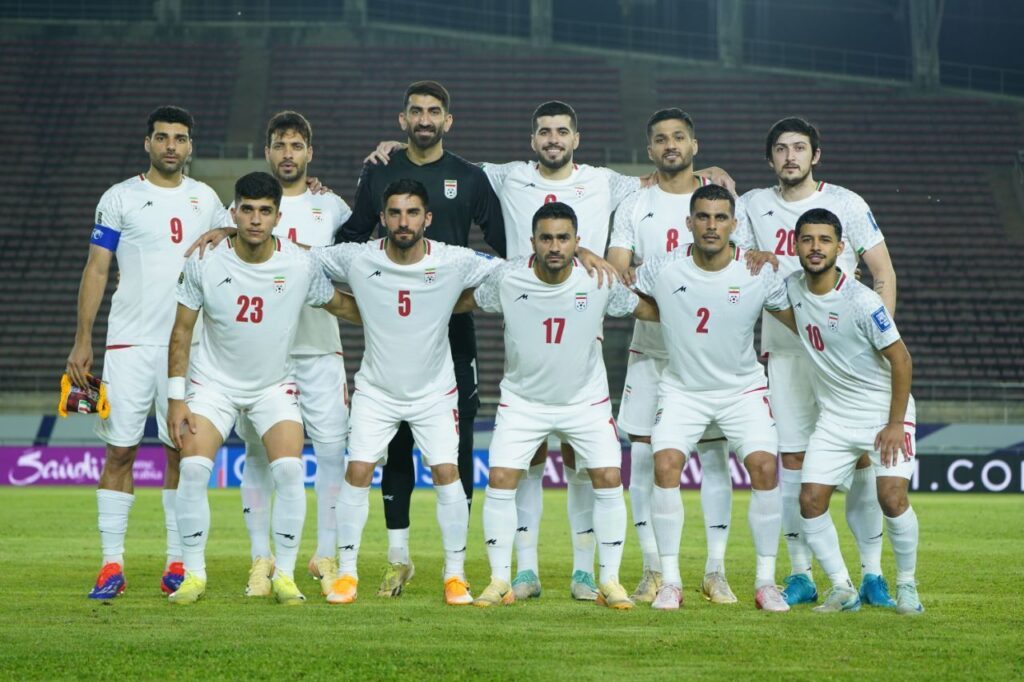
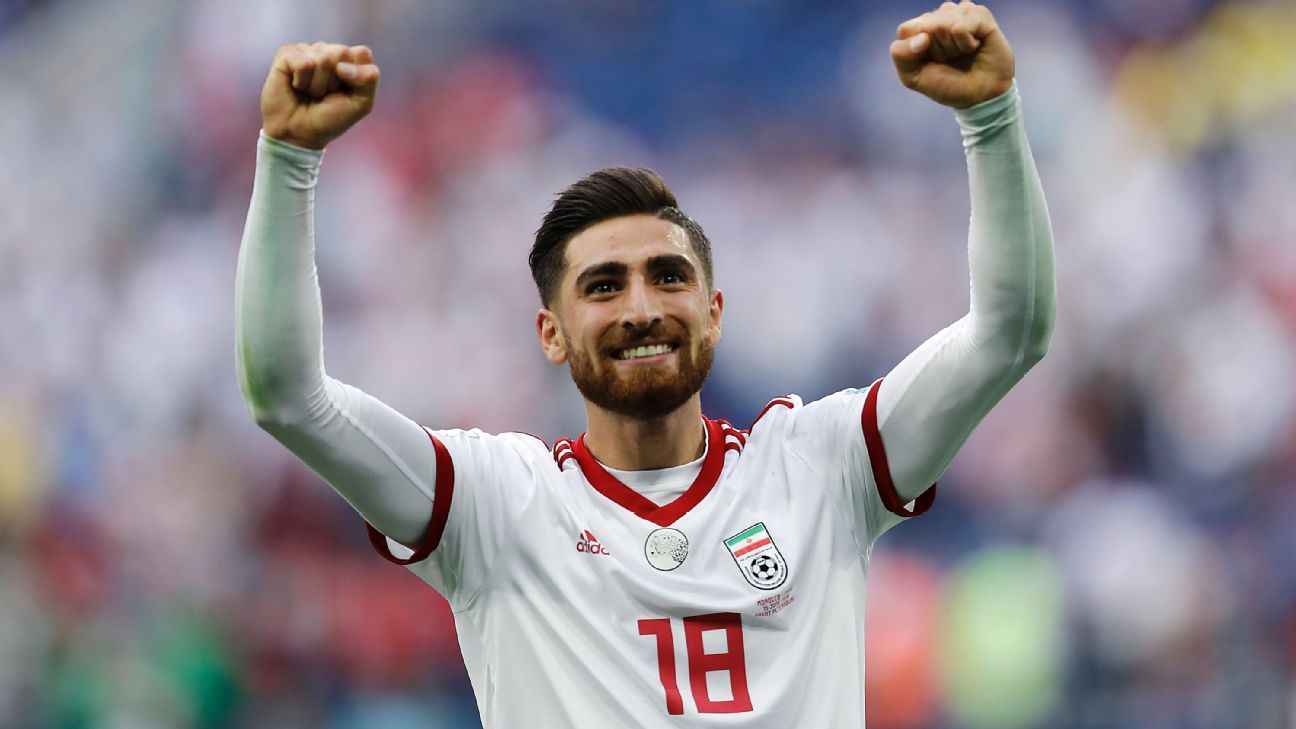
As Team Melli prepares for its second and final fixture of the October FIFA window against Tanzania, the squad is poised to take the pitch with a new face wearing the captain’s armband. With the anticipated absence of senior figures Mehdi Taremi and the under-fire Alireza Jahanbakhsh, the leadership duty is expected to fall upon the experienced shoulders of defensive midfielder Saeed Ezzatollahi.

Ezzatollahi, a fixture in the national team since his debut as a 19-year-old in 2015, brings nearly a decade of international experience to the role. With 78 caps to his name, the 29-year-old has been a constant presence through the tenures of coaches from Carlos Queiroz to Dragan Skocic, establishing himself as a central pillar in Amir Ghalenoei’s current setup. The occasion holds a special significance for Ezzatollahi, as he will be representing Iran at the home stadium of his club, Shabab Al-Ahli, in what promises to be a source of double motivation.

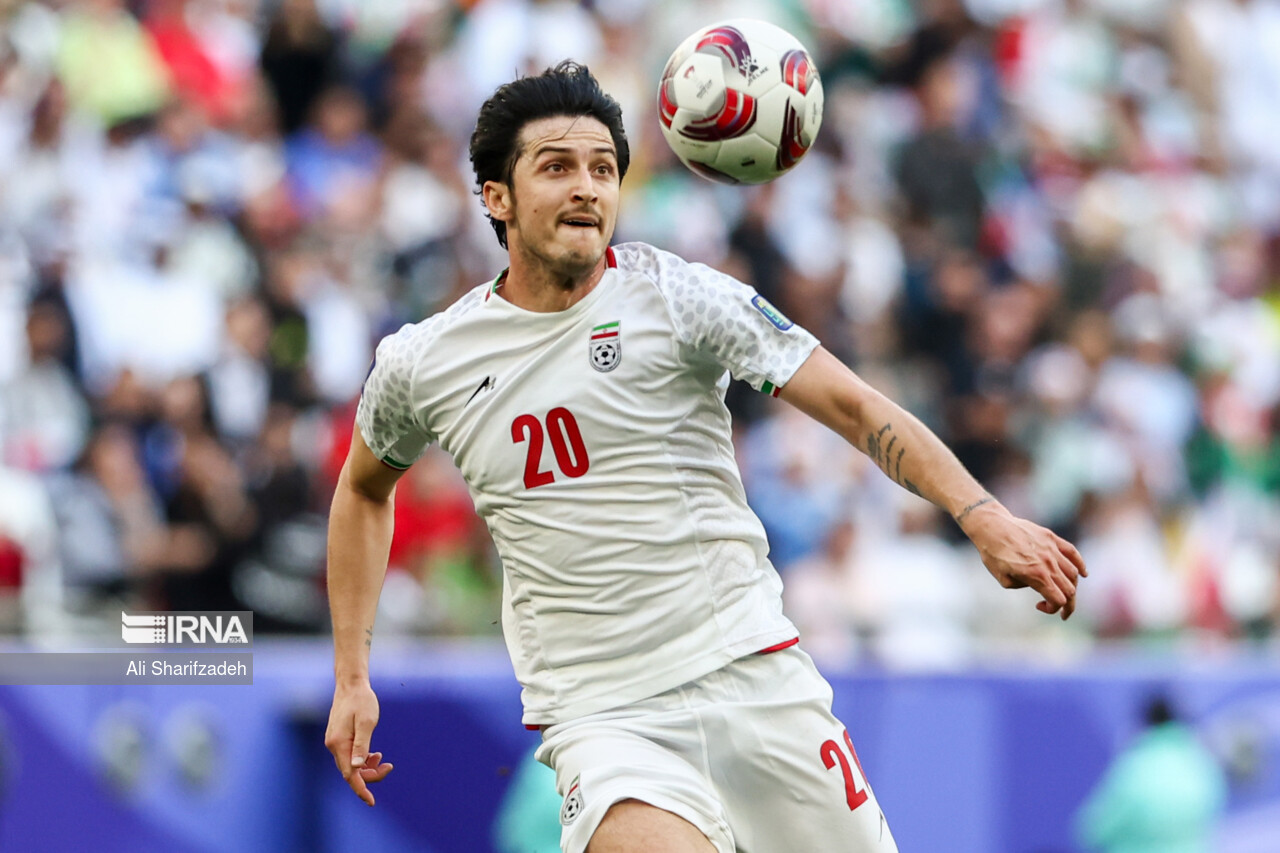
He will not be alone in providing leadership. Saman Ghoddos, another key legionnaire based in the UAE Pro League, is also part of the team’s leadership group. Fresh off a spectacular assist in the recent match against Russia, Ghoddos will be looking to build on that form in Dubai and cement a more prominent role in Iran’s offensive machinery.

This friendly presents a critical opportunity for Ghalenoei to experiment with a new on-field hierarchy and test different tactical combinations as the long-term preparation for the 2026 World Cup continues.

Anticipated Lineup Changes and Tactical Puzzles

The match is expected to feature several changes to the starting eleven that faced Russia:

  • Defensive Reshuffle: Milad Mohammadi, newly recalled to the squad, is likely to start at left-back, replacing the out-of-position central defender Ali Nemati. This move aims to add genuine width and defensive stability to the flank.
  • Attacking Options: In the absence of Taremi, Ghalenoei could choose to start either Kasra Taheri or Allahyar Sayyadmanesh, or even utilize both in a dynamic attacking setup.
  • Midfield Creativity: To address the lack of creative impetus, there is a strong possibility that Javad Hosseinnejad could be handed a start to inject inventiveness into the midfield.
  • Defensive Concerns: The central defensive partnership of Aberghouei and Khalilzadeh, who were at fault for both goals conceded against Russia, is also under review. However, Ghalenoei’s options are limited. The lack of pace in the heart of the defense remains a significant vulnerability, one that the speedy Tanzanian attackers will be eager to exploit.

The friendly against Tanzania is more than just a fixture; it is a laboratory for Ghalenoei. It is a chance to assess new leaders, rectify visible weaknesses, and build momentum before the crucial World Cup campaign resumes.

Match Details:

  • Teams: Iran vs. Tanzania
  • Venue: Rashid Stadium, Dubai
  • Date & Time: October 14, 2025; 19:00 Local Time (18:30 Iran Time)

Iran Falls 2-1 to Russia in World Cup Preparatory Friendly

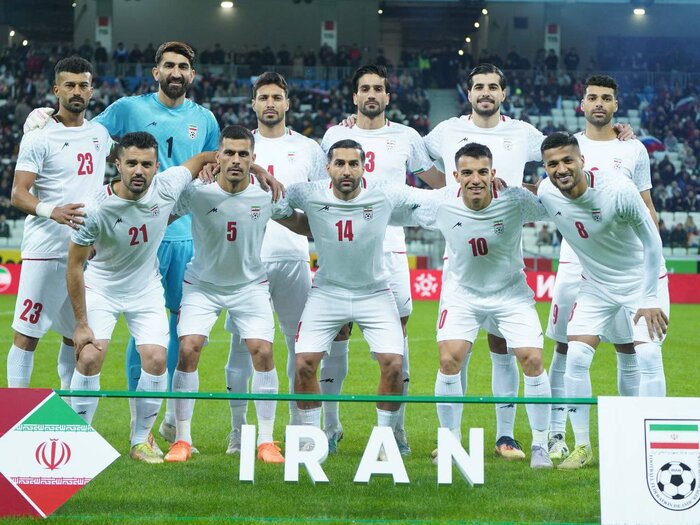
The Iranian national football team continued its preparations for the 2026 World Cup with a 2-1 defeat against Russia in a spirited friendly at a packed Volgograd Arena on Thursday. Despite a second-half equalizer from Amirhossein Hosseinzadeh, a decisive strike from Russia’s Batrakov sealed the victory for the hosts.

The match was steeped in a World Cup atmosphere, with the Russian hosts recreating the pomp of the 2018 tournament. The pre-match ceremony featured the shirts of both nations covering the pitch, and the national anthems were met with a roaring welcome from the 42,000-strong capacity crowd.

Match Summary

  • 22′ (Russia): Rubiev opened the scoring with a calm finish after a beautiful through pass left him one-on-one with Iranian goalkeeper Alireza Beiranvand.
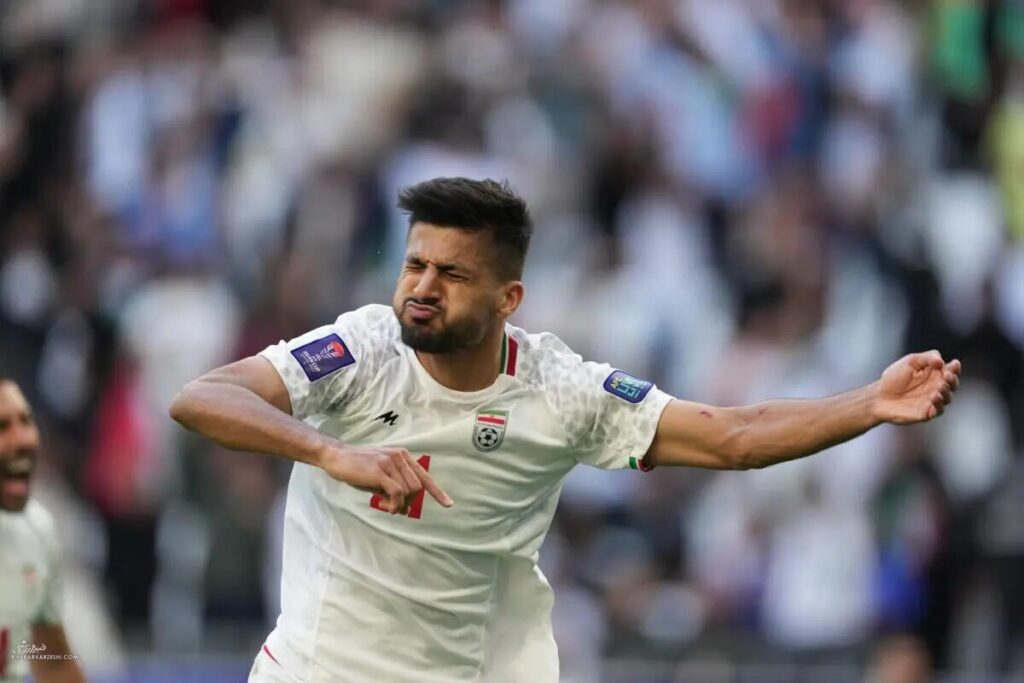
  • 50′ (Iran): Amirhossein Hosseinzadeh leveled the score, tapping into an empty net after a wide pass from Saman Ghoddos found him unmarked in the box.
  • 70′ (Russia): Batrakov secured the win for the hosts, firing a precise shot past Beiranvand from the edge of the penalty area after a cleared header fell to his feet.

A Tale of Two Halves

Iran, fielding a blend of youth and experience, started the brighter of the two sides. They controlled possession in the opening minutes and pinned the Russian team in their own half, though they failed to create any serious chances.

After the initial pressure, the game shifted. Russia grew into the match and began dictating the tempo, with their pressure culminating in Rubiev’s 22nd-minute opener. Iran was nearly dealt a second blow just four minutes later, but a crucial goal-line clearance from Shoja Khalilzadeh bailed out Beiranvand after a mistaken charge from his line.

The second half began promisingly for Team Melli, who found an immediate response. Hosseinzadeh’s timely run and finish five minutes after the restart seemed to set the stage for a strong comeback. The Move started by Ramin Rezaein to Saman Ghoddos, whose brilliant cut, split the Russian defense for Hosseinzadeh to slot the ball easily for the equalizer.

However, Russia reasserted its dominance as the half progressed. The home side controlled possession and created several threatening opportunities before Batrakov’s powerful strike ultimately decided the contest. Coach Amir Ghalenoei responded by introducing fresh legs like Kasra Taheri for his debut and Mohammad Ghorbani, but despite improved pressure in the final stages, Iran could not find a second equalizer.

Key Takeaways and Looking Ahead

While the Iranian team showed moments of promise and a better overall performance compared to recent outings, defensive vulnerabilities proved costly. Both goals conceded highlighted ongoing issues in the team’s defensive structure that will need addressing ahead of the World Cup.

Team Melli will continue its preparation campaign with another friendly against Tanzania on Tuesday in the UAE.

Iran’s Starting XI: Beiranvand; Rezaian, Khalilzadeh, Abarghoei, Nemati; Ezzatollahi (77′ Ghorbani), Norafkan; Ghoddos (77′ Taheri), Mohebi, Hosseinzadeh; Taremi.

Team Melli adds Eleven Players Ahead of Final World Cup Qualifiers

According to the official website of the Football Federation, the coaching staff has added eleven players to the national squad attending the training camp ahead of the final two qualifiers for the 2026 FIFA World Cup.

The team is set to face Qatar on June 5th in Doha, followed by a match against North Korea on June 10th at Azadi Stadium in Tehran. These final fixtures are expected to see several changes to the regular lineup.

The following players have been added to the squad, which so far has comprised mainly of domestic league talents:
Mohammad Mehdi Zare (Gol Gohar Sirjan), Sadegh Moharrami (Dinamo Zagreb), Amir Mohammad Razaqnia (Gol Gohar Sirjan), Saeed Ezzatollahi (Shabab Al-Ahli), Saman Ghoddos (Ittihad Kalba), Mohammad Ghorbani (Al-Wehda), Mehdi Ghaedi (Ittihad Kalba), Javad Hosseinnejad (Dinamo Makhachkala), Shahriar Moghanlou (Ittihad Kalba), Seyyed Majid Hosseini, (Kayserispor) and Mehdi Taremi (Inter Milan).

Arrival Schedule:

  • Mehdi Taremi will join the camp in Doha following the UEFA Champions League final.
  • Seyyed Majid Hosseini is expected to arrive after the conclusion of the Turkish Süper Lig season.
  • Saman Ghoddos will join the squad on May 30th after returning from Sweden and attending to family commitments.
  • Mohammad Mehdi Zare, Sadegh Moharrami, Amir Mohammad Razaqnia, and Mohammad Ghorbani will begin training with the national team tomorrow (Thursday).
  • Javad Hosseinnejad, Saeed Ezzatollahi, Shahriar Moghanlou, and Mehdi Ghaedi will report to camp on Friday.

Additional players are expected to be called up following the Hazfi Cup final between Esteghlal and Malavan.

Notable Absentees:
The team will be without Alireza Jahanbakhsh (SC Heerenveen), Sardar Azmoun (Shabab Al-Ahli), Ali Gholizadeh (Lech Poznan), and Mohammad Mohebi (FC Rostov), who are sidelined due to injuries and medical concerns.

There are two more players who are not on the list, Ahmad Nourollahi (Al-Wehda) and Mehdi Zare (Tractor) , who seem to be at odds with the head coach, Ghalenoei. The Former has been omitted form the list while the latter who was on the initial list , refused the call-up in protest of unfair and biased practices in the selection process and playing time in Team Melli.

Team Melli One Step Away from FIFA World Cup 2026 Qualification After 2-0 Victory Over UAE

Team Melli is now just one point away from securing a spot in the FIFA World Cup 2026 – to be held in Canada, Mexico, and the USA – after defeating the UAE national football team 2-0 at Azadi Stadium.

The match, played under heavy rain, saw a strong turnout from fans but was unexpectedly disrupted due to stadium lighting issues. The Korean referee, Ko, was forced to halt the game for nearly 30 minutes. While television broadcasts did not indicate a significant reduction in visibility, one of the floodlight towers suffered multiple failures, reportedly falling below the minimum requirement for play.

Match Summary

From the opening whistle, Team Melli took the initiative, launching relentless attacks. In the 8th minute, Sardar Azmoun delivered a precise pass to Mohammad Mohebbi, but the Rostov forward squandered a golden opportunity with a weak shot, which UAE goalkeeper Khalid Eissa comfortably cleared.

Iran dominated possession, with midfielders Saman Ghoddos and Roozbeh Cheshmi effectively controlling the game and closing down spaces, preventing the UAE from creating meaningful chances.

The breakthrough came just before halftime when Ghoddos lofted a perfectly placed ball into the box. Azmoun rose above two defenders and powered a header past Eissa, giving Iran a well-deserved 1-0 lead.

The UAE had a rare chance to equalize after an uncharacteristic mistake by Ghoddos, whose misplaced pass was intercepted, leaving the Emirati forward one-on-one with Alireza Beiranvand. However, the striker failed to capitalize, sending his shot wide.

Second Half Action

Iran continued their high-pressing approach in the second half, denying the UAE time on the ball. Midway through the half, Mohebbi seemed to have doubled the lead after an impressive solo run from the halfway line, but his goal was ruled out for a marginal offside.

Mohebbi, however, was not to be denied. Minutes later, he found the net again—this time legally—after receiving a precise assist from Mehdi Ghaedi. His composed finish secured a 2-0 victory, sending the home crowd into celebration.

Despite several missed chances in the latter stages, the win moves Iran within touching distance of their seventh World Cup qualification. Under the guidance of their national coach, Team Melli now needs just a draw in their next match against Uzbekistan to officially book their ticket to the finals.

Mohebbi, who was voted Man of the Match, received a yellow card from referee Ko, ruling him out of the crucial fixture against Uzbekistan on the 25th March.

Squad update ahead of Kyrgyzstan match.

Team Melli will leave for Bishkek at 5 pm local time on a direct flight to the Kyrgyz Republic capital for the first match of the return round of FIFA World Cup 2026 qualifiers.

Missing from the squad will be three players.

Mohammad Mohebbi: The star of the game against Korea DPR and the scorer of a brace has received a knock and seems to be doubtful. It is not clear if he will fly with the team and if the coaching staff would utilize him for the game against Kyrgyzstan after passing a fitness test. His absence will be a blow for the team, especially as he has scored four goals in two games in the qualifiers.

Saman Ghoddos, whose injury has been diagnosed as more serious than initially thought, will not accompany the squad and instead will head back to the UAE for observation and treatment by his club medical team. Ghoddos did not play against North Korea on Thursday.

Shoja’a Khalilzadeh: His red card against Korea DPR means an automatic suspension, and he will not accompany the team to Bishkek.

Doubtful cases:
Sardar Azmoun: The center forward of Team Melli who has been in excellent form recently, received a knock in the last game against Korea DPR. Coach Ghalenoei p[ted to substitute him in the middle e of the second half. No further report of complications or the extent of the injury has been made public. Azmoun. however, is on the passenger manifest of the flight. His game time will be decided by Ghalenoei on Tuesday.

Iran vs Qatar: Who dares wins.

Team Melli Prepares for Crucial Showdown Against Qatar in World Cup 2026 Qualifiers

On Tuesday, Iran’s national football team, Team Melli, will face AFC Asian Cup holders Qatar in Dubai for a pivotal match in Group A of the FIFA World Cup 2026 third-round qualifiers. Both teams are vying for qualification to the prestigious tournament, with Iran and Uzbekistan currently tied at the top of the group on seven points, ahead of the UAE and Qatar, who each have four points. This match represents a significant opportunity for both sides to either consolidate or reinvigorate their campaign as they inch closer to World Cup qualification.

The Dubai Venue: A Blessing in Disguise

While many Iranian football fans and pundits lament the fact that Team Melli has been denied the opportunity to host this match on home soil, playing in Dubai may, in fact, prove advantageous for the team. Iran’s football infrastructure has been under scrutiny for years, and the current state of the pitches—especially as the iconic Azadi Stadium undergoes construction and maintenance—is widely regarded as subpar. In a country with a deep footballing history, it is a matter of national embarrassment that Iran lacks proper pitches, forcing matches to be played on surfaces that are sometimes no better than “cattle grazing grounds.”

Beyond the poor pitch conditions, organizational and logistical issues have plagued Iranian football for some time. These include chaotic fan entry procedures, frequent promotion of political propaganda during matches, heavy-handed security, unruly fan behavior, and restrictions on women entering stadiums.

In contrast, Dubai is an exemplary venue for hosting top-tier international football. The city, like Doha, boasts professional and efficient sporting event management. The superior facilities, along with the fact that Dubai hosts a large and passionate Iranian expatriate community, means that Team Melli will likely enjoy strong support from the stands, creating a home-away-from-home atmosphere. This level of comfort could be vital for the team, as they aim to secure all three points.

Team Melli’s Lineup and Tactical Challenges

Despite the absence of three key players due to injury or suspension, Team Melli enters the match with a slight edge over Qatar, both in terms of experience and talent. However, the long-standing concern for Iran has been the predictability of its tactics. Under the guidance of head coach Amir Ghalenoei, the team has stuck to a direct style of play, often relying on “route one” football—long balls and counterattacks. This approach has neither been attractive to watch nor particularly effective, especially considering Iran boasts two of Asia’s most talented forwards, Mehdi Taremi and Sardar Azmoun.

Shockingly, between Taremi and Azmoun—who are considered among the continent’s elite strikers—there has been just one goal scored in Team Melli’s first three matches of the qualifiers. Iran’s total of two goals in those games is woefully low, especially for a team with such firepower. While some of the blame can be attributed to poor finishing, a deeper analysis reveals that the style of play is a major factor. The lack of creativity and quality in service from midfield has resulted in few genuine scoring opportunities for Taremi and Azmoun.

Ghalenoei’s focus on defensive solidity has come at the expense of offensive fluidity. The forwards have been isolated, often relying on half-chances to make an impact. If Iran is to improve its scoring output, the coach may need to adopt a more balanced approach, allowing the midfield to support the attack more consistently.

Qatar’s Resurgence and Threats

Qatar, on the other hand, has shown steady improvement since their disappointing home defeat against the UAE on the opening day of the qualifiers. The reintroduction of defensive stalwarts Abdulkarim Hassan and Boualem Khoukhi has shored up the backline, while their attack, led by the dynamic duo of Akram Afif and Almoez Ali, continues to be dangerous. Unlike Iran, Qatar has shown clinical finishing ability, often converting half-chances into goals. This efficiency in front of goal could be a decisive factor in Tuesday’s match.

Qatar’s counter-attacking style and ability to capitalize on mistakes make them a dangerous opponent for Team Melli. The Iranian defense will need to remain organized and vigilant, as Afif and Almoez have the pace and skill to punish any lapses in concentration.

Iran’s Key Players and Defensive Resilience

While Iran’s attack has struggled, their defense has been one of the team’s bright spots, keeping a clean sheet through the first three matches of the qualifiers. Much of this defensive solidity is owed to the emergence of Ali Nemati, who delivered a standout performance in his debut against Uzbekistan. Nemati’s calm and assured presence in the backline, stepping in for the injured Hossein Kanaanizadegan, was a revelation. If he can replicate that form against Qatar, Iran’s defense will have a solid foundation to build on.

In midfield, Saeid Ezatollahi has also begun to rediscover his form. After a string of underwhelming performances, the Shabab Al-Ahli midfielder put in a commanding display in the last match. Playing on his club’s home ground in Dubai, Ezatollahi will be expected to pull the strings and control the tempo of the game. The absence of the suspended Saman Ghoddos places extra creative responsibility on Ali Gholizadeh and Mehdi Ghayedi, both of whom have the flair and skill to unlock defenses. If Ghalenoei opts to start these two dynamic players, Iran could pose a more varied and unpredictable attacking threat.

Taremi and Azmoun: Time to Deliver

For all of Iran’s defensive resilience, the onus will ultimately fall on Taremi and Azmoun to deliver in front of goal. Both players have been underperforming for Team Melli in recent games, and their form will be crucial if Iran is to break down Qatar’s defense. In a match of this magnitude, the big players need to step up, and Taremi and Azmoun must rediscover their scoring touch if Iran is to secure the win and remain atop Group A.

A Match of Fine Margins

Tuesday’s clash in Dubai promises to be a tight, tense affair, with both teams capable of taking all three points. While Iran may hold a slight advantage on paper, Qatar’s recent resurgence and clinical finishing mean that the match could swing either way. For Team Melli, a win would solidify their position as group leaders and bring them one step closer to World Cup qualification, while for Qatar, a victory would reignite their campaign.

As both teams prepare for this crucial encounter, the stage is set for an intriguing contest between two of Asia’s footballing giants.

Saman Ghoddos Joins Ittihad Kalba: The Third Iranian Star in UAE League

Saman Ghoddos has officially signed with Ittihad Kalba, becoming the third Iranian player to join this UAE Pro League team.

After being released by the English Premier League club Brentford at the end of the season, the Team Melli midfielder faced challenges in finding a new club in Europe. Despite his qualities and commitment, clubs in his home country of Sweden were also reluctant to offer him a contract.

Eventually, Ittihad Kalba, a lower-ranked UAE club, showed interest. The prospect of joining two of his Team Melli teammates, combined with a lack of other offers, led Ghoddos to sign with Kalba. Mehdi Ghayedi and Shahriar Moghanlou, the two other Iranian players at Ittihad Kalba, have already made their mark, with both players featuring in the club’s recent match against Khor Fakkan and scoring the two goals that registered the first win of the club in this season.

It is quite disheartening to see talents like Ghoddos and Sardar Azmoun end up in a league of lower stature compared to the elite European leagues. The question arises as to how such promising careers, especially Azmoun’s, can take such a downturn, leading them to play in leagues of much lower standards. This situation often reflects the players’ mentality, commitment, and mental toughness.

Ghalenoei and Ghoddos on touchline

The Declining Quality of Players in Iran’s Domestic League: Are Selections Truly Based on Merit?

The latest roster for Iran’s national football team, announced for the upcoming FIFA matches against Kyrgyzstan and the UAE, has sparked significant debate. The declining quality of players in the Iranian Premier League has left Team Melli’s coach, Amir Ghalenoei, with difficult choices. While Ghalenoei has made efforts to address fans’ concerns and silence his critics, especially regarding his tendency to select the same veteran players, his latest squad decisions have raised questions about whether the selections are truly merit-based.

The Biggest Challenge

The declining standard of Iran’s league and the failure of the system to produce quality players at age levels and senior level remains the greatest challenge to any selector. Watching a domestic league football in Iran leaves a bad taste for football enthusiasts. Poor tactical and techniques, lack of players’ skills, sub-standard coach, lack of professionalism amongst players and staff, poor status of the pitches and general lack of managerial and organizational management that is rife in Iran, have resulted in poor product that is getting worse over the years. As such, the hands of Team Melli’s coach are tied, but even considering all those negative factors, many believe that Ghalenoei can do much better.

The Controversial Selection Process

Ghalenoei’s player selections have often been met with controversy and inconsistency. What he preaches to the press does not always align with his practices on the field.

Players Who Don’t Deserve Their Spot, while others are ignored.

Critics argue that Ghalenoei has included players who are either not physically ready, out of form, or simply lacking the quality to be part of the national team. While other deserving players are excluded. For instance, the exclusion of Ramin Rezaian, despite his excellent performances for Esteghlal in the new season, is puzzling. Rezaian has scored two goals and provided one assist in the last three weeks, earning praise from critics and fans alike. When questioned, Ghalenoei would likely justify this by citing his new policy of injecting youth and energy into the team, exemplified by the inclusion of 18-year-old goalkeeper Arsha Shakuri.

On the other hand, players like Saeed Saharkhizan and Mohammad Javad Hosseinnejad, who have been performing admirably in the Russian league, were overlooked. Hosseinnejad even scored a brilliant goal last week for his club, yet this wasn’t enough to earn him a place in the national squad.

The Shortage of Quality Players

The lack of high-quality, young players in Iranian football has left Ghalenoei with no choice but to rely on experienced familiar faces. In the midfield, the same regular players have been selected, which is understandable given the circumstances. However, some of these choices are questionable and even indefensible.

Saeid Ezatollahi
Ezatollahi, who plays for Shabab Al-Ahli, hasn’t played a single minute for his club due to recovering from a three-month injury. While Sardar Azmoun, his clubmate, is scoring regularly, Ezatollahi has just resumed serious training and is not yet in form for league competition. Yet, in Ghalenoei’s eyes, a fit but out-of-form player is good enough for selection. Ezatollahi, who has struggled throughout his career, remains a contentious choice, especially when players like Rouzbeh Cheshmi, with a proven track record, are ignored.

Arsha Shakouri
The young goalkeeper Shakouri, despite his potential, has shown inconsistency this season. While he did keep a clean sheet against Zob Ahan, he conceded five goals in the matches against Khyber Khorram Abad and Tractor. Meanwhile, Mohammad Reza Akhbari, who has two clean sheets and former national team experience, was left out of the squad. This raises questions about the criteria used for player selection and whether these decisions are truly data-driven.

Questionable Veteran Selections

The inclusion of Saeed Ezatollahi, Alireza Jahanbakhsh, and Saman Ghoddos in the national team also raises eyebrows. Ezatollahi has not played since June 6 due to injury, while Jahanbakhsh and Ghoddos have struggled in Europe, losing their starting positions and failing to secure contract renewals. Both are now free agents, yet they remain key figures in Ghalenoei’s squad, highlighting the lack of depth in the Iranian domestic league and the challenges facing Team Melli.

Abolfazl Jalali
Jalali, a talented defender, has been selected despite being injured before the start of the season and having minimal playing time. While his quality is undeniable, the timing of his inclusion is questionable.

Ehsan Haj Safi
If Ghalenoei is serious about rejuvenating the team, excluding the captain might make sense. However, Haj Safi remains a regular starter for AEK Athens and continues to perform well. Ignoring him while selecting players like Khalilzadeh, who is 34 years old, seems contradictory.

Shoja’a Khalilzadeh
Khalilzadeh, a long-time national team regular known for his fighting spirit, has been selected again despite his declining pace and temperamental issues. Ghalenoei’s insistence on using the same defensive tactics and personnel, despite the defense being the weakest link, is a point of concern.

Conclusion: A Lack of Insight in Selections?

While a coach can only choose from the best players available, Ghalenoei’s judgment and decision-making continue to be questioned. His criteria for player selection remain an enigma, lacking clear insight and logic.


Team Melli Legionnaires: Navigating Uncertain Paths

As the end of 2023/2024 season, the future prospects of Team Melli’s legionnaire players hang in the balance. Unfortunately, their performances in European leagues have been less than stellar. Let’s delve into the individual stories of these key players:

Mehdi Taremi

In the 2022/23 season, Taremi dazzled as a key player for FC Porto, scoring 22 goals in 33 Primeira Division games. However, last season, contract negotiations and reduced playing time dimmed his star. Porto’s head coach favored other players, and Taremi featured in only 23 league matches, netting 6 goals. His heart now beats for a move to Inter Milan, although no official contract has been announced yet.

Sardar Azmoun

Azmoun’s loan spell at AS Roma in Serie A didn’t pan out as expected. Despite Bayer Leverkusen’s Bundesliga triumph, Azmoun played second fiddle to Lukaku and Dybala. His 23 appearances included just 3 starts, with 20 substitute roles. He found the net 3 times. AS Roma’s contract with Azmoun ends soon, and Leverkusen seeks offers—preferably an outright sale—to recoup their investment.

Alireza Jahanbakhsh

Jahanbakhsh’s stint at Feyenoord was forgettable. In 16 Eredivisie matches, he failed to score. Starting in only 3 games, he spent most of his time as a substitute. Feyenoord has let go of the 30-year-old captain and winger. Jahanbakhsh’s agents are actively scouting West European clubs, though Turkish sides have shown interest at lower wages.

Saman Ghoddos

Brentford’s Premier League journey didn’t feature Ghoddos prominently. His one-year contract expires soon, and the club shows no interest in an extension. Ghoddos made 19 appearances, mostly as a substitute, but did manage a memorable goal. His versatility caught the eye, but his next destination remains uncertain. Sweden beckons, but Ghoddos hopes for a more ambitious opportunity.

The Crucible Awaits: Team Melli’s Legionnaires

As the 2023/2024 season draws its final curtain, Team Melli’s legionnaire players find themselves at a crossroads. Their lackluster performances in European leagues cast shadows over their prospects. The stakes are high—the FIFA World Cup 2026 looms on the horizon, and Iran eyes a coveted spot among the final 48 teams.

The Unyielding Challenge

While Iran’s group isn’t insurmountable, the team’s fate hinges on its key players. Their game time and exposure to strong leagues will reverberate through every match. Can they rise to the occasion and propel Team Melli to glory?

The Race Against Time

With the 2024/25 season kicking off in August, these players face a tight schedule. Settling into new teams swiftly becomes paramount. As winter approaches, the four World Cup qualifying matches await—a litmus test for their mettle.

The arena awaits, and Team Melli’s fate hangs in the balance. Will these legionnaires seize their moment or fade into obscurity? Only time will tell.

Jahanbakhsh’s imminent departure from Feyenoord.

Reports in Dutch media predicted the departure of Team Melli winger Alireza Jahanbakhsh from Feyenoord at the end of the season.

Feyenoord has officially terminated Alireza Jahanbakhsh’s contract, making him a free agent at the end of the season. According to the Dutch media outlet “nu,” Feyenoord had a one-way option to extend Jahanbakhsh’s 30-year-old contract for one more year, but this extension needed to be activated before April 1. Since Feyenoord managers decided not to renew the contract, Jahanbakhsh’s departure from Feyenoord is now official. However, it’s important to note that Jahanbakhsh is not definitively separated from the club. As a free agent this summer, he can negotiate with other clubs, including Feyenoord. There’s a possibility that he may return under a different contract, similar to what happened with Saman Ghoddos last summer at Brentford. Nevertheless, given the current composition of Feyenoord’s players, it seems unlikely that he will remain with the team.

Jahanbakhsh joined Feyenoord in the summer of 2021, and this season he primarily served as a reserve player. He only started 2 games only while coming in from the bench 8 times. During the previous season, when Feyenoord won the Dutch championship, he played in 28 games scoring 5 goals. In addition to Jahanbakhsh, Costas Lampero, the reserve goalkeeper for the team, has also been informed that he can leave in the summer. The 32-year-old Greek player signed a one-year contract with Feyenoord last summer but did not play a single minute this season.

The 30-year-old winger has been experiencing a gradual decline in form both at club and international level.