An Analytical Assessment of Iran’s Shortcomings Following Its Defeat in the Final
Introduction
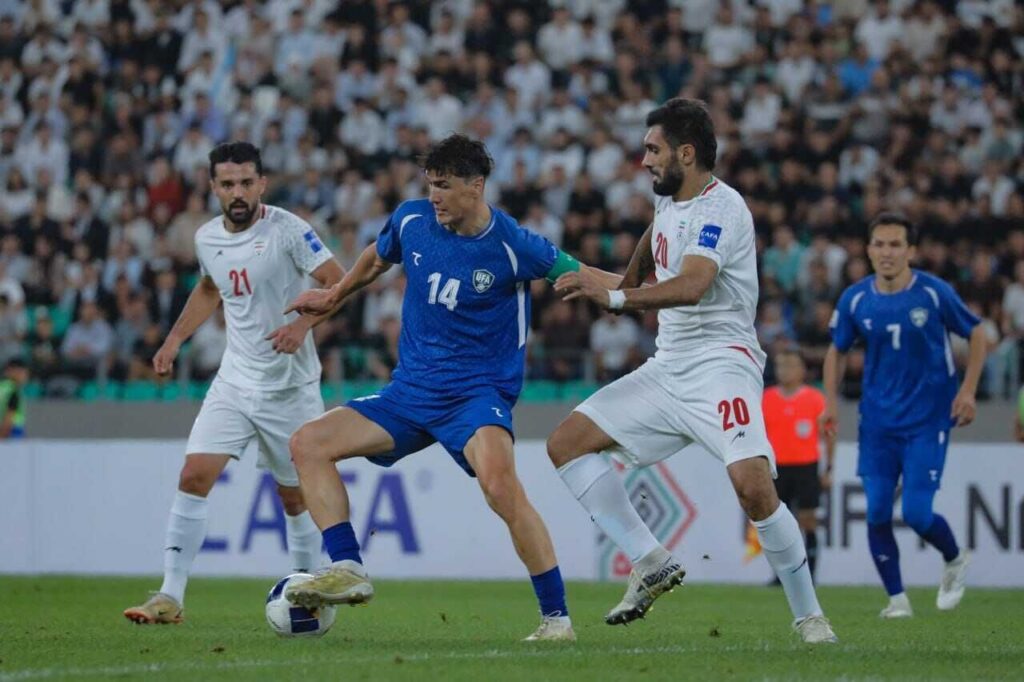
Team Melli’s campaign at the CAFA Nations Cup 2025 concluded in profound disappointment with a narrow defeat to Uzbekistan in the tournament final. Entering as the region’s overwhelming favorite, Team Melli’s journey was undermined by a host of structural and tactical deficiencies that ultimately prevented them from securing the title. This review offers a critical analysis of Iran’s performance, highlighting defensive frailties, midfield inefficiency, a lack of creativity, persistent disciplinary issues, questionable squad selection, and significant coaching shortcomings.
Defensive Vulnerabilities Exposed
Iran’s most glaring weakness throughout the tournament was its defense. The backline was repeatedly exposed, where it struggled to maintain shape and composure under the opponent’s pressure. Defenders displayed poor spatial awareness and were frequently caught out of position, creating dangerous opportunities for the opposition. Individual errors, missed tackles, misjudged clearances, and poor marking directly contributed to goals conceded at critical moments. A palpable lack of cohesion, compounded by communication breakdowns and an absence of authoritative leadership, turned these lapses from isolated mistakes into a recurring theme that doomed the campaign.
Midfield Inefficiency and Lack of Control
The midfield failed to provide a foundation for success, offering neither control nor creativity. Central players struggled to link defense with attack, often resorting to safe, sideways, or backward passes that slowed the tempo and allowed opponents to reorganize. There was a distinct lack of vision and inventiveness, with few attempts to break defensive lines or create meaningful chances for the forwards. Defensively, the midfield offered scant protection, consistently losing duels and allowing opponents to transition quickly and exploit space. This inability to dictate the game’s rhythm left Iran perpetually vulnerable and starved the attack of service.
A Persistent Discipline Problem
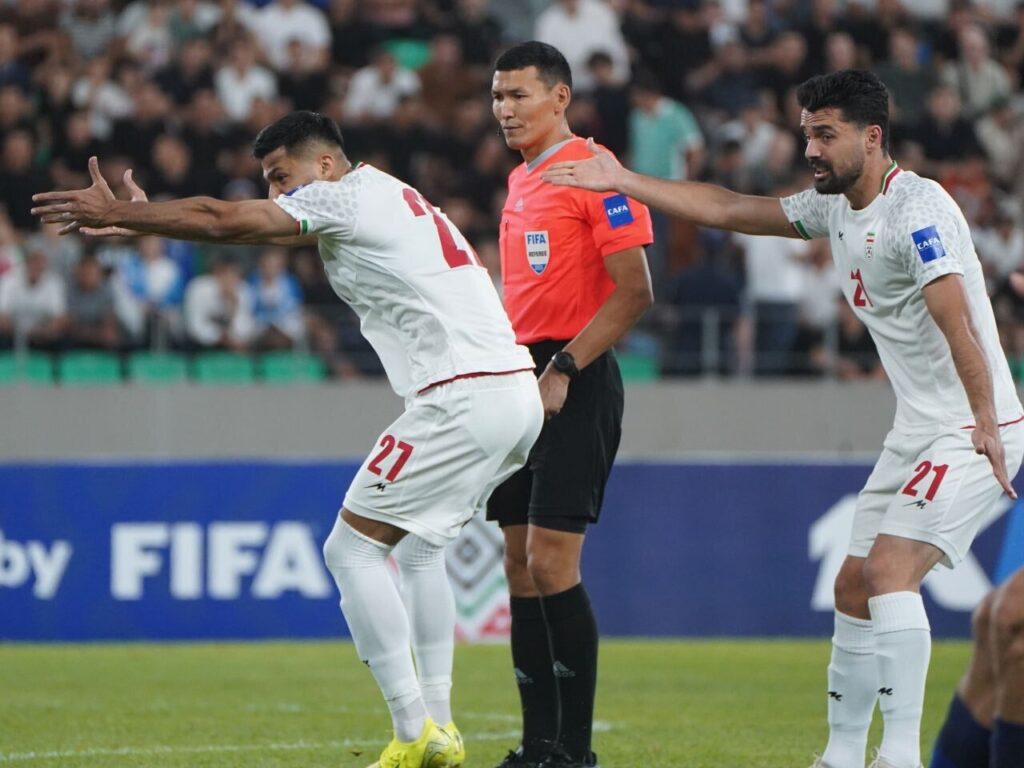
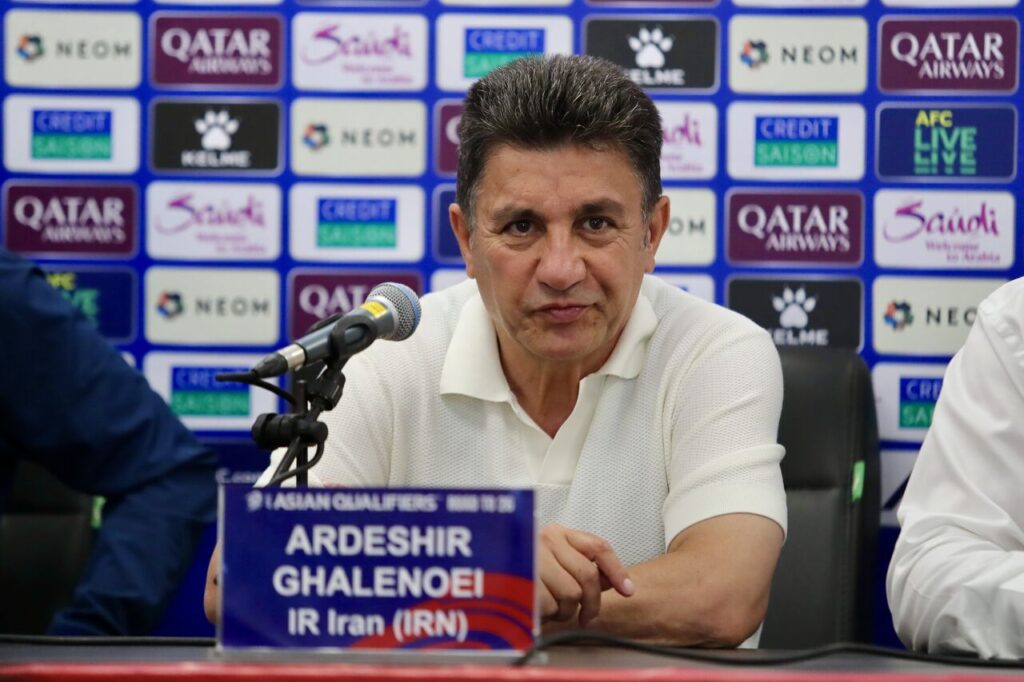
Discipline—both personal and tactical—remains a significant concern for Team Melli, a trend that has persisted throughout Amir Ghalenoei’s tenure. Individually, players committed unnecessary fouls in dangerous areas and showed lapses in focus, leading to costly bookings. Tactically, the team frequently abandoned its structure, chasing the ball and creating easily exploitable gaps. This lack of collective discipline undermined any semblance of organized play and is a fundamental issue that must be addressed.
Questionable Squad Selection and Quality
The composition of the squad itself raised serious questions. While credit is due for selecting players from the domestic league, the on-field performance of several individuals was well below the standard required for international football. Key positions were occupied by players lacking the necessary technical ability or tactical intelligence, and a lack of quality depth on the bench severely limited Iran’s options for in-game adjustments.
Naïve Coaching and Tactical Rigidity
The coaching staff’s game plan was notably naïve, lacking the adaptability and strategic sophistication needed for a high-stakes tournament. Iran’s approach was predictable, with little variation in attack and an over-reliance on individual brilliance over cohesive team play. Substitutions and tactical tweaks were often too late or failed to address the core problems, issues that were apparent even during the group stage. The inability to respond to Uzbekistan’s tactical shifts in the final—even considering the gallant effort of playing a man down—exposed a critical lack of preparation and flexibility from the bench.
Conclusion and a Broader Concern
Team Melli’s defeat in the CAFA final is a stark reminder of the immense work required before the 2026 World Cup. To regain regional prominence and prepare for the global stage, Iran must take decisive action: solidify the defense, inject creativity into the midfield, enforce higher disciplinary standards, select players based strictly on merit, and adopt a more sophisticated and adaptable tactical approach.
This tournament also highlighted a disturbing broader trend: the steep decline in the standard of the Iranian domestic league. This was evident in the performances of many league-based players. The fact that Iran now has only one representative in the AFC Champions League Elite, down from four in recent years, underscores this deterioration. This decline is exacerbated by a distorted economic reality where clubs like Esteghlal and Persepolis, receiving significant state support, pay astronomical wages in a struggling economy, yet suffer humiliating results, such as Esteghlal’s 7-1 defeat to UAE’s Al-Wasl.
This is a reality check for Iranian football. The production line of quality players has deteriorated. The few talented individuals must be professionally coached and managed to salvage pride at the 2026 World Cup.
Player Ratings
- Payam NIAZMAND (4/10): Not an assuring performance across four games against inferior opposition. A worrying sign for the goalkeeping position.
- Aref AGHASI (4/10): Underwhelming. Numerous shortcomings have rightfully placed his selection under scrutiny.
- Ali NEMATI (5/10): Failed to live up to expectations based on his club form. Has yet to prove he deserves a starting role.
- Arya YOUSEFI (5/10): Inconsistent. His poor tackle in the final was unfortunate but costly. Often the target of the manager’s vocal criticism.
- Hossein KANANI-ZADEGAN (7.5/10): Proved his value when on the pitch, arguably the best defender. However, his known disciplinary liability remains a concern.
- Saman GHODDOS (5/10): A disappointing tournament from an expected maestro. Lacked creativity, was anonymous in matches, and showed no leadership as captain.
- Omid NOORAFKAN (6/10): Deployed in multiple roles and was solid, though not instrumental in changing the team’s results.
- Mohammad GHORBANI (5/10): Looked lost and unsure of his role. Needs to assert himself significantly to earn more playing time.
- Amir Hossein HOSSEINZADEH (8/10): A talented, opportunistic forward who was a menace to opponents and deserves more minutes.
- Shahriyar MOGHANLOU (4/10): International football appears beyond his tactical grasp. Offered very little.
- Mohammad MOHEBI (8/10): An established, consistent, and effective player despite limited time on the pitch.
- Mehran AHMADI (6/10): Limited appearance but showed some promising moves.
- Majid ALIYARI (8/10): A towering, clinical finisher. Did not get the playing time his two-goal debut deserved.
- Ali ALIPOUR (7/10): A hard-working forward who always gives his best, but lacks the elite technical skills for this level.
- Mehdi HASHEMINEJAD (8/10): An exciting player whose dribbling, runs, and shooting were a breath of fresh air.
- Ramin REZAEIAN (7/10): Remains a solid player whose flank runs and crossing were valuable. His petulance continues to mar his performances.
- Amin HEZBAVI (6/10): Rarely used and looked average, prone to errors when called upon.
- Mehdi TIKDARI (5/10): Another newcomer with limited time. A purely average performance.
- Alireza KOUSHKI (5/10): Minimal time and minimal impact.
- Mehdi TAREMI (7/10): Inconsistent and often faded from games. Seemed to lack his usual enthusiasm and will to influence play, mostly due to his concentration and quick trip to Athens..
- Mohammad KHODABANDEHLO (–/10): Insufficient time due to injury to rate.
- Mohammadmehdi MOHEBI (7.5/10): A promising player clearly on the rise.
- AliReza JAHANBAKHSH (6/10): A lack of competitive sharpness was evident. Provided one assist but was otherwise peripheral; his inclusion arguably blocked opportunities for others.