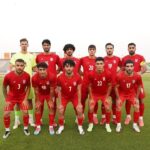
The failure to qualify from the group stages of the AFC U23 Asian Cup 2026 came as little surprise to most observers. From the outset, South Korea and Uzbekistan were the clear favorites—footballing nations that have established themselves as formidable rivals to Iran.
What proved truly shocking, however, was Iran U23 finishing bottom of their group and failing to score a single goal across three matches.
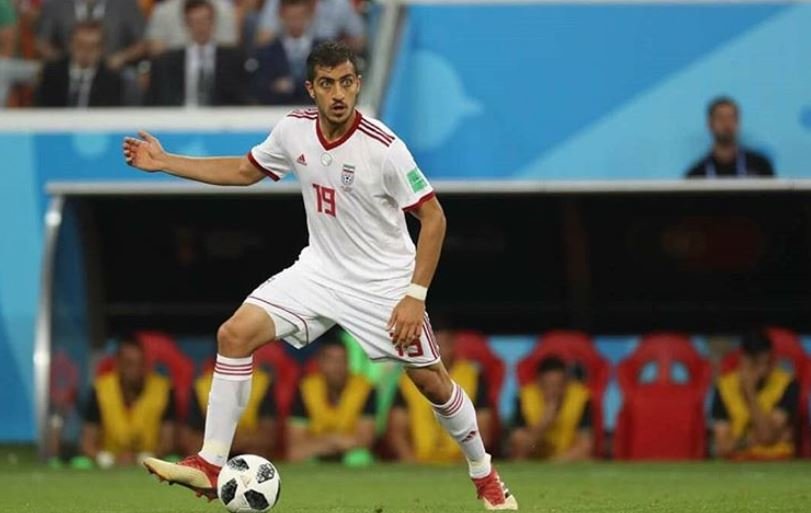
The irony is heightened by the Sports Minister’s prior prediction that this very team would qualify for the Los Angeles Olympics. One need not be an expert to recognize why this squad struggled to compete, yet progressing beyond the group stage was the minimum expectation held by supporters. It is worth recalling that this Omid Team effectively serves as the “B” side of Team Melli. These are not untested youngsters; there are no U15 or U19 players here learning their trade. All are active in domestic leagues, with several—such as Javad Hosseinnezhad, Reza Ghandipour, and Mohammadmahdi Zare—playing abroad as legionnaires. These are grown professionals expected to compete at football’s higher levels.
The U23 team’s performance reflects the broader decline of Iranian football. It mirrors systemic issues: a lack of quality, chronic mismanagement, inadequate coaching, and poor fundamentals and professionalism. The system that produces these players is inept, chaotic, and fundamentally broken. Iranian football has long relied on individual talent to produce moments of brilliance, but even that seems to be fading within the complexities of modern football. Tellingly, one of Iran’s most promising talents in recent years, captain Javad Hosseinnezhad, was left on the bench during a critical match. Whether due to injury or other reasons, his absence extinguished any hope that individual skill might turn the tide.
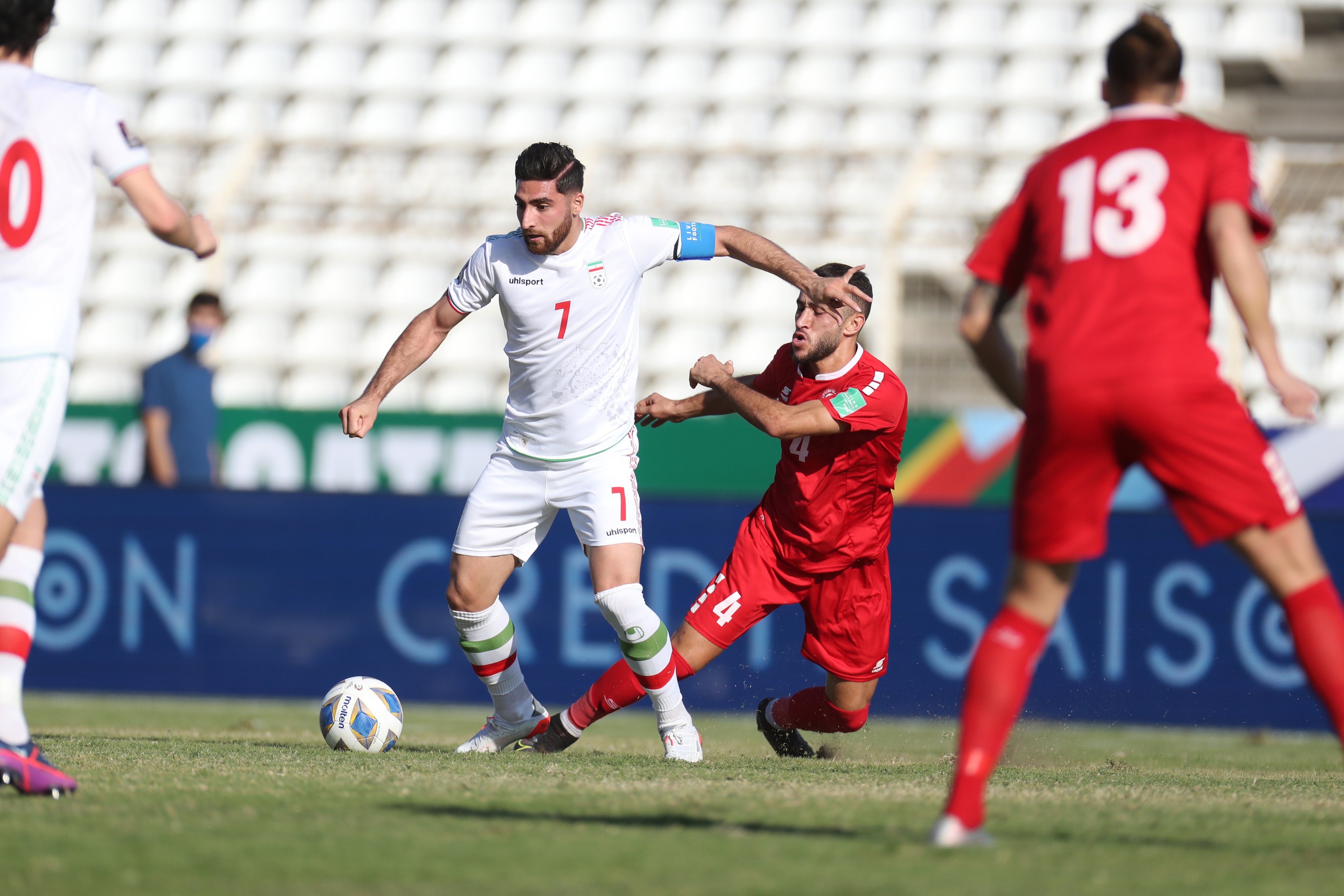
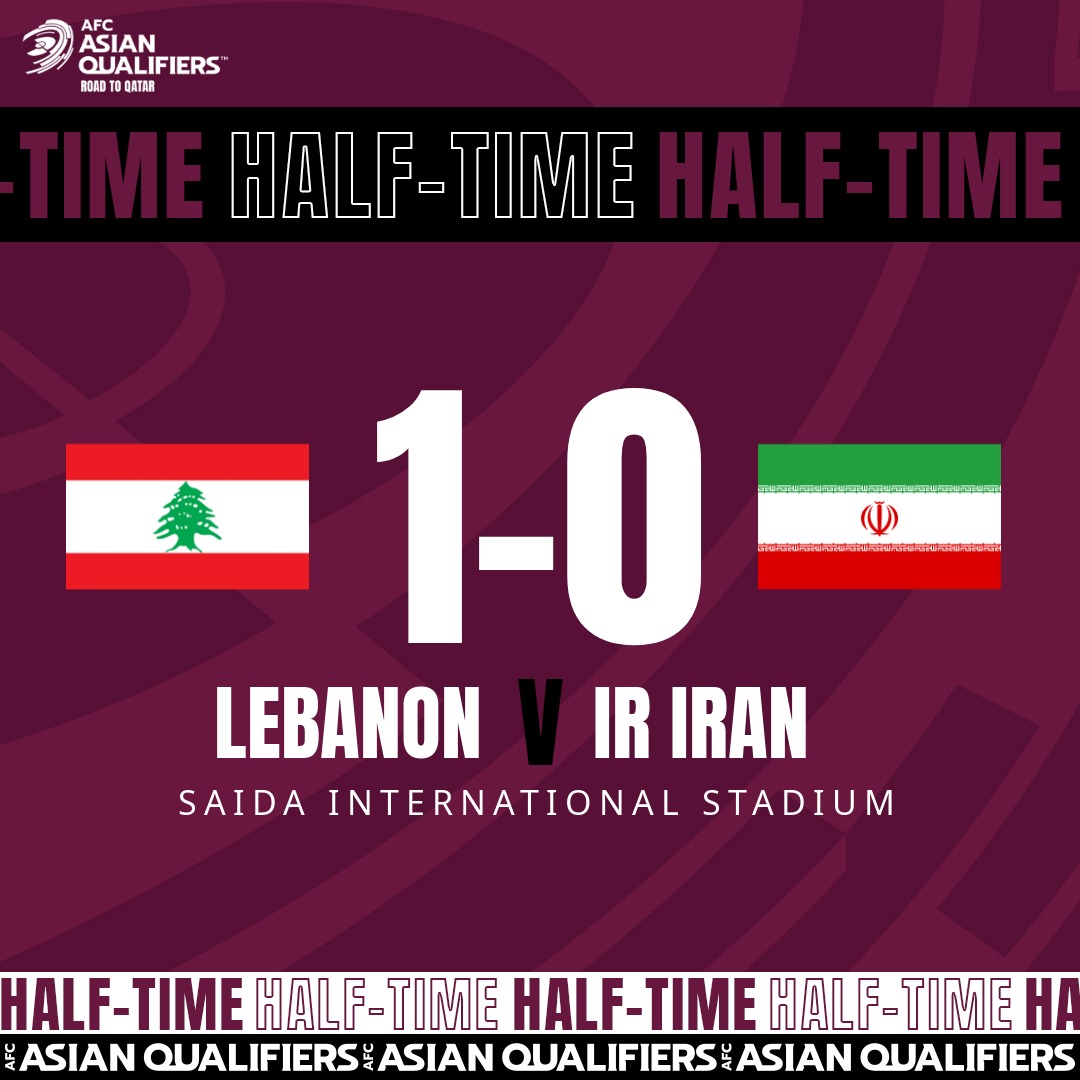
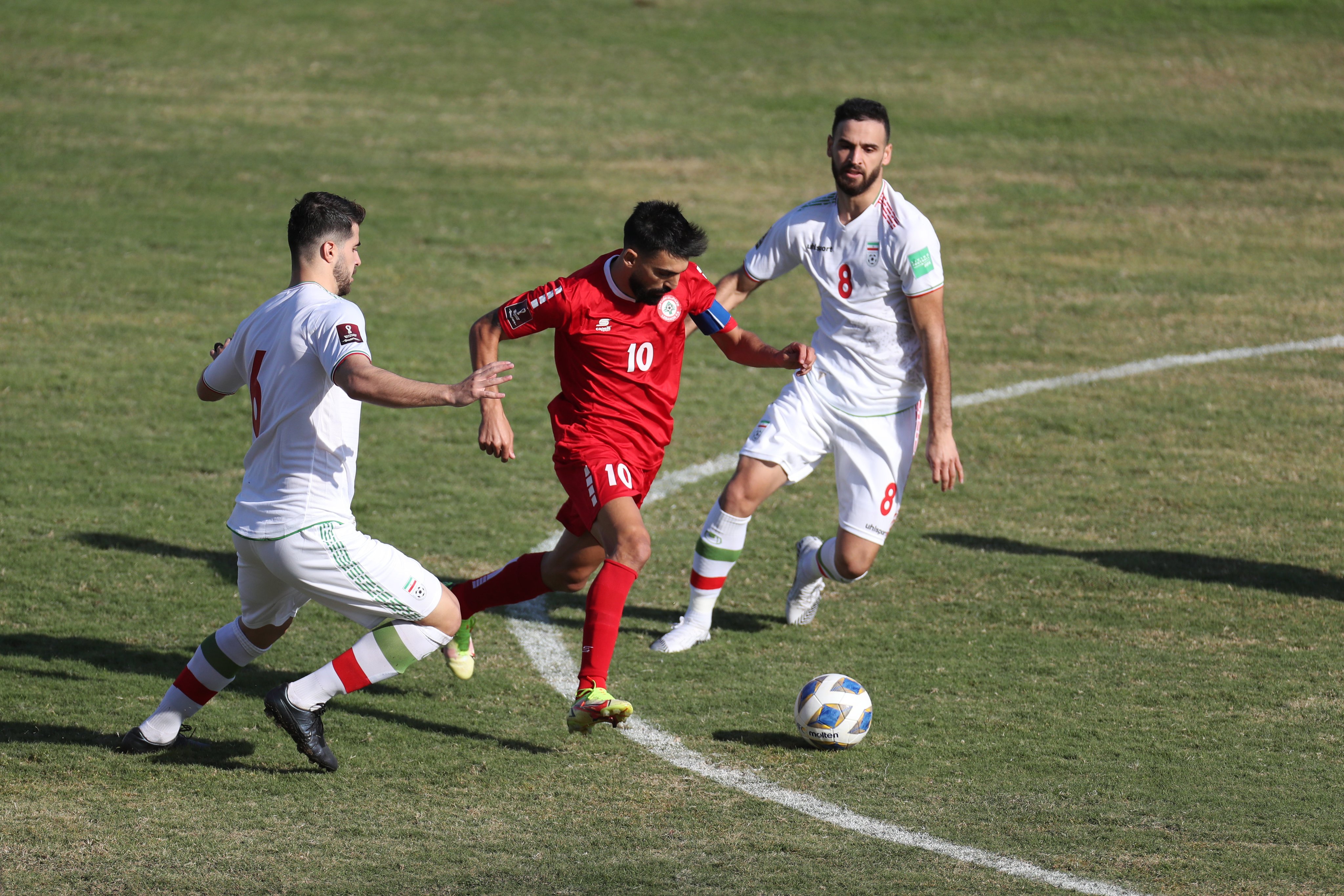
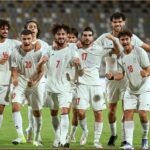
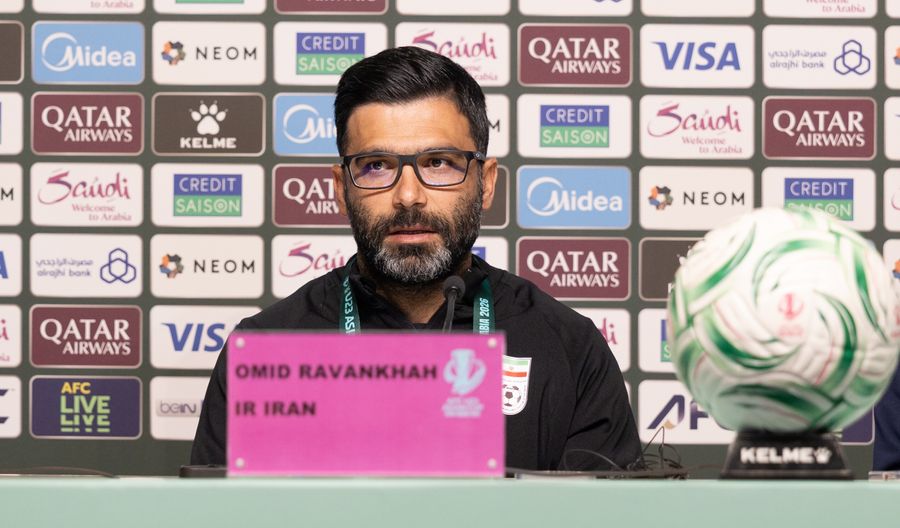
Lebanon, beaten by both South Korea and Uzbekistan, managed to defeat Iran U23 1-0 via a solitary penalty. Omid needed to win at least 2-0 to assure qualification after two goal-less draws with Korea Rep and Uzbekistan. There was ample time for the coach to adjust, to shift tactics, alter formations, and inject energy into the side following Lebanon’s goal. Yet Omidreza Ravankhah, arguably one of the least experienced coaches ever to lead the Omid Team, appeared out of his depth and devoid of solutions. While Ravankhah’s appointment warrants scrutiny, placing blame solely on him is misguided. The failure began many years ago within a system and an organization too dysfunctional to appoint qualified, competent leadership.
Little can be expected from figures such as FFIRI head Mehdi Taj, whose leadership is unlikely to steer Iranian football toward success. Wielding influence with backing from entities like the IRGC, he remains entrenched in power, presiding over Iranian football’s descent into a deeper crisis. If fans despair over the Omid Team’s repeated failures, the prospect of watching Team Melli at the 2026 World Cup offers little solace; the underlying issues remain unchanged.
While Iranian football has endured many shocks in recent years, one stark revelation stands out: the exposure of grassroots coaches, some of whom have never played the sport yet are tasked with training children. This unsettling fact, highlighted by an Iranian FIFA coaching instructor during a televised analysis of the Iran-Lebanon match, may well be the epitome of a failed footballing system.

.jpg?d=900x0)