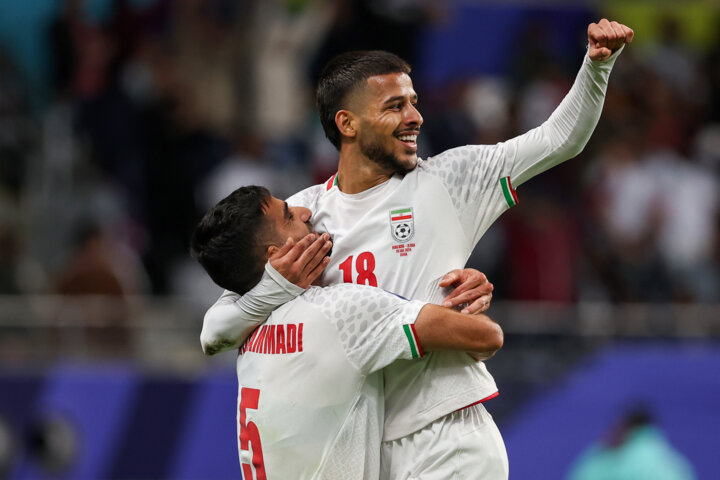
DUSHANBE, Tajikistan – In a display of candid self-reflection, Iran national team head coach Amir Ghalenoei shouldered the blame for his team’s lackluster preparation following a hard-fought 3-0 victory over India in the CAFA Nations Cup 2025. While the scoreline suggested comfort, the post-match press conference revealed a coach deeply critical of his own planning.
A Frank Admission of Fault
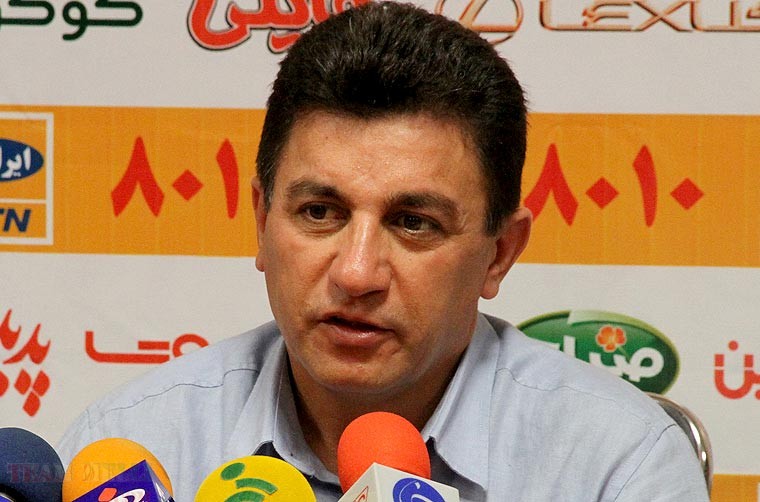
Speaking to journalists on Monday evening, Ghalenoei began his remarks not with celebration, but with a surprising mea culpa. “Before talking about the game, I must admit to the mistake I made,” he stated unequivocally. “We should have entered this tournament with a better plan, and we needed to spend a few more training sessions in Tehran before coming here.”
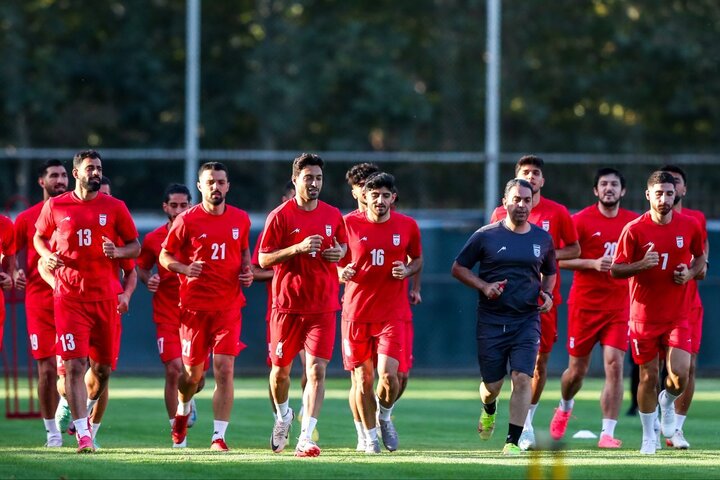
Ghalenoei elaborated on the specific challenges that hampered his squad, pointing to extreme player turnover and fatigue. “We have a player who has played three games in 10 days. We had 18 changes to the squad, and we entered the CAFA Nations Cup with these conditions. With these conditions, we needed to spend at least five training sessions in Tehran and then enter the tournament. This is my fault, and I must admit it.”
This admission highlights the logistical difficulties often faced by national teams, particularly outside of FIFA-sanctioned windows, where coordinating player availability is a significant challenge.
Praising the Opposition and His Players
Turning to the match itself, the coach analyzed the tactical battle. He credited India’s disciplined defensive structure, which frustrated Iran for the entirety of the first half. “India defended with a multi-layered defense that it had created with 9 to 10 players and was looking for counterattacks,” Ghalenoei explained. “We had a good plan at the back of the field and did not give the opponent any chances.”
He noted that the breakthrough only came after his team adapted. “In the second half, we got to know them better and scored a goal. Usually, such games are more difficult because the opponent is more motivated and tries to not concede a goal by running.”
Despite his criticism of the preparation, Ghalenoei was quick to praise his players’ effort and resilience. “I thank all my players. Although they were tired, they played much better in the second half and found the solutions we needed.”
Acknowledging the New Era of Asian Football
In response to a question about Iran’s inability to break down India’s defense earlier, Ghalenoei offered a pointed commentary on the evolution of football across the continent. “Football has developed, and the era of playing with Maldives is over,” he said, referring to the once-large scorelines against lesser-ranked teams.
“You saw the Indian game; they have also improved, and everything is different. In the league, teams spend 6 weeks training and then play games to establish coordination, and yet they do not have the necessary freshness in the early weeks. We made a mistake by entering this competition with 18 changes without training, and this makes it difficult.”
His comments serve as a stark reminder that traditional Asian powerhouses can no longer expect easy matches, as formerly lower-ranked nations have significantly closed the technical and tactical gap.
Addressing the Military Salute
The press conference also touched on a moment before kickoff, where Iranian players were seen giving a military salute during the national anthem. Ghalenoei addressed the gesture with a measured response, first diverting praise to another national team.
“First of all, I would like to congratulate Iran’s U21 volleyball team on winning the World Championship title,” he began. Connecting the actions, he stated, “This is also our duty, and it is the least we athletes and footballers can do. That is it.”
The brief reply framed the gesture as one of national duty and solidarity with other Iranian athletes, deftly acknowledging the moment without delving into deeper political implications.
Ghalenoei’s frankness underscores the high expectations surrounding Team Melli. For a team with aspirations of competing with the world’s best, a struggling victory over India, despite the admitted preparation issues, is itself a cause for concern that the coach is clearly taking seriously.