Story by Barney Ronay
The Guardian
Mr President. Fellow exco members. We’re going to need a bigger Board of Peace. How many mini‑pitches are we up to now? Gaza got 50 of them last month. What will it take to football-fix the global conflict being set in train by Fifa’s own Peace Prize Boy? A hundred mini-pitches? Four billion mini-pitches? All the mini‑pitches in the universe?
In a more sane version of what we must, out of habit, call the real world, it would seem absurd to talk about sports administration in the context of the US, Iran and the airborne conflict being played out across the borders of their allies.
Sport is the most important of all the unimportant things. Sport is a part of a culture you fight for, but not a part of the battle. Sport is also prone to insisting on its own importance, shoving itself to the front of every photo like a particularly deluded family Labrador.
When news emerged on Monday that Iran had launched a drone attack on the Ras Tanura oil refinery in Saudi Arabia, there was an urge to point out this is a mere 250 miles from Cristiano Ronaldo’s house. Do we need a footballers‑and-their-war-menaced-mansions gallery? Meanwhile the UK government has advised British nationals in Saudi to stay inside and take cover. So … you’re saying this is an Ivan Toney story?
There are two reasons why this dynamic has now shifted, why football is not just an observer but an active participant in this picture; reasons that should in any sane version of reality be hugely damaging for Fifa and its executive.
The basic premise is jaw‑dropping enough. The co‑host of the Fifa World Cup finals this summer is currently bombing one of its participating nations. The co‑host of the tournament has murdered the head of state of the third‑ranked team in Group G.
Nothing quite like this has happened before. Britain was involved in bloody conflicts in Borneo and Aden while it hosted the 1966 World Cup. Russia has been banned from international sport as a consequence of invading the borders of a sovereign state, although this was still deemed unproblematic in 2018.
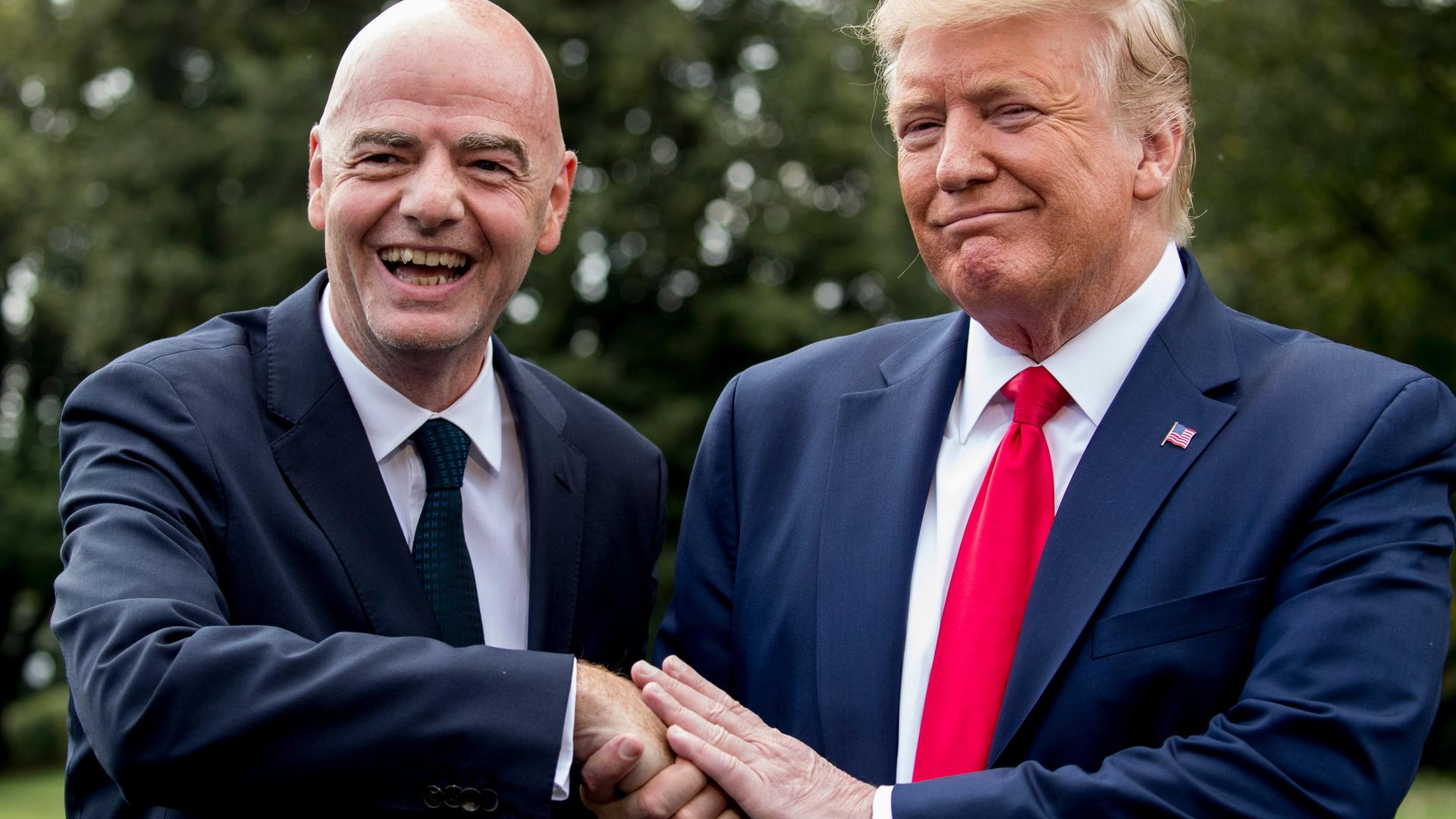
Clearly, nobody out there will have the will or the courage to apply a similar logic to the US. The issue is the extent of Fifa and Gianni Infantino’s willingness to act as a fluffer, ally and de facto propaganda mouthpiece for Donald Trump’s regime.
Never mind how gravely Infantino might frown, while pretending this has all been necessary realpolitik. The fact is, Fifa has tied itself with unquestioning zeal to a US president who has initiated eight acts of overseas aggression in his second term. And football has blood on its hands now, too.
This might seem like a stretch, or an overly dramatic take on the necessary exercise of Fifa’s global remit. But this has also been a choice. Infantino has, in full view of the consequences, repeatedly put Fifa in the same room as Trump’s autocratic exercise of power. Not as a guest or a bystander, but as an enabler, an active participant in the publicity machine.
Under its own statutes Fifa is supposed to be politically neutral. And yet this has still happened, to a degree that it has by now moved past cartoonish to grotesque. It was a choice to trail after the president like a goggle-eyed teenager offering gifts, a bauble here, a peace prize there, a strange and frightening Club World Cup trophy replica that looks like it contains a tiny drawer full of crow’s heads.
It was a choice not just to award Trump a peace prize, but to invent a peace prize from scratch so he could win it, that fittingly gruesome drag‑me‑to‑hell golden bauble with its nest of clawing hands.
As was the related announcement of the weird and pointless Gaza mini-pitch construction project, with its manipulative background imagery of rubble and displaced people casually tossed into the mix, a gruesome form of public conscience washing.
All of this is doubly absurd given the continued participation in the Fifa-verse of Israel, the same nation that is levelling Gaza’s existing infrastructure. Almost as an afterthought, it goes without saying that the weapons being used to reduce these people’s homes to rubble are being part-funded by the hosts of this summer’s tournament and Infantino’s own daddy‑regime. But never mind. The president has a golden peace ball. Keep looking at the peace ball.
In the end this will catch up with you. The open doors, the hours at the buffet table, the ballroom passes, all come at a cost. Fifa may not be directly responsible for all this. But it is now decisively part of the image-making that has empowered Trump to take his extreme executive actions.
There is of course a hugely complex set of demands in play here. The idea of a right and wrong side of history is never really clear. Sometimes you might straddle many of them all at once. But Fifa is so clearly drawn to the nearest power source, the biggest stick, the grandest stage, all the while presenting itself as grave and stately ambassador of hope, led by a man who increasingly resembles essence of pure inauthenticity, reconstituted into human form, packed into a blue suit and pushed out on stage to talk about peace, in the voice of a man addressing you from the bridge of his own golden ship of hope.
What happens next is entirely uncertain. As news broke of the US bombardment of Tehran, Fifa executives were at Hensol Castle in Wales overseeing the 140th annual general meeting of the International Football Association Board, which is at least a suitably scaled occupation for a bunch of sports administrators.
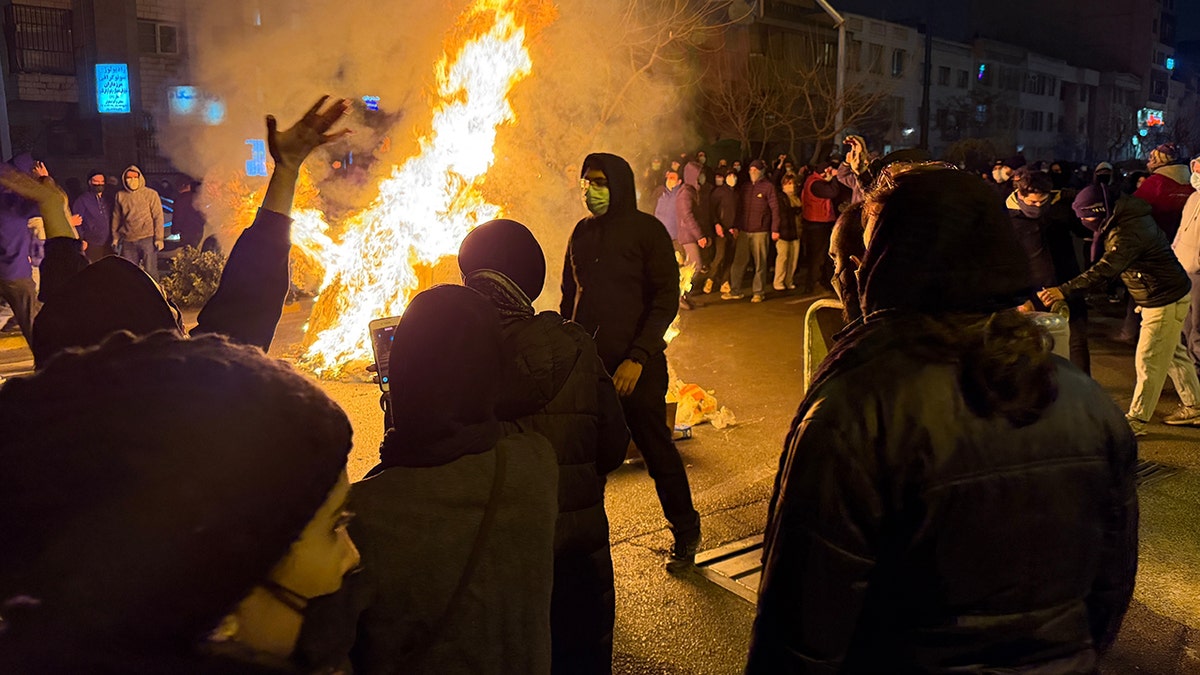
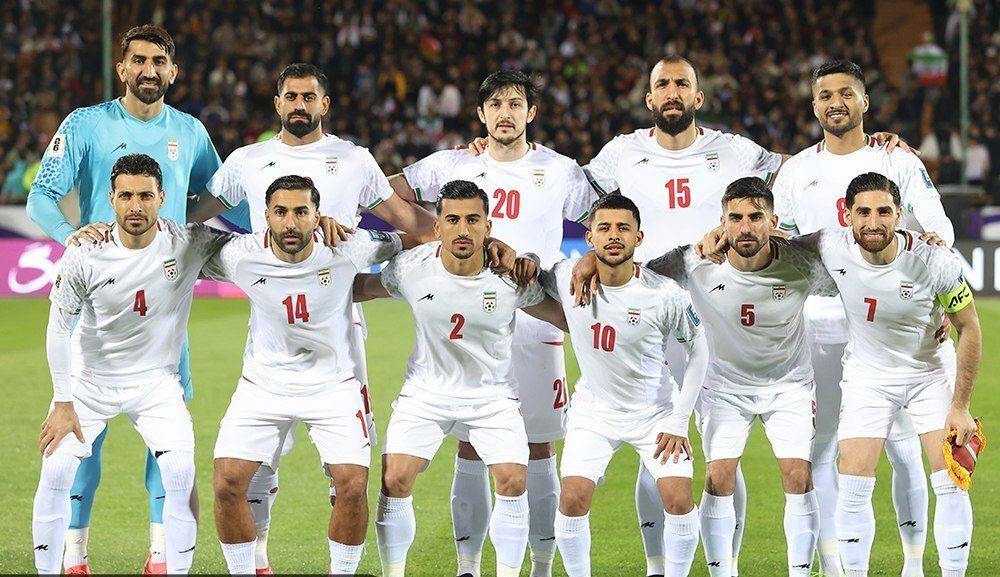
It seems impossible that Iran can now compete at the World Cup this summer, or indeed that it should have been present in any case given the regime is accused of killing tens of thousands of civilian protesters. The Iranian FA has stated it “cannot be expected to look forward to the World Cup with hope”. Its fans were already banned from entering the US.
Under Fifa’s statutes, there is no direct remedy should Iran drop out, although there is pretty much a free hand under force majeure for the executive committee to act as it sees fit. The United Arab Emirates and Qatar, struck by Iranian bombs in the past few days, were in the same qualifying group. As were North Korea. Perhaps Infantino has a route here to usher in another dear leader.
Some kind of fudge will be offered. A World Cup will take place if there is still a world left to contest it. The US needs this to happen. The show must continue. And this is an incidental aspect of the extraordinary story of Trump and Infantino. Football is always telling you things about the world, always running ahead to the tide.
In this case it is providing the ideal, textbook, read-it-and-take-notes lesson in how dictatorships and propaganda work, how power glosses its actions with noise. How spectacle is used to flood the zone, and how nothing floods the zone like football.
In any sane version of sports governance Infantino should, at the end of all this, be forced to explain his actions, to justify taking global football into this space. It won’t happen. His own executive power is absolute.
The money continues to flow to his sub-partners. But history will still judge him, and judge his version of Fifa. There is no way of escaping that lens. And from here it already looks like the most grotesque, post-truth, fawningly complicit version of big sport ever devised.