Author: admin

Iran Falls 2-1 to Russia in World Cup Preparatory Friendly

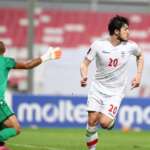
The Iranian national football team continued its preparations for the 2026 World Cup with a 2-1 defeat against Russia in a spirited friendly at a packed Volgograd Arena on Thursday. Despite a second-half equalizer from Amirhossein Hosseinzadeh, a decisive strike from Russia’s Batrakov sealed the victory for the hosts.

The match was steeped in a World Cup atmosphere, with the Russian hosts recreating the pomp of the 2018 tournament. The pre-match ceremony featured the shirts of both nations covering the pitch, and the national anthems were met with a roaring welcome from the 42,000-strong capacity crowd.

Match Summary

  • 22′ (Russia): Rubiev opened the scoring with a calm finish after a beautiful through pass left him one-on-one with Iranian goalkeeper Alireza Beiranvand.
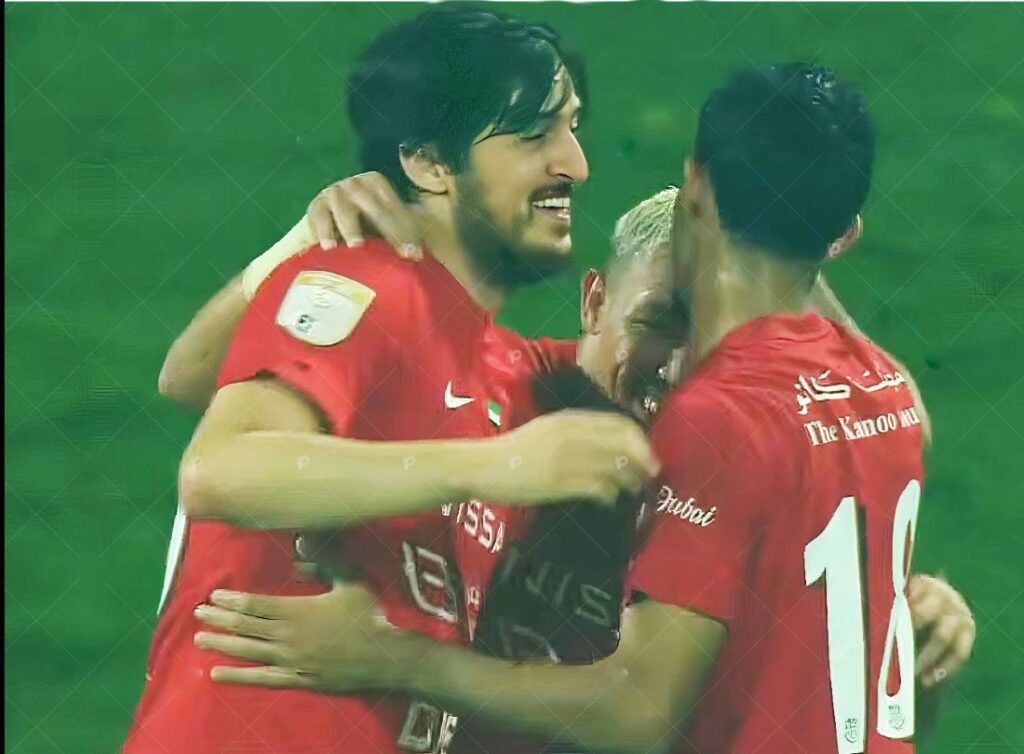
  • 50′ (Iran): Amirhossein Hosseinzadeh leveled the score, tapping into an empty net after a wide pass from Saman Ghoddos found him unmarked in the box.
  • 70′ (Russia): Batrakov secured the win for the hosts, firing a precise shot past Beiranvand from the edge of the penalty area after a cleared header fell to his feet.

A Tale of Two Halves

Iran, fielding a blend of youth and experience, started the brighter of the two sides. They controlled possession in the opening minutes and pinned the Russian team in their own half, though they failed to create any serious chances.

After the initial pressure, the game shifted. Russia grew into the match and began dictating the tempo, with their pressure culminating in Rubiev’s 22nd-minute opener. Iran was nearly dealt a second blow just four minutes later, but a crucial goal-line clearance from Shoja Khalilzadeh bailed out Beiranvand after a mistaken charge from his line.

The second half began promisingly for Team Melli, who found an immediate response. Hosseinzadeh’s timely run and finish five minutes after the restart seemed to set the stage for a strong comeback. The Move started by Ramin Rezaein to Saman Ghoddos, whose brilliant cut, split the Russian defense for Hosseinzadeh to slot the ball easily for the equalizer.

However, Russia reasserted its dominance as the half progressed. The home side controlled possession and created several threatening opportunities before Batrakov’s powerful strike ultimately decided the contest. Coach Amir Ghalenoei responded by introducing fresh legs like Kasra Taheri for his debut and Mohammad Ghorbani, but despite improved pressure in the final stages, Iran could not find a second equalizer.

Key Takeaways and Looking Ahead

While the Iranian team showed moments of promise and a better overall performance compared to recent outings, defensive vulnerabilities proved costly. Both goals conceded highlighted ongoing issues in the team’s defensive structure that will need addressing ahead of the World Cup.

Team Melli will continue its preparation campaign with another friendly against Tanzania on Tuesday in the UAE.

Iran’s Starting XI: Beiranvand; Rezaian, Khalilzadeh, Abarghoei, Nemati; Ezzatollahi (77′ Ghorbani), Norafkan; Ghoddos (77′ Taheri), Mohebi, Hosseinzadeh; Taremi.

Team Melli Faces Russia Amidst Questions of Form.

Team Melli is set to play against Russia this evening in Volgograd, in another attempt by head coach Amir Ghalenoei to restore the waning confidence of the Iranian fans.

For Ghalenoei, the approach remains largely unchanged, with only minor squad rotations. The one bright spot is the inclusion of Kasra Taheri, the promising U23 star, though whether he will see any playing time remains to be seen.

This match against Russia—a nation banned from the international arena by what many see as a hypocritical FIFA—presents an opportunity for Iran to test itself against tough opposition. Unlike the weak standard of Iran’s domestic league, the Russian Premier League remains strong and competitive despite its European ban, which has sidelined clubs like Zenit and Spartak. In stark contrast, Iranian clubs are arguably at their lowest level in decades. Esteghlal’s recent 7-0 defeat to Al Wasl of the UAE in a secondary Asian competition highlights how far Iran’s best clubs have fallen.

This domestic decline is directly reflected in the quality of players and the game plans of Team Melli. For years, the national team could depend on its legionnaires (players based abroad) to cover for these shortcomings, but that is no longer the case. With Sardar Azmoun sidelined for an extended period following surgery, the forward line is overly dependent on Mehdi Taremi. While Taremi started brilliantly at Olympiacos after his move, he now struggles to secure a starting spot for the Greek club.

The situation is even more concerning for Team Captain Alireza Jahanbakhsh, who currently does not have a club to train with, let alone play competitive matches—a basic requirement for international duty. In Ghalenoei’s book, however, this does not seem to matter.

Other legionnaires are not in better shape. Allahyar Sayyadmanesh, a player of great promise, has been underperforming in the Belgian league with KVC Westerlo. Since his transfer, he has played six matches, scoring no goals and providing only a single assist. Ghalenoei’s selection criteria remain a point of contention.

Adding to the controversy is the recall of 37-year-old Shoja’a Khalilzadeh to the defense—a unit in dire need of fresh energy after consistently conceding goals. The central midfield is another area of concern, as a chronic lack of service to the forwards has hampered the team’s attacking potential. Saman Ghoddos, the team’s creative maestro, is suffering a dip in form and has been uninspiring lately, requiring courage from Ghalenoei to revitalize this critical line.

The goalkeeping position also raises questions. None of the options have been shining for their clubs. Payam Niazmand, who replaced the suspended Alireza Beiranvand, was far from solid and has not proven himself a capable replacement. Beiranvand is most likely to start, but his form is not at its peak either.

Historically, Iran and Russia have met three times, with Team Melli winning once and drawing the other two. Russia comes into the match undefeated in its last five outings, including an impressive 4-1 win against Qatar in September, though they have largely faced Asian and African opposition rather than European teams.

Team Melli is playing its first match since a narrow defeat to Uzbekistan, prior to which it had three wins and a draw. The match in Volgograd should be a balanced affair, with current form and home-ground advantage favoring the Russians under coach Valery Karpin. Kickoff is at 20:00 local time at the sold-out Volgograd Arena.

Team Melli Squad Cards 2025

Payam NIAZMAND

Payam NIAZMAND

Jersey Number: 12

Post: Goalkeeper

Birth Date: 1995-04-06

Age (2026): 31

Caps: 15

Goals: 0

View Profile
Seyed Hossein HOSSEINI

Seyed Hossein HOSSEINI

Jersey Number: 22

Post: Goalkeeper

Birth Date: 1992-06-30

Age (2026): 34

Caps: 14

Goals: 0

View Profile
Alireza BEIRANVAND

Alireza BEIRANVAND

Jersey Number: 1

Post: Goalkeeper

Birth Date: 1992-09-22

Age (2026): 33

Caps: 87

Goals: 2

View Profile
Arya YOUSEFI

Arya YOUSEFI

Jersey Number: 17

Post: Defender

Birth Date: 2002-04-22

Age (2026): 24

Caps: 14

Goals: 1

View Profile
Ali NEMATI

Ali NEMATI

Jersey Number: 19

Post: Defender

Birth Date: 1996-02-08

Age (2026): 30

Caps: 18

Goals: 0

View Profile
Amin HEZBAVI

Amin HEZBAVI

Jersey Number: 19

Post: Defender

Birth Date: 2003-05-06

Age (2026): 23

Caps: 7

Goals: 0

View Profile
Rouzbeh CHESHMI

Rouzbeh CHESHMI

Jersey Number: 15

Post: Defender

Birth Date: 1993-07-24

Age (2026): 32

Caps: 41

Goals: 3

View Profile
Hossein KANANI-ZADEGAN

Hossein KANANI-ZADEGAN

Jersey Number: 13

Post: Defender

Birth Date: 1994-03-23

Age (2026): 32

Caps: 65

Goals: 6

View Profile
Milad MOHAMMADI

Milad MOHAMMADI

Jersey Number: 5

Post: Defender

Birth Date: 1993-09-29

Age (2026): 32

Caps: 77

Goals: 1

View Profile
Shojaa KHALILZADEH

Shojaa KHALILZADEH

Jersey Number: 4

Post: Defender

Birth Date: 1989-05-14

Age (2026): 37

Caps: 58

Goals: 2

View Profile
Aref AGHASI

Aref AGHASI

Jersey Number: 20

Post: Defender

Birth Date: 1997-01-02

Age (2026): 29

Caps: 7

Goals: 0

View Profile
Ali GHOLIZADEH

Ali GHOLIZADEH

Jersey Number: 11

Post: Midfielder

Birth Date: 1996-03-10

Age (2026): 30

Caps: 44

Goals: 7

View Profile
Omid NOORAFKAN

Omid NOORAFKAN

Jersey Number: 21

Post: Midfielder

Birth Date: 1997-04-09

Age (2026): 29

Caps: 40

Goals: 1

View Profile
Mohammad KARIMI

Mohammad KARIMI

Jersey Number: 0

Post: Midfielder

Birth Date: 1996-06-20

Age (2026): 30

Caps: 10

Goals: 0

View Profile
Mohammad GHORBANI

Mohammad GHORBANI

Jersey Number: 21

Post: Midfielder

Birth Date: 2001-05-21

Age (2026): 25

Caps: 16

Goals: 0

View Profile
Saman GHODDOS

Saman GHODDOS

Jersey Number: 14

Post: Midfielder

Birth Date: 1993-09-06

Age (2026): 32

Caps: 68

Goals: 3

View Profile
Saleh HARDANI

Saleh HARDANI

Jersey Number: 2

Post: Midfielder

Birth Date: 1998-09-14

Age (2026): 27

Caps: 18

Goals: 1

View Profile
Javad HOSSEINNEZAD

Javad HOSSEINNEZAD

Jersey Number: 18

Post: Midfielder

Birth Date: 2003-06-26

Age (2026): 23

Caps: 5

Goals: 0

View Profile
Saeid EZATOLAHI

Saeid EZATOLAHI

Jersey Number: 6

Post: Midfielder

Birth Date: 1996-10-01

Age (2026): 29

Caps: 84

Goals: 2

View Profile
Mohammadmehdi MOHEBI

Mohammadmehdi MOHEBI

Jersey Number: 25

Post: Midfielder

Birth Date: 2000-02-11

Age (2026): 26

Caps: 4

Goals: 2

View Profile
Amirmohammad RAZZAGHINIA

Amirmohammad RAZZAGHINIA

Jersey Number: 26

Post: Midfielder

Birth Date: 2006-04-11

Age (2026): 20

Caps: 4

Goals: 0

View Profile
Ali ALIPOUR

Ali ALIPOUR

Jersey Number: 11

Post: Forward

Birth Date: 1994-11-11

Age (2026): 31

Caps: 14

Goals: 1

View Profile
Shahriyar MOGHANLOU

Shahriyar MOGHANLOU

Jersey Number: 20

Post: Forward

Birth Date: 1994-12-21

Age (2026): 31

Caps: 21

Goals: 2

View Profile
AliReza JAHANBAKHSH

AliReza JAHANBAKHSH

Jersey Number: 7

Post: Forward

Birth Date: 1993-10-08

Age (2026): 32

Caps: 99

Goals: 17

View Profile
Mohammad MOHEBI

Mohammad MOHEBI

Jersey Number: 8

Post: Forward

Birth Date: 1998-12-10

Age (2026): 27

Caps: 36

Goals: 14

View Profile
Mehdi GHAEDI

Mehdi GHAEDI

Jersey Number: 10

Post: Forward

Birth Date: 1998-12-05

Age (2026): 27

Caps: 29

Goals: 10

View Profile
Mehdi HASHEMNEJAD

Mehdi HASHEMNEJAD

Jersey Number: 17

Post: Forward

Birth Date: 2001-10-27

Age (2026): 24

Caps: 7

Goals: 0

View Profile
Kasra TAHERI

Kasra TAHERI

Jersey Number: 27

Post: Forward

Birth Date: 2006-08-06

Age (2026): 19

Caps: 3

Goals: 0

View Profile
Amir Hossein HOSSEINZADEH

Amir Hossein HOSSEINZADEH

Jersey Number: 18

Post: Midfielder

Birth Date: 2000-10-30

Age (2026): 25

Caps: 18

Goals: 5

View Profile
Sardar AZMOUN

Sardar AZMOUN

Jersey Number: 20

Post: Forward

Birth Date: 1995-01-01

Age (2026): 31

Caps: 91

Goals: 57

View Profile
Mehdi TAREMI

Mehdi TAREMI

Jersey Number: 9

Post: Forward

Birth Date: 1992-07-18

Age (2026): 33

Caps: 106

Goals: 60

View Profile

Team Melli announced for Russia and Tanzania matches.

Team Melli’s technical staff has revealed the preliminary squad for the upcoming friendly matches against Russia and Tanzania, giving fans their first glimpse of the players set to represent Iran this October.

A total of 24 players have been called up to the national team camp, with potential additions from Chadormalou Ardakan and Esteghlal to be decided after tonight’s match between these two sides. The final squad for the friendlies will be confirmed shortly thereafter.

Injuries continue to shape the team’s preparation: Majid Hosseini, Hossein Kananizadegan, Ali Gholizadeh, Mehdi Ghaedi, and Sardar Azmoun will miss the camp, a setback that could force the coaching staff to explore alternative options in defense and attack.

The invited players are scheduled to join the camp at 12:00 noon tomorrow at the Olympic Hotel, where media outlets will be able to capture their first interactions with the technical staff.

Team Melli is set to face Russia in Volgograd on October 10th, followed by a friendly against Tanzania in Dubai, UAE, on October 13th. These matches will offer the coaching staff a crucial opportunity to test tactics, integrate new players, and assess readiness ahead of future competitions.

Fans will be watching closely, hoping that despite some absences, Team Melli can deliver cohesive and promising performances on the international stage after recent disappointing results and performances..


Goalkeepers: Alireza Beiranvand, Payam Niazam, Mohammadreza Akhbari, Mohammad Khalifa.

Defenders: Ali Nemati, Shoja Khalilzadeh, Hossein Abarghoei, Amin Hazbavi, Mohammad Mehdi Zare, Aria Yousefi, Omid Noorafkan

Midfield: Mehdi Hashemnejad, Saeed Ezzatollahi, Mohammad Khodabandehlu, Saman Ghoddos, Mohammad Ghorbani, Alireza Jahanbakhsh, Mohammad Mohebi, Javad Hosseinnejad,

Forwards: Amir Hossein Hosseinzadeh, Allahyar Sayadmanesh, Mehdi Taremi, Ali Alipour, and Kasra Taheri.

Real Sociedad’s Zakharyan Omitted from Russia Squad for Iran Friendly

The Russian national team has announced its squad for the upcoming friendly matches against Iran and Bolivia, with a notable absentee being key midfielder Arsen Zakharyan.

Zakharyan, who plays for La Liga’s Real Sociedad, was a significant exclusion from Head Coach Valery Karpin’s selection. In response to inquiries, Real Sociedad issued a clarifying statement, asserting that the decision was purely a coaching choice. “Real Sociedad and the player himself have nothing to do with his absence from the Russian national team’s camp,” the statement read. “This question concerns Mr. Karpin.”

The 21-year-old playmaker is widely regarded as one of Russia’s most talented players, making his omission for the fixture against Team Melli particularly surprising.

Valery Karpin. Head Coach of Russia

Russia’s Full Squad for Friendlies vs. Iran and Bolivia:

  • Goalkeepers: Matvey Safonov (Paris Saint-Germain), Alexander Maksimenko (Spartak Moscow), Stanislav Agkatsev (Krasnodar), Denis Adamov (Zenit St. Petersburg)
  • Defenders: Mingyan Boyev (Baltika Kaliningrad), Ilya Vakhania, Viktor Melkhin (both FC Rostov), Yuri Gorshkov (Zenit St. Petersburg), Alexander Silyanov (Lokomotiv Moscow), Igor Diveev, Matvey Lukin, Daniil Krugovoy (all CSKA Moscow), Maxim Osipenko (Dynamo Moscow), Ruslan Litvinov (Spartak Moscow)
  • Midfielders: Daniil Glebov, Anton Miranchuk, Daniil Fomin (all Dynamo Moscow), Matvey Kislyak, Ivan Oblyakov (both CSKA Moscow), Alexey Batrakov, Dmitry Barinov, Zelimkhan Bakayev (all Lokomotiv Moscow), Alexey Miranchuk (Atalanta), Nail Umyarov (Spartak Moscow), Lechi Sadulayev (Akhmat Grozny), Konstantin Kuchayev (FC Rostov)
  • Forwards: Dmitry Vorobyov (Lokomotiv Moscow), Tamerlan Musayev (CSKA Moscow), Ivan Sergeyev (Dynamo Moscow)

Following the matches against Iran (in Volgograd) and Bolivia, the Russian team is scheduled for further friendlies against Peru and Chile as they continue their preparations.

AFC U23 Asian Cup 2026 Draw.

Kuala Lumpur: The teams aiming for glory at the AFC U23 Asian Cup™ Saudi Arabia 2026 learnt their challengers following the Official Draw at the AFC House in Kuala Lumpur on Thursday.

The 16-strong cast was divided into four groups for the seventh edition of the tournament that will kick off on January 6, 2026.

Hosts and 2022 champions Saudi Arabia will have 2018 runners-up Vietnam, Jordan, and debutants Kyrgyz Republic for company in Group A.

Two-time and defending champions Japan will have to contend with 2024 hosts Qatar, United Arab Emirates, and Syria in Group B.

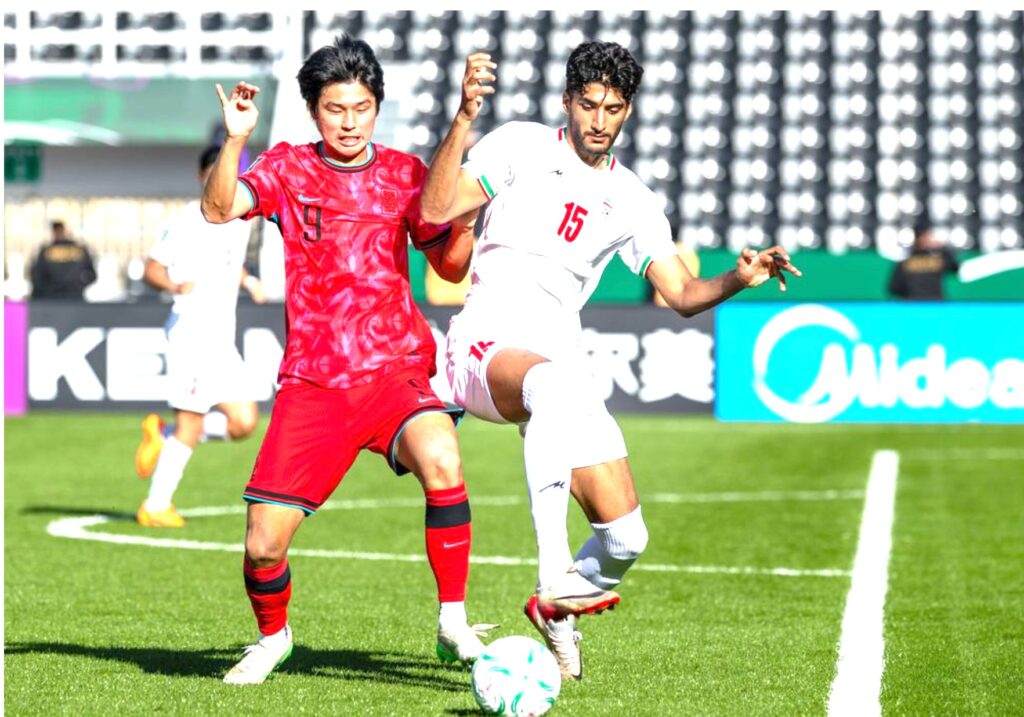
Hoping to deny Uzbekistan, who lifted the trophy in 2018, progress from Group C will be 2020 champions Korea Republic, Iran, and Lebanon, who will be making their first appearance at the Finals.

Group D top seeds and 2013 champions Iraq will have to overcome the challenge of Australia, Thailand, and China.

The top two finishers of each group will progress to the Knockout Stage, with the Final showdown to be contested on January 24, 2026.


Draw Result 
Group A: Saudi Arabia, Vietnam, Jordan, Kyrgyz Republic
Group B: Japan, Qatar, United Arab Emirates, Syria
Group C: Uzbekistan, Korea Republic, Iran, Lebanon
Group D: Iraq, Australia, Thailand, China

Minutes Played Reveals Iran’s True Iron Men

The record books show Javad Nekounam stands alone with 157 caps for Team Melli, surpassing the iconic Ali Daei. However, this metric only tells part of the story. When total minutes on the pitch are calculated, a different legend emerges: Ali Daei remains the untouchable pinnacle of Iranian football endurance, ruling supreme over all players, past and present.

The table below ranks the top 25 Iranian footballers by total minutes played, revealing a fascinating narrative of longevity across generations.

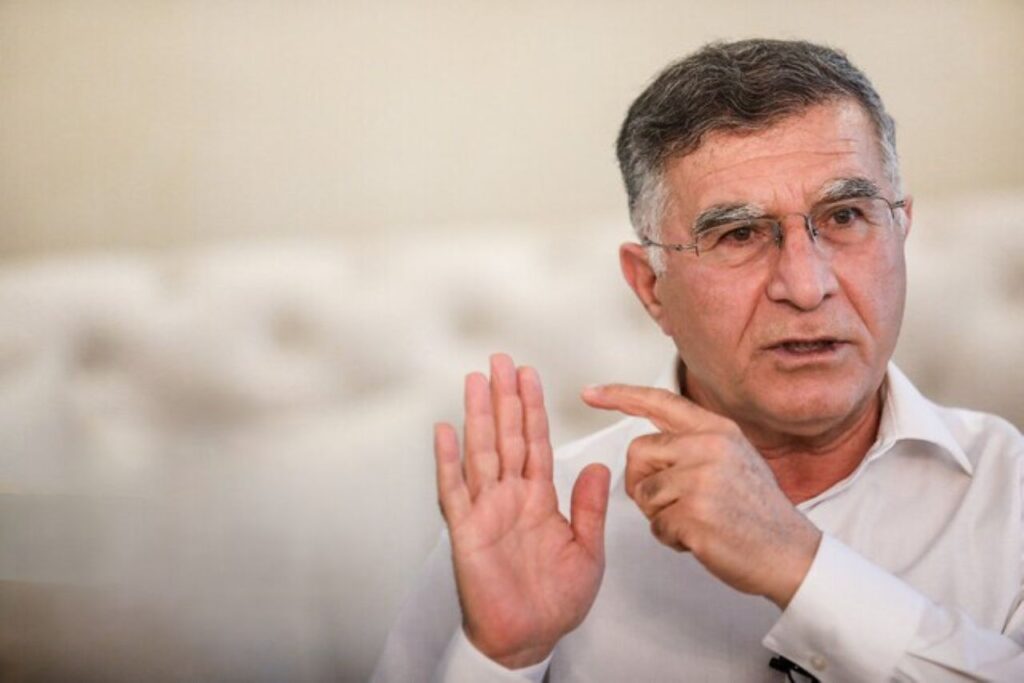
A testament to his extraordinary legacy, Parviz Ghalenoei’s name still appears on this list a half-century later, holding the 22nd position. Now 78 and in exile, Ghalenoei was just 18 years old when he made his debut in a historic match against East Germany at the 1964 Tokyo Olympics. His international career was abruptly cut short in 1977 due to his anti-government political activities, yet his impact remains etched in the record books.

He is joined from that era by the revered Ali Parvin, who occupies the 19th spot. Parvin completes a unique trifecta in Iranian football history, having served Team Melli with distinction as a player, captain, and later as a coach.

What makes their achievements truly staggering is the context of their era. With far fewer international matches played in the last century, the high minute totals of Ghalenoei and Parvin underscore their immense consistency and indispensable role in the team, cementing their status as household names decades later.

From the current generation, only three active players have cracked this exclusive list: Mehdi Taremi, Sardar Azmoun, and Saeid Ezatolahi. With many playing years likely ahead of them, their ascent up the rankings seems inevitable. However, closing the gap on the monumental total set by Ali Daei remains a truly daunting task, a challenge that defines the ultimate test of longevity in Iranian football.

RankNameMinutesStarterSubCaps
1Ali DAEI13,0661456151
2Javad NEKOUNAM12,65614413157
3Ali KARIMI10,20212010130
4Ehsan HAJSAFI9,89911823141
5Jalal HOSSEINI9,6191077114
6Mehdi MAHDAVIKIA9,1541074111
7Andranik TEYMOURIAN7,8489011101
8Karim BAGHERI7,29384387
9Hossein KAEBI7,24884892
10Mehdi TAREMI7,152841599
11Javad ZARINCHEH6,96080181
12Ebrahim MIRZAPOUR6,82479079
13Alireza BEIRANVAND6,81681081
14Mehdi RAHMATI6,68174276
15Yahya GOLMOHAMMADI6,63180282
16Ahmadreza ABEDZADEH6,59674377
17Mohammad NOSRATI6,56174983
18Sardar AZMOUN6,453771491
19Ali PARVIN6,18968472
20Hamidreza ESTILI6,16572981
21Afshin PEYROVANI6,00066268
22Parviz GHLEECHKHANI5,90667067
23Hadi AGHILI5,77166369
24Saeid EZATOLAHI5,662661278
25Alireza VAHEDI-NIKBAKHT5,610661076


Another impressive win for Iran’s futsal.

the-afc.com
Monday, 22nd September 2025

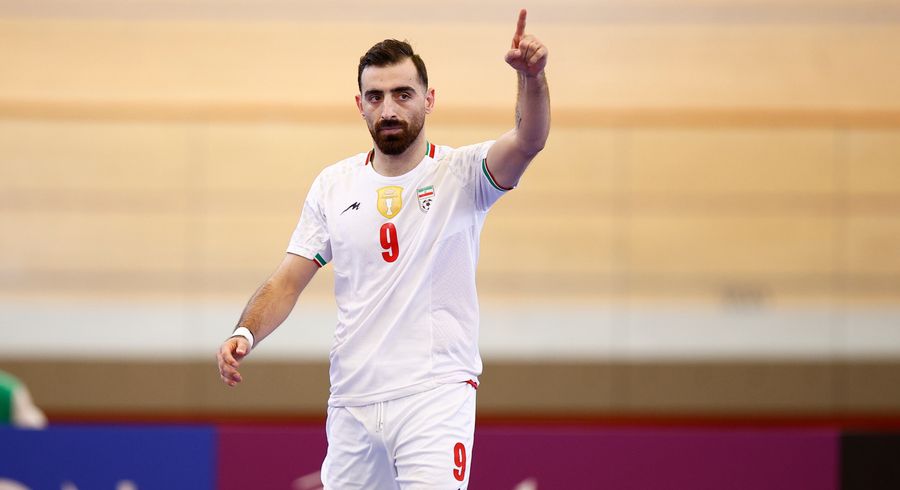
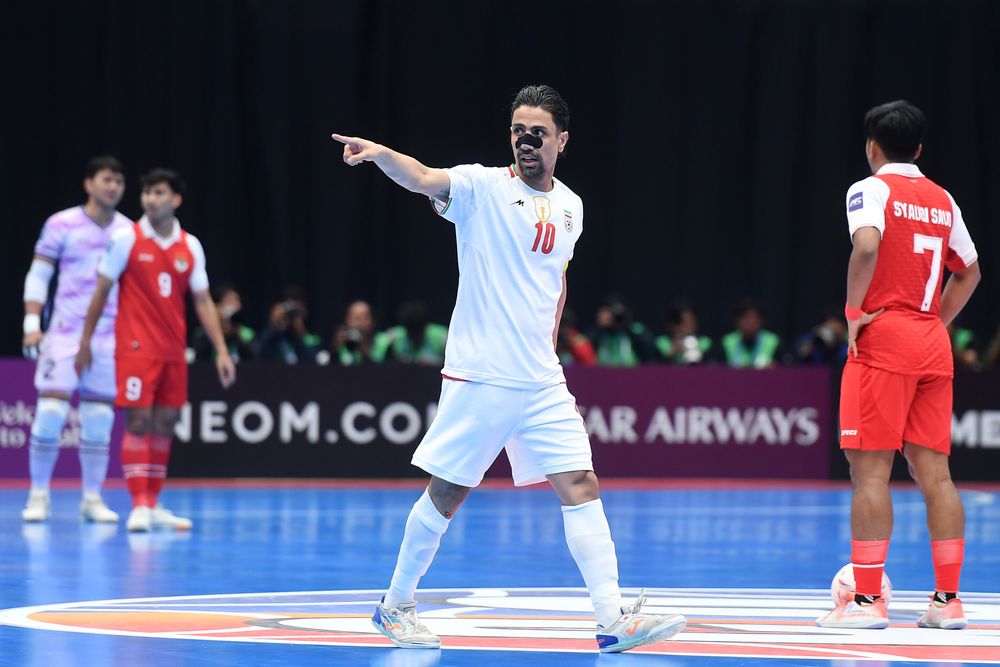
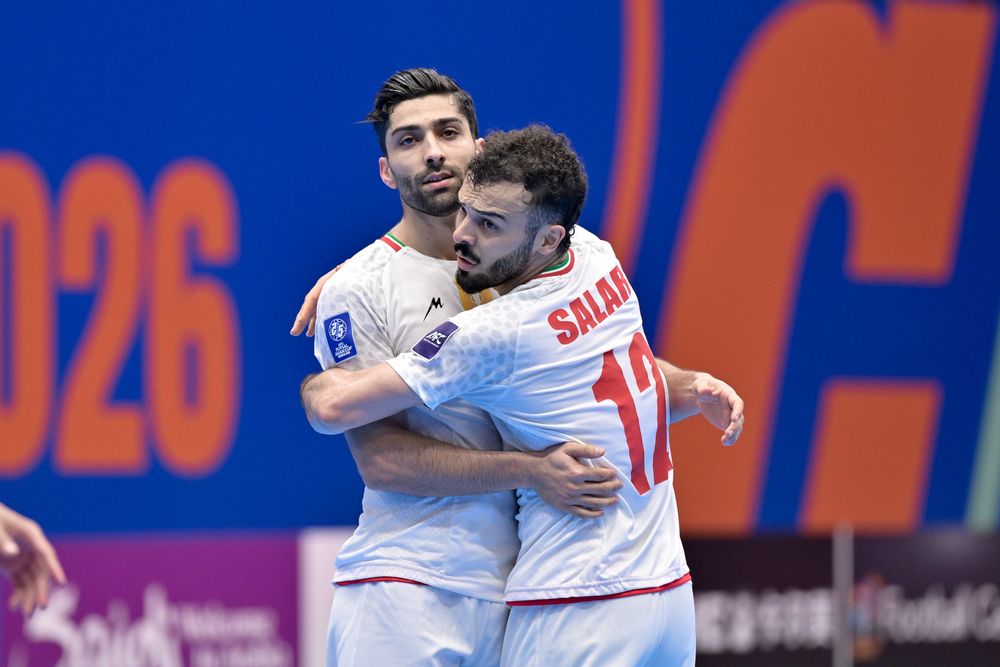
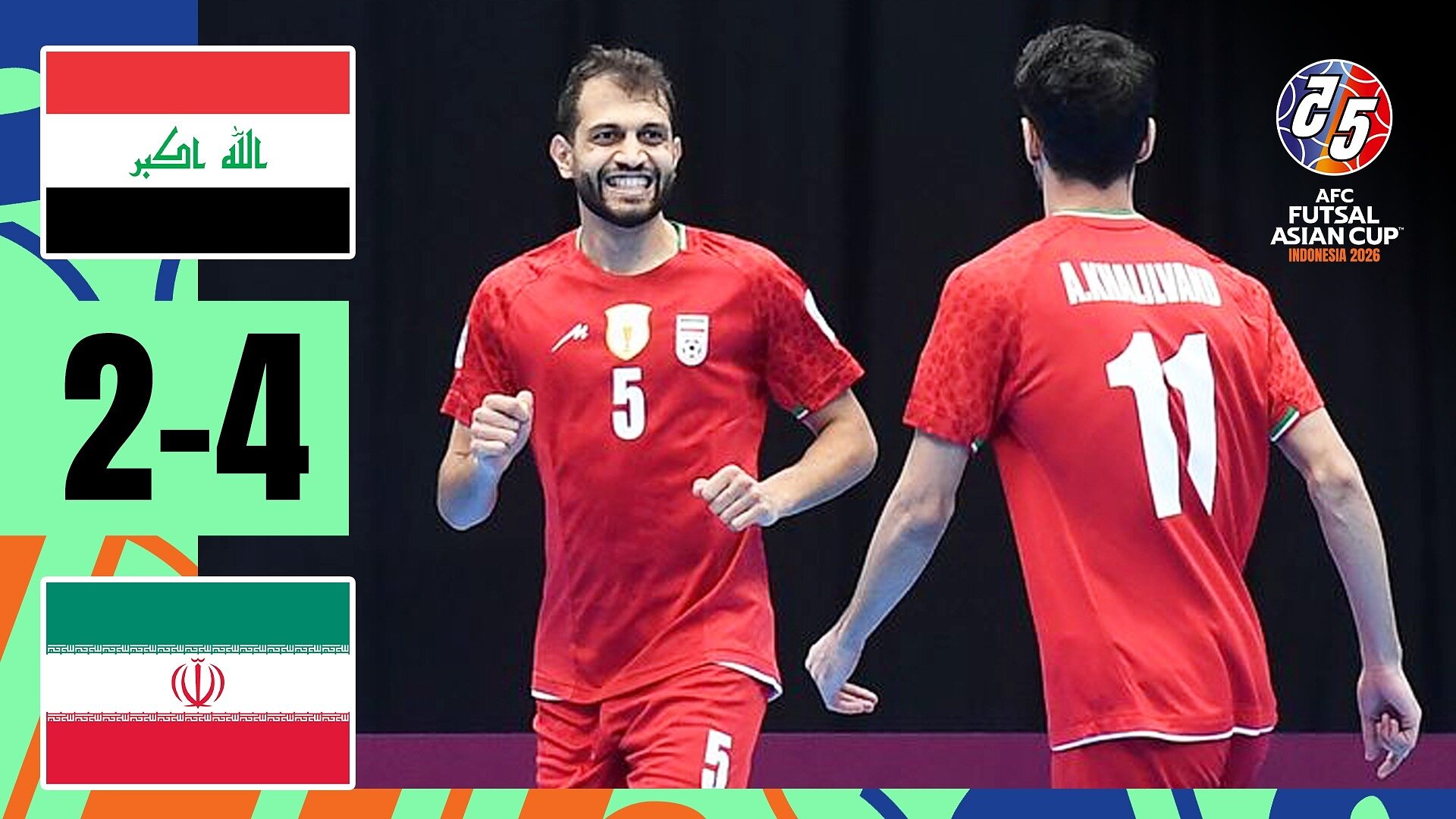
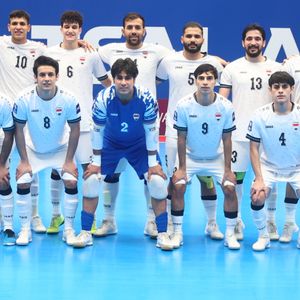
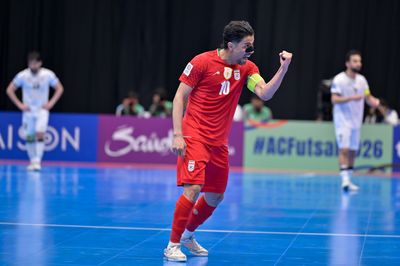
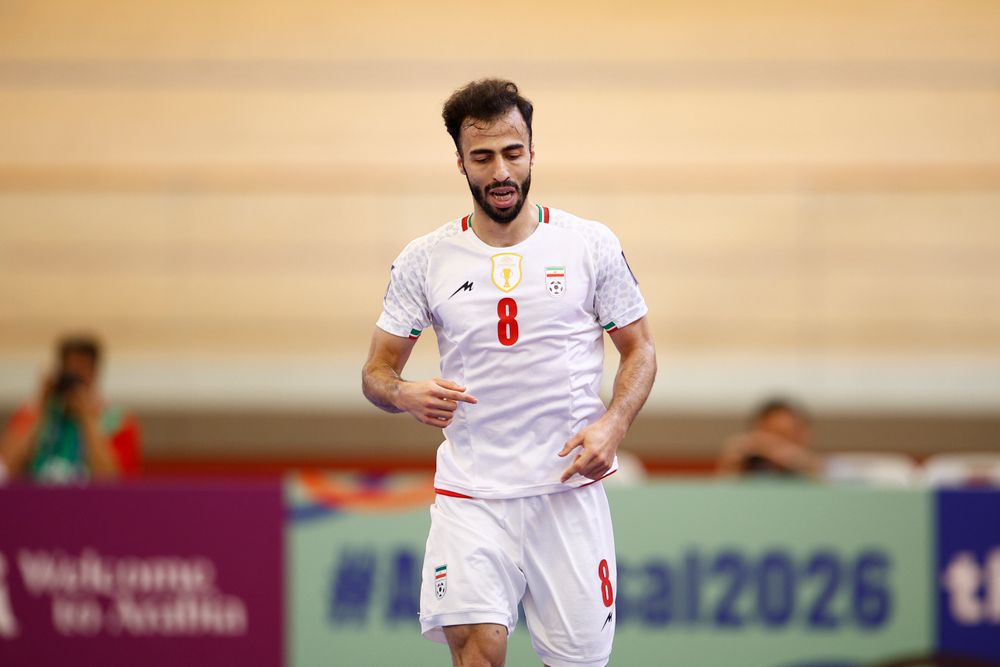
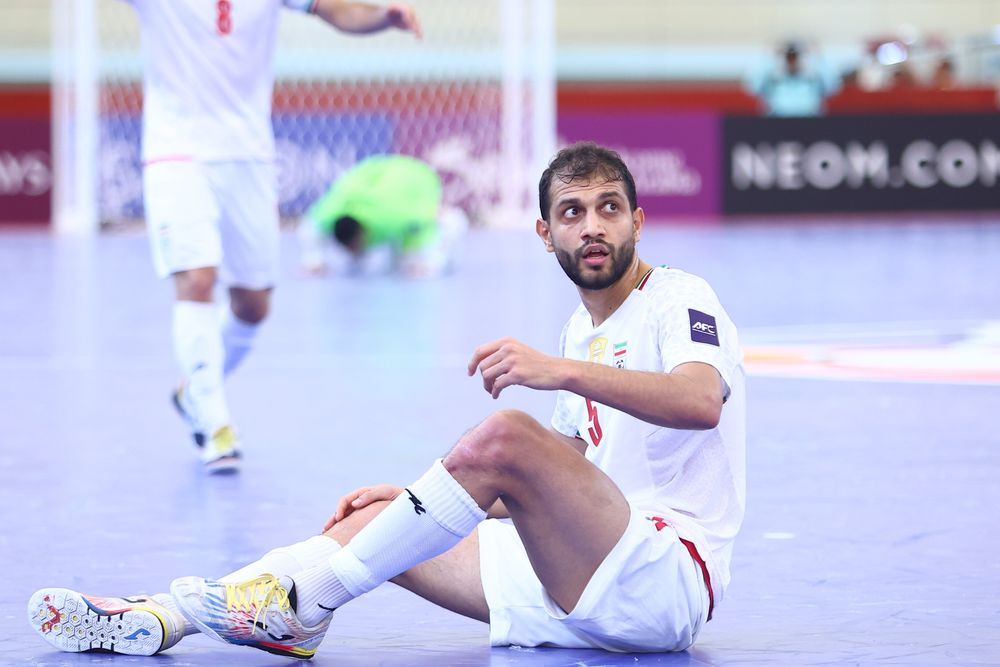
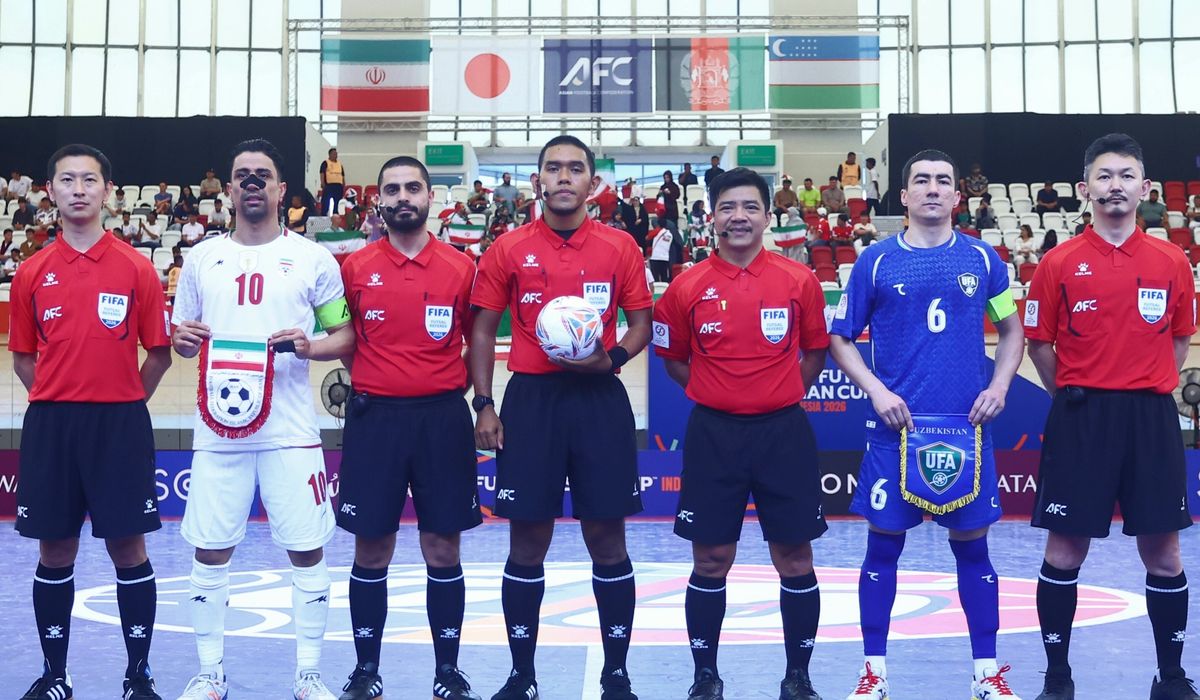
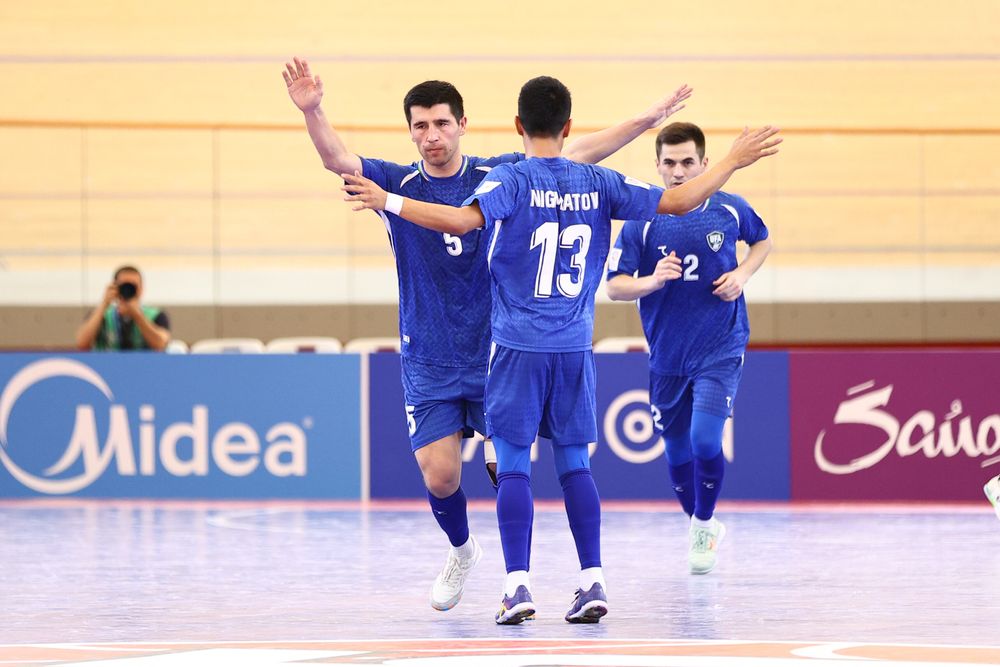
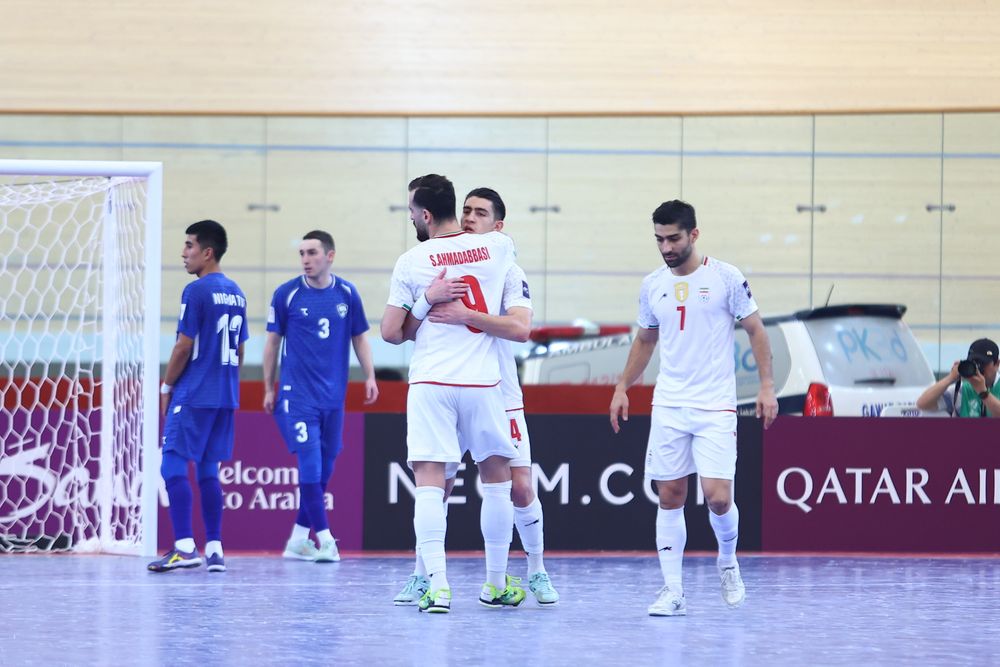
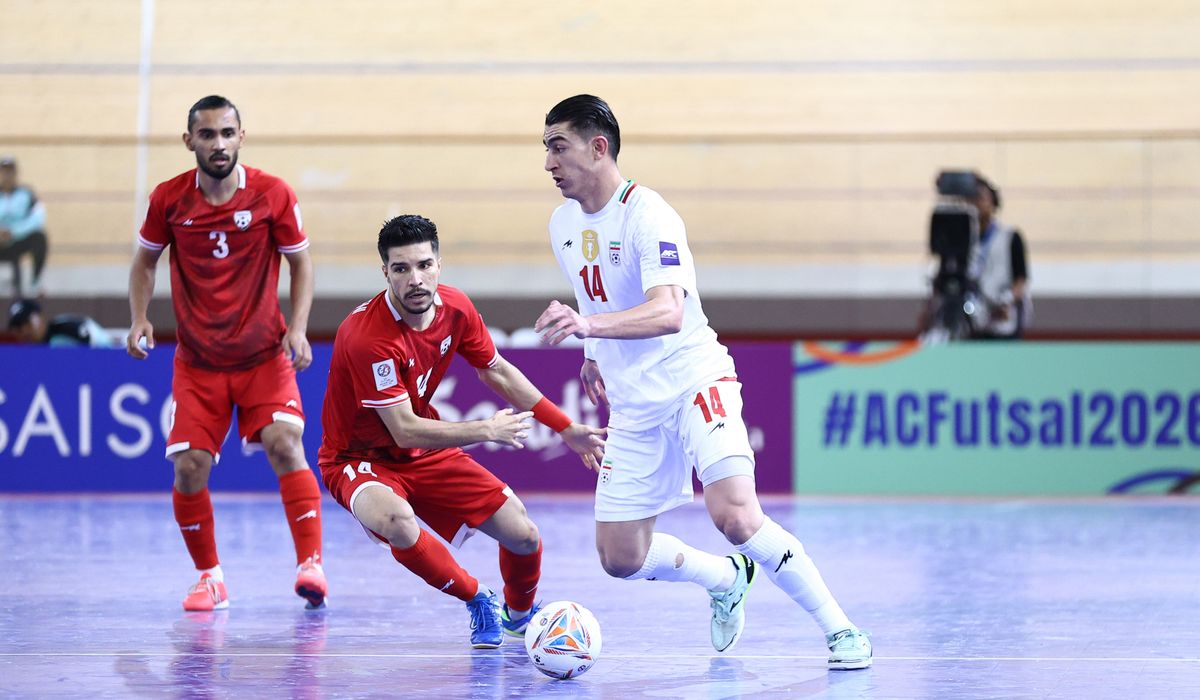
Kuantan: Iran’s Futsal Team Melli , made it two wins out of two following their 10-0 defeat of the United Arab Emirates in their AFC Futsal Asian Cup™ Indonesia 2026 Qualifiers Group C match on Monday.

Hosts Malaysia set up a tantalising Matchday Three showdown with Iran following a 7-1 victory against Bangladesh. 

Iran, who sailed 12-0 past Bangladesh in the opener, only needed 30 seconds to find the back of the net through Behrooz Azimihematabadi, who gained possession from a poor back pass before slipping the ball home.

UAE tried to assert themselves but lost their momentum after Iran capitalised on a counter-attacking move in the seventh minute, which saw Mahdi Karimi curling his effort into the top left corner from above the box.

Despite the Emiratis best efforts to contain the men in red, with Hamad Hassan Alblooshi forcing Iran keeper Mahdi Rostami into a save a minute later, Amirhossein Dehghani made it 3-0 seconds later after converting Azimihematabadi’s corner.

image content

Iran maintained control through their high-press and increased their tally in the 12th minute through Masoud Yousef Shavardazi before Hossein Tayebibidgoli etched his name on the scoresheet a minute later following another counter-attacking move.

Shavardazi then netted from a 10-metre penalty in the 18th minute before Hossein Sabzi gained possession from the right flank to set up Ali Khalilvand Somehsofla for a simple tap-in.

image content

Iran were relentless after the break with goals from Azimihematabadi (23rd), Rostami (28th) and Shavardazi (29th) sealing the emphatic win. 

AFC Futsal Asian Cup Qualifiers – Group G: Iran 12-0 Bangladesh

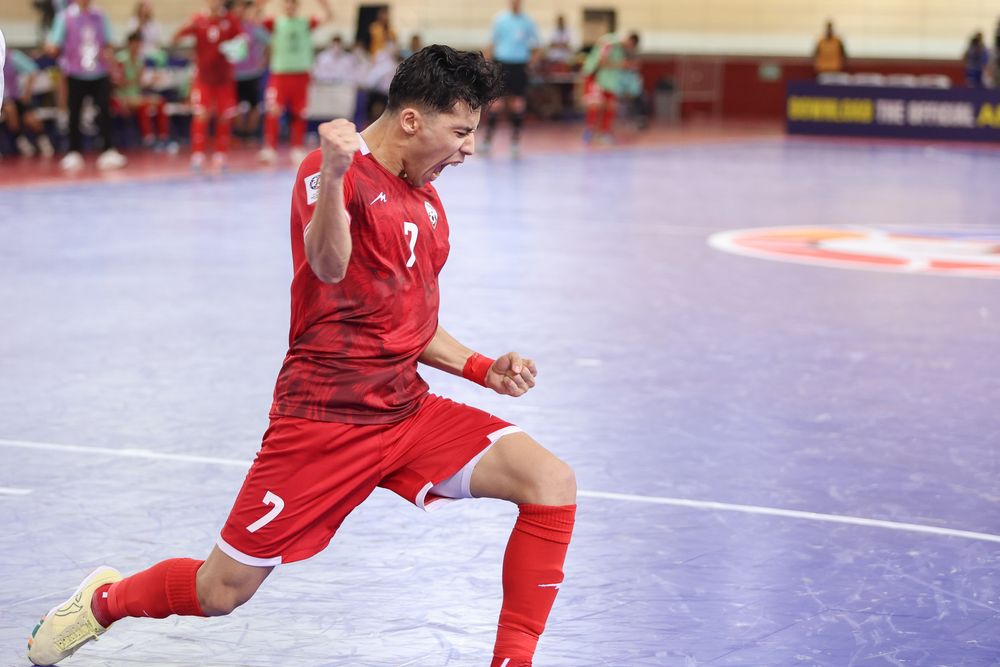
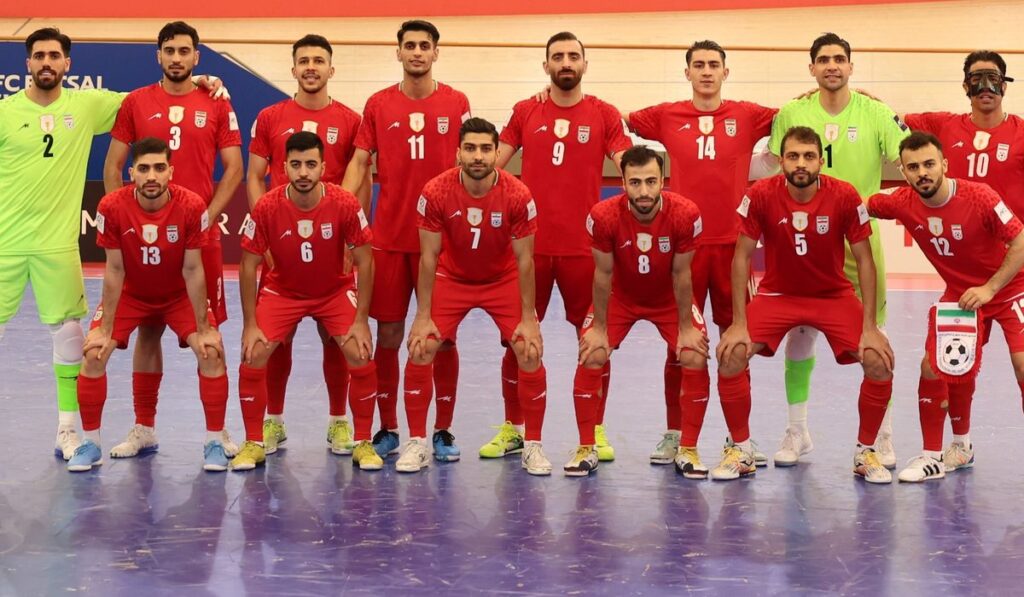
Kuantan: Defending champions Iran began their AFC Futsal Asian Cup™ Indonesia 2026 Qualifiers campaign with an impressive 12-0 win against Bangladesh in Group G on Saturday.

IR Iran 12-0 Bangladesh

image content

Bangladesh offered stiff resistance to 13-time champions Iran in the opening minutes with goalkeeper Jahid Rabbi deflecting Masoud Yousef’s shot onto the bar before blocking Ali Khalilvand’s attempt.

Iran’s persistent pressure bore fruit in the 10th minute, Hossein Sabzi capitalising on a mistake from Srabon Shakil to score, and was quickly followed by the second, thanks to a near post flick from Hossein Tayebi.

image content

Tayebi made it 3-0 a minute later, smashing a high ball into the roof of the net from an acute angle, with Mohammadhossein Bazyar adding another as Bangladesh struggled to cope with Iran’s power.

Yousef then squeezed a low shot home in the 16th minute before Behrooz Azimihematabadi fired home four minutes later for Iran to take a commanding 6-0 lead into the break.

image content

Iran maintained their intensity after the interval with Bazyar rifling in an unstoppable shot in the 21st minute after space opened up for him on the edge of the semi-circle.

Amihossein Gholami then smacked an effort against the bar as Bangladesh held Iran at bay until the 32nd minute when Mohammadhossein Derakhshani teed up Khalilvand to strike home.

Iran wrapped up an outstanding performance with further goals from Saied Momeni (35th), Tayebi (37th), Mahdi Karimi (37th) and Gholami (38th).

Critical Review: Team Melli at the CAFA Nations Cup 2025

An Analytical Assessment of Iran’s Shortcomings Following Its Defeat in the Final

Introduction

Team Melli’s campaign at the CAFA Nations Cup 2025 concluded in profound disappointment with a narrow defeat to Uzbekistan in the tournament final. Entering as the region’s overwhelming favorite, Team Melli’s journey was undermined by a host of structural and tactical deficiencies that ultimately prevented them from securing the title. This review offers a critical analysis of Iran’s performance, highlighting defensive frailties, midfield inefficiency, a lack of creativity, persistent disciplinary issues, questionable squad selection, and significant coaching shortcomings.

Defensive Vulnerabilities Exposed

Iran’s most glaring weakness throughout the tournament was its defense. The backline was repeatedly exposed, where it struggled to maintain shape and composure under the opponent’s pressure. Defenders displayed poor spatial awareness and were frequently caught out of position, creating dangerous opportunities for the opposition. Individual errors, missed tackles, misjudged clearances, and poor marking directly contributed to goals conceded at critical moments. A palpable lack of cohesion, compounded by communication breakdowns and an absence of authoritative leadership, turned these lapses from isolated mistakes into a recurring theme that doomed the campaign.

Midfield Inefficiency and Lack of Control

The midfield failed to provide a foundation for success, offering neither control nor creativity. Central players struggled to link defense with attack, often resorting to safe, sideways, or backward passes that slowed the tempo and allowed opponents to reorganize. There was a distinct lack of vision and inventiveness, with few attempts to break defensive lines or create meaningful chances for the forwards. Defensively, the midfield offered scant protection, consistently losing duels and allowing opponents to transition quickly and exploit space. This inability to dictate the game’s rhythm left Iran perpetually vulnerable and starved the attack of service.

A Persistent Discipline Problem

Discipline—both personal and tactical—remains a significant concern for Team Melli, a trend that has persisted throughout Amir Ghalenoei’s tenure. Individually, players committed unnecessary fouls in dangerous areas and showed lapses in focus, leading to costly bookings. Tactically, the team frequently abandoned its structure, chasing the ball and creating easily exploitable gaps. This lack of collective discipline undermined any semblance of organized play and is a fundamental issue that must be addressed.

Questionable Squad Selection and Quality

The composition of the squad itself raised serious questions. While credit is due for selecting players from the domestic league, the on-field performance of several individuals was well below the standard required for international football. Key positions were occupied by players lacking the necessary technical ability or tactical intelligence, and a lack of quality depth on the bench severely limited Iran’s options for in-game adjustments.

Naïve Coaching and Tactical Rigidity

The coaching staff’s game plan was notably naïve, lacking the adaptability and strategic sophistication needed for a high-stakes tournament. Iran’s approach was predictable, with little variation in attack and an over-reliance on individual brilliance over cohesive team play. Substitutions and tactical tweaks were often too late or failed to address the core problems, issues that were apparent even during the group stage. The inability to respond to Uzbekistan’s tactical shifts in the final—even considering the gallant effort of playing a man down—exposed a critical lack of preparation and flexibility from the bench.

Conclusion and a Broader Concern

Team Melli’s defeat in the CAFA final is a stark reminder of the immense work required before the 2026 World Cup. To regain regional prominence and prepare for the global stage, Iran must take decisive action: solidify the defense, inject creativity into the midfield, enforce higher disciplinary standards, select players based strictly on merit, and adopt a more sophisticated and adaptable tactical approach.

This tournament also highlighted a disturbing broader trend: the steep decline in the standard of the Iranian domestic league. This was evident in the performances of many league-based players. The fact that Iran now has only one representative in the AFC Champions League Elite, down from four in recent years, underscores this deterioration. This decline is exacerbated by a distorted economic reality where clubs like Esteghlal and Persepolis, receiving significant state support, pay astronomical wages in a struggling economy, yet suffer humiliating results, such as Esteghlal’s 7-1 defeat to UAE’s Al-Wasl.

This is a reality check for Iranian football. The production line of quality players has deteriorated. The few talented individuals must be professionally coached and managed to salvage pride at the 2026 World Cup.


Player Ratings

  • Payam NIAZMAND (4/10): Not an assuring performance across four games against inferior opposition. A worrying sign for the goalkeeping position.
  • Aref AGHASI (4/10): Underwhelming. Numerous shortcomings have rightfully placed his selection under scrutiny.
  • Ali NEMATI (5/10): Failed to live up to expectations based on his club form. Has yet to prove he deserves a starting role.
  • Arya YOUSEFI (5/10): Inconsistent. His poor tackle in the final was unfortunate but costly. Often the target of the manager’s vocal criticism.
  • Hossein KANANI-ZADEGAN (7.5/10): Proved his value when on the pitch, arguably the best defender. However, his known disciplinary liability remains a concern.
  • Saman GHODDOS (5/10): A disappointing tournament from an expected maestro. Lacked creativity, was anonymous in matches, and showed no leadership as captain.
  • Omid NOORAFKAN (6/10): Deployed in multiple roles and was solid, though not instrumental in changing the team’s results.
  • Mohammad GHORBANI (5/10): Looked lost and unsure of his role. Needs to assert himself significantly to earn more playing time.
  • Amir Hossein HOSSEINZADEH (8/10): A talented, opportunistic forward who was a menace to opponents and deserves more minutes.
  • Shahriyar MOGHANLOU (4/10): International football appears beyond his tactical grasp. Offered very little.
  • Mohammad MOHEBI (8/10): An established, consistent, and effective player despite limited time on the pitch.
  • Mehran AHMADI (6/10): Limited appearance but showed some promising moves.
  • Majid ALIYARI (8/10): A towering, clinical finisher. Did not get the playing time his two-goal debut deserved.
  • Ali ALIPOUR (7/10): A hard-working forward who always gives his best, but lacks the elite technical skills for this level.
  • Mehdi HASHEMINEJAD (8/10): An exciting player whose dribbling, runs, and shooting were a breath of fresh air.
  • Ramin REZAEIAN (7/10): Remains a solid player whose flank runs and crossing were valuable. His petulance continues to mar his performances.
  • Amin HEZBAVI (6/10): Rarely used and looked average, prone to errors when called upon.
  • Mehdi TIKDARI (5/10): Another newcomer with limited time. A purely average performance.
  • Alireza KOUSHKI (5/10): Minimal time and minimal impact.
  • Mehdi TAREMI (7/10): Inconsistent and often faded from games. Seemed to lack his usual enthusiasm and will to influence play, mostly due to his concentration and quick trip to Athens..
  • Mohammad KHODABANDEHLO (–/10): Insufficient time due to injury to rate.
  • Mohammadmehdi MOHEBI (7.5/10): A promising player clearly on the rise.
  • AliReza JAHANBAKHSH (6/10): A lack of competitive sharpness was evident. Provided one assist but was otherwise peripheral; his inclusion arguably blocked opportunities for others.