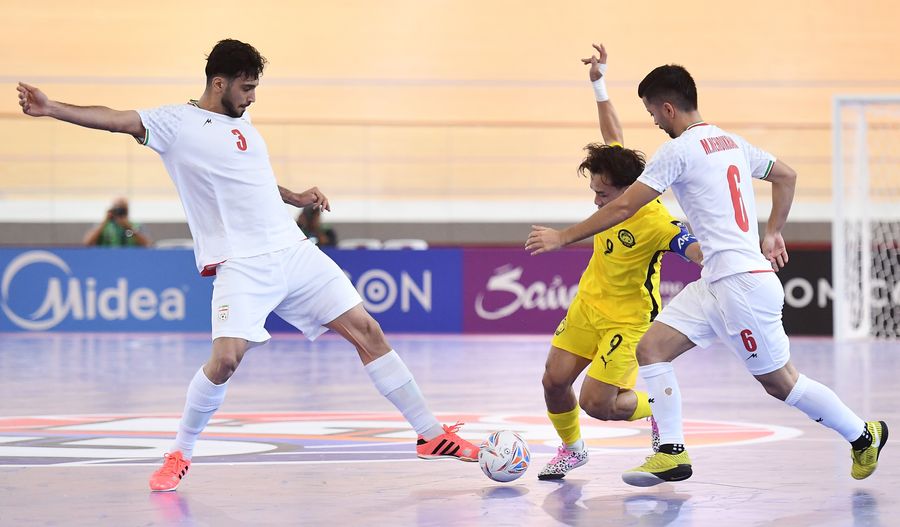
Despite securing victories in their opening matches, Iran’s Futsal Team Melli revealed several points of concern in their performances at the 2026 AFC Futsal Asian Cup in Jakarta. While the results were positive, the team’s tactical execution and finishing lacked the sharpness expected of defending champions.
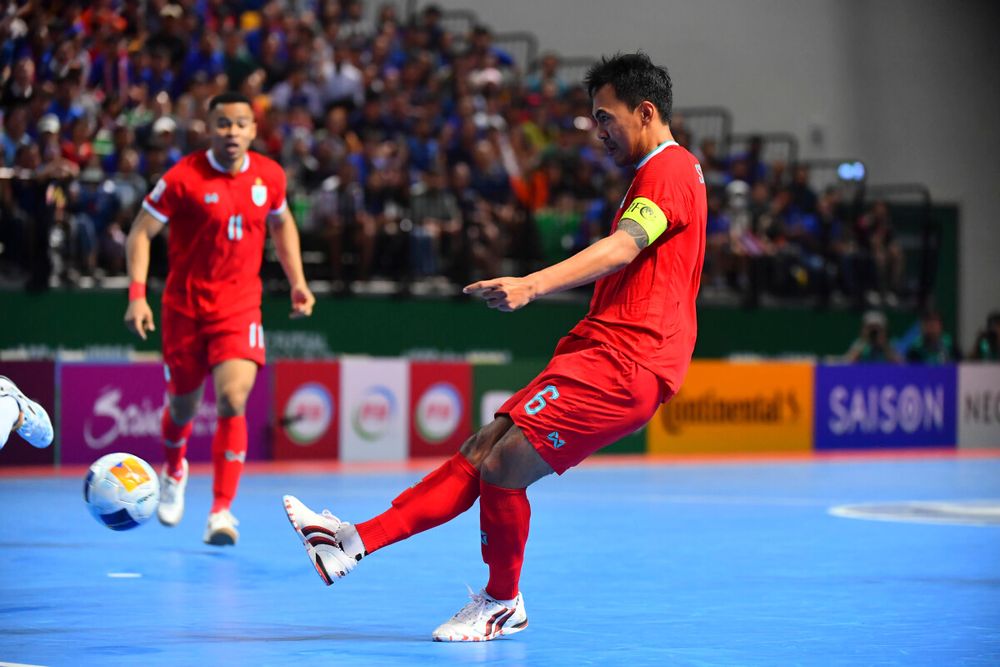
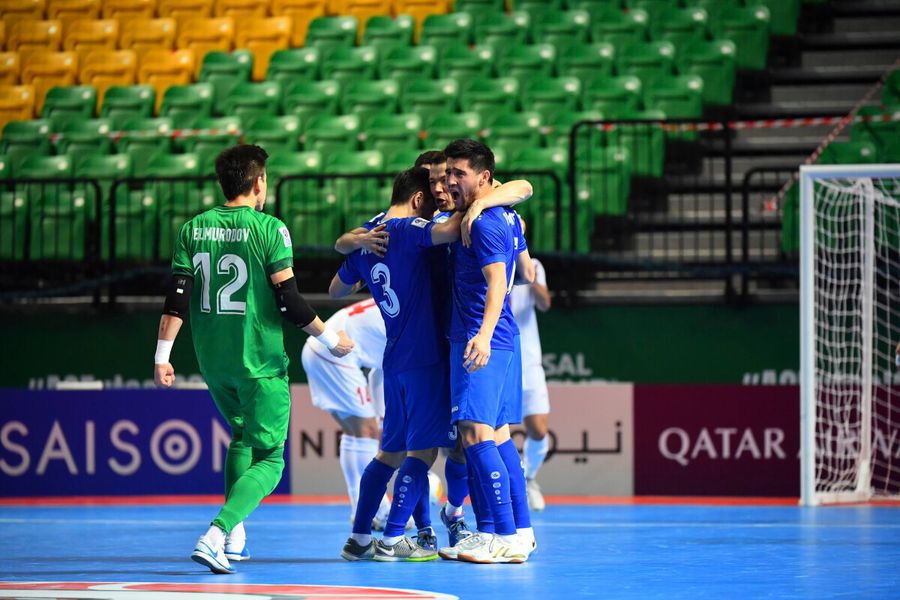
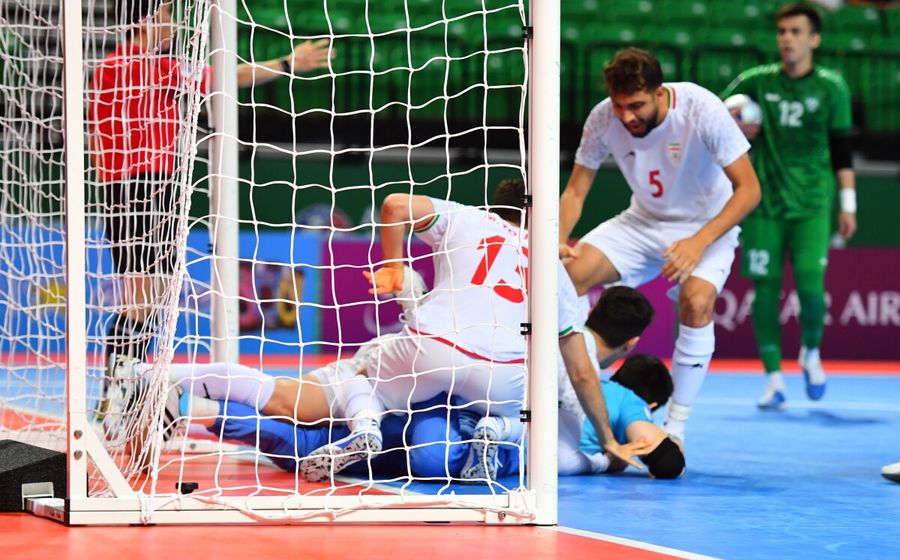
Defensively, the team has appeared uncharacteristically vulnerable, with gaps emerging that more formidable opponents—such as Thailand, Japan, and Uzbekistan—will be poised to exploit. Goalkeeper Bagher Mohammadi has often been the last line of salvation, repeatedly covering for errors made in front of him. In attack, a lack of composure and precision has been evident, with numerous attempts on goal missing the necessary accuracy and focus.
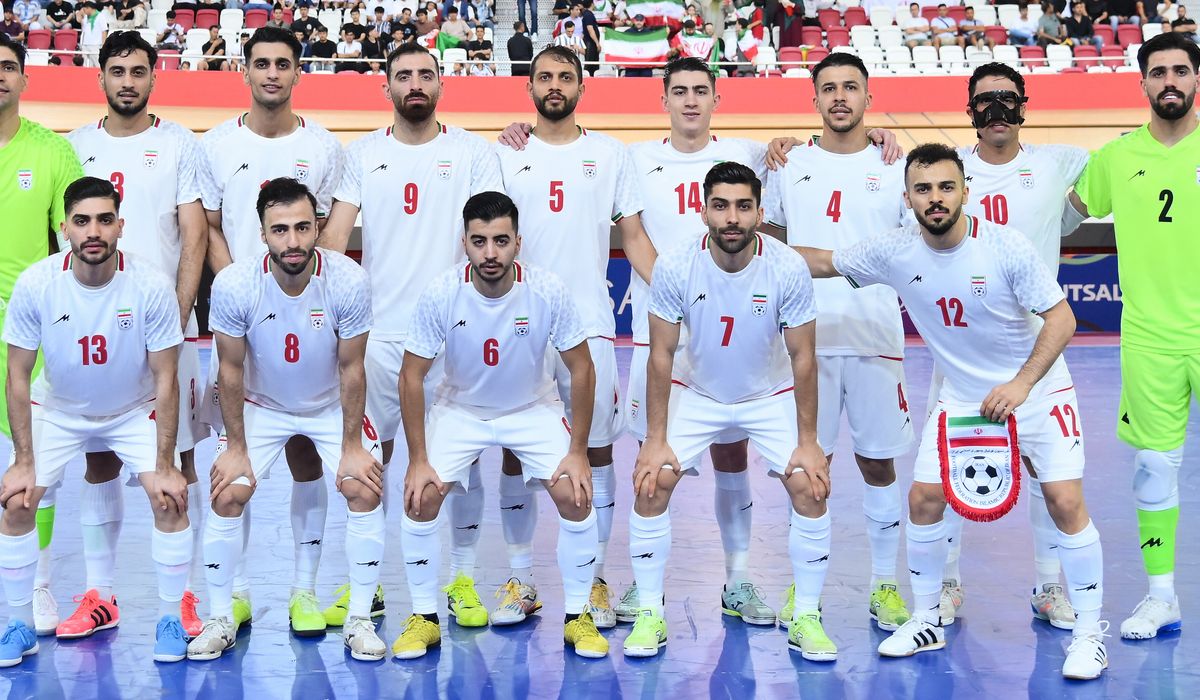
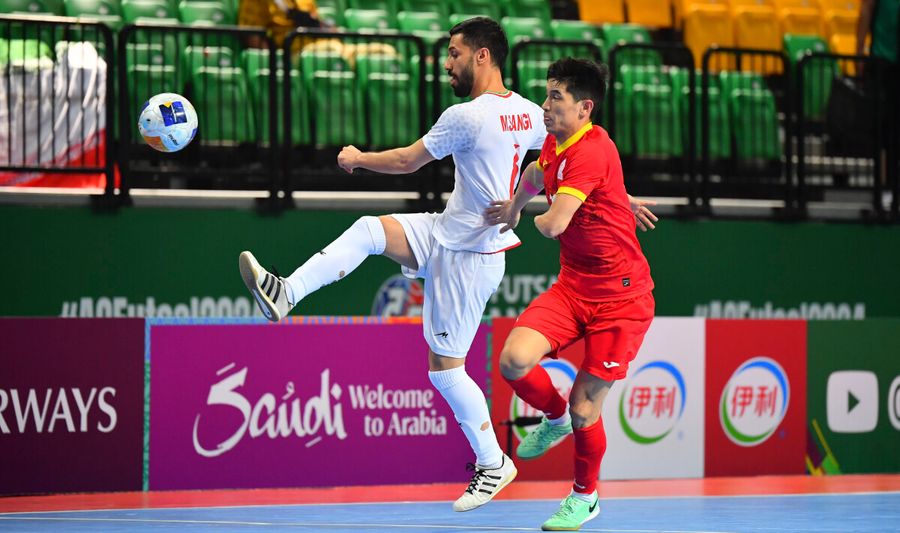
Iran’s match against Saudi Arabia highlighted these issues. The Saudis effectively contained Iran through aggressive pressing and disciplined man-to-man marking, forcing uncharacteristic mistakes. Coach Vahid Shamsaei must devise reliable solutions to counteract such high-pressure tactics, as every opponent from here on will present a sterner challenge. That begins with Afghanistan, Iran’s next opponent. The Afghan team arrives in splendid form, having scored ten goals while conceding only once in their first two matches. They combine individual skill with cohesive, reactive team play, posing a significant threat. If Iran does not urgently address its shortcomings, both tactical and psychological, this could become a historic occasion for Afghan futsal.
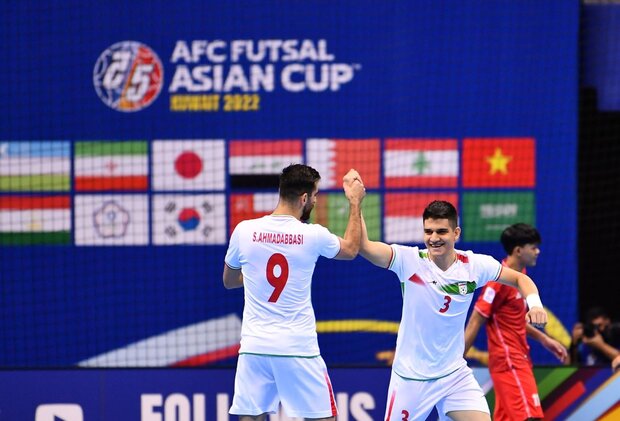
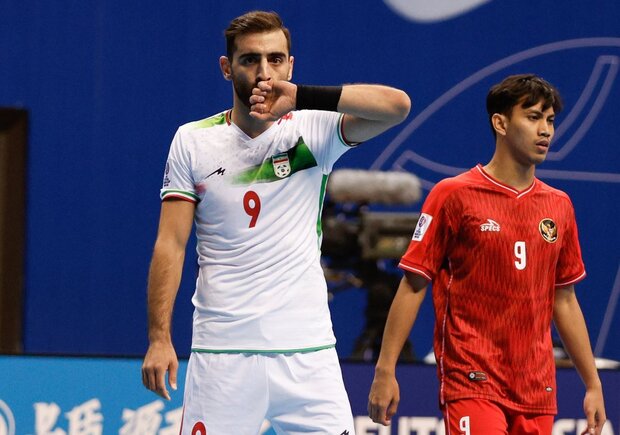
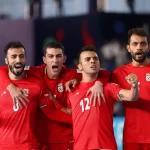
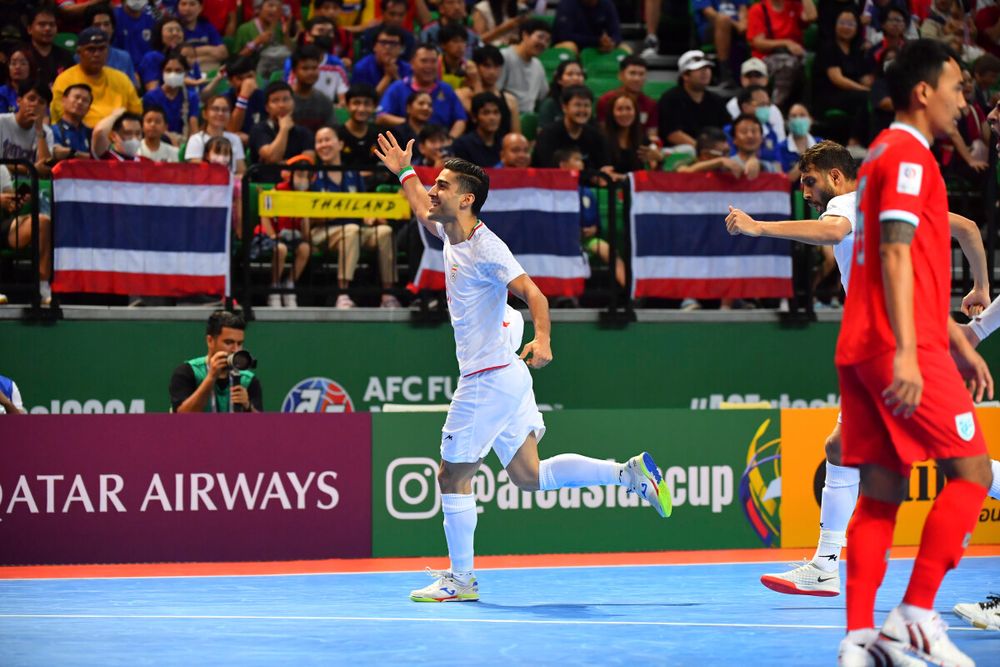
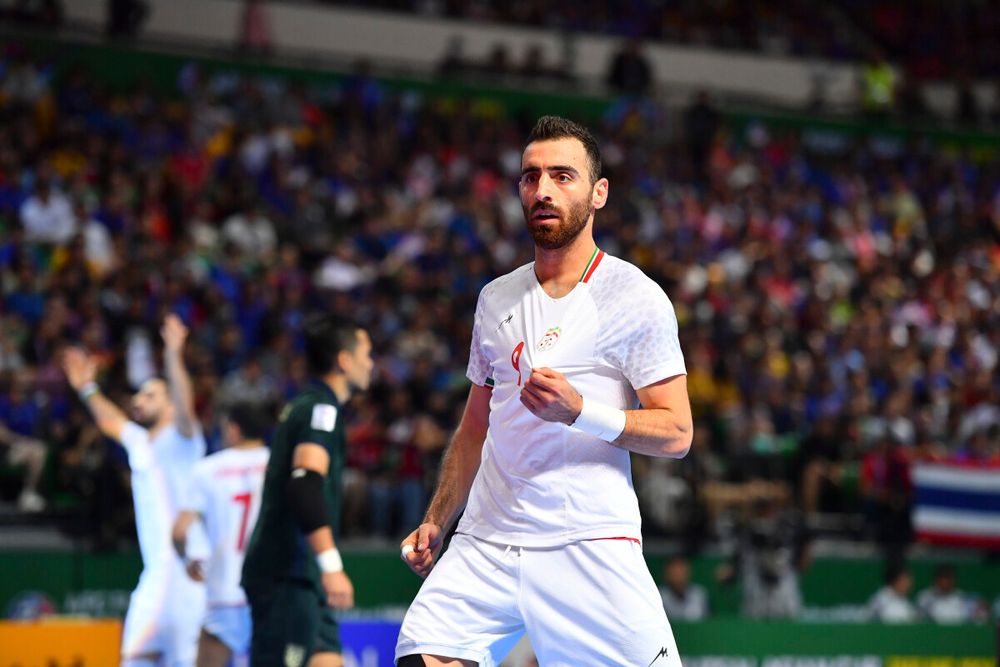
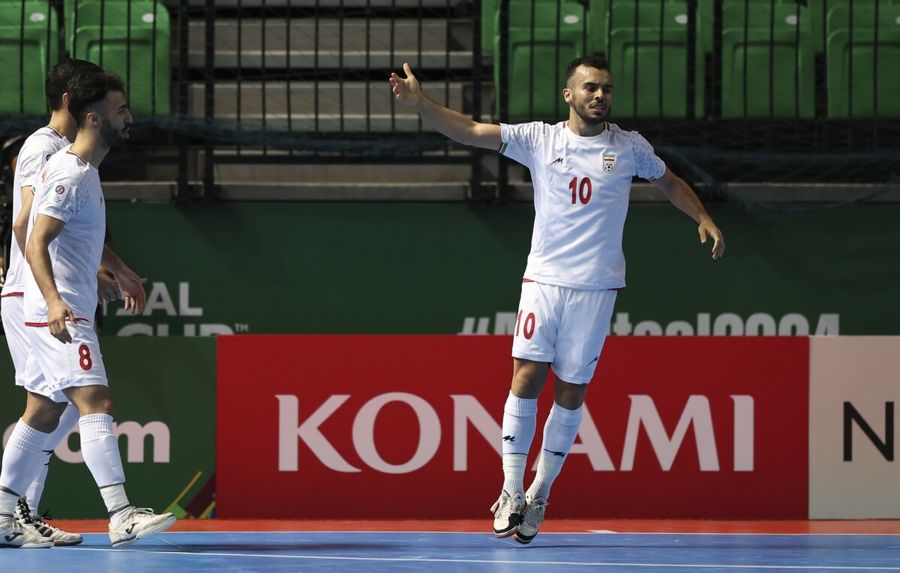
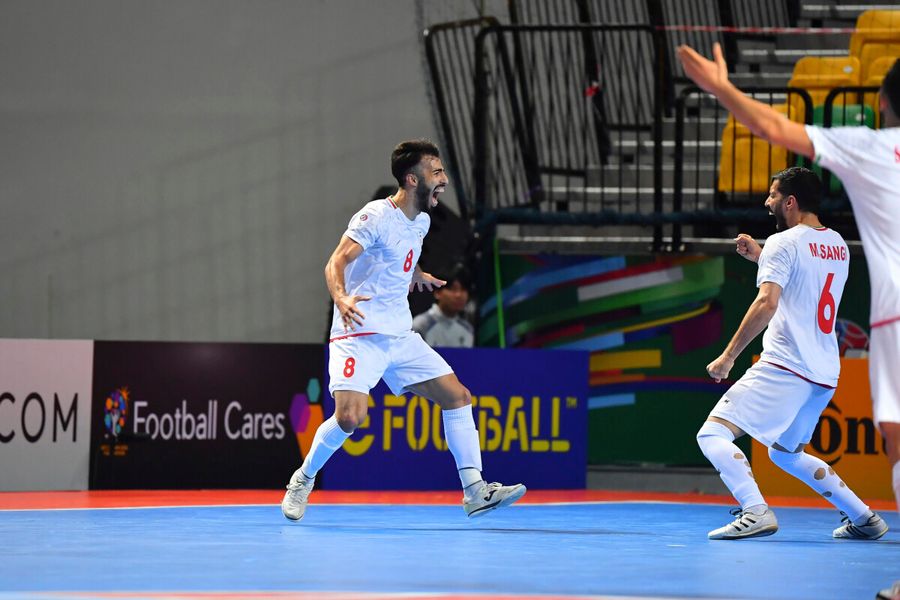
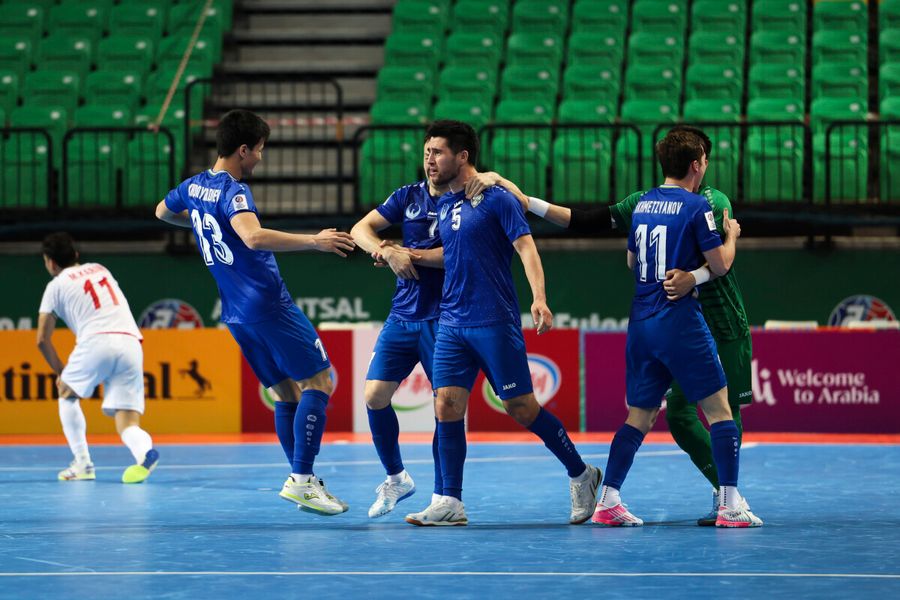
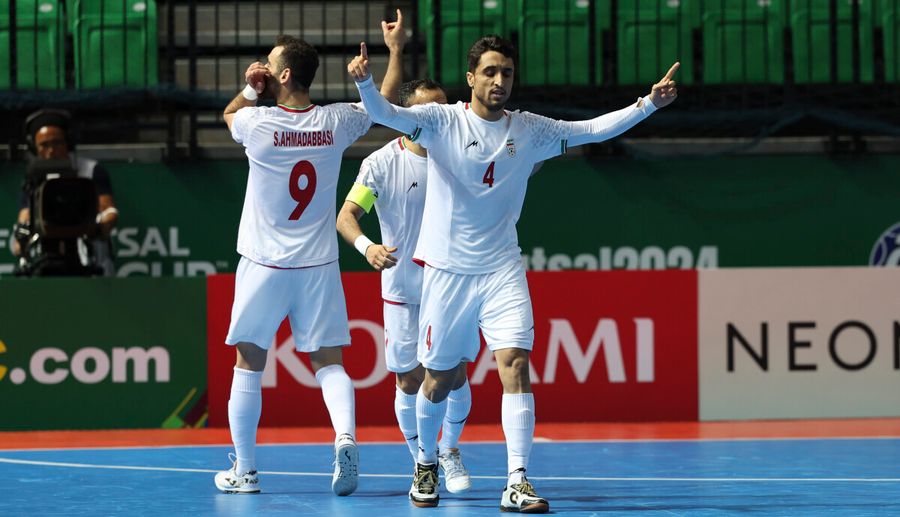
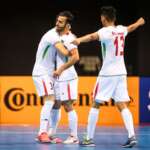
Compounding the tactical concerns is the team’s palpable lack of emotional intensity. The body language of several players has suggested disheartenment or disengagement, with celebrations muted even after scoring. This emotional vulnerability is something opponents will gladly exploit. While external factors—including the prevailing situation in Iran—undoubtedly weigh on the players, affecting their mental state, the coaching and administrative staff must find ways to bolster morale and focus. This psychological preparation is as critical as any tactical adjustment.
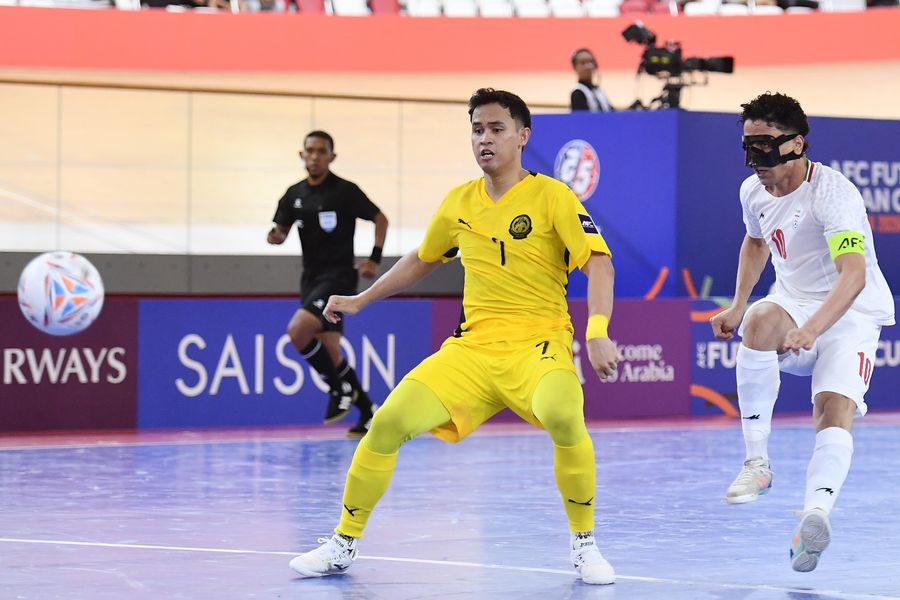
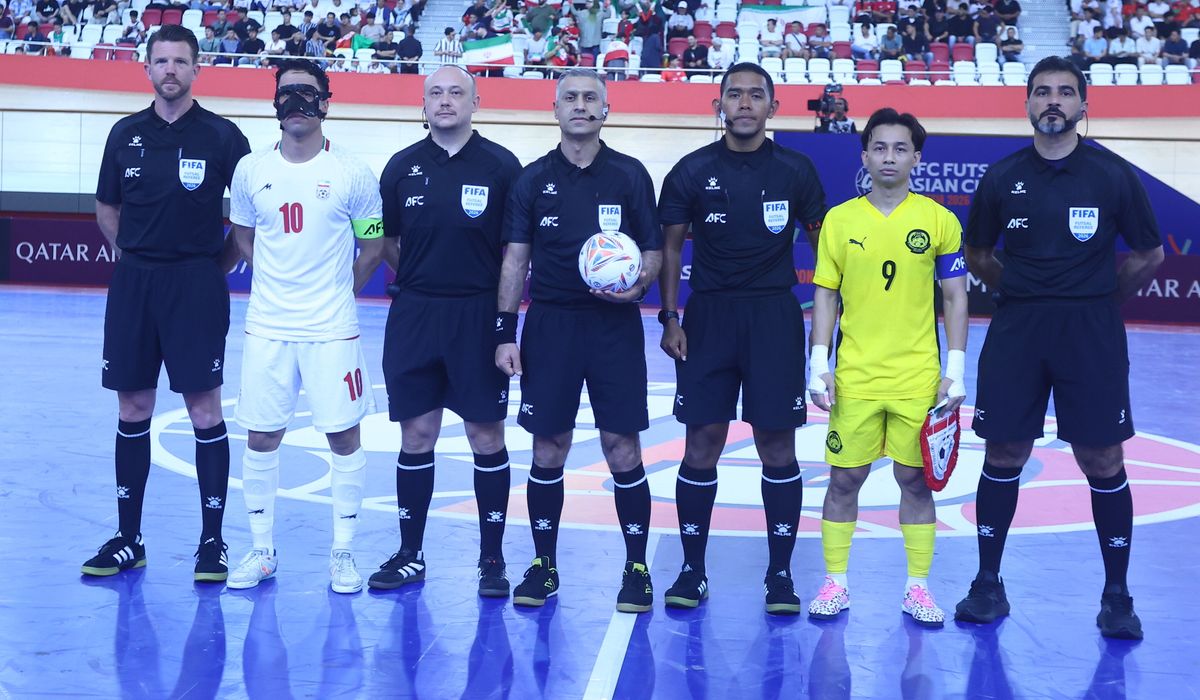
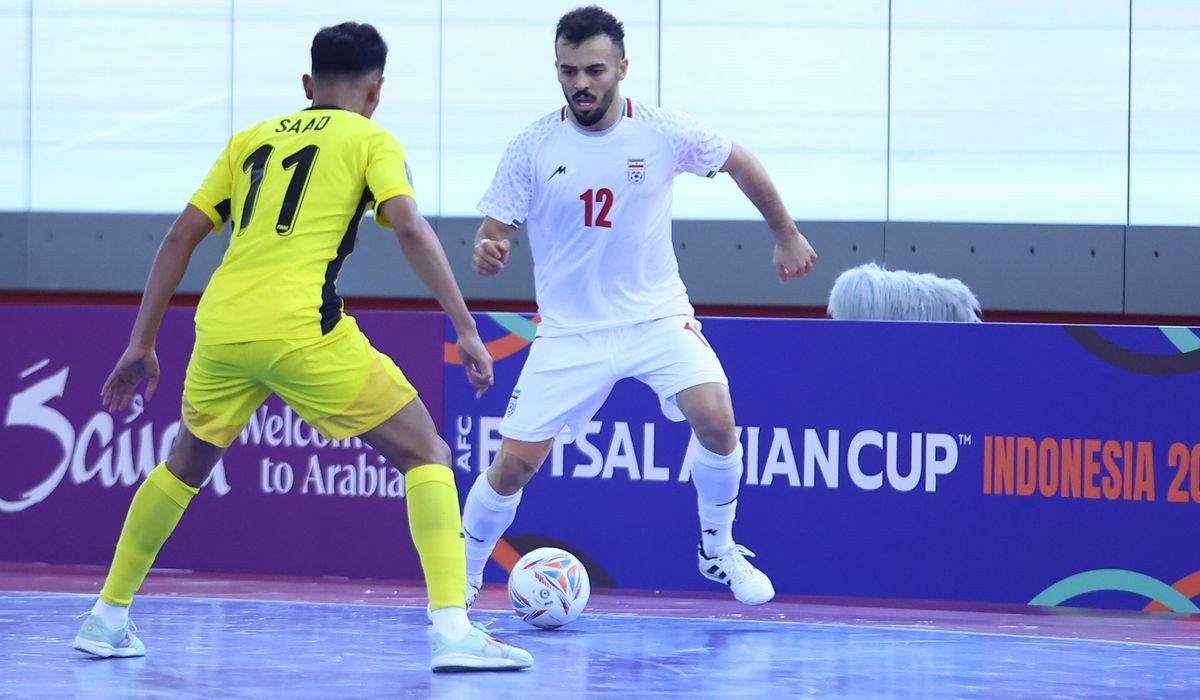
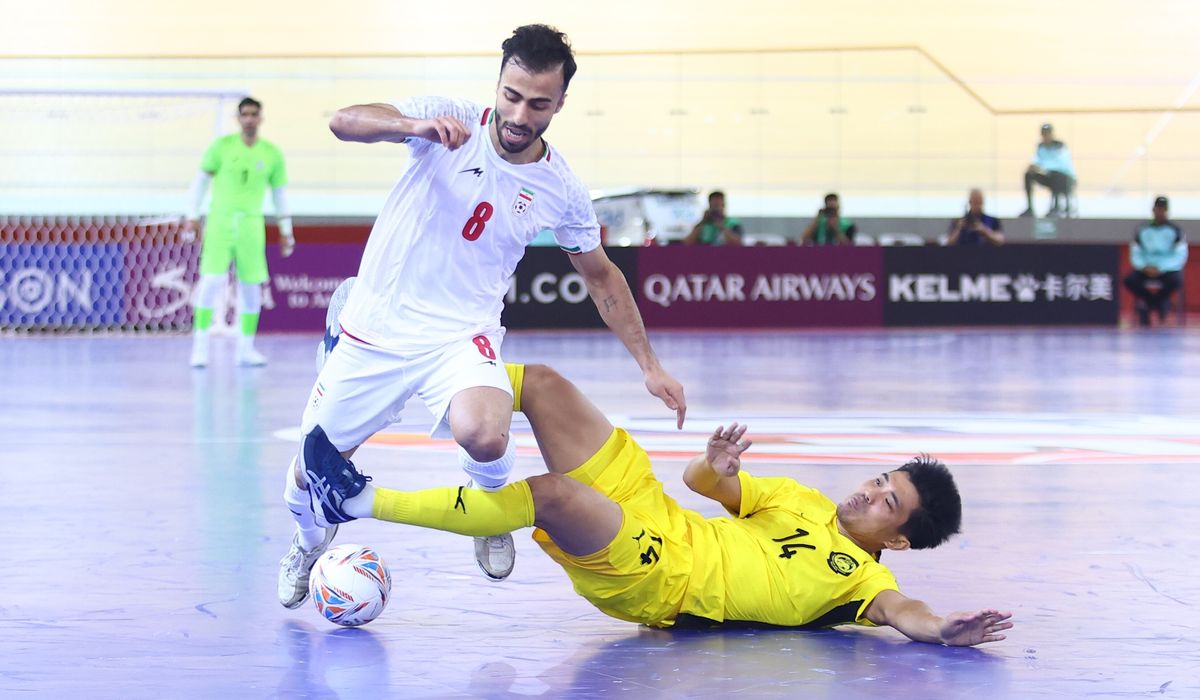
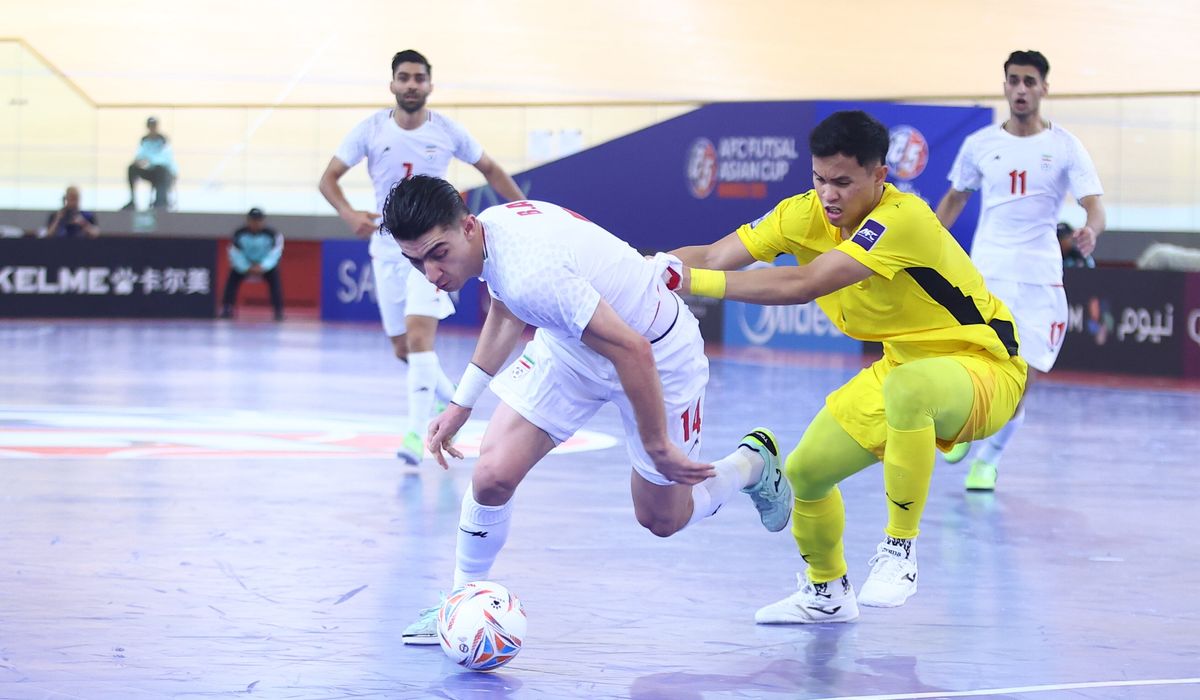
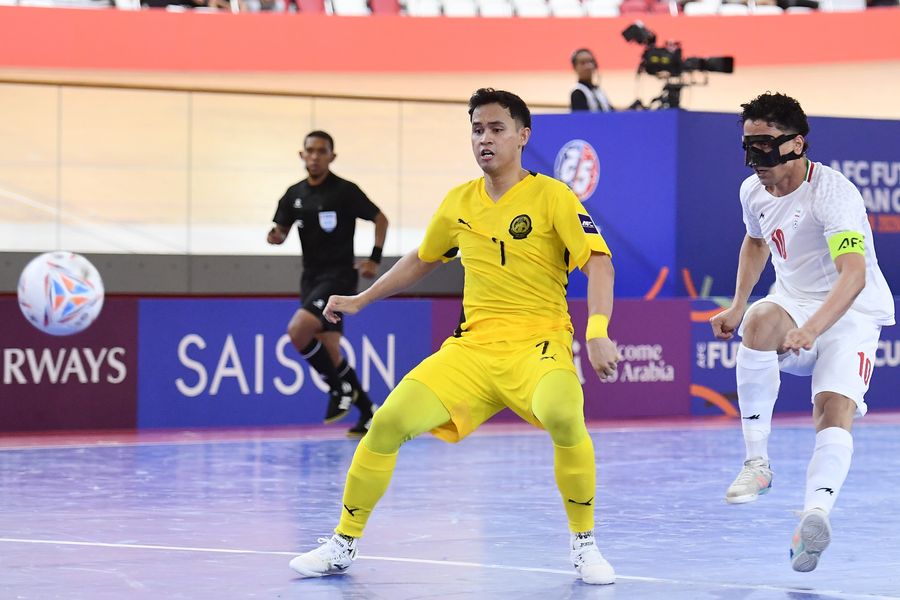
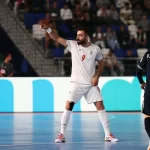
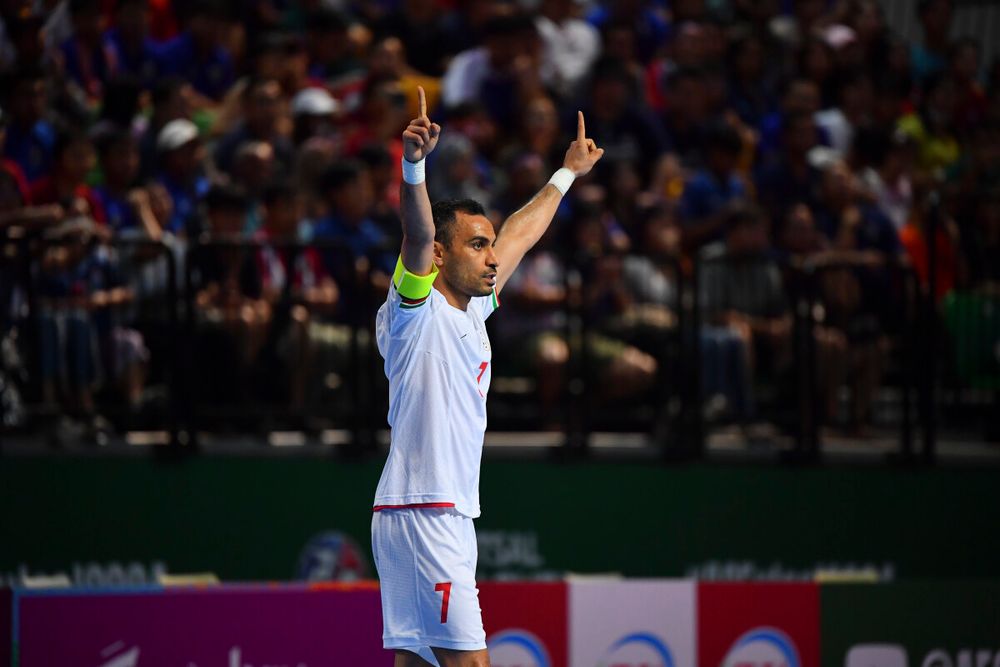
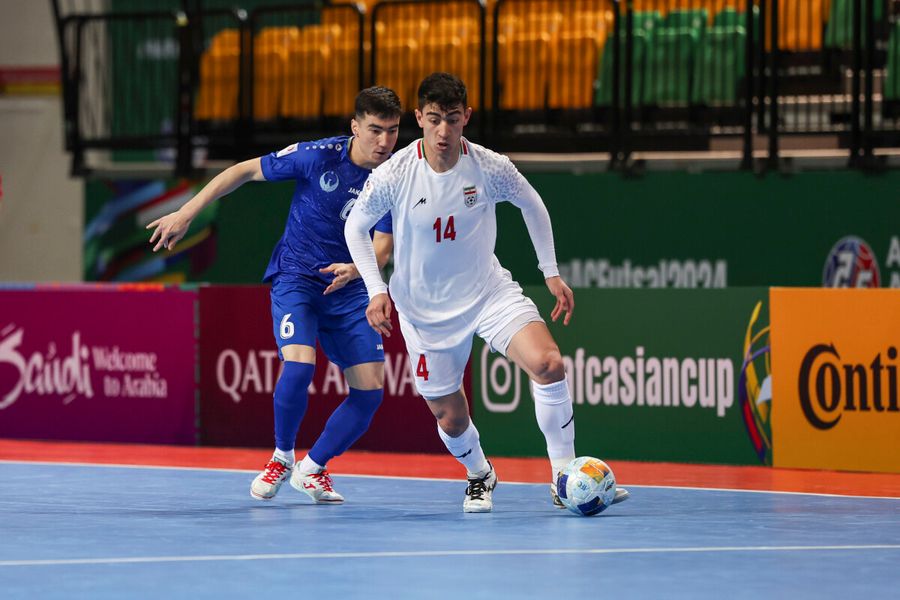
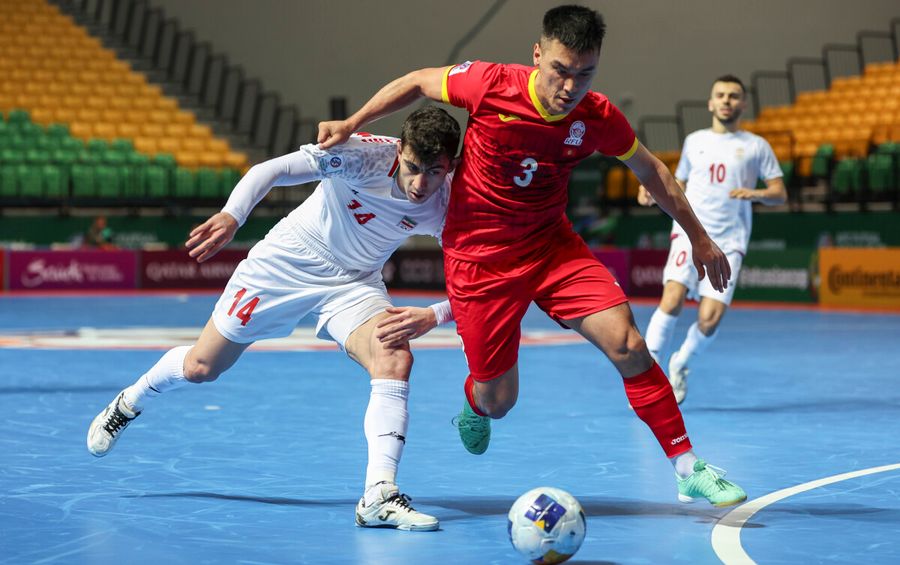
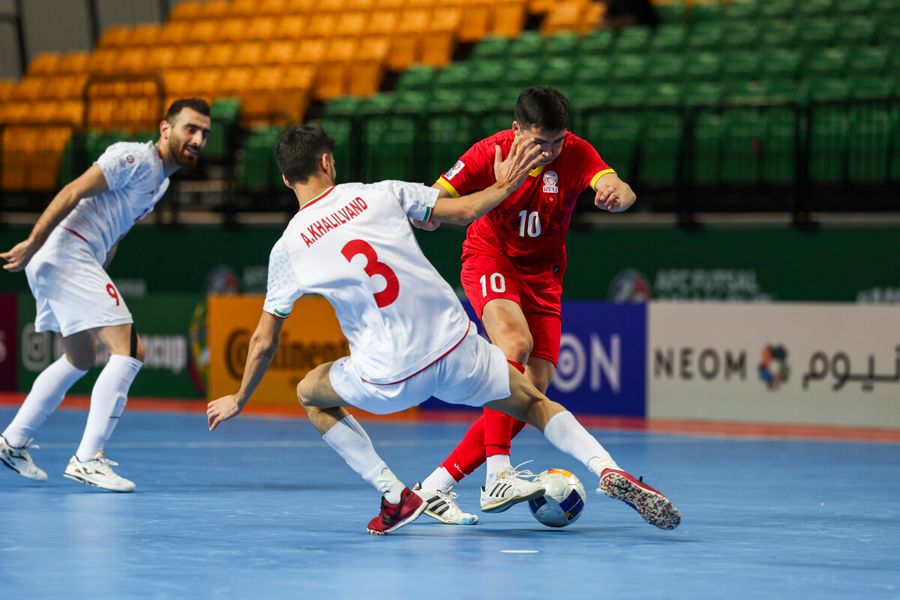
Individually, Salar Aghapour remains Iran’s standout performer. However, key players need to elevate their games. Captain Hossein Tayebi, wearing a protective face guard due to a nose injury, has struggled with his shooting accuracy. Ahmad Abbasi’s decision-making has at times seemed erratic, resulting in rushed shots that are often blocked. Even the typically brilliant dribbler Moslem Olaghabad has looked uncharacteristically subdued, losing several one-on-one duels.
From what has been observed across the tournament, this edition appears to be the most competitive in years, making Iran’s title defense a formidable challenge. The path ahead is daunting, but the hope remains that Team Melli can rise to the occasion, overcome its current struggles, and reaffirm its regional supremacy by reclaiming the trophy. The coming matches will be a true test of Character, skill and spirit.
.JPG?d=1000x0)
.jpg?d=900x0)