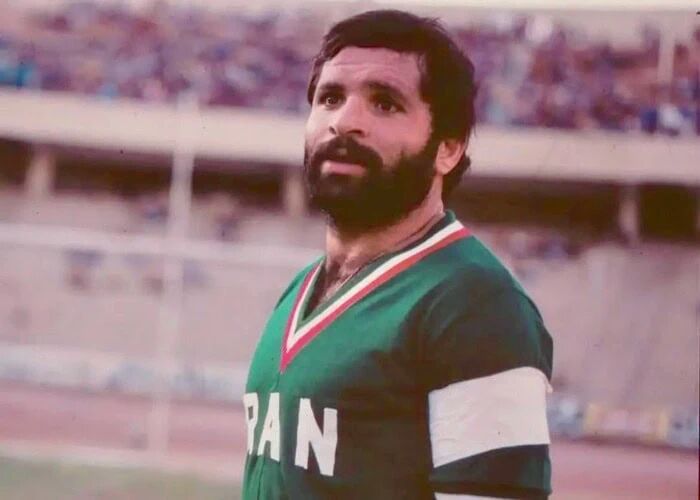
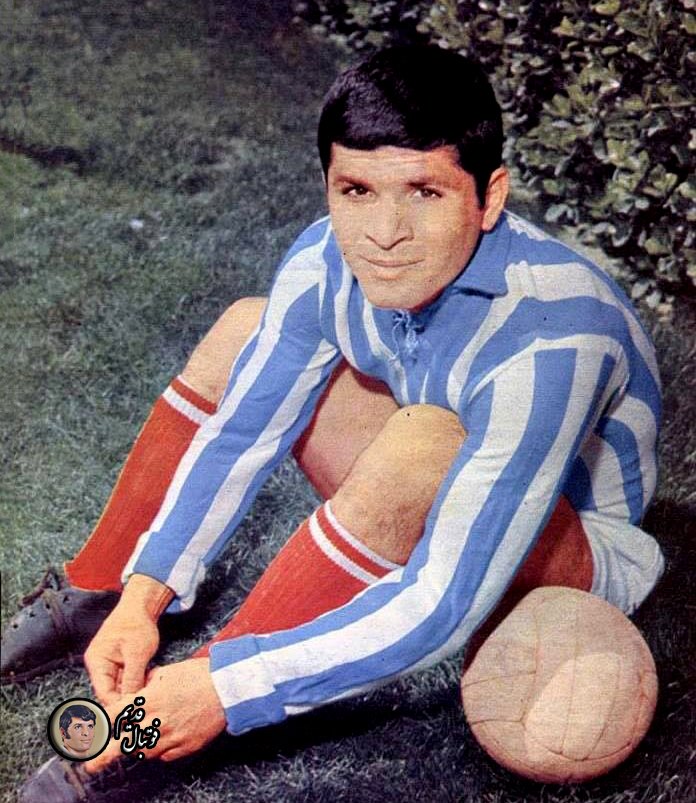
Paris, France – Parviz Ghelichkhani, widely regarded as the greatest and most decorated footballer in Iranian history, has passed away at the age of 81 following a long and courageous battle with illness. He died peacefully in Paris, where he had lived in exile for over four decades.
Ghelichkhani’s life was one of dramatic contrasts: on the pitch, he was a genius of effortless grace and tactical intelligence; off it, he was a defiant political activist, a vocal critic of the Islamic Republic, and a man who paid dearly for his convictions.
A Life in Exile and Activism
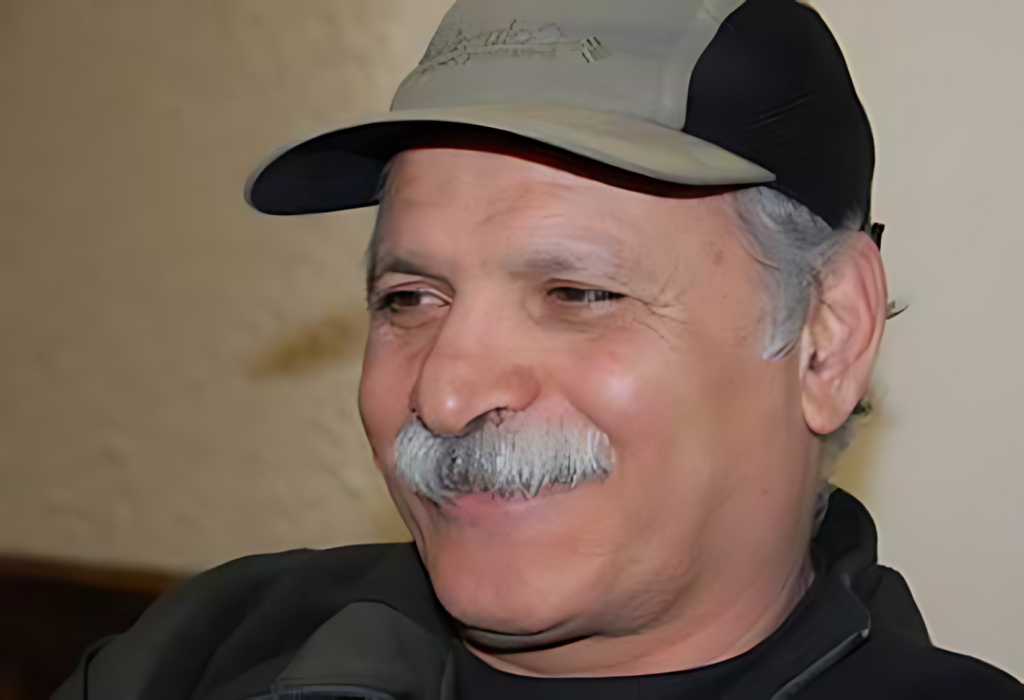
Following the Iranian Revolution in 1979, Ghelichkhani chose a path of dissent over silence. He went into self-imposed exile in France, never to return to his homeland. Unlike many of his sporting peers who accommodated the new regime, Ghelichkhani became a sharp and relentless critic of the clergy-led government. For most of his adult life, he published a left-wing Persian-language publication that fearlessly condemned human rights abuses, political corruption, and the suppression of dissent in Iran. His writing made him a target of the regime’s ire, but he remained undeterred, seeing his political voice as a natural extension of his lifelong fight against injustice—a fight he began long before his boots were hung up.
A Footballing Genius Without Equal
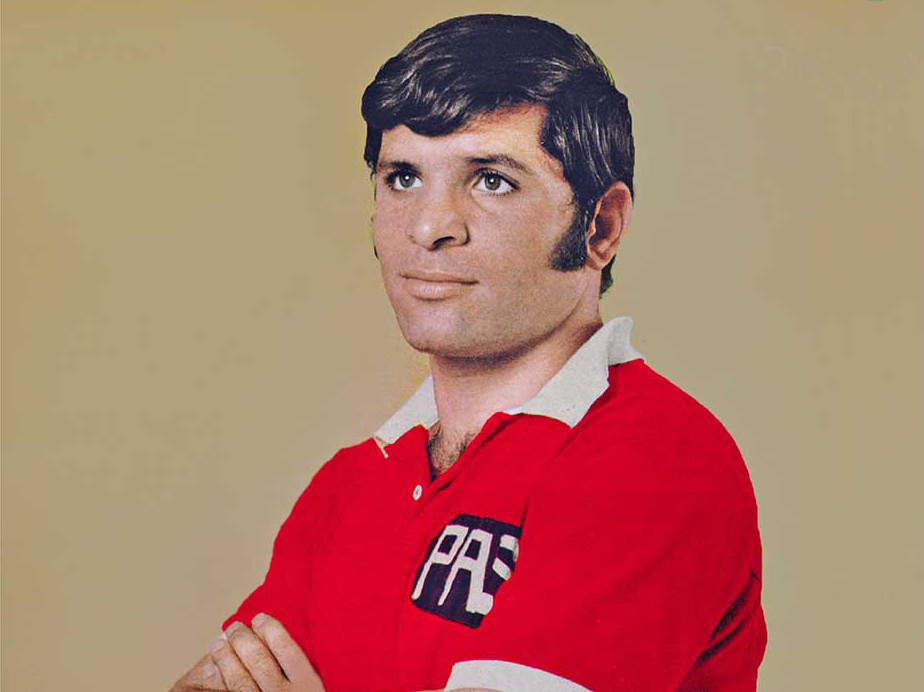
On the football front, Ghelichkhani’s legacy is staggering. A remarkably versatile player, he could operate seamlessly in any outfield position—starting as a forward, later dominating as a midfielder, and even excelling as a libero (sweeper) in the twilight of his career. His technical skill, vision, and unmatched dribbling ability earned him the nickname "The Wizard of Tehran."
His list of records remains the stuff of legend:
- Three Consecutive Asian Cups (1968, 1972, 1976): Ghelichkhani remains the only player in the history of Asian football to lift the AFC Asian Cup on three successive occasions. Even more astonishing, he never lost a single match in the tournament across those three campaigns—a record of invincibility that still stands today.
- Club Dominance: With Taj SC (now Esteghlal Tehran), he won multiple Iranian league titles and the prestigious Asian Club Championship (now the AFC Champions League) in 1970.
- Individual Honors: He was named Iran’s Footballer of the Year multiple times and was a permanent fixture in the Asian All-Star team throughout the 1970s.
- Three Olympic Games appearances, the first one when he was 16 years old in Tokyo, then in the Munich Olympic Games 1972, and finally in 1976 in the Montreal Olympic Games.
The Cruelest Cut: The 1978 World Cup
Perhaps the most painful chapter of his career came in 1978, on the eve of Iran’s historic first-ever World Cup appearance in Argentina. Ghelichkhani, then at the peak of his intellectual and physical powers, was brutally expelled from the national team. The official reason cited “indiscipline,” but it was an open secret that his leftist political leanings and outspoken nature had made him persona non grata to the regime of the Shah (which, ironically, he also opposed). The Iranian football federation, pressured by SAVAK (the Shah’s secret police), dropped him from the squad. To this day, many historians and fans call it one of the greatest injustices in football history—denying the world a chance to see Iran’s finest player on its grandest stage.
Historical Context and Legacy
Ghelichkhani was born in 1945 in Tehran during a period of Allied occupation. He came of age during the nationalist oil nationalization movement of Mohammad Mossadegh and later lived through the authoritarian rule of the Shah. His political awakening occurred on university campuses, long before his exile, making him a rare figure: a world-class athlete who was also an intellectual and revolutionary thinker.
His decision to remain in France after 1979, rather than reconcile with Ayatollah Khomeini’s government, cost him his property, his pension, and a hero’s welcome in Iran. For decades, his name was erased from state media and football history books. Only in recent years, with the rise of social media and a younger generation curious about pre-revolutionary Iran, has his legacy been publicly reclaimed.
Final Whistle
Parviz Ghelichkhani is survived by his children and grandchildren in Europe. His passing closes the final chapter of a golden era of Iranian football—a time when artistry and bravery defined the game.
Though he died far from the land of his birth, his spirit never left. He once said in an interview from his Paris apartment, “I played for the people of Iran, not for any flag or regime. They are my only medals.”
May God bless his soul. May his name no longer be erased, but celebrated as the true legend it always was.
Rest in peace, Parviz Ghelichkhani (1945–2026).