
- Dysfunctional federation
- FFIRI needs to learn from Iran's Volleyball Federation.
- Lack of achievements and trophies is becoming institutional in Iran's football.
A Coach Without Charisma or Credibility
To describe Amir Ghalenoei as the least popular Team Melli coach in recent history would probably be an understatement. His unpopularity stems not only from his technical and tactical shortcomings and his failure to get the best out of his players, but also from his character and charisma—or rather, the lack of them. Add to that a rhetoric and a set of statements that hardly reflect reality, and you have a recipe for deepening resentment among a large segment of fans and media alike.
Where previous coaches, even unpopular ones, could at least command a measure of respect through results or presence, Ghalenoei inspires neither. His public pronouncements often ring hollow, his tactical decisions raise more questions than they answer, and his inability to extract consistent performances from a squad containing genuine talent has left supporters frustrated and disillusioned. The result is a coach who has become a lightning rod for criticism—not merely for what he does, but for how he carries himself while doing it.
The Loyalty of Mehdi Taj: A Fatal Alliance
Yet Ghalenoei retains the backing of his partner in crime, Mehdi Taj. For reasons that remain unclear, the FFIRI chief appears to believe in him blindly, despite his limited capabilities. This unwavering support, in the face of mounting evidence to the contrary, has become one of the most perplexing features of Iranian football governance.
This is precisely what leads many pundits to conclude that Team Melli's problems are, in fact, of Mehdi Taj's making—and that with an incompetent FFIRI at the helm, the fortunes of the national team are unlikely to improve. The relationship between the two men has become symbiotic: Ghalenoei depends on Taj for his position, while Taj appears to depend on Ghalenoei for reasons that defy rational explanation. Until this alliance is broken, the national team seems condemned to stagnation.
The Search for Alternatives
Recently, some media outlets have begun discussing possible alternatives to Ghalenoei. While many believe a change would come too late, with less than 100 days until the AFC Asian Cup 2027 kicks off, many others argue that it could hardly be worse than what Ghalenoei is currently offering. The logic is simple: if the team is already underperforming, what is there to lose by trying something different?
Names such as Alireza Mansourian, Yahya Golmohammadi, and Farhad Majidi have been floated as replacements. Frankly speaking, none represents a major upgrade in terms of pedigree or proven track record. Yet a change of mentality and attitude could still benefit the team, freeing the squad from its attachment to older, incapable players who have consistently underperformed. Sometimes, the argument goes, the identity of the new coach matters less than the willingness to make difficult decisions that the incumbent has consistently avoided.
The Case for a Youth Revolution
These younger coaches would have no emotional attachments to the likes of Hajsafi, Jahanbakhsh, Khalilzadeh, or Taremi—all of whom belong on the retirement list—and might be willing to inject new names and revolutionize the team, much as Mohammad Mayeli-Kohan did at the 1996 Asian Cup.
Mayeli-Kohan, a young coach for his time, broke every taboo and produced a team that could have lifted the Asian Cup 1996 for the first time since the revolution. He introduced the likes of Mehdi Mahdavikia, Mehdi Pashazadeh, and Alireza Mansourian, and built a solid team around Ali Daei, Karim Bagheri, Khodadad Azizi, and Ahmadreza Abedzadeh—a side that humiliated the powerful South Koreans 6-2 and defeated the eventual champions, Saudi Arabia, 3-0. It was a team that played with courage, imagination, and a fearlessness that has been conspicuously absent from recent iterations of Team Melli.
Perhaps an option like Mayeli-Kohan is not available today. But there is no solid reason why one of the aforementioned names could not do something similar. What is required is not a miracle worker, but a coach with the courage to make unpopular decisions, the vision to identify emerging talent, and the conviction to build a team around it rather than around reputations and past glories.
The Foreign Coach Solution
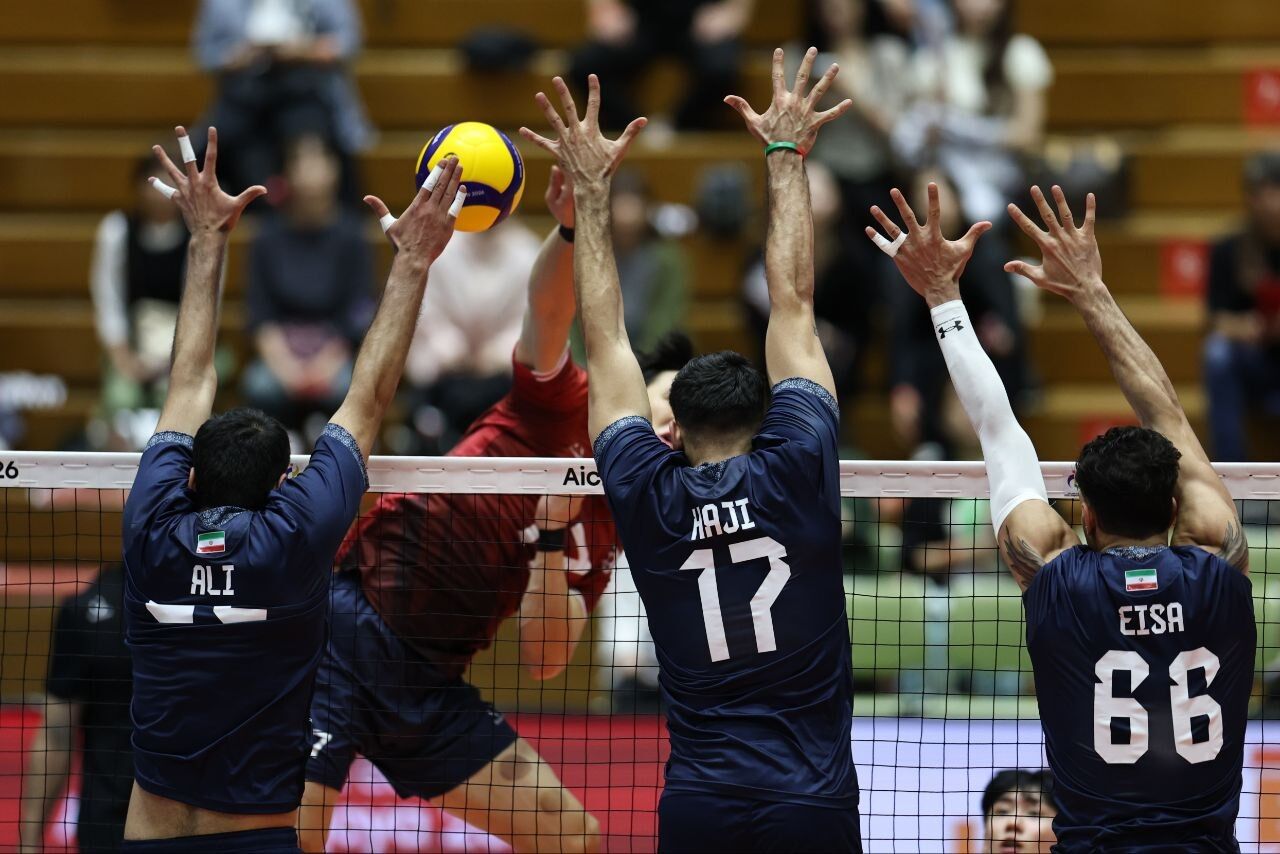
Many observers agree that, for the long run, Team Melli needs a competent foreign coach to return to its glory days. The Iranian Volleyball Federation offers a prime example of a progressive and competent governing body that recognized the limitations of domestic coaches. By bringing in foreigners starting from 2011 Julio Velasco to the current Roberto Piazza, it has elevated Iran's volleyball to world level.
From the Asian Games 2010 to 2026 , Iran's volleyball won 1 silver medal in 2011 and then 4 consecutive gold medals as of today. What is Iran's football federation's achievement in the same period ?
The contrast with football could not be starker. While volleyball has embraced international expertise and reaped the rewards, football has remained trapped in a cycle of insularity, recycling the same domestic names regardless of their demonstrated limitations. The argument for a foreign coach is not an indictment of Iranian coaching talent per se, but a recognition that fresh perspectives, different methodologies, and freedom from domestic political entanglements are essential for genuine progress.
Conclusion: A Federation Without Vision
Until Iranian football's administrators show the same vision and courage as their volleyball counterparts, Team Melli seems destined to remain trapped in a cycle of mediocrity, hostage to the whims of an unpopular coach and the blind loyalty of those who keep him in place. The problem, in the end, is not merely Ghalenoei, t is the system that sustains him, the federation that refuses to hold him accountable, and the broader culture of complacency that has come to define Iranian football governance. Change, if it comes, must start at the top.