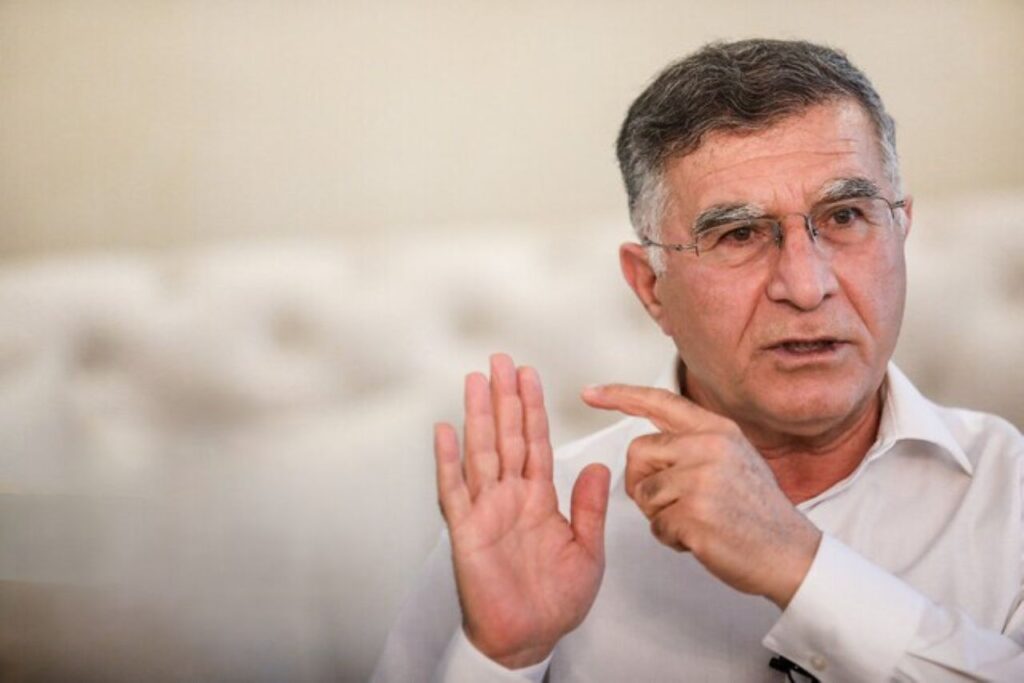
After Omid Ravankhah was dismissed as head coach of Iran’s U-23 national team, veteran coach Majid Jalali offered a sharp critique of the short-term decision-making that continues to hinder Iranian football. Jalali stressed that the root issue with the Omid team is not who serves as head coach, but rather the lack of long-term planning and managerial stability—problems he believes have persisted for nearly half a century and now extend to the senior national team.
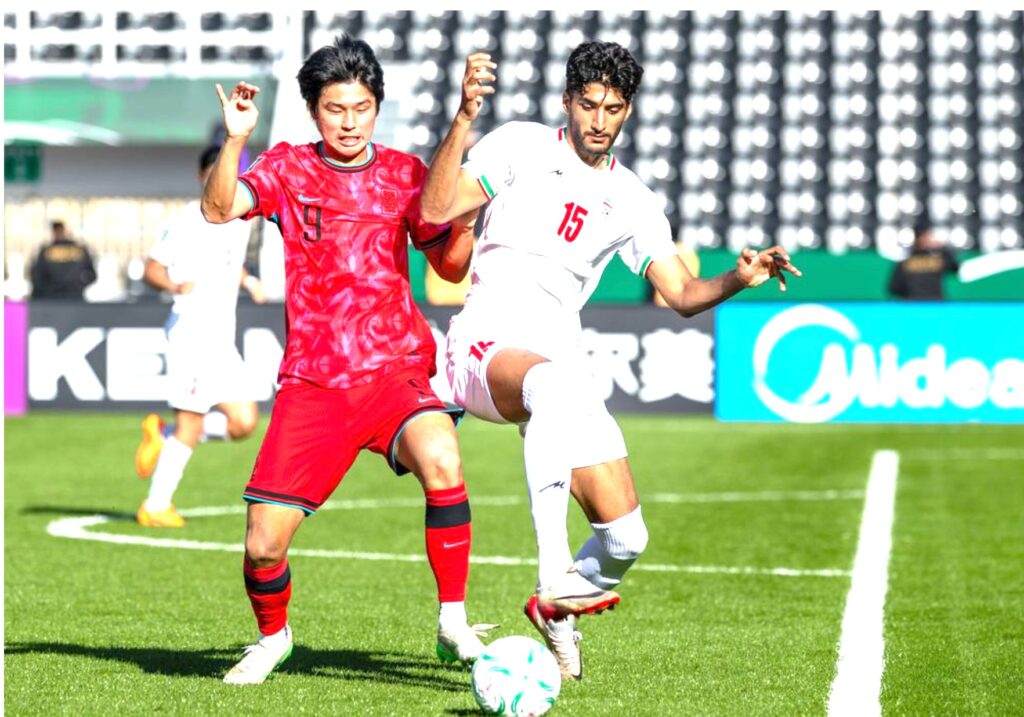
Ravankhah was removed from his position following Iran’s early exit from the 2026 AFC U-23 Asian Cup. A review of the team’s performance is set to take place during an upcoming technical committee meeting, where potential replacements will also be discussed.
In an interview with ISNA, Jalali reflected on the persistent struggles of the Omid team: “Unfortunately, we keep repeating the same mistakes when it comes to the U-23 side. For about 50 years, we haven’t managed to progress past a certain stage—despite trying more than 30 coaches. Foreign coaches, domestic coaches, and recently even young, inexperienced coaches like Ravankhah have been given opportunities. We always have a four-year cycle to plan, yet we leave decisions to the last three months and then complain about a lack of time!”
Jalali continued, emphasizing that the recurring issues run deeper than coaching choices: “There must be other significant reasons behind these failures. Believing that replacing a coach with a high-profile foreign name will solve everything is a strategic mistake we’ve made over and over—and apparently, we’re about to make it again. If we truly want the Omid team to succeed, we have four years to prepare. But when we only start thinking about it in the final three months, failure is inevitable. We need to change how we see and plan for this team.”
He also pointed out the counterproductive habit of changing coaches mid-cycle: “Often, we’ve acted a year before a tournament and replaced the coach midway through. That means we lose time there, too. I believe we need a solid, long-term plan—looking ahead a full four years—if we want this team to qualify for the Olympics. If we fail again despite proper planning, that’s just part of the game. But if we succeed without a plan, it’s mere coincidence. And the truth is, we’ve never really had a long-term plan for the Omid team.”
Jalali further stressed the importance of preparation and exposure: “There have been times when we had talented players, but because they lacked international friendlies and competitive experience—and because coaches often lacked international exposure themselves—we’ve been hurt in crucial moments. That’s part of the problem, but the real issue is the absence of a long-term vision. This weakness in the Omid team has directly affected the senior squad. Team Melli is now one of the oldest in the world because the youth and U-23 teams haven’t produced enough quality players to refresh the national team.”
When asked whether long-term planning and infrastructure should come before selecting a head coach, Jalali replied: “Maybe even before that! First, we need a plan. Our Omid teams have consistently underperformed, and as a result, the senior team has aged without viable replacements. If our youth and U-23 teams were successful, we’d see more young players in international competitions and eventually in the senior squad.”
Jalali also criticized the lack of continuity in grassroots development: “The few promising players who emerge often leave their clubs because they don’t get enough playing time at clubs that are focused on results and have little inclination to youth development.”
“Our rivals plan for years. While we struggle to do any such long-term planning. It is the same story with other youth and age group teams. These are failed experiments we keep repeating. Our football is on a downward trajectory.”
Asked about the recent elimination of Iranian clubs Esteghlal and Sepahan from Asian competitions, Jalali saw it as further evidence of decline: “Our football is sliding backward. I once said we were on the right track, but that’s no longer the case. There are many reasons for this. When I was at the federation, we diagnosed these issues and laid them out in a comprehensive plan, why we’ve reached this point. I said then that the future would be harder, and I’ll say it again. The further we go, the tougher it gets. Years ago, we were upset about not winning trophies. Now, we’re satisfied just to see our teams advance a round or two.”
“Over time, we’ll face stronger competition from second-tier nations, and soon maybe even third-tier teams. Right now, we’re struggling to get past the group stage in the Asian League Two, while we once lamented not being champions of Asia. Our wealthy, big-spending clubs can’t progress in second-tier competitions. It’s clear we’re in decline, and we still haven’t found a way out.”