
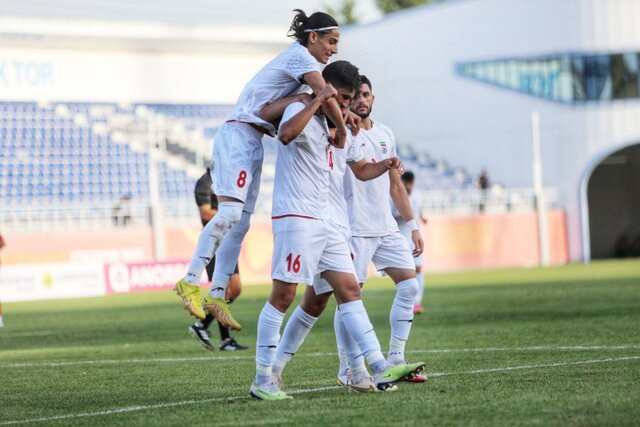
While the baffling appointment of Omid Team’s coaching staff highlights the Football Federation’s incompetence, it is only one symptom of a deeper rot. Iran’s 50-year Olympic qualification drought stems from systemic failures—club selfishness, federation weakness, and logistical chaos—that have doomed generations of talent.
Club Selfishness Over National Duty
The primary obstacle? Iran’s top clubs, particularly powerhouses like Persepolis and Esteghlal, routinely refuse to release players for Omid Team duties. Though some fans sympathize with clubs prioritizing league campaigns, this shortsightedness cripples the national team’s preparation. Unlike Saudi Arabia, Qatar, or the UAE—where clubs consider youth development a patriotic duty—Iran’s giants face no consequences for their defiance. The Football Federation (FFIRI), led by Mehdi Taj, lacks the spine to enforce compliance, fearing backlash from influential clubs. Publicly, both sides claim cooperation; privately, it’s a farce.
Why Top Coaches Refuse the Job
Even if a competent coach were appointed, the role is a poisoned chalice. Established managers avoid the Omid Team, knowing they’ll be handed a weakened squad due to club obstinacy. Why risk their reputations coaching a B-team when the federation won’t secure the best players? The result: only desperate or politically connected candidates—like Ravankhah—take the job, perpetuating the cycle of failure.
Chronic Mismanagement & Blame Games
For years, the Olympic Committee (IOC) oversaw the Omid Team, and failures were conveniently blamed on their “interference.” Yet now, with full control handed back to the FFIRI, nothing has improved. The federation’s planning remains shambolic—training camps are poorly scheduled, preparation matches are scarce, and long-term strategy is nonexistent.
A Lost Generation
Iran’s golden era of youth dominance in Asia is long gone. Today’s U23s lack the technical and tactical foundation of their predecessors, and the federation’s negligence has only widened the gap. With clubs hoarding players, unqualified coaches at the helm, and zero accountability, the dream of ending Iran’s Olympic drought grows more distant.
The harsh truth? The FFIRI is not just failing—it is unwilling to succeed. Unless clubs are forced to cooperate, competent coaches are empowered, and the federation is held accountable, even partial progress is impossible. For now, Iranian fans can only watch as their neighbors thrive while their own team languishes in chaos.