
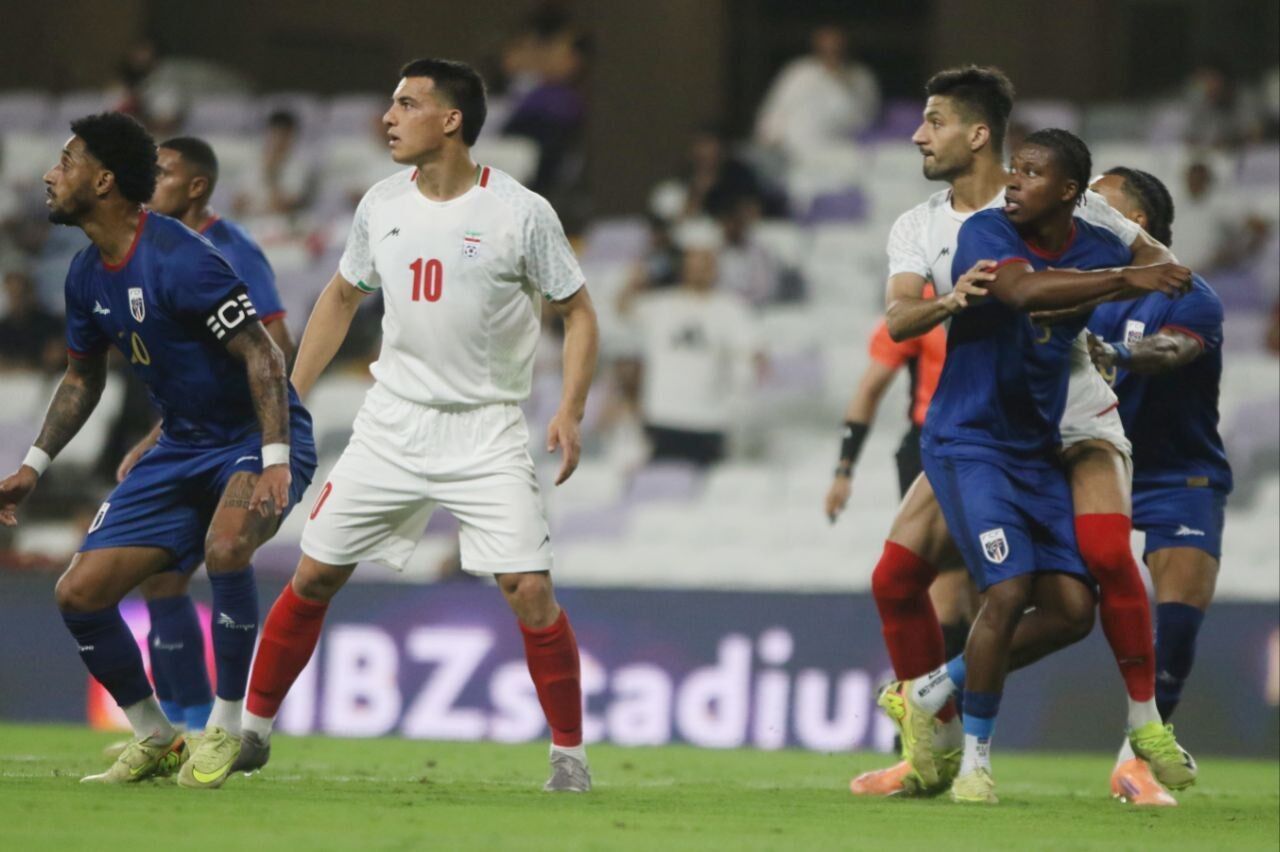
Al Ain, UAE – In another underwhelming performance that has become characteristic of the Amir Ghalenoei era, Iran’s national football team struggled to a goalless draw against World Cup debutants Cape Verde in the Al Ain International Cup on Tuesday. The match, which required a penalty shootout to determine progression, saw Alireza Beiranvand emerge as the unlikely hero with a crucial save that secured Iran’s place in the final.
Tactical Deficiencies Laid Bare
From the opening whistle, the African archipelago nation—ranked 71st in the world—seized control of the match, forcing Team Melli into a defensive posture that has become all too familiar under Ghalenoei’s leadership. While Cape Verde demonstrated why they earned their historic qualification for the 2026 World Cup, their lack of clinical finishing spared Iran from what could have been an embarrassing defeat.
The tactical approach from the Iranian side raised serious questions about Ghalenoei’s footballing philosophy. Team Melli reverted to what has become their default strategy: route-one football characterized by long balls launched from defense toward the forward line. This simplistic approach consistently failed to yield results, primarily due to the glaring absence of pace in Iran’s attacking third.
Second-Half Glimmer Quickly Extinguished
The second half offered marginal improvement, with Iran creating two clear opportunities to break the deadlock. The most notable chance came when Ezzatollah found himself with an open goal, only to see his effort miraculously cleared off the line by a Cape Verde defender’s heroic header. This moment encapsulated Iran’s ongoing struggles in front of the goal, an issue that has plagued the team throughout Ghalenoei’s tenure.
Individual performances further highlighted the team’s decline. Hosseinzadeh, typically a creative spark, delivered a subdued performance that warranted his substitution. Mehdi Taremi, expected to lead the line, endured another forgettable outing in what is becoming a worrying pattern of underperformance. The midfield unit operated on the periphery of the game, failing to establish control or provide meaningful service to the attackers.
Defensive Solitude in a Sea of Mediocrity
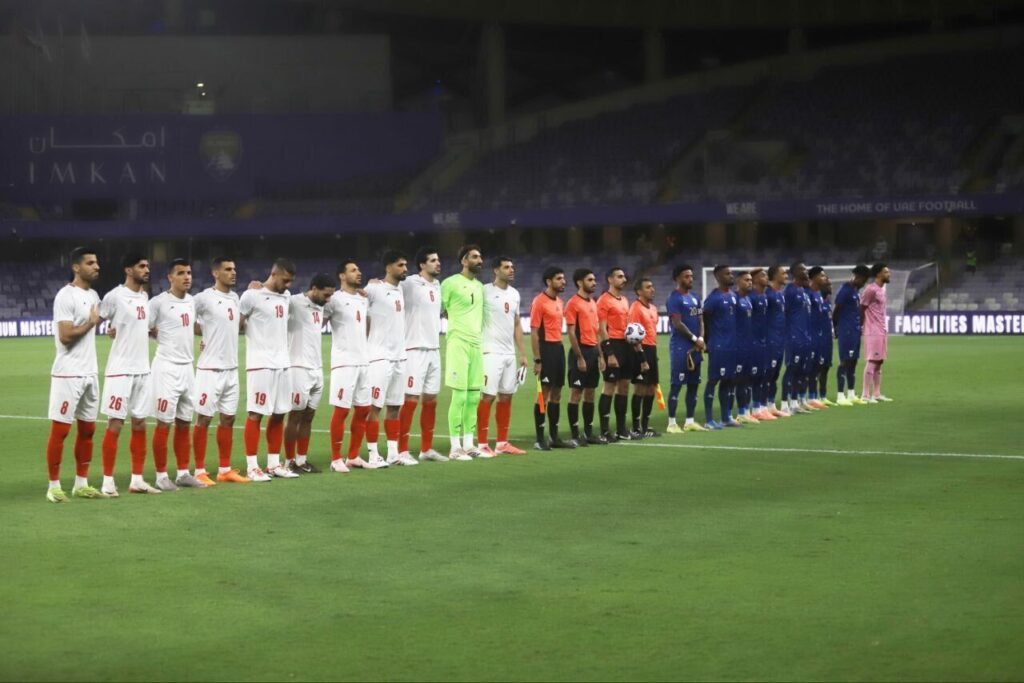
Ironically, Iran’s defenders emerged as the team’s strongest performers—a damning indictment of the overall team display when facing a nation ranked 41 places below them in the FIFA rankings. That the backline stood out as the brightest aspect of Team Melli’s performance against Cape Verde underscores the alarming regression of a team that once commanded respect in Asian football.
Ghalenoei’s Post-Match Narrative Defies Reality
Following the match, Ghalenoei continued his pattern of fact-twisting statements that have become hallmarks of his press conferences. Rather than addressing the evident tactical shortcomings and lack of coherent gameplay, the coach opted to glorify what he described as a “disciplined performance” , a characterization that starkly contradicts the reality witnessed by spectators and analysts alike.
The persistence with broken tactical approaches and the refusal to adapt to opponents’ strengths has become a defining feature of Ghalenoei’s leadership. His post-match explanations increasingly resemble exercises in denial rather than genuine assessments of performance.
World Cup Prospects Look Bleak
With the 2026 World Cup expanding to 48 teams, Iran’s qualification prospects should theoretically be more favorable. However, recent performances and especially Thursday’s performance against Cape Verde raise serious doubts about whether Ghalenoei possesses the tactical acumen to navigate even this more accessible pathway. The team’s steady decline under his guidance suggests that Iran risks becoming mere participants rather than competitive forces in global football’s premier tournament.
The technical deficiencies, an aging team, lack of creative solutions, and persistent reliance on outdated tactical approaches paint a worrying picture for Iranian football. As the team prepares to face either Egypt or Uzbekistan in the final, the fundamental questions surrounding Ghalenoei’s leadership remain unanswered—and indeed, grow more urgent with each disappointing performance.
The victory in penalties may have secured progression, but it did little to mask the systemic issues that continue to undermine Iranian football. For the growing number of critics, this match served as further evidence that a change in direction may be necessary before the team’s decline becomes irreversible.