
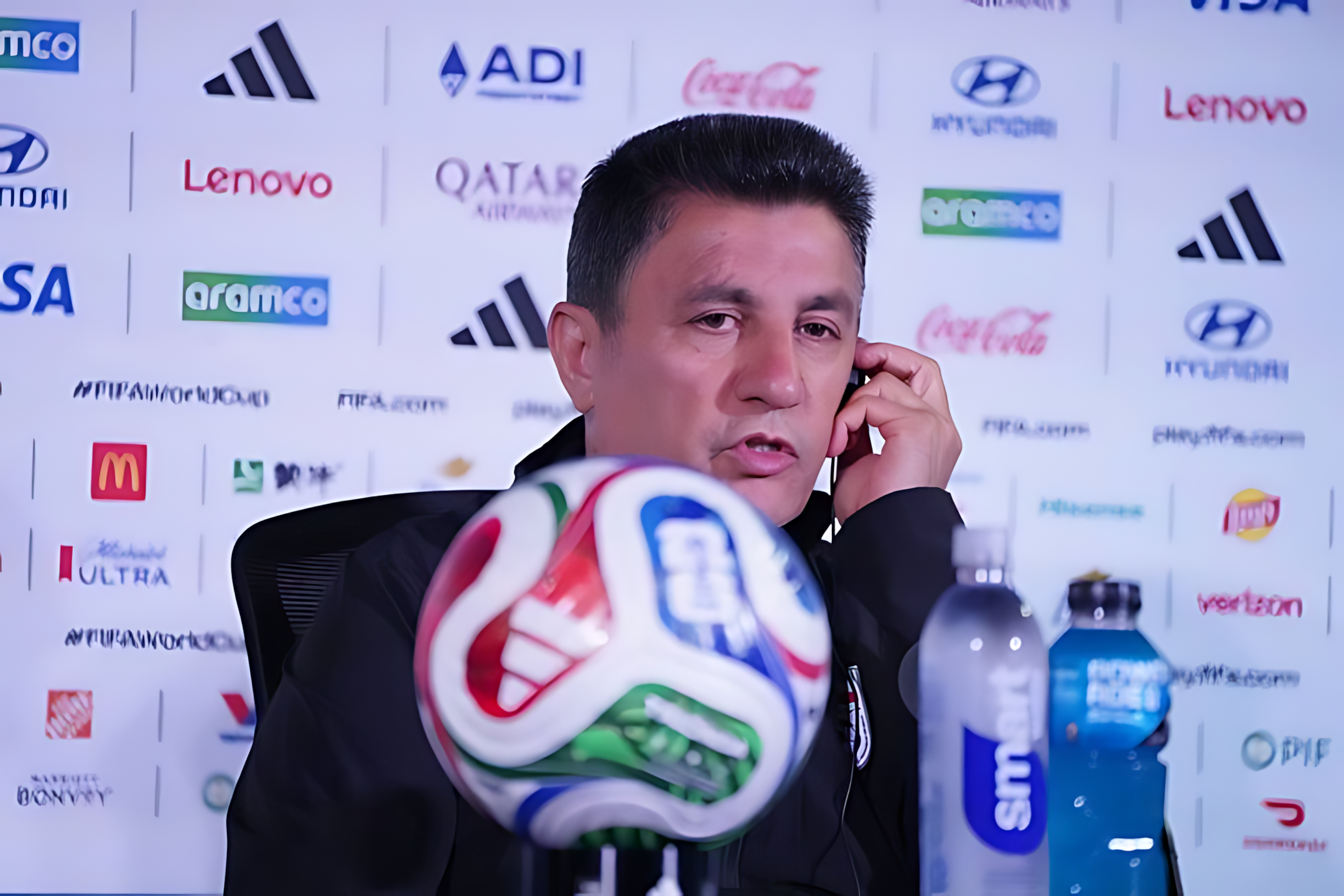
The Inquest Begins: Ghalenoei's Failures Leave Iran's World Cup Dream in Tatters
A Golden Opportunity, Squandered
This was supposed to be Iran's moment. With three winnable matches, a favorable group draw, and a squad boasting genuine quality, Team Melli had perhaps the most hopeful—and certainly the easiest—opportunity to qualify out of the group stage in the entire history of their World Cup participation. Instead, they leave with unfinished business, unanswered questions, and the bitter taste of what might have been.
The excuses are already being prepared. The Iranian Football Federation (FFIRI) has begun circulating the usual litany of justifications: Iran was the most oppressed team in the tournament; the Americans made life deliberately difficult; the logistical hurdles were insurmountable. These narratives, recycled after every failure, have become a convenient smokescreen—hiding the bitter truth that an incompetent and self-serving establishment has run Iranian football into the ground for decades, systematically preventing natural progress.
Ghalenoei's Culpability: A Catalogue of Errors
When it comes to World Cup performance, the head coach and his assistants must bear the brunt of responsibility. Amir Ghalenoei's failures were numerous, repeated, and inexcusable—and they began long before the first whistle blew in Los Angeles.
The Azmoun Exclusion: A Tactical Crime
Months ago, when Ghalenoei announced his preliminary training camp squad, the exclusion of Sardar Azmoun bordered on a tactical crime. Iran's most ready, most competent striker—a player with proven pedigree at the highest level—was left at home without any credible explanation. Ghalenoei has yet to offer a satisfactory reason for this omission, and the void left by Azmoun's absence was glaring throughout the campaign.
Beyond the Azmoun debacle, Ghalenoei's player selection was suspect at best. He leaned heavily on a core of players over 30, ignoring several promising young talents who could have injected energy and freshness into the squad. This was not a team built for the future—it was a team built for comfort, familiarity, and short-term expediency.
Tactical Bankruptcy: Route One Football
Ghalenoei's tactical failures were equally damning. His insistence on "route one" football—referred to derisively in Iran as "Ali Asghari" football—was exposed time and again. Against New Zealand, the team that would later be handsomely beaten by both Belgium and Egypt, Iran struggled to impose any coherent attacking pattern. The long-ball strategy may have suited a squad with pace and aerial dominance, but Iran possessed neither in sufficient measure.
His reading of the game was poor; his substitutions, extremely so. Against Belgium, the baffling decision to introduce Alireza Jahanbakhsh—who offered nothing—while leaving more dynamic options on the bench was emblematic of a coach who simply does not trust his squad. Against Egypt, the failure to adjust tactics when it became clear that Taremi was isolated and ineffective was inexcusable.
Out of His Depth
The uncomfortable truth is that Ghalenoei is out of his depth at the international level. He lacks the charisma, character, and technical know-how to lead Iran at the highest level of football. Compared with other opponent coaches,ff, Ghalenoei appeared reactive, hesitant, and ultimately outmatched. This is not a coach who inspires confidence—it is a coach who inspires anxiety.
Taremi: A Captain's Failure
While leaving your best forward out of the squad is inexplicable, the other best forward—Mehdi Taremi—proved to be one of the tournament's major disappointments. With 60 goals to his name as Iran's active top scorer, Taremi carried the weight of the nation's expectations. He failed to deliver. The missed penalty against Egypt—a spot-kick that would have changed the complexion of the match and perhaps the entire campaign—was the defining moment of his tournament. A captain must lead by example; Taremi's body language, decision-making, and finishing all fell short when it mattered most.
A Cycle of Failure
The fear among Iranian football fans is that Ghalenoei is going nowhere soon. Despite repeated failures and heartbreaks, he is expected to remain at the helm for the AFC Asian Cup 2027. The reason is simple: Ghalenoei pulls the right strings and wields considerable influence alongside his ally, FFIRI President Mehdi Taj. Taj himself is untouchable, protected by powerful connections that insulate him from accountability. This toxic partnership ensures that mediocrity is rewarded, and genuine progress is stifled.
The Illusion of Renewal
While everyone expects a new generation of players to emerge after this failure, fans should not place their hopes too high with Ghalenoei still in charge. He has shown no inclination to rebuild, no appetite for youth development, and no capacity for tactical evolution. The squad will age, the opportunities will diminish, and the cycle of failure will continue—unless the federation finally acts or forces more powerful than the federation.
A Final Word on the Excuses
Let us be clear: the Americans and FIFA undoubtedly made life difficult for Team Melli. The logistical hurdles, the visa games, and the political posturing were all real and unacceptable. But let us also remember that Iraq won the AFC Asian Cup in 2007, just years after their country was devastated by war. They overcame unimaginable adversity, not by complaining about it, but by rising above it. Iran's excuses ring hollow when compared to such resilience.
The Verdict
Iran's World Cup campaign will be remembered not for the moments of brilliance—Beiranvand's heroics, Rezaeian's stunning equalizer—but for the opportunities squandered. A favorable group, a talented squad, and a golden chance to make history—all wasted by a coach who was simply not up to the task.
The inquest has begun. The question is whether anyone in Iranian football has the courage to act on its findings.