
Iran's Football Crossroads: A Tale of Two Federations
In a striking contrast that underscores the widening gap between strategic vision and bureaucratic inertia, the Iranian Football Federation finds itself at a critical juncture while regional rivals surge ahead with bold, calculated moves.
The Familiar Path of Stagnation
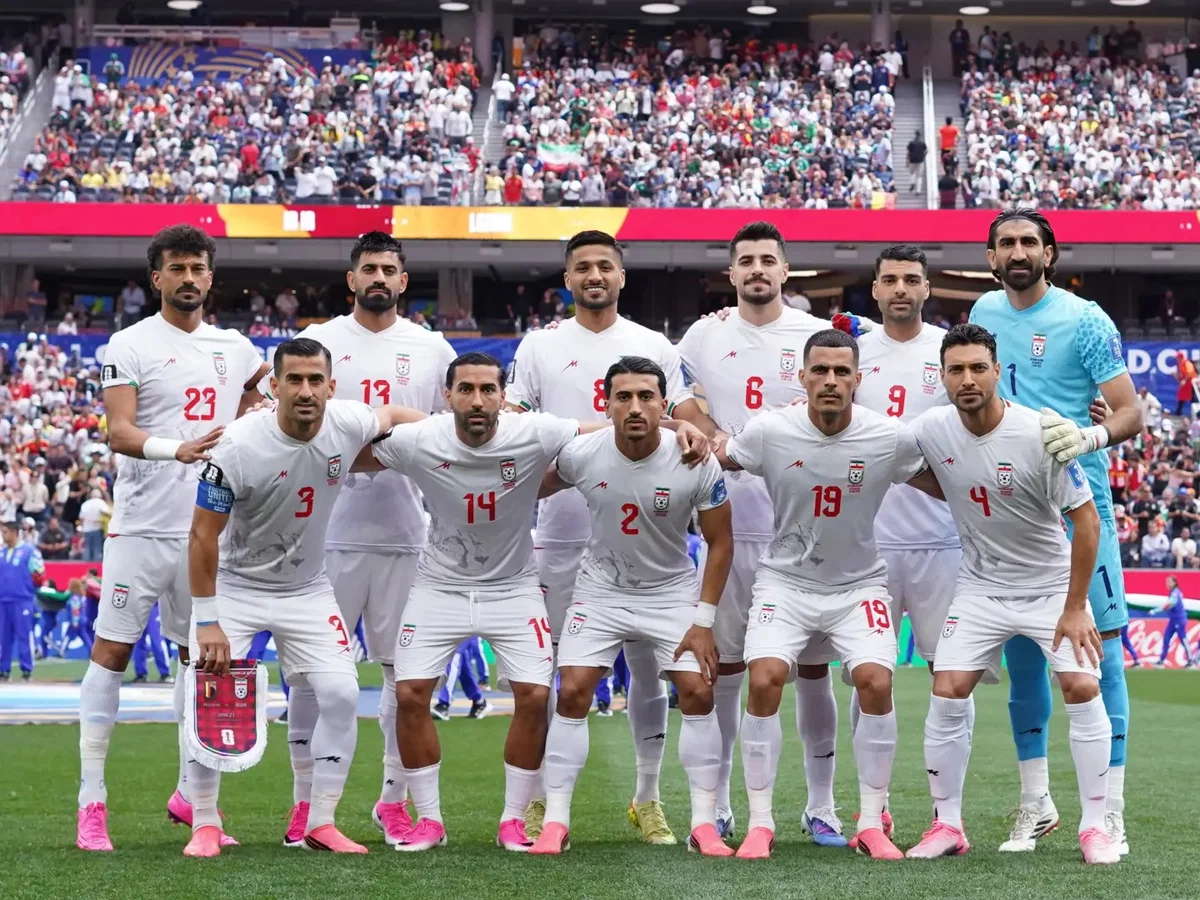
As the Iranian Football Federation persists in its contentious relationship with the public—marked by ongoing conflicts and mutual recrimination—it has chosen to extend Amir Ghalenoei's contract. This decision comes despite a track record that many consider underwhelming: an expected fourth consecutive major tournament campaign that ended in disappointment, with the team failing to advance past the group stages in the World Cup 2026 while failing to win the title in two Asian Cup tournaments in 2007 and 2023. The contract renewal has been met with widespread criticism from fans and pundits alike, who view it as yet another symptom of a system that prioritizes familiarity over performance.
A Contrast in Ambition
Meanwhile, the Emirati Football Federation—widely regarded as one of the most proactive and opportunistic governing bodies in the region—has executed a coup of considerable magnitude. They have secured the services of Zlatko Dalić, a manager whose credentials include guiding Croatia to a World Cup final appearance and a third‑place finish, establishing himself as one of the most respected tacticians in contemporary football. The appointment signals the UAE's serious intent to elevate its footballing standing on the Asian and global stage.
An Intriguing Reunion
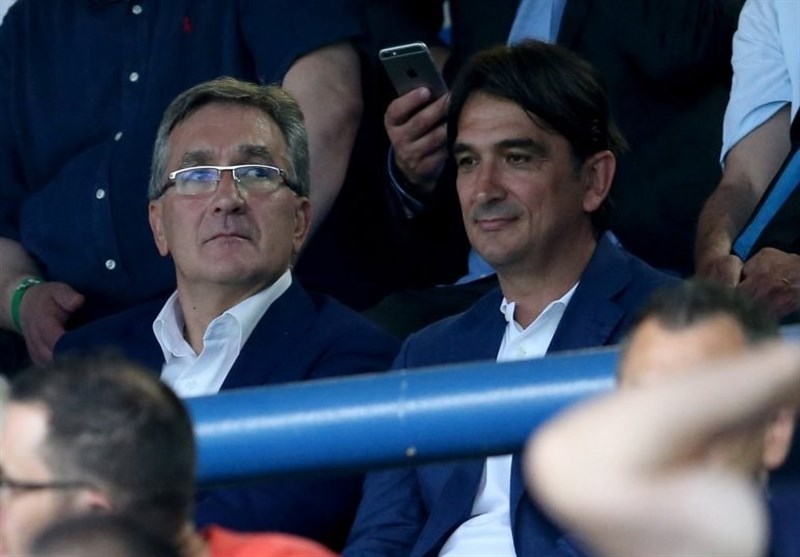
Perhaps even more intriguing for Iranian football enthusiasts is the accompanying appointment of Branko Ivanković as technical advisor alongside Dalić. Ivanković, who had officially announced his retirement from football management not long ago, has been persuaded by his friend and compatriot to return to the game. Dalić, in welcoming Ivanković, referred to him as "the great advisor," emphasizing that his extensive knowledge of the regional football landscape and proven track record of success would be invaluable assets.
This is the same Ivanković who, during his tenure as Team Melli's head coach, guided Iran to a comfortable World Cup qualification and presided over what many consider one of the most successful periods in Iranian football history. His subsequent golden era at Persepolis further cemented his legendary status in Iranian football folklore.
Prophetic Warnings
Ivanković's name has resurfaced in Iranian sports circles recently for reasons beyond his coaching achievements. His famous prediction that Iranian football would regress to "amateur level" now appears increasingly prophetic, as the warning signs he identified have become starkly visible. The manner in which he handled the Ramin Rezaeian situation also continues to generate discussion, with each passing day seemingly validating Ivanković's approach and judgment in that controversial episode.
A Formidable Regional Force
The Dalić‑Ivanković partnership represents a formidable alliance in Middle Eastern football—a combination of world‑class tactical acumen and deep regional expertise that could reshape the competitive landscape. For Iran, this represents yet another threat to its regional standing, particularly at a time when the national team's management structure appears incapable of learning from past failures.
The Erosion of Standards
The current state of Iranian football raises profound questions about institutional priorities. In a system where failures and disappointments go unquestioned—indeed, seem to be rewarded with contract extensions—competence has become a desirable but non‑essential attribute for those leading Team Melli. Surprises and controversies have become so routine that they barely register as cause for concern.
A Generation Disillusioned
Across Iran and throughout the global diaspora, a generation of fans who have witnessed Team Melli's gradual decline watches with growing disillusionment. The team's popularity has reached one of its lowest points in recent memory, with attendance figures and television ratings reflecting a significant erosion of public enthusiasm. While the management and coaching structures bear considerable responsibility for this decline, another factor has emerged as a major source of fan frustration: the astronomical salaries commanded by so‑called professional footballers in Iran, despite decades of collective underachievement. This disparity between compensation and results has become a festering wound, breeding apathy and, increasingly, outright hostility toward the national team.
The Path Forward
As regional rivals invest in world‑class leadership and strategic planning, Iranian football stands at a crossroads. The contrast between the UAE's proactive approach and Iran's reactive stagnation could not be more stark. Without fundamental reform—starting with accountability at the highest levels and a genuine commitment to merit‑based selection—the decline may prove irreversible. The passionate support of Iranian football fans, once the team's greatest asset, now appears to be its most severely tested resource.
The question is not whether the Iranian Football Federation recognizes the urgency of the moment—it has repeatedly demonstrated its inability to learn from its missteps and stubbornly clings to a failing strategy that has already eroded the nation's footballing prestige. The true question is far more pressing: who will emerge as the savior of Iranian football? And perhaps more critically, when and how will the long‑overdue revolution and revival finally begin?