

The stage is set for a compelling final in the Al Ain International Cup, as Team Melli of Iran prepares to lock horns with a resurgent Uzbekistan at the Hazza Bin Zayed Stadium. While the FIFA rankings and historical prestige heavily favor the Iranians, the narrative on the pitch tells a vastly different and more intriguing story.
The Road to the Final: A Tale of Two Semis
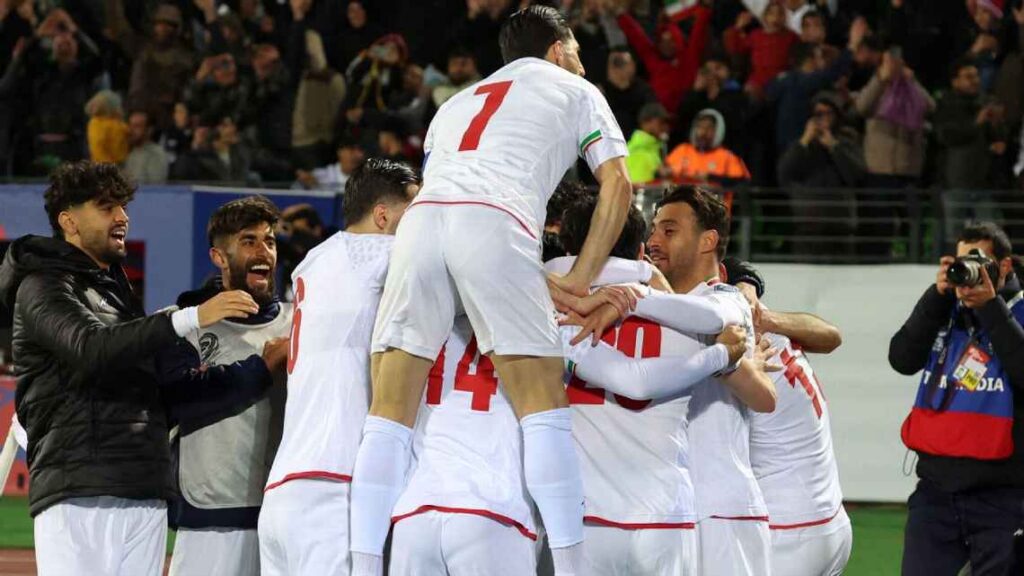
The semi-finals provided a stark contrast in team morale and performance. Iran labored to a 0-0 draw against Cape Verde, a team ranked 77th in the world, before narrowly securing their final berth with a 5-4 victory in a penalty shootout. The performance was characterized by a disjointed offense, poor ball distribution, and a palpable lack of creativity. In worrying signs for Iranian fans, star striker Mehdi Taremi was effectively neutralized, while domestic league top scorer Amirhossein Hossenzadeh failed to test the Cape Verdean goalkeeper.
In the other semi-final, Uzbekistan delivered a masterclass, dismantling a strong Egyptian side with a commanding 2-0 victory. The White Wolves displayed a modern, fluid brand of football that their opponents struggled to contain. Their performance was a symphony of coordinated pressing, incisive passing, and clinical finishing—a world away from the disjointed display from Team Melli.
The Uzbek Juggernaut: Led by a Familiar Foe
The undisputed architect of Uzbekistan's victory was Oston Urunov. The Persepolis winger was in scintillating form, scoring a well-taken brace and terrorizing the Egyptian defense throughout the match. Urunov’s performance was a showcase of offensive prowess that the Iranian forward line conspicuously lacked; he was unlucky not to have scored four, with one effort cannoning off the woodwork and another denied by a spectacular save.
His display serves as a poignant reminder to the Iranian federation and fans: the quality exists within the Persian Gulf Pro League, but harnessing it for the national team remains a significant challenge. For Uzbekistan, Urunov symbolizes a new generation of technically gifted and confident players who excel in their defined roles within a coherent tactical system.

Iran's Identity Crisis: System over Stars?
On paper, Iran, ranked 21st in the world, should be the clear favorite. They boast a squad featuring stars from Europe's top leagues and a pedigree that includes consistent World Cup appearances. However, football is not played on paper. The recent form presents a grim picture for Team Melli, who are winless in their last five encounters against Uzbekistan, including a 1-0 loss in Tashkent in their most recent meeting.
The core issue appears to be systemic. Under the current coaching regime, the team often looks less than the sum of its talented parts. There is a reliance on individual brilliance to break down opponents, which, when it fails—as it did against Cape Verde—leaves the team looking rudderless. The midfield often fails to control the tempo or provide a link between defense and attack, leaving isolated forwards to feed on scraps.
The prevailing mentality is also under scrutiny. If a goalless draw against a lower-ranked opponent is perceived as an acceptable result, it raises questions about the ambition and attacking philosophy driving the team forward.
The Final Verdict: A Clash of Contradictions
This final is a classic clash of contradiction: historic reputation versus current form; individual stars versus a cohesive unit; cautious pragmatism versus confident, attacking football.
While Uzbekistan enters the match beaming with confidence and a clear tactical identity, Iran seems burdened by expectation and a lack of a defined playing style. For Team Melli to lift the trophy, they must engineer a massive turnaround—something they have shown little evidence of being capable of in recent times. Relying on the defensive solidity that held firm against Cape Verde will not be enough against a multifaceted Uzbek attack.
Prediction:
Based on the evidence of the semi-finals and recent head-to-head records, the momentum is firmly with Uzbekistan. They play as a confident, modern team that believes in its system and its players. Iran, in contrast, looks fragile and creatively bankrupt. A draw within regulation time, potentially leading to another nerve-wracking penalty shootout, seems the most optimistic outcome for Iran. On current form, however, Uzbekistan are the clear favorites to be crowned champions, poised to prove that a well-drilled team with a clear vision can triumph over a collection of individuals struggling for an identity.