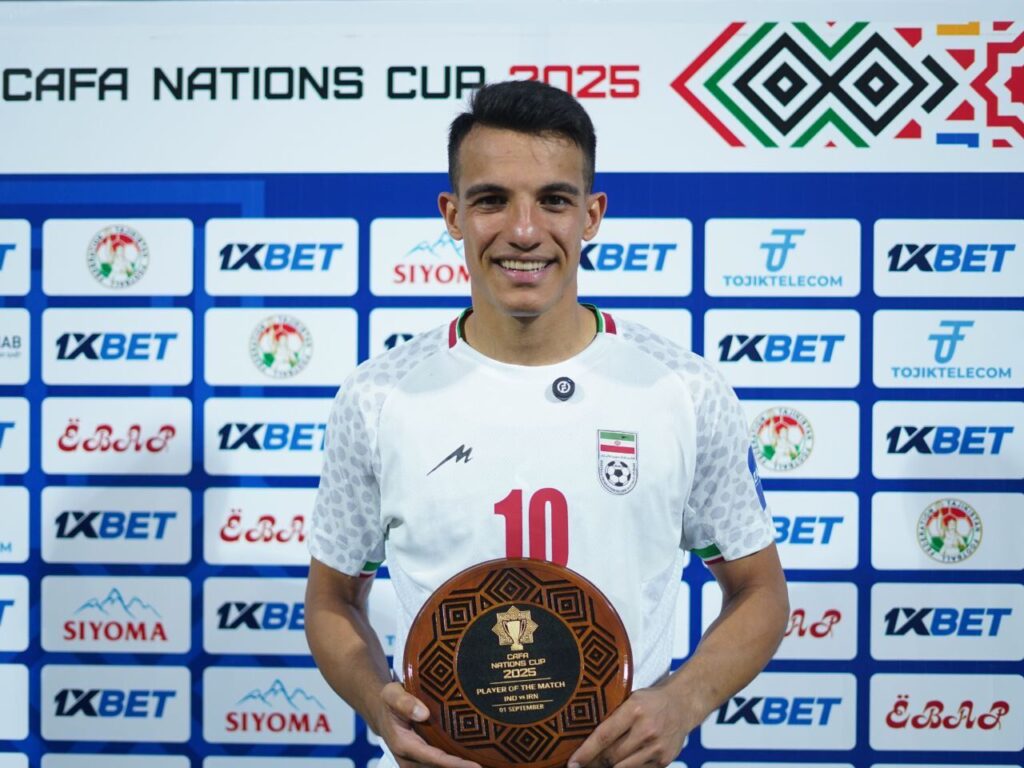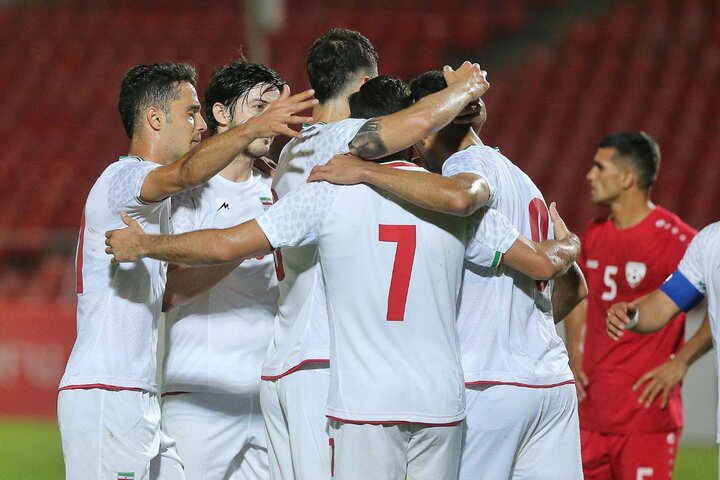
As Iran faces Uzbekistan, deep-rooted systemic issues loom larger than the CAFA trophy itself.
While Uzbek coach Timur Kapadze’s pre-match comment that “Iran has weaknesses” is a blunt assessment, for those following Iranian football, it is a painful and long-acknowledged truth.
The upcoming final against Uzbekistan is about more than a regional trophy; it is a profound test of character for a team seemingly at odds with itself. The result, while desirable, is secondary to the urgent need for a coherent identity, tactical intelligence, and a clear path forward.
It is often too easy to place the blame solely on the head coach, and while Amir Ghalenoei is certainly responsible, he is merely the most visible symptom of a deeper malaise within Team Melli. The problems are systemic:
- Senior Players Underperforming: When veteran leaders and captains are defined more by frustration than by skill and experience, the team's foundation crumbles.
- Persistent Defensive Flaws: Long-known defensive vulnerabilities remain unaddressed, match after match.
- A Misfiring Midfield: The heart of the team, the engine room, is consistently underperforming, failing to control games or link play effectively.
Coach Ghalenoei has his qualities, but his shortcomings are currently defining the team’s style. His unwavering loyalty to a core of senior players—a page taken from the Carlos Queiroz era—is backfiring, as these players increasingly lack both form and motivation. Despite being supported by a large contingent of recently retired ex-players as assistants, this staff has yet to prove they can provide the tactical support and fresh ideas the team desperately needs.
The tactical approach has often been naive. Against weaker teams that employ a deep defensive block, Ghalenoei’s side appears short of ideas. His substitutions are frequently ineffective and poorly timed, often resorting to last-minute changes in a desperate hope for a miracle rather than a strategic shift.
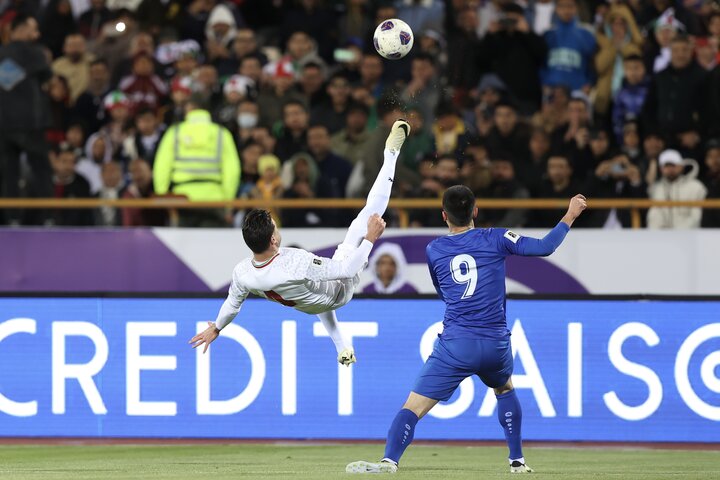
On the pitch, the lack of inspiring figures is glaring. While promising talents like Mehdi Hashemnejad, Amirhossein Hosseinzadeh, and Majid Aliyari have shown flashes of brilliance, they remain fringe players in Ghalenoei’s plans, consistently overlooked.
Instead, the team relies on established names regardless of form. The selection of captain Alireza Jahanbakhsh, currently without a club and match sharpness, raises serious questions about selection criteria being based on reputation rather than merit. The CAFA tournament presented a golden opportunity to integrate his successor; that opportunity seems wasted.
Similarly, much is expected of Mehdi Taremi, but his two appearances so far have provided more cause for concern than confidence.
Tonight’s match is a mirror. It will reflect the team’s true state: its fight, its plan, and its desire. Lifting the CAFA trophy would be a welcome moment of joy, but without addressing these fundamental issues, any celebration will be fleeting. For Team Melli, the real opponent is not just Uzbekistan—it is itself.