
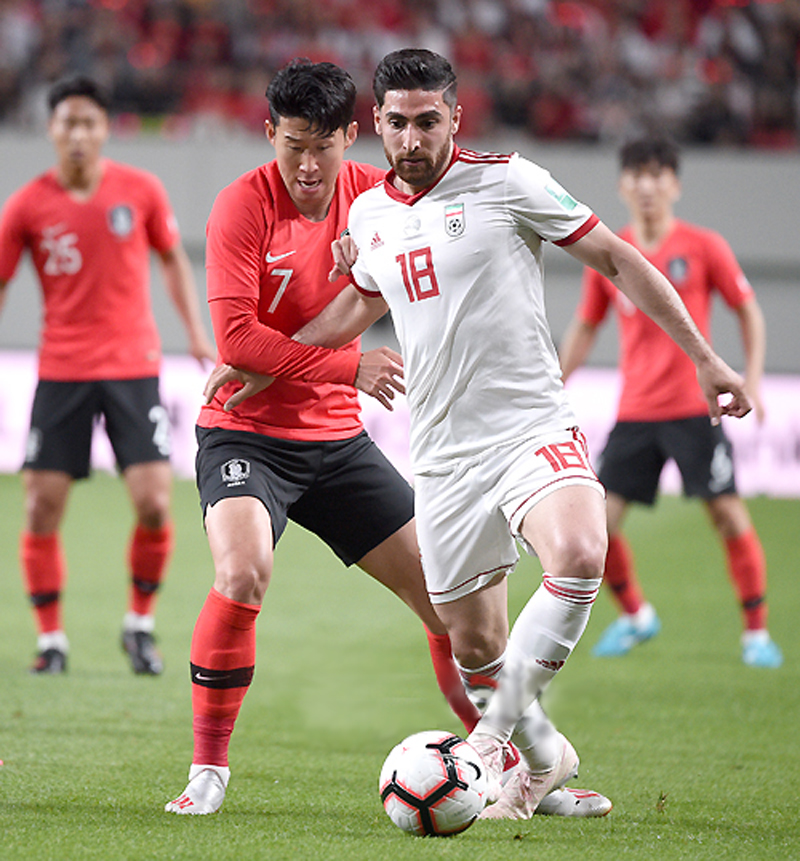
The Premature Decline of Iran’s Football Captain: From Dutch Stardom to Cypriot Obscurity?
Once hailed as Iran’s brightest European export, Alireza Jahanbakhsh now faces a career trajectory that can only be described as a rapid and perplexing decline. At 31, the captain of Iran’s national team finds himself without a club, with rumors linking him to a move to Cyprus’s Apollon—a team that finished last season with a modest record of 12 wins, 10 draws, and 14 losses. For a player who was once the top scorer in the Dutch Eredivisie, this potential move underscores a staggering fall from grace.
The Rise and Fall of a Former Star
Jahanbakhsh’s peak came in the 2017-18 season when he netted 21 goals for AZ Alkmaar, becoming the first Asian player to claim the Eredivisie Golden Boot. His achievement was historic, sparking pride across Iranian football. Yet, what followed was a series of missteps and unfulfilled potential.
His £17 million move to Brighton & Hove Albion in 2018—a then-club-record fee—turned into a nightmare. Over three Premier League seasons, he managed just two league goals, with his shots on target failing to reach double digits. A return to the Netherlands with Feyenoord offered brief respite, but his subsequent transfer to Heerenveen, a mid-table side, raised eyebrows. Even more telling was Jahanbakhsh’s admission that he sought to extend his stay in the Netherlands primarily for passport eligibility—hardly the ambition expected of a player once destined for greater heights.
A National Team Paradox
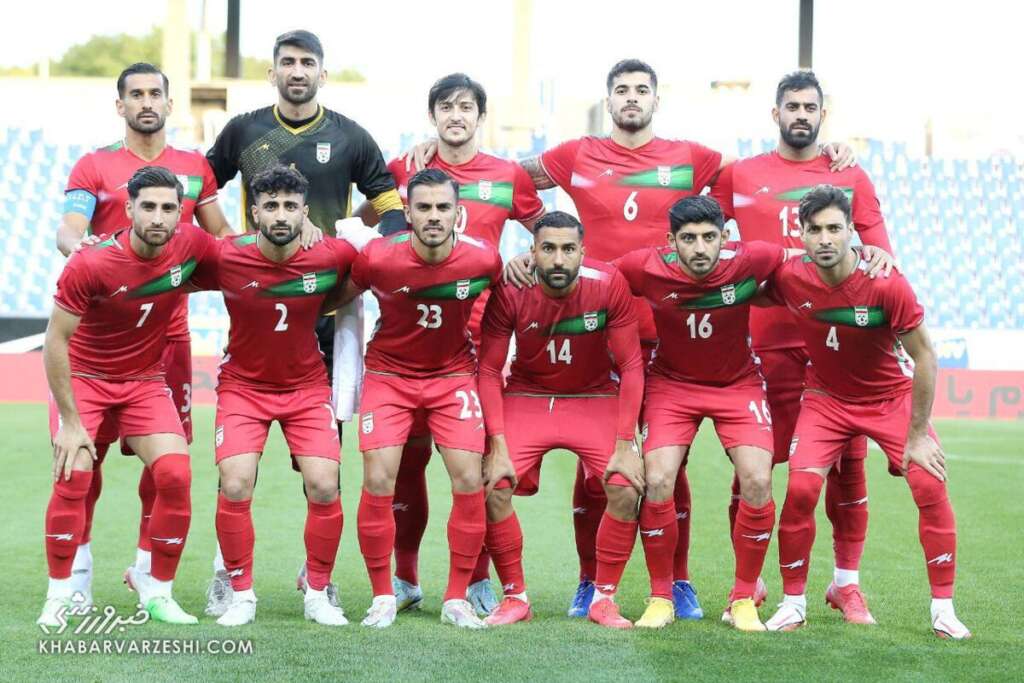
Despite his club struggles, Jahanbakhsh has remained a staple in Iran’s national team under manager Amir Ghalenoui, even earning call-ups while unattached to any club. Yet, his performances in Team Melli have drawn increasing criticism, with fans questioning whether loyalty has outweighed merit.
A Bitter Irony
Perhaps the most striking aspect of Jahanbakhsh’s decline is the contrast between his past advocacy for Iranian players in Europe’s elite leagues and his own fading relevance. While Uzbek and Kazakh teenagers secure contracts with Manchester City and Chelsea, Iran’s former golden boy now faces the prospect of Cypriot football—a league far removed from the prestige he once embodied.
What Comes Next?
At 31, time is running out for a career revival. Whether Jahanbakhsh can rediscover even a fraction of his past brilliance remains uncertain. But one thing is clear: unless he finds a way to reverse this downward spiral, his legacy risks being defined not by his historic Eredivisie triumph, but by a premature and disappointing decline.
Jahanbakhsh’s Downfall: A Case Study in Wasted Potential
From Dutch Stardom to Premier League Flop
Jahanbakhsh’s 21-goal season with AZ Alkmaar in 2017-18 should have been the launchpad for a stellar European career. Instead, his £17 million move to Brighton became a cautionary tale. Hindered by tactical mismatches, physical demands, and a lack of confidence, he managed just two Premier League goals in three seasons. Unlike Japanese or South Korean players who adapt and grow in Europe, Jahanbakhsh regressed—raising concerns about whether Iranian players receive the right preparation for top-tier football.
Why Do Iranian Players Struggle in Europe?
While Japan and South Korea consistently export world-class talents (Son Heung-min, Kaoru Mitoma, Takefusa Kubo), Iran’s European exports often flame out prematurely. Several key factors explain this trend:
1. Poor Career Planning & Agent Influence
Many Iranian players prioritize immediate financial gains over long-term development. Unlike Japanese stars who carefully choose clubs with playing time guarantees (e.g., Mitoma’s move to Brighton after Belgian development), Iranians often join unstable leagues (Qatar, UAE) or make premature jumps to Europe without proper scouting. Agents sometimes push for lucrative but ill-fitting transfers, harming careers.
Example: Sardar Azmoun, despite Bundesliga interest, chose Rubin Kazan for money—delaying his top-five league breakthrough until his late 20s.
2. Lack of Adaptability
European football demands tactical flexibility, physical endurance, and mental resilience—areas where many Iranian players struggle. Jahanbakhsh’s failure at Brighton stemmed partly from his inability to adjust to the Premier League’s intensity. Similarly, Mehdi Taremi, despite success in Portugal, faced criticism for inconsistency in high-pressure matches.
Contrast: South Korea’s Lee Kang-in thrived at Mallorca and PSG by adapting quickly—something few Iranians manage.
3. Weak Domestic Development
Iran’s Pro League lacks modern training methods, sports science, and competitive depth. Even in Asian Iran's club football is in the fourth of fifth tier of the continent. While Japan’s J-League and South Korea’s K-League actively prepare players for Europe, Iran’s league remains insular. Young talents like Allahyar Sayyadmanesh show promise but often move too early (e.g., his failed Fenerbahçe stint).
4. National Team Pressure vs. Club Form
Iranian players often perform better for the national team than their clubs—partly due to emotional motivation but also because domestic expectations overshadow individual growth. Jahanbakhsh remains a national team regular despite poor club form, reducing his urgency to improve.
Can the Next Generation Break the Cycle?
A few young Iranians offer hope. However, unless Iran improves:
- Youth development (modern coaching, exposure to European academies)
- Smart transfers (avoiding money-driven moves to weak leagues)
- Mental & physical preparation (sports psychology, fitness regimes)
…the cycle of unfulfilled potential will continue.
Conclusion: Jahanbakhsh’s Legacy—A Warning or a Wake-Up Call?
Jahanbakhsh’s decline isn’t just his own—it mirrors systemic flaws in Iranian football. While players like Taremi and Azmoun have had moderate success, none have reached the heights of their Asian counterparts. Unless Iran addresses its structural issues, its next golden generation may suffer the same fate: flashes of brilliance, followed by premature decline.
For now, Jahanbakhsh’s career stands as both a tragedy and a lesson—one that Iranian football must learn from before another talent fades away.